Most adolescents require between 8 and 10 hours of sleep per night for optimal cognitive function, emotional regulation, and physical health. However, a biological shift in the circadian rhythm—known as a sleep-phase delay—naturally pushes their sleep-wake cycle later, often clashing with early school start times and modern digital habits, resulting in widespread chronic sleep deprivation.
The Biological Shift: Understanding the Adolescent Circadian Rhythm
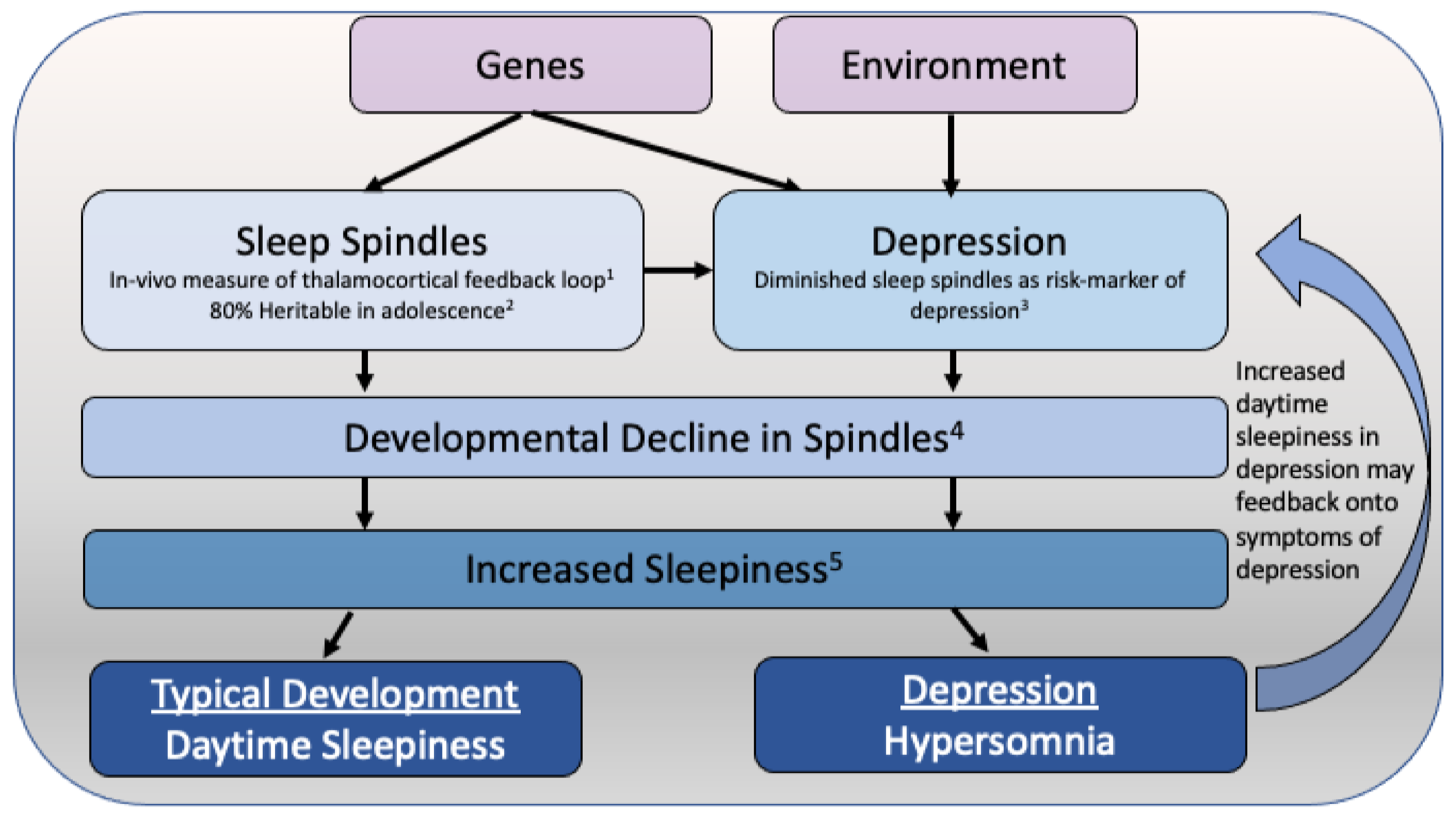
During puberty, the internal biological clock that regulates the sleep-wake cycle undergoes a significant transformation. This phenomenon, known as a circadian rhythm phase delay, shifts an adolescent’s preferred sleep time approximately two hours later than what was typical during middle childhood. This is not a matter of social rebellion or poor discipline; it is driven by changes in the timing of melatonin secretion. In adolescents, the brain begins to release melatonin—the hormone responsible for signaling sleepiness—much later in the evening and continues to produce it later into the morning.
This biological delay creates a "forbidden zone" for sleep in the early evening, where the teenager feels wide awake even if they had an exhausting day. Consequently, an adolescent who previously felt tired at 9:00 PM may not feel physiologically ready for sleep until 11:00 PM or midnight. When these biological realities collide with school start times that often require rising at 6:00 AM, the teenager is systemically deprived of the deep REM sleep that typically occurs in the final hours of a full sleep cycle.
Furthermore, the "sleep drive"—the internal pressure to sleep that builds up throughout the day—accumulates more slowly in adolescents than in younger children. This means that even if a teenager is physically active, their brain may not signal the need for rest as quickly as it once did. Understanding this biological "double whammy" of delayed melatonin and slower sleep pressure is essential for parents and educators attempting to support adolescent health in 2026.
The Critical Role of Sleep in Brain Development and Mental Health
Adolescence is a period of profound neuroplasticity. During these years, the brain undergoes significant structural changes, particularly in the prefrontal cortex, which is responsible for executive functions such as decision-making, impulse control, and complex planning. Sleep is the primary period during which the brain consolidates memories, processes emotional experiences, and clears metabolic waste via the glymphatic system.
Chronic sleep deprivation in teenagers is strongly correlated with a range of mental health challenges. Research consistently indicates that sleep-deprived adolescents are at a higher risk for depression, anxiety, and suicidal ideation. Without sufficient sleep, the amygdala—the brain’s emotional center—becomes hyper-reactive to negative stimuli, while the prefrontal cortex's ability to regulate those emotions is diminished. This imbalance contributes to the heightened emotional volatility often seen in the teenage years.
From a cognitive perspective, sleep loss impairs attention, working memory, and cognitive flexibility. A student who gets only six hours of sleep is significantly less likely to retain the information learned in class compared to a peer who gets nine hours. In 2026, as educational demands and the complexity of digital literacy continue to increase, the cognitive "tax" of sleep deprivation remains one of the greatest barriers to academic success and professional readiness.
Environmental and Behavioral Barriers to Restful Sleep
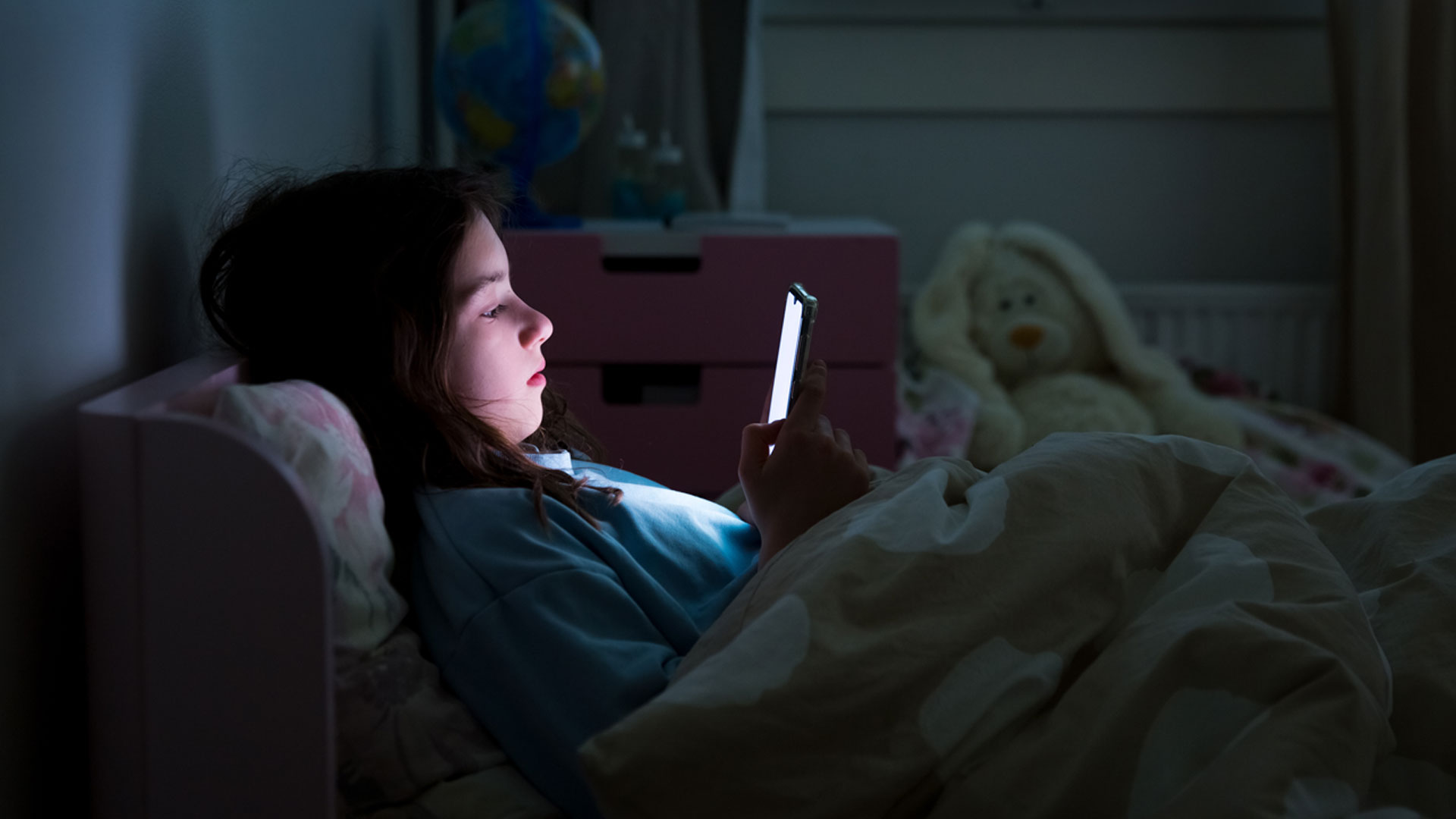
While biology sets the stage, environmental factors often exacerbate adolescent sleep struggles. The most prominent of these is the ubiquity of high-intensity blue light from smartphones, laptops, and gaming consoles. Blue light suppresses the production of melatonin more effectively than any other wavelength, further delaying the onset of sleep in a population already biologically predisposed to staying up late.
Beyond the physiological impact of light, the "cognitive arousal" caused by social media engagement is equally disruptive. The phenomenon of "vamping"—staying up late to engage in social interaction via digital platforms—is often driven by a teenager’s need for autonomy and social belonging. Because their daytime hours are heavily scheduled with school and extracurriculars, the late-night hours are often the only time they feel they have control over their social lives.
Academic pressure also plays a significant role. The volume of homework, combined with the competitive nature of college admissions, often forces adolescents to view sleep as a luxury rather than a necessity. When a student stays up until 1:00 AM to finish a project and then wakes at 6:00 AM for school, they enter a cycle of "social jetlag," where they spend their weekends oversleeping to compensate for the weekday deficit, further destabilizing their internal clock.
Comparing Sleep Needs and Common Patterns
The following table outlines the physiological sleep requirements for adolescents compared to the common patterns observed in modern academic environments.
| Factor | Recommended Standard | Common Observation (Deprived) | Impact of Discrepancy |
|---|---|---|---|
| Sleep Duration | 8.0 – 10.0 Hours | 6.0 – 7.0 Hours | Impaired focus, irritability, and reduced immune function. |
| Melatonin Onset | Approx. 9:00 - 10:00 PM | Delayed to 11:00 PM+ | Difficulty falling asleep at "standard" bedtimes. |
| Wake Time | 7:00 – 8:00 AM | 5:30 – 6:30 AM | Loss of critical REM sleep; "morning brain fog." |
| Digital Use | Discontinue 60 mins before bed | Usage until moment of sleep | Suppressed melatonin and heightened mental arousal. |
| Weekend Routine | Within 1 hour of weekday time | 3+ hour delay (oversleeping) | "Social Jetlag"; harder to wake up on Monday. |
The Impact of School Start Times and Policy Progress
As of 2026, many school districts have recognized the medical necessity of aligning educational schedules with adolescent biology. The American Academy of Pediatrics has long recommended that middle and high schools start no earlier than 8:30 AM. In regions where these changes have been implemented, researchers have observed a marked improvement in student GPA, a decrease in student absences, and—perhaps most importantly—a significant reduction in adolescent car accidents.
Drowsy driving is a critical safety issue for new teen drivers. A sleep-deprived adolescent has reaction times similar to an individual who is legally intoxicated. By shifting school start times later, communities provide teenagers with the opportunity to complete their final sleep cycles, which are rich in the REM sleep necessary for cognitive alertness.
However, policy change often faces logistical hurdles, including busing schedules and the timing of after-school sports. Despite these challenges, the overwhelming scientific consensus is that the health and safety benefits of later start times far outweigh the administrative inconveniences. For parents living in districts with early start times, the focus must shift to rigorous sleep hygiene and environmental control.
Practical Strategies for Optimizing Adolescent Sleep
Improving sleep for a teenager requires a collaborative approach rather than a purely top-down parental mandate. Because the adolescent brain values autonomy, understanding the "why" behind sleep hygiene is often more effective than simply setting a bedtime.
- Manage the Digital Sunset: Encourage the use of "night mode" or blue-light filters on all devices starting two hours before bed. Ideally, phones should be charged in a common area—not the bedroom—to eliminate the temptation of late-night notifications.
- Consistency Over Compensation: While it is tempting to let teenagers sleep until noon on Saturdays, this actually makes Monday morning much harder. Aim for a weekend wake-up time that is within one to two hours of the weekday time to maintain a stable circadian rhythm.
- Optimize the Environment: The bedroom should be cool, dark, and quiet. Using blackout curtains and white noise machines can help prevent early morning light and noise from interrupting the final, most restorative hours of sleep.
- Strategic Caffeine Use: Adolescents often turn to energy drinks or coffee to cope with morning fatigue. Caffeine has a half-life of about five to six hours; a drink consumed at 4:00 PM can still be active in the system at 10:00 PM, preventing the onset of deep sleep.
- Physical Activity: Regular exercise during the day helps deepen sleep at night. However, intense physical activity very late in the evening can increase core body temperature and make it harder to fall asleep.
Note: This information is for educational purposes and does not constitute medical advice. If an adolescent suffers from chronic insomnia, restless leg syndrome, or sleep apnea, consult a healthcare professional or a sleep specialist.
Frequently Asked Questions
Can teenagers "catch up" on sleep during the weekend?
While sleeping in on the weekend can provide some relief from immediate exhaustion, it cannot fully compensate for the cognitive and metabolic damage caused by a week of sleep deprivation. More importantly, sleeping late on Sunday makes it physically impossible for the teen to feel tired at a reasonable hour on Sunday night, creating a "Monday morning hangover" effect known as social jetlag.
Are naps beneficial for sleep-deprived adolescents?
Short "power naps" of 20 to 30 minutes in the early afternoon can improve alertness without interfering with nighttime sleep. However, long naps (over 60 minutes) or naps taken late in the evening can decrease the "sleep pressure" needed to fall asleep at night, potentially worsening the cycle of late-night wakefulness.
Is it safe for adolescents to take melatonin supplements?
Melatonin supplements should be used with caution and under the guidance of a pediatrician. While they can help "shift" the circadian rhythm for a short period, they do not address the underlying causes of sleep deprivation, such as blue light exposure or school schedules. Long-term effects on adolescent hormonal development are still being studied as of 2026.
How does sleep deprivation affect athletic performance in teens?
Sleep is the primary time for muscle repair and the release of growth hormones. Sleep-deprived athletes show slower reaction times, decreased accuracy, and a significantly higher rate of sports-related injuries. For the student-athlete, sleep is as much a part of training as practice or nutrition.
Why do some teens seem to function fine on six hours of sleep?
While some individuals have a genetic predisposition that allows them to function on less sleep, they are a very small minority. Most teens who claim to "function fine" are actually experiencing a diminished baseline of cognitive performance; they have simply become accustomed to the feeling of being tired and do not realize how much better they could perform if fully rested.
Transitioning to a Sustainable Sleep Routine
To achieve lasting improvements in adolescent sleep, the focus must shift from "enforcing a bedtime" to "creating a sleep-conducive lifestyle." This begins with an open conversation between parents and teens about how sleep impacts the things the teenager cares about—such as athletic performance, clear skin, mood stability, and academic efficiency.
Start by implementing one or two small changes, such as moving the phone charger out of the bedroom or establishing a consistent wake-up time for the weekend. Monitor the results over a two-week period. As the adolescent begins to experience the benefits of increased alertness and improved mood, they are more likely to take ownership of their sleep hygiene, leading to a healthier transition into adulthood.