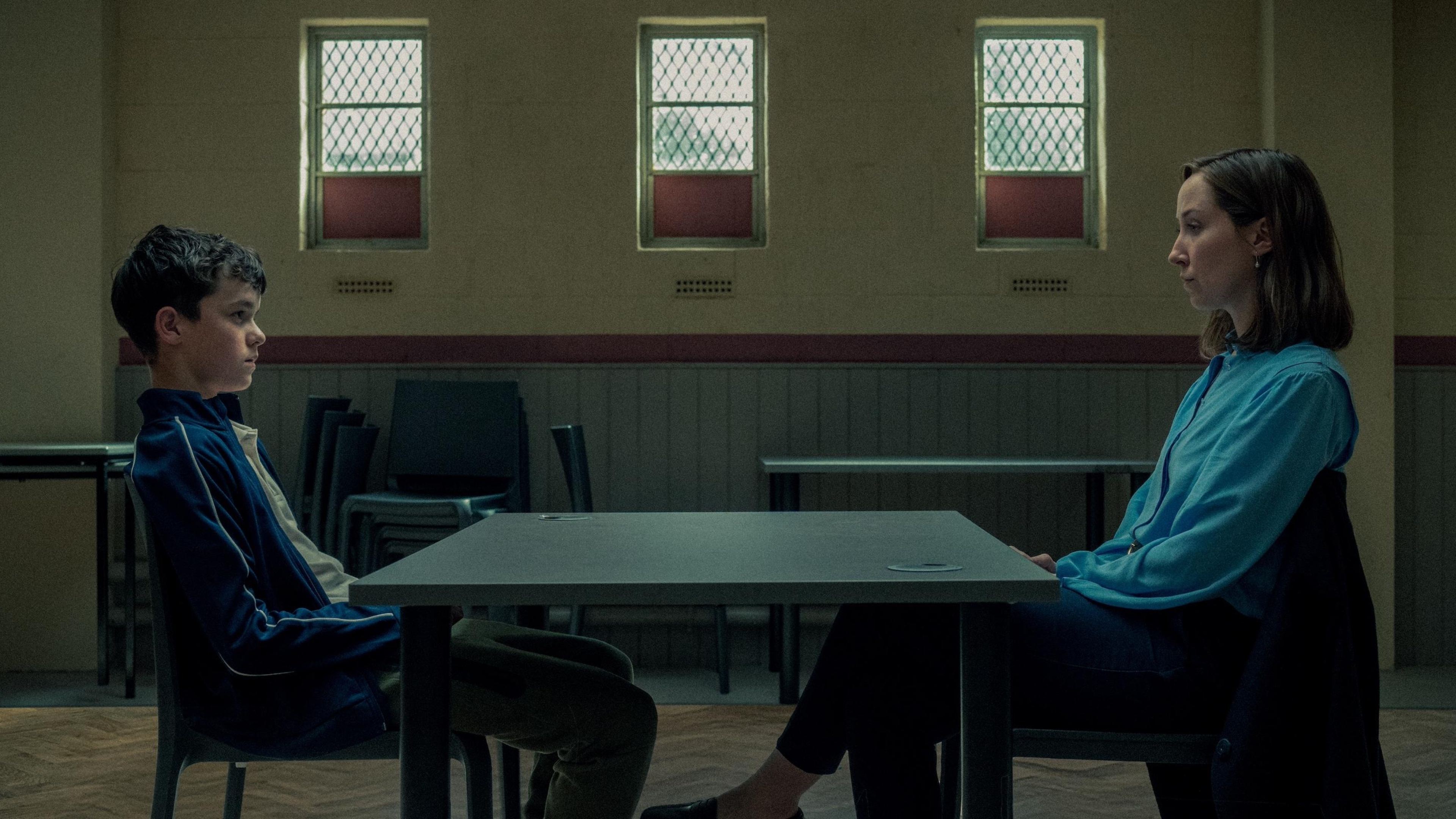
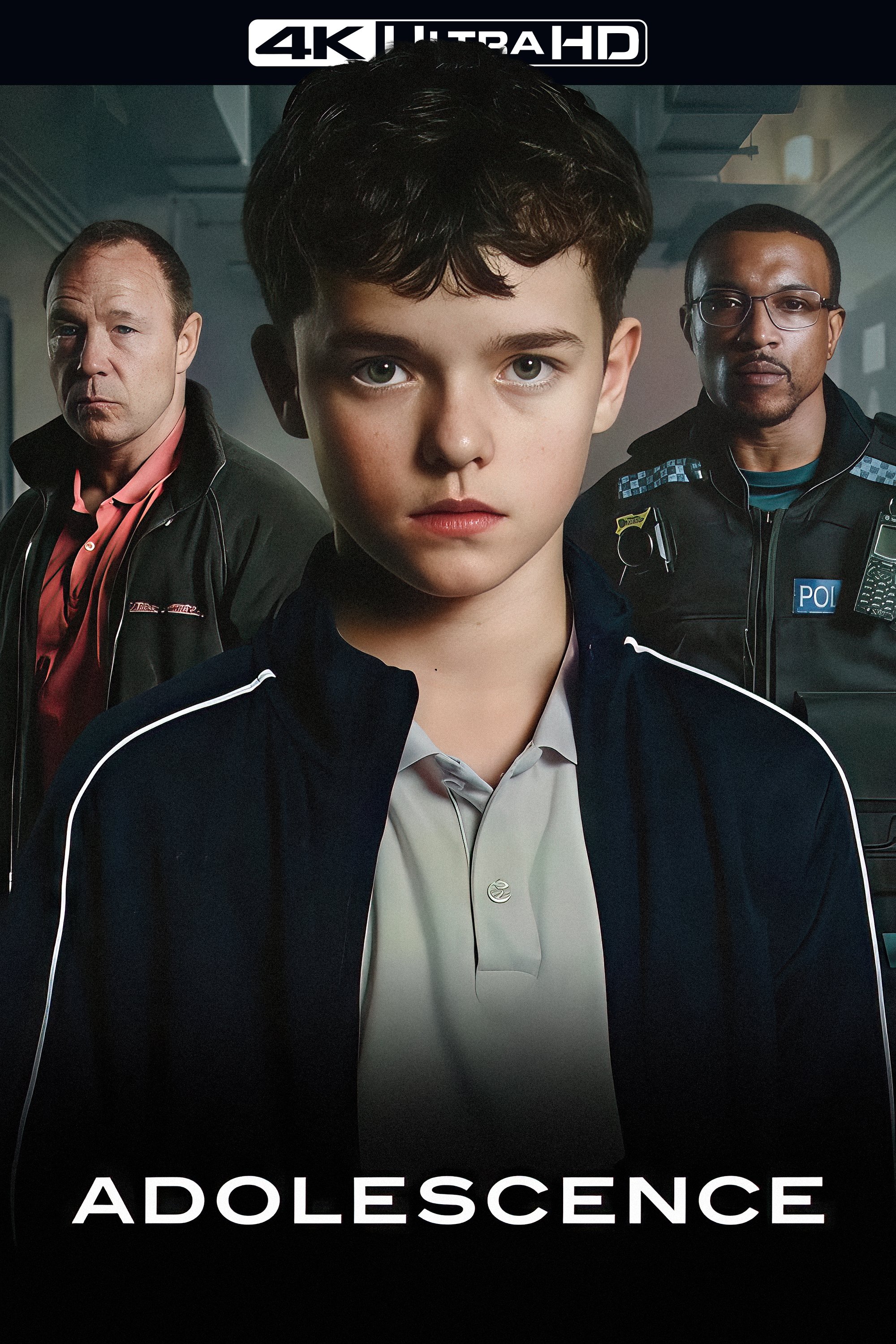
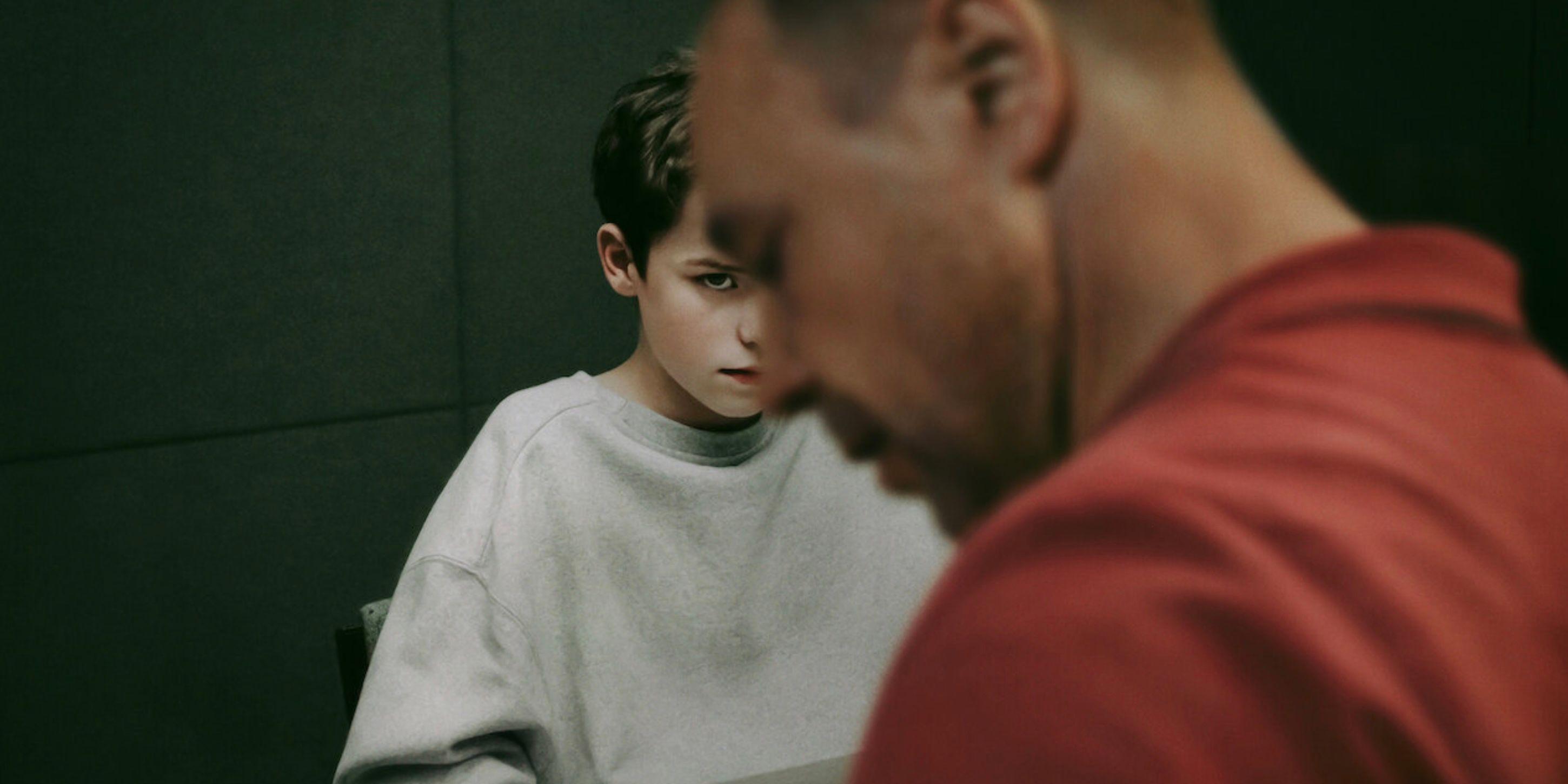
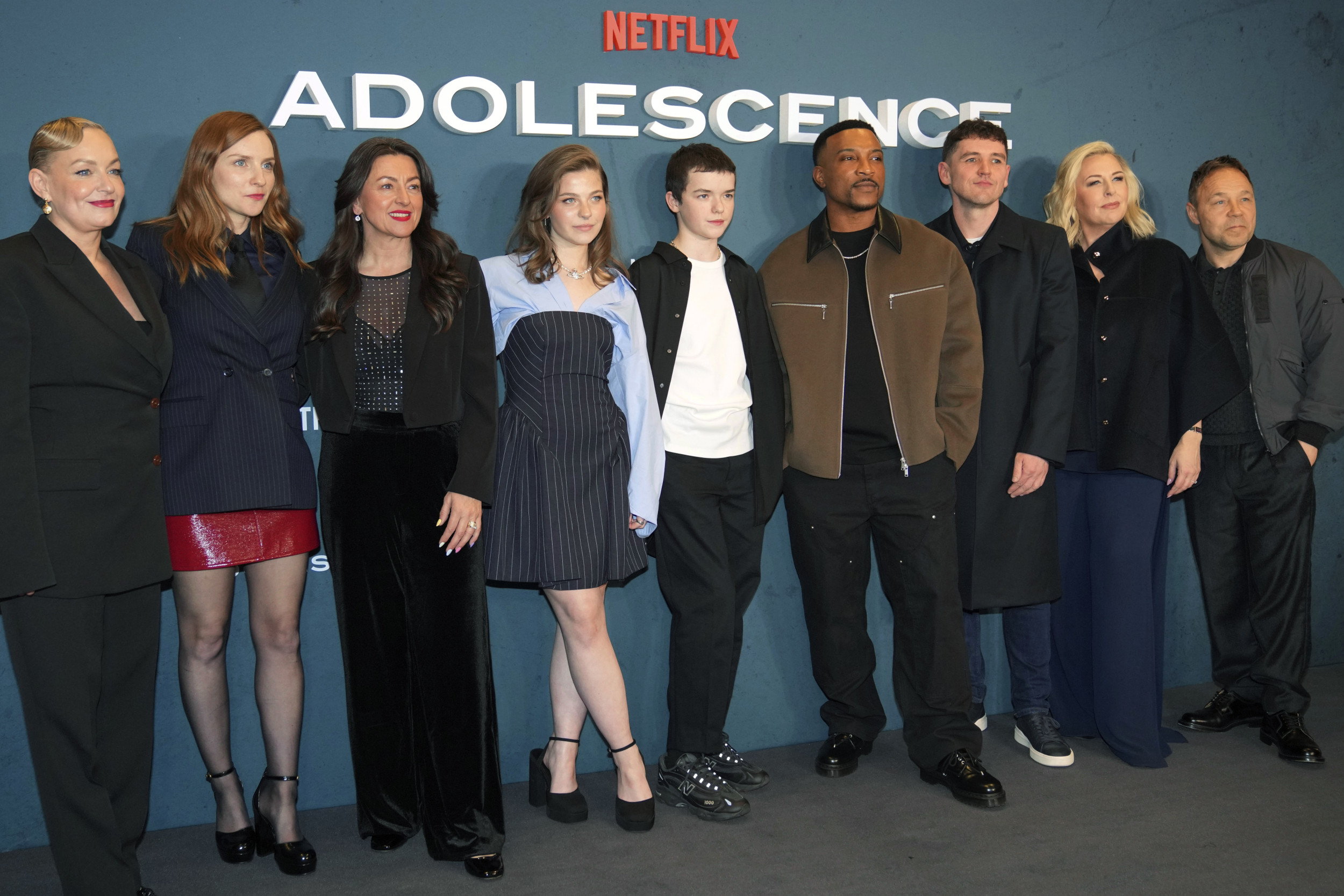
The Adolescence TV series is a groundbreaking four-part crime drama released on Netflix, co-created by Stephen Graham and Shane Meadows. This ambitious production follows the immediate aftermath of a murder investigation involving a 13-year-old boy, uniquely presented through a continuous, "one-shot" filming technique to enhance emotional urgency and realism.
Origins and Creative Pedigree: The Graham and Meadows Collaboration
The "Adolescence" TV series represents a significant milestone in British television history, primarily due to the powerhouse creative team behind it. Stephen Graham and Shane Meadows first collaborated on the seminal film This Is England (2006), and their reunion for this project marks a shift toward experimental long-form storytelling. While Meadows is renowned for his improvisational style and gritty naturalism, Graham has transitioned into a formidable producer and writer, bringing the technical rigor seen in his previous project, Boiling Point.
Directorial duties were handled by Philip Barantini, who previously directed the film version of Boiling Point. This creative trifecta—Graham, Meadows, and Barantini—intended to push the boundaries of the "social realist" genre. By 2026, the series has solidified its place as a benchmark for how streaming platforms can support high-concept technical feats that were previously reserved for independent cinema.
The project was born out of a desire to explore the limitations and pressures of the UK legal and social care systems. Unlike standard police procedurals that focus on the "who-done-it" aspect, "Adolescence" focuses on the "what-now," examining the ripple effects of a violent crime on a working-class family. The series is not just a crime story; it is a character study of a father (played by Graham) struggling to navigate a world that is designed to process his son as a statistic rather than a child.
The Technical Ambition: A Continuous Take Narrative
The most discussed element of the "Adolescence" TV series is its visual format. Each of the four episodes is presented as a single, continuous shot, devoid of visible cuts. While the "one-shot" technique has been used in films like 1917 or Victoria, applying it to a multi-episode television series presents unique logistical and narrative challenges.
The Choreography of Realism
In a traditional drama, editors can cut away to hide mistakes or compress time. In "Adolescence," the camera remains tethered to the characters in real-time. This requires meticulous choreography between the actors, the camera operators, and the sound department. If a single line is flubbed or a light fails 40 minutes into a 60-minute episode, the entire production must restart from the beginning.
This format serves a specific narrative purpose: it prevents the audience from looking away. The "one-shot" approach mirrors the claustrophobia and relentless pace of a police investigation. When the protagonist feels trapped, the audience is trapped with them. By 2026, critics have praised this technique not as a gimmick, but as an essential tool for creating the high-stakes atmosphere required for a story about a family in crisis.
Practical Production Challenges
The production of "Adolescence" required months of rehearsals, similar to a stage play. The set pieces had to be designed to accommodate a 360-degree range of motion, meaning there was no "behind the camera" space for crew members to hide. Specialized lighting rigs and wireless audio transmission systems were utilized to ensure that the transition between indoor and outdoor locations remained seamless.
Plot Synopsis and Thematic Exploration
At the heart of the "Adolescence" TV series is the story of Jamie, a 13-year-old boy accused of a brutal murder. The series begins at the moment of his arrest and follows the subsequent 24 hours. Stephen Graham plays Jamie’s father, a man caught between the instinctive need to protect his child and the horrifying possibility that his son might be guilty.
The Vulnerability of Youth
The series delves deep into the concept of "Adolescence" as a transitional and volatile period of life. It questions whether a child of 13 can truly understand the permanence of death or the complexities of the legal system. The narrative explores how the UK’s age of criminal responsibility—one of the lowest in Europe—affects the way children are treated by the police and the courts.
Systemic Failure and Social Realism
True to the style of Shane Meadows, the series does not shy away from the harsh realities of the British welfare state. It highlights the lack of resources for at-risk youth and the overwhelming pressure on social workers and legal aid solicitors. The series uses its real-time format to show the agonizing wait times, the bureaucratic red tape, and the clinical nature of police interviews, contrasting the coldness of the institution with the raw emotion of the family.
Cast and Key Performances
The "Adolescence" TV series relies heavily on its cast to maintain the momentum required for a continuous-take format. Without the benefit of editing, the burden of pacing falls entirely on the actors' performances.
- Stephen Graham: As the central figure, Graham delivers a performance characterized by repressed trauma and frantic desperation. His ability to maintain high emotional intensity for an hour-long take is a testament to his status as one of the finest actors of his generation.
- The Supporting Cast: The series features a mix of established character actors and newcomers. The role of Jamie required a young actor capable of portraying both innocence and a terrifying blankness. The legal team and investigating officers are played with a "lived-in" quality that avoids the clichés of typical TV detectives.
By 2026, the chemistry between the cast members has been highlighted as the "invisible" element that makes the one-shot format work. Their ability to react to improvisational cues while staying within the rigid technical framework of the shot is what keeps the series grounded in reality.
Technical Specifications and Series Overview
For viewers and researchers looking for the structural details of the "Adolescence" TV series, the following table summarizes the core components of the production as of 2026.
| Feature | Specification |
|---|---|
| Series Title | Adolescence |
| Release Year | 2025/2026 |
| Platform | Netflix |
| Primary Genre | Crime / Social Drama |
| Total Episodes | 4 |
| Average Episode Length | 55–65 minutes |
| Cinematography Style | Continuous "One-Shot" (Real-time) |
| Lead Actor | Stephen Graham |
| Executive Producers | Shane Meadows, Stephen Graham, Philip Barantini |
| Country of Origin | United Kingdom |
Impact on the Crime Drama Genre
The release of the "Adolescence" TV series has prompted a re-evaluation of how crime stories are told on television. Traditionally, the genre has relied on "cliffhangers" and fast-paced editing to maintain engagement. "Adolescence" proves that slow-burn, real-time tension can be equally, if not more, effective.
It has also influenced the "Boiling Point" cinematic universe (often referred to by fans as the "Barantini-Graham" style), where the camera acts as an active participant in the drama. This "fly-on-the-wall" perspective strips away the artifice of television, making the viewer feel like an unwanted voyeur in a private family tragedy. By 2026, several other international productions have attempted to replicate this format, though few have matched the emotional weight provided by the Meadows-Graham partnership.
Frequently Asked Questions
Is the "Adolescence" TV series based on a true story?
While the series is not a direct adaptation of a single specific criminal case, it is heavily inspired by real-world issues within the British legal system. The writers consulted with legal experts, social workers, and police officers to ensure that the procedural elements and the portrayal of youth crime were as authentic as possible.
How was the one-shot format achieved without visible cuts?
The production utilized highly skilled Steadicam operators and "invisible" transitions where necessary, though the goal was to keep the takes as long as possible. Much of the success came from months of intensive blocking and rehearsal on location, ensuring that every movement was timed to the second.
How many episodes are there in the series?
"Adolescence" is a limited series consisting of four episodes. Each episode represents a specific segment of the 24-hour period following the initial crime, maintaining the real-time aesthetic throughout the entire arc.
Is Stephen Graham the only lead actor?
While Stephen Graham is the primary focus and the most recognizable name, the series is an ensemble piece. Significant screen time is given to the actor playing his son, Jamie, as well as the lead detective and the family’s legal representative, all of whom must remain in character for the duration of the long takes.
Where can I watch "Adolescence"?
The series is a Netflix Original production. It is available globally on the Netflix streaming platform. Due to its intense themes and depictions of crime and emotional distress, it typically carries an age rating intended for mature audiences (TV-MA or 15+ in the UK).
Viewing Recommendations and Next Steps
For those planning to watch the "Adolescence" TV series, it is recommended to view it in an environment free of distractions. Because the series relies on a real-time, continuous flow, missing even a few minutes of the background action or character reactions can diminish the intended psychological impact.
If you are a fan of Shane Meadows’ previous work, such as The Virtues or This Is England, or Stephen Graham’s high-tension performances in Boiling Point and Time, this series is an essential addition to your watchlist. It represents a bold experiment in technical filmmaking that prioritizes character depth over traditional action beats. After finishing the series, viewers often find value in watching the "behind-the-scenes" features provided by Netflix, which detail the immense physical and technical effort required to pull off the four continuous takes that define the show.