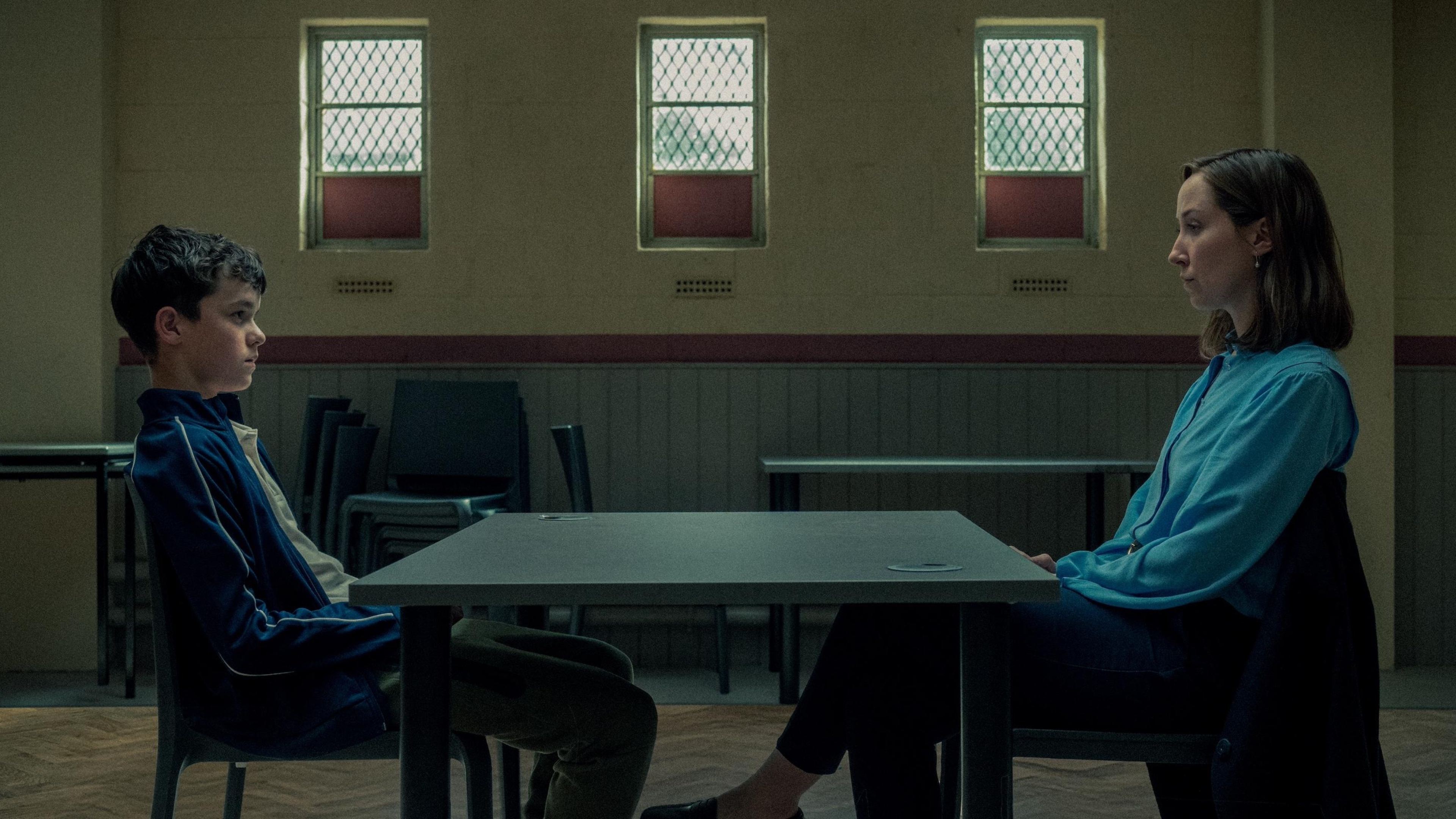
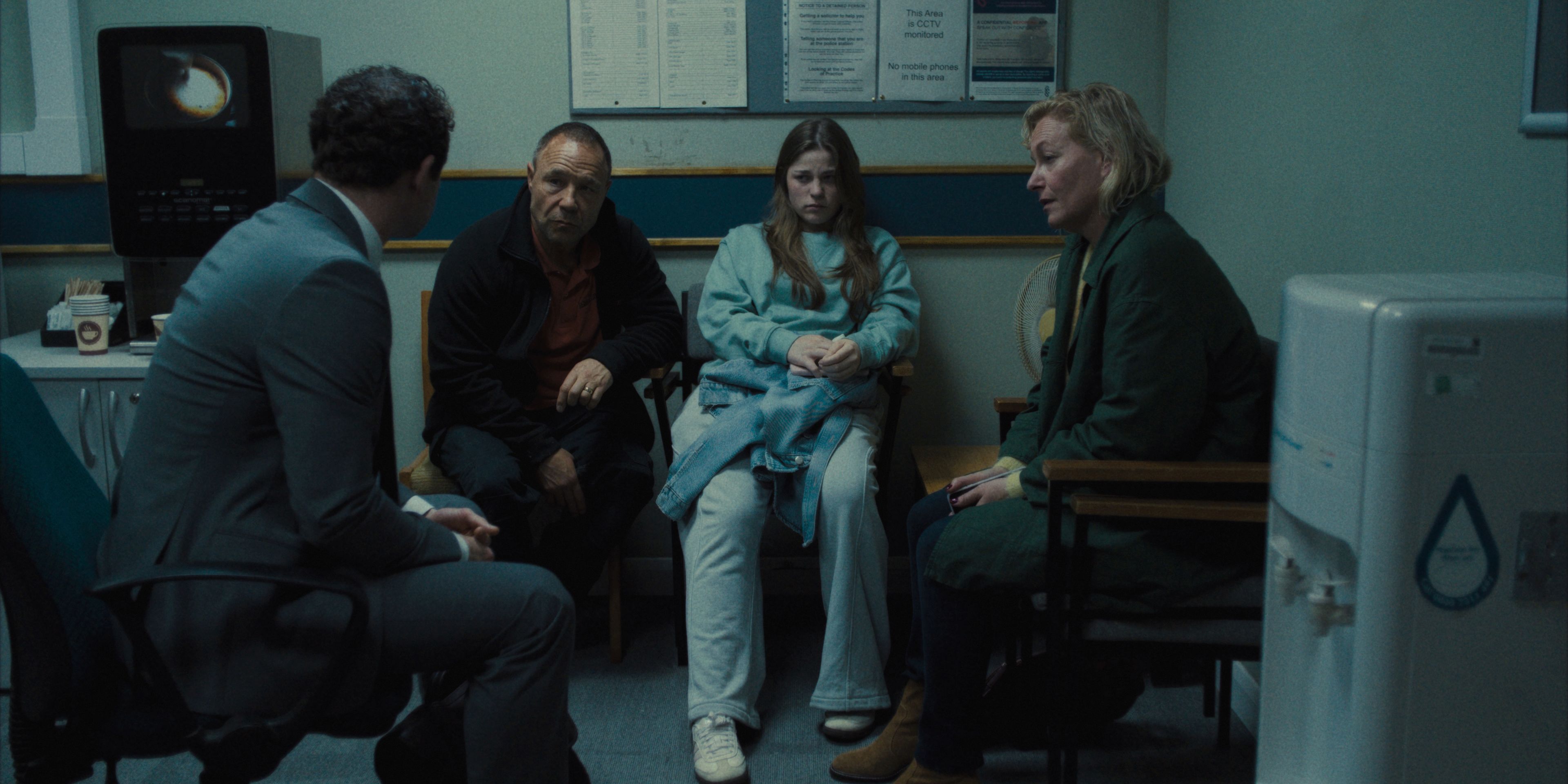
Adolescence films, commonly known as coming-of-age cinema, focus on the psychological and moral growth of a protagonist as they transition from childhood to adulthood. These films explore the complexities of identity, social belonging, and the loss of innocence, providing a cinematic mirror for the universal human experience of growing up.
The Anatomy of an Adolescence Film: Key Themes and Motifs
The adolescence film is defined less by a specific setting and more by its emotional and developmental trajectory. Unlike action or horror genres, which rely on external conflict, the coming-of-age genre is primarily driven by internal transformation. By 2026, the genre has expanded to include diverse voices and digital-native experiences, yet the core thematic pillars remain remarkably consistent.
The Search for Identity and Self-Discovery
At the heart of every adolescence film is the question, "Who am I?" This search for identity often manifests as a rebellion against parental expectations, societal norms, or peer pressure. Protagonists are frequently caught between the safety of their childhood persona and the terrifying freedom of their emerging adult self. This "liminal space" is where the most significant character development occurs. Films like Moonlight (2016) or Lady Bird (2017) exemplify this by showing characters navigating their sexuality, ambitions, and cultural backgrounds in ways that feel both personal and universal.
The Loss of Innocence
A pivotal moment in these films is the "threshold" event—an experience that forever changes the protagonist's worldview. This might be a first love, a brush with mortality, or the realization that authority figures are fallible. Once this threshold is crossed, the character cannot return to the simplicity of childhood. This loss is often portrayed with a sense of bittersweet nostalgia, acknowledging that while growth is necessary, it comes at a cost.
Social Hierarchy and Belonging
Adolescence is defined by the intense need to belong. Coming-of-age films frequently use high schools, summer camps, or tight-knit neighborhoods as microcosms of society. Within these settings, characters must navigate complex social hierarchies. The struggle to fit in—or the decision to stand out—serves as a training ground for the social dynamics they will face as adults. The "clique" system, popularized by 1980s teen films, continues to be a relevant trope, though modern iterations focus more on digital "echo chambers" and online social standing.
Historical Milestones: How the Genre Transformed
The adolescence film has evolved through several distinct eras, each reflecting the cultural anxieties and values of its time. Understanding this history is crucial for appreciating the depth of modern 2026 cinema.
The Birth of Teen Rebellion (1950s–1960s)
Before the 1950s, teenagers were rarely depicted as a distinct demographic in film. Post-WWII economic booms created a new "youth culture" with disposable income and a desire for representation. Rebel Without a Cause (1955) was a watershed moment, casting James Dean as the archetypal misunderstood youth. In Europe, the French New Wave brought a more artistic, gritty realism to the genre with François Truffaut's The 400 Blows (1959), which prioritized the subjective emotional experience of a child over traditional narrative structures.
The John Hughes Era and the Suburban Myth (1980s)
The 1980s saw the commercialization of the adolescence film. Director John Hughes became synonymous with the genre, creating films like The Breakfast Club (1985) and Sixteen Candles (1984). These movies focused on the internal lives of suburban American teens, emphasizing that their problems—while perhaps small in the grand scheme of the world—were monumental to them. This era established many of the tropes still used today, such as the makeover montage and the climactic school dance.
Indie Realism and the Shift Toward Diversity (2000s–2020s)
As we entered the 21st century, the genre shifted away from the "glossy" suburban aesthetic. Independent filmmakers began telling more grounded, often painful stories of adolescence. Films like Eighth Grade (2018) captured the agonizing awkwardness of the social media age with brutal honesty. There was also a significant move toward intersectionality, with stories focusing on LGBTQ+ youth, immigrants, and neurodivergent protagonists, ensuring that the "universal" experience of growing up finally looked like the real world.
Cinematic Techniques Used to Convey Interiority
Adolescence films rely heavily on specific cinematic techniques to help the audience feel what the protagonist is feeling. Because the conflict is internal, directors must find visual and auditory ways to externalize emotion.
- The Subjective Camera: Many coming-of-age films use close-ups and "point-of-view" shots to create intimacy. By keeping the camera tight on a character's face during a moment of embarrassment or joy, the audience is forced into their emotional perspective.
- Soundtrack as Narrative: The use of music is perhaps more important in this genre than any other. In 2026, we see a continued trend of "curated" soundtracks that act as a Greek chorus, expressing the feelings the protagonist cannot put into words. A perfectly timed song can elevate a simple bike ride into a life-changing moment of freedom.
- Color Grading and Lighting: Directors often use color to signify the transition from childhood to adulthood. Childhood scenes might be bathed in warm, golden light (nostalgia), while the present day is depicted in cooler, harsher tones (reality).
Comparison of Adolescence Film Archetypes
The following table compares the different stylistic approaches to adolescence films across major cinematic movements.
| Era/Movement | Focus | Representative Films | Key Characteristics |
|---|---|---|---|
| Classical Hollywood | Moral lessons and family units | Andy Hardy series, National Velvet | Idealized, didactic, emphasizes traditional values. |
| Social Realism | Structural and economic barriers | Kes, The 400 Blows | Gritty, focus on the environment's impact on the child. |
| The "Brat Pack" Era | Emotional validation of teen angst | The Breakfast Club, St. Elmo's Fire | Character-driven, dialogue-heavy, suburban setting. |
| Modern Naturalism | Authenticity and digital identity | Eighth Grade, Lady Bird, Close | Raw, often uncomfortably realistic, focuses on nuance. |
| Speculative/Genre Bend | Metaphorical growth | Raw, Ginger Snaps, Spider-Man: Across the Spider-Verse | Uses horror or sci-fi as a metaphor for puberty. |
Global Perspectives: Beyond the American High School
While Hollywood has a firm grip on the "teen movie" market, some of the most profound adolescence films come from international cinema. These films often deal with the transition to adulthood against the backdrop of political upheaval or strict cultural traditions.
In Brazilian cinema, City of God (2002) presents a terrifyingly accelerated version of adolescence, where children are forced into the roles of soldiers and criminals far before they are emotionally ready. In Japanese cinema, the "Coming-of-Age Day" (Seijin no Hi) is a significant cultural event, and films often explore the tension between traditional expectations and modern desires.
European cinema often takes a more sensuous, philosophical approach to the genre. For example, Italian coming-of-age stories frequently focus on the "long summer"—a period of idleness where characters are forced to confront their changing bodies and desires in a slow-burn narrative style.
Current Trends: Adolescence Films in 2026
As of 2026, the genre has pivoted to address the unique challenges of the mid-2020s. Three major trends have emerged:
- The "Digital De-aging" of Conflict: Films are increasingly focusing on the younger end of the spectrum (ages 10-13) as "digital maturity" happens earlier. The conflict often centers on the discrepancy between an advanced online persona and an emotionally immature physical self.
- Climate Anxiety and the Future: Unlike the 1980s, where the future was a place of career goals and marriage, modern adolescence films often feature protagonists grappling with "eco-anxiety." The coming-of-age journey now involves finding hope in a world that feels increasingly precarious.
- Hybrid Genres: We are seeing more "Adolescence-Horror" and "Adolescence-Thriller" crossovers. Filmmakers are using the physical changes of puberty as a literal basis for body horror or supernatural transformations, providing a visceral metaphor for how alien one's own body can feel during this time.
Frequently Asked Questions
What is the difference between a teen movie and a coming-of-age film?
While all coming-of-age films about adolescents are teen movies, not all teen movies are coming-of-age films. A "teen movie" is often defined by its target audience and may focus purely on entertainment, tropes, or escapism (e.g., a high school slasher or a simple raunchy comedy). A "coming-of-age film" specifically requires a narrative arc centered on the protagonist's internal growth, maturity, and a fundamental shift in their understanding of the world.
Why do adolescence films often feature "outsider" protagonists?
The "outsider" or "loner" trope is common because it heightens the drama of social navigation. By placing a character on the periphery of social circles, filmmakers can more easily critique the norms of that society. Furthermore, the feeling of being an outsider is a nearly universal experience during adolescence, making these characters highly relatable to the audience, regardless of their own social status in school.
Are coming-of-age films only for teenagers?
Actually, many of the most successful adolescence films are targeted at adults. These films tap into "universal nostalgia" and allow older viewers to re-process their own past experiences with the benefit of hindsight. The themes of regret, the "path not taken," and the loss of innocence resonate deeply with adults navigating their own life transitions.
How has the depiction of parents changed in these films?
In early adolescence films, parents were often either authority figures to be obeyed or "clueless" obstacles. In modern cinema, there is a trend toward more complex "dual-protagonist" narratives. Films like Lady Bird or The Edge of Seventeen give significant screen time to the parents' perspectives, showing that the transition into adulthood is also a transition for the parents, who must learn to let go of their role as protectors.
What is the most important element of a successful adolescence film?
Authenticity is the most critical factor. Audiences, particularly younger ones, are highly sensitive to "poseur" dialogue or outdated depictions of youth culture. A successful film doesn't necessarily need a happy ending; it needs a truthful one. Whether the protagonist succeeds or fails, the audience must feel that the character has genuinely changed.
Finding Your Next Watch: A Practical Recommendation
To truly appreciate the depth of the "adolescence film," you should move beyond the blockbuster hits and explore the "New Wave of Realism." If you are looking for a starting point that encapsulates the modern state of the genre, prioritize films that have been recognized by the British Film Institute (BFI) or Criterion Collection. These organizations curate coming-of-age stories that prioritize cinematic artistry and psychological depth over commercial tropes.
For a contemporary viewing experience, look for 2024-2025 releases that explore "The Second Coming of Age"—the transition that happens in the early 20s. This emerging sub-genre acknowledges that in the modern world, the journey to adulthood doesn't end at 18; it is a prolonged, iterative process that continues well into a person's third decade.