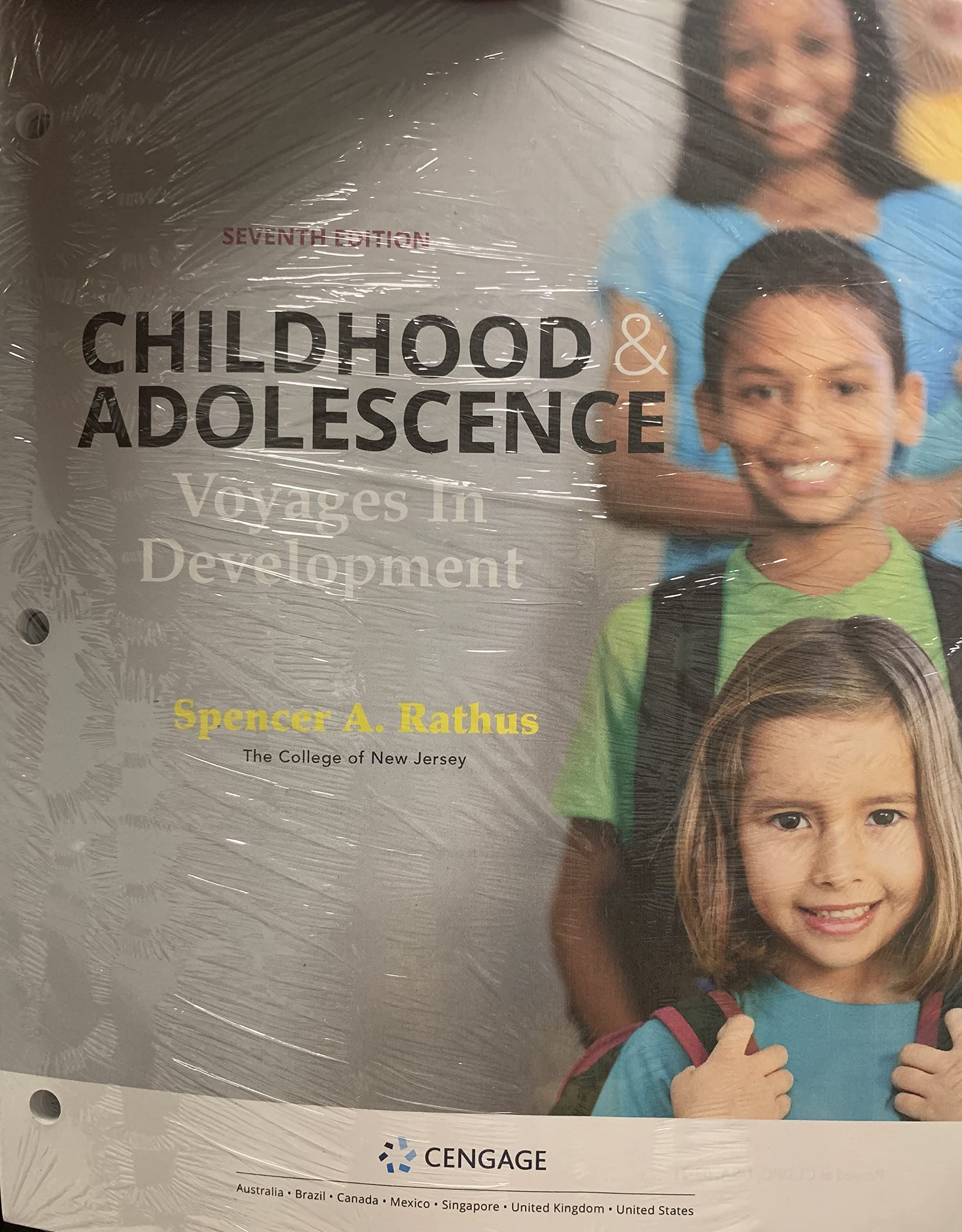
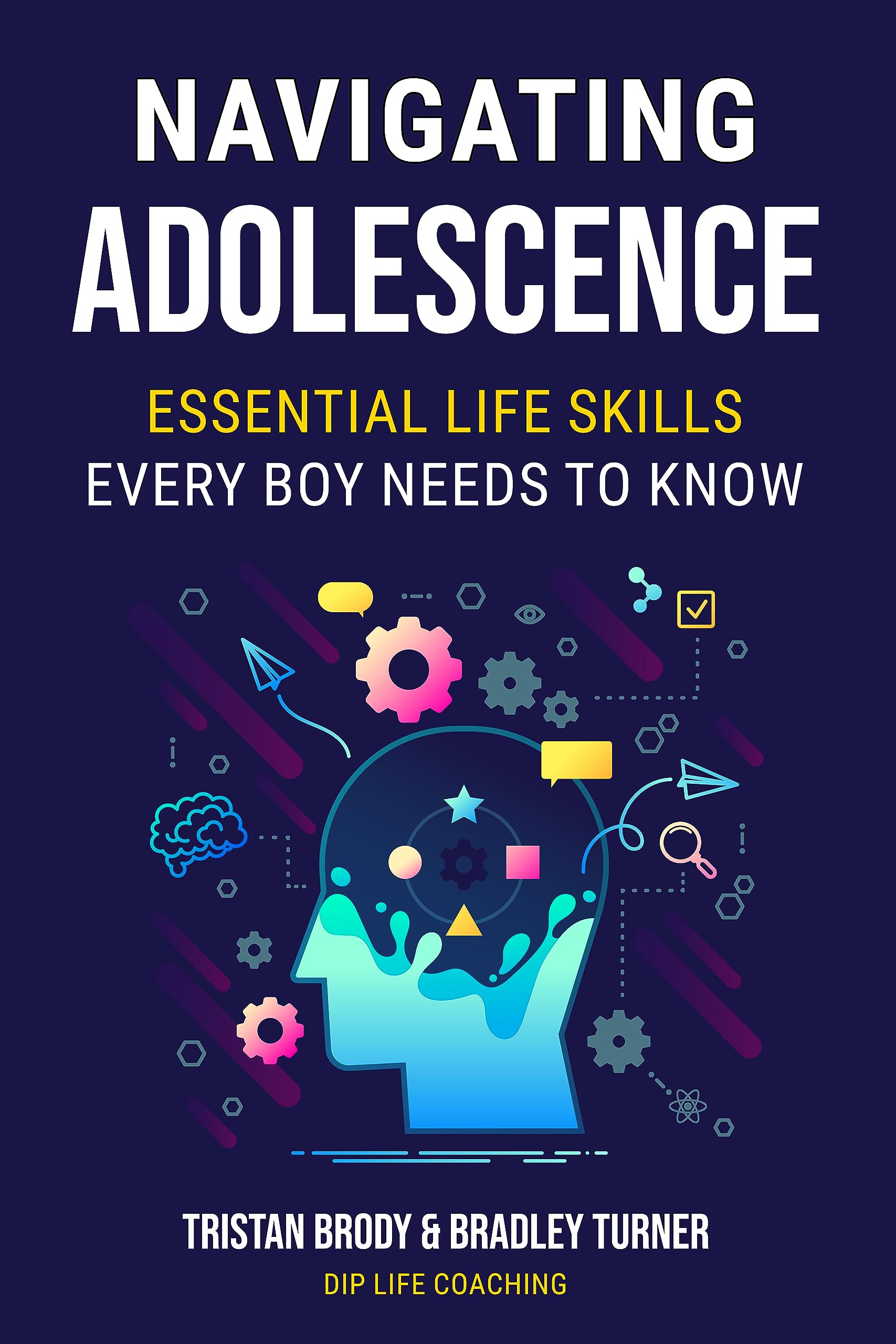
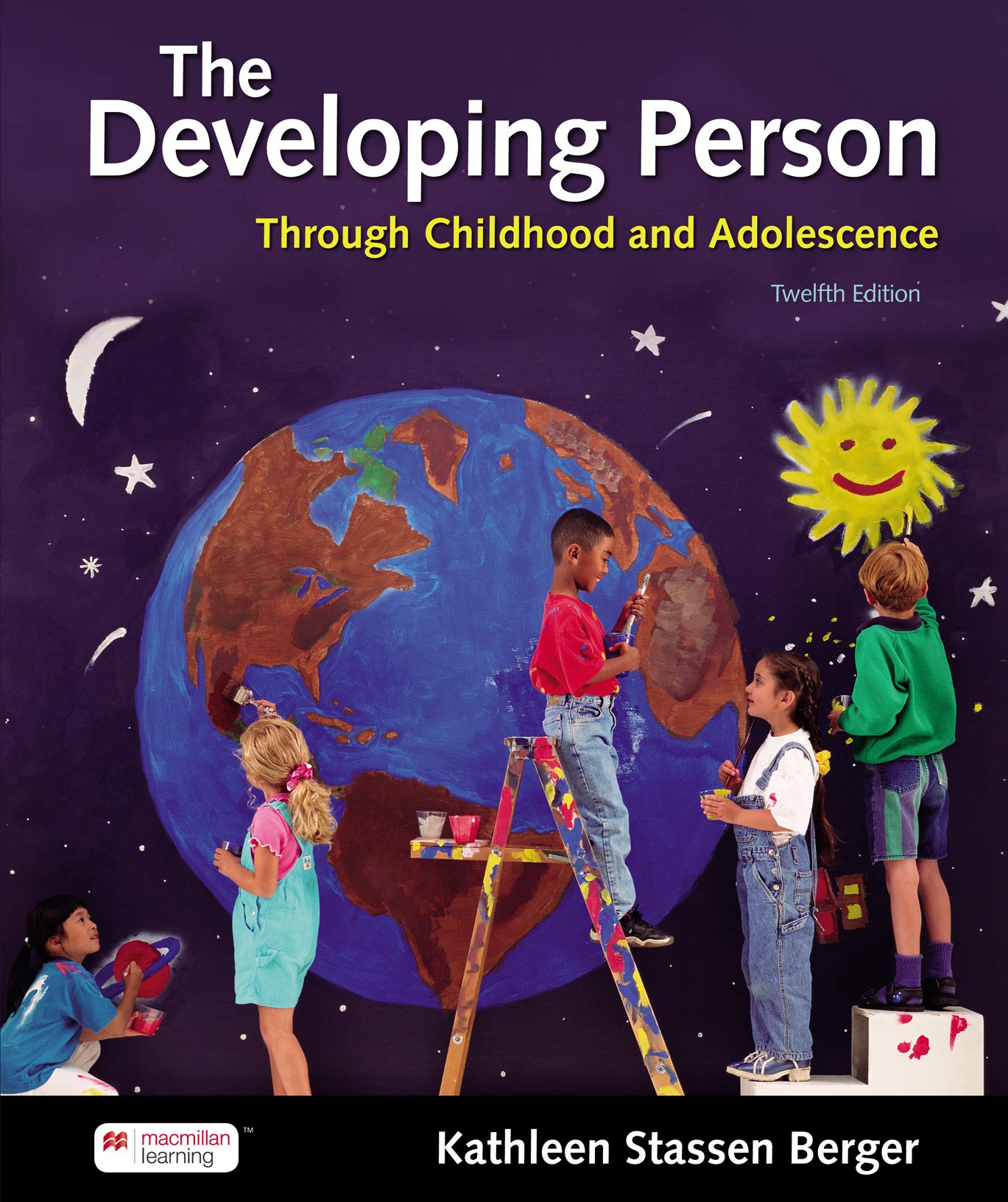
An adolescence book serves as a critical resource for understanding the complex biological, psychological, and social transitions that occur between childhood and adulthood. These texts range from neurobiological analyses and parenting manuals to young adult fiction, providing evidence-based strategies for navigating puberty, brain development, identity formation, and the unique emotional challenges of the teenage years.
The Evolving Landscape of Adolescent Literature
As of 2026, the study of adolescence has shifted from viewing the period as a time of "storm and stress" to recognizing it as a "second window of opportunity" for brain development. Literature in this field has evolved to reflect this nuanced perspective. Books focused on adolescence are no longer merely instructional manuals for behavior management; they are sophisticated guides that integrate neuroscience, sociology, and clinical psychology.
The primary goal of a high-quality adolescence book is to bridge the gap between scientific research and practical application. For parents, educators, and the adolescents themselves, these books provide a framework for understanding why certain behaviors—such as increased risk-taking, heightened emotionality, and a pull toward peer influence—are not only normal but developmentally necessary. By 2026, the integration of digital wellness and social media impacts has become a standard inclusion in these texts, reflecting the contemporary reality of the "digital native" generation.
Scientific and Neurobiological Foundations
Understanding the adolescent experience requires a foundation in the physical changes occurring within the brain. Several seminal books have defined this niche, offering deep dives into how the prefrontal cortex and the limbic system interact during the teenage years.
The Neurobiology of the Teenage Brain
Works like Dr. Frances Jensen’s The Teenage Brain (and its subsequent updated editions) remain foundational. These texts explain the concept of neuroplasticity—the brain's ability to reorganize itself by forming new neural connections. In adolescence, this process is at its peak. Books in this category detail the "pruning" of synapses and the myelination of nerve fibers, which increases the speed and efficiency of communication between brain regions.
Emotional Regulation and the Limbic System
The limbic system, responsible for emotions and rewards, matures earlier than the prefrontal cortex, which governs executive function and impulse control. This "developmental gap" is a central theme in many adolescence books. Authors like Dr. Daniel Siegel, in works such as Brainstorm, emphasize that the "rebellion" often associated with teenagers is actually a drive for novelty and social connection, driven by dopamine-heavy reward systems. Understanding this biological reality helps readers move from frustration to empathy.
Essential Categories of Adolescence Books
When seeking the right book, it is helpful to categorize them based on their primary intent and target audience. The following table provides a comparison of the most influential types of adolescence books available in 2026.
| Category | Primary Focus | Target Audience | Key Themes |
|---|---|---|---|
| Neuropsychological | Brain structure and function | Educators & Researchers | Synaptic pruning, myelination, risk-taking |
| Parenting & Guidance | Communication and boundaries | Parents & Guardians | Conflict resolution, autonomy, safety |
| Developmental Fiction | Identity and social experience | Adolescents | Belonging, self-discovery, resilience |
| Digital Wellness | Social media and technology | Parents & Teens | Algorithmic influence, mental health, privacy |
| Clinical/Mental Health | Therapy and intervention | Counselors & Parents | Anxiety, depression, coping mechanisms |
Parenting Manuals and Communication Strategies
For many, the search for an "adolescence book" is driven by a need for practical communication tools. The transition into the teenage years often disrupts established family dynamics, requiring a shift from a "managerial" style of parenting to a "consultative" one.
Building Resilience through Autonomy
Books such as Untangled by Lisa Damour or How to Raise an Adult by Julie Lythcott-Haims argue that the primary task of adolescence is the development of autonomy. These texts guide parents through the "seven transitions" of girlhood or the specific pressures facing young men. They emphasize that struggle is a prerequisite for resilience. By allowing adolescents to experience the natural consequences of their actions within a safe environment, parents help them build the self-efficacy needed for adulthood.
Effective Communication Techniques
Communication-focused books often draw on the principles of active listening and validation. Instead of offering immediate solutions to a teenager's problems, these resources teach parents how to "hold space." This involves acknowledging the intensity of adolescent emotions without judgment. The goal is to keep the lines of communication open, ensuring that the adolescent feels comfortable seeking guidance when facing high-stakes decisions regarding substances, relationships, or mental health.
Young Adult (YA) Fiction as a Tool for Empathy
While non-fiction provides the "how" and "why," fiction provides the "what it feels like." Young Adult literature is a crucial subset of adolescence books that allows teenagers to see their own experiences mirrored in text.
Fiction serves a dual purpose. For the adolescent reader, it validates their feelings of isolation, confusion, or excitement. For the adult reader, it provides a window into the contemporary adolescent psyche. In 2026, YA fiction has become increasingly diverse, tackling complex themes of intersectional identity, global climate anxiety, and the nuances of neurodivergence. Books that focus on the "coming-of-age" journey help readers process the universal themes of leaving childhood behind and the bittersweet realization that the world is more complex than it once seemed.
Addressing Mental Health and Digital Challenges
In the current year 2026, the impact of the digital environment on adolescent development is a dominant theme in literature. Research-backed books now specifically address "digital puberty"—the moment a child gains unfettered access to the internet.
Navigating the Social Media Landscape
Recent publications analyze how the "likes," "shares," and "comments" of social platforms interact with the adolescent's heightened sensitivity to peer evaluation. These books offer frameworks for "digital citizenship," teaching teens how to curate their online presence and protect their mental health from the addictive qualities of modern algorithms. They provide actionable steps for setting digital boundaries that are collaborative rather than punitive.
Identifying Mental Health Red Flags
A significant portion of adolescence books are dedicated to distinguishing between "normal adolescent moodiness" and clinical issues such as Generalized Anxiety Disorder (GAD) or Major Depressive Disorder. These resources provide checklists for parents to monitor changes in sleep patterns, appetite, social withdrawal, and academic performance. They serve as a first line of defense, guiding families toward professional help when necessary.
Frequently Asked Questions
What is the best adolescence book for a parent of a pre-teen?
For parents of pre-teens (ages 10-12), the most effective books are those that focus on the "onset" of puberty and the initial shifts in brain chemistry. Look for titles that explain the transition from concrete to abstract thinking. This helps parents prepare for the "why" questions and the beginning of social boundary-testing before they reach a fever pitch.
Can reading an adolescence book actually improve my relationship with my teen?
Yes, primarily by changing the adult's perspective. When a parent understands that a teenager's "backtalk" is often an attempt to assert independence rather than a personal attack, it reduces the parent's emotional reactivity. This allow for calmer, more rational interactions that preserve the relationship bond.
Are there adolescence books written specifically for teenagers?
Absolutely. There is a robust market for "self-help" books written directly for adolescents. These books use accessible language to explain what is happening to their bodies and brains. They often include interactive elements like journals or habit trackers to help teens manage their own stress and organizational challenges.
How do I choose between a scientific book and a parenting guide?
If your goal is to understand the "mechanics" of the teen years, choose a scientific or neuropsychological text. If you are struggling with daily conflicts, screen time battles, or emotional outbursts, a parenting guide with specific scripts and strategies will be more immediately useful. Many modern books in 2026 successfully blend both approaches.
At what age should I start reading books about adolescence?
Experts suggest starting when your child is around nine or ten. Early adolescence (the "tween" years) is when the first major hormonal shifts begin. Being proactive allows you to establish communication patterns and expectations before the more intense stages of middle and high school.
Practical Recommendations for Selecting a Resource
When selecting an adolescence book in 2026, prioritize authors with verified credentials in developmental psychology, neuroscience, or clinical social work. Avoid texts that rely solely on anecdotal evidence or that promote "quick-fix" disciplinary measures, as these often fail to account for the complex biological realities of the teenage brain.
For a comprehensive understanding, consider a "multi-book" approach: read one foundational text on brain development to understand the biology, one practical guide for communication strategies, and perhaps a highly-regarded work of contemporary YA fiction to stay connected to the emotional pulse of the generation. By diversifying your reading, you gain a holistic view of adolescence that is both scientifically grounded and deeply human.