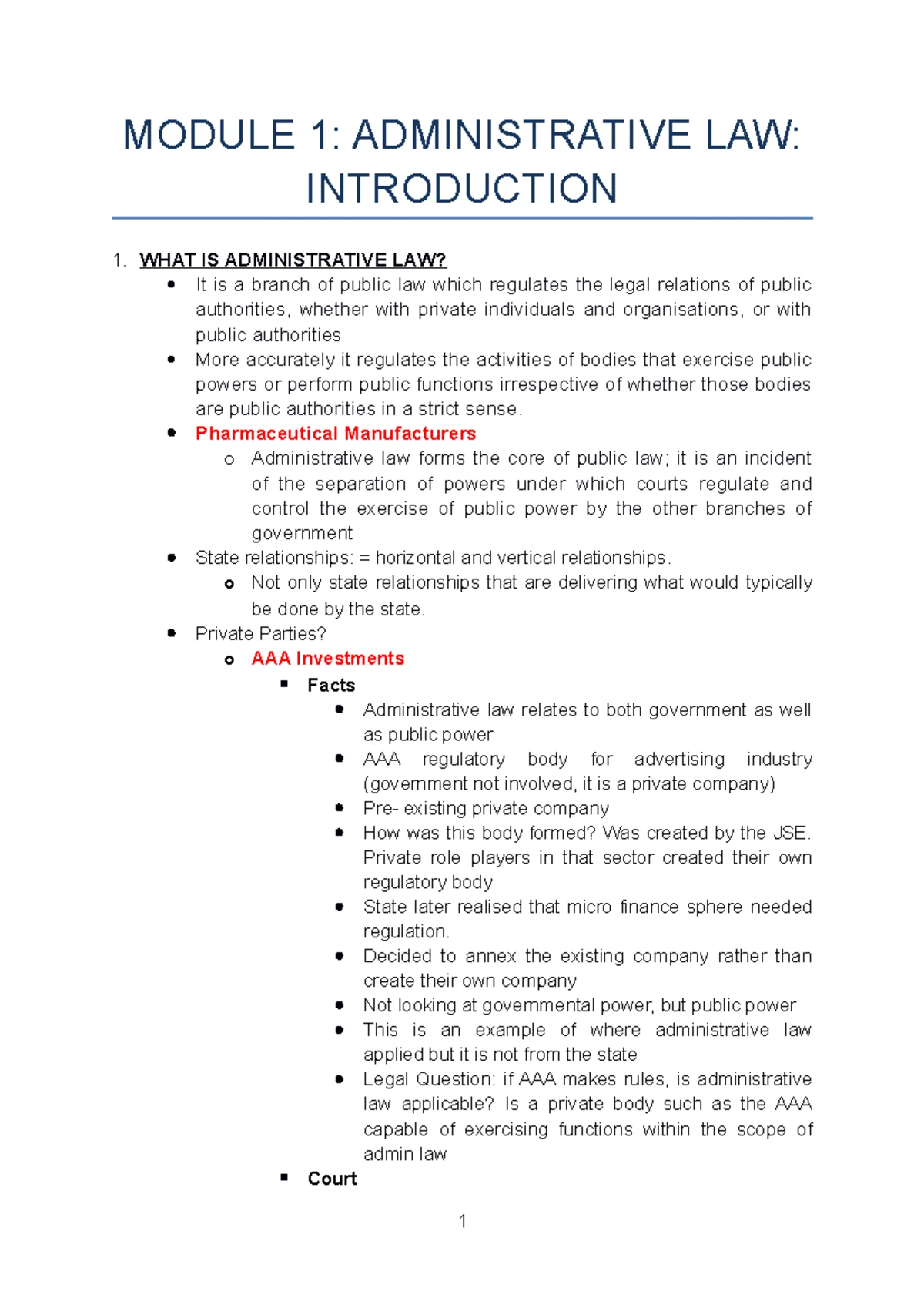
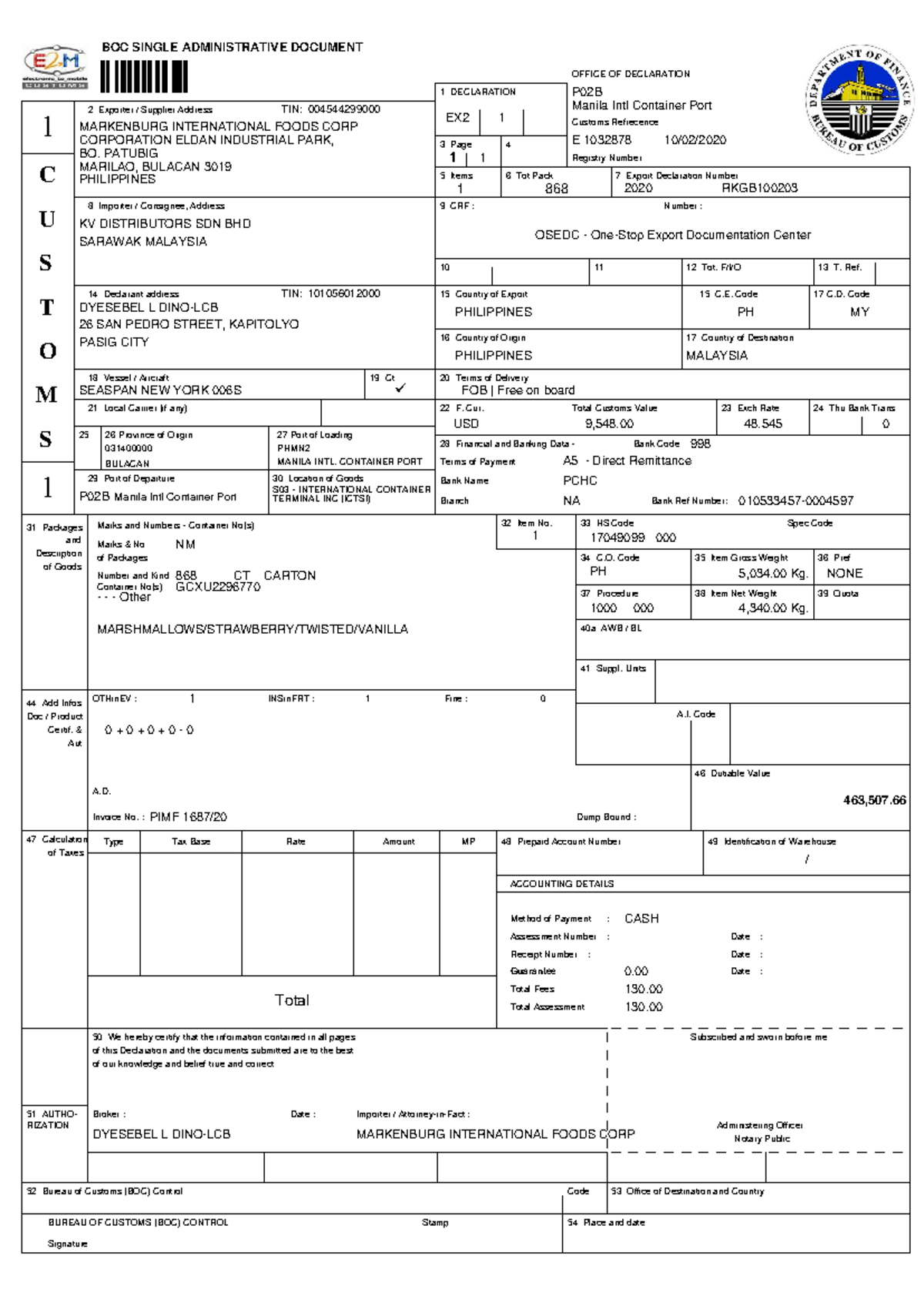
Administrative documentation serves as the vital infrastructure for organizational continuity, compliance, and internal accountability. It encompasses the structured records, internal policies, procedural manuals, and legal artifacts that define how an entity functions on a day-to-day basis. By maintaining a rigorous system for document creation, classification, and retrieval, organizations minimize operational friction and ensure that every process remains transparent and verifiable in 2026 and beyond.
The Role of Administrative Documentation in Organizational Governance
Administrative documentation is not merely a collection of paperwork; it is the institutional memory of an organization. This category includes meeting minutes, standard operating procedures (SOPs), employee handbooks, organizational charts, and internal memoranda. These documents define the boundaries of authority and the expected standards of conduct within a business or institutional setting. Without clear documentation, organizations suffer from "knowledge silos," where critical operational expertise resides only in the minds of individuals rather than within the institutional framework.
Effective governance relies on the ability to audit actions against established policies. When documentation is incomplete or inconsistent, an organization loses the ability to prove compliance with industry standards or statutory regulations. Furthermore, administrative records provide the essential trail required for dispute resolution, whether dealing with internal personnel grievances or external contractual disagreements. Maintaining these records is an essential investment in the long-term stability and defensibility of the organization.
Categorizing Administrative Records for Efficient Retrieval
To manage documentation effectively, one must distinguish between record types based on their function and lifecycle. A common mistake in administrative management is treating all documents as equal. In practice, documentation should be segmented to apply appropriate retention policies and security protocols.
Common Categories of Administrative Documentation
- Policy and Governance: Documents that establish high-level rules, such as ethics policies, health and safety regulations, and corporate bylaws.
- Procedural Documentation: Step-by-step guides, such as SOPs or workflow diagrams, that dictate how specific tasks are executed to ensure consistency.
- Operational Records: Transactional documents including meeting minutes, project status reports, attendance logs, and internal communications that track ongoing activity.
- Compliance and Legal Artifacts: Contracts, permits, regulatory filings, and certifications that serve as evidence of legal standing and regulatory adherence.
Establishing a Document Management Lifecycle
The lifecycle of a document begins at the drafting phase and concludes with its final disposition, whether that involves permanent archiving or secure destruction. Following a standardized lifecycle prevents the accumulation of "data debt," where obsolete information complicates search processes and creates security vulnerabilities.
- Creation and Approval: All administrative documents must undergo a review process to ensure accuracy and authorization. Use version control markers to prevent the use of outdated templates.
- Indexing and Metadata: Every document requires metadata (e.g., date of creation, department, security classification, owner) to facilitate rapid search and retrieval.
- Active Management: During this phase, documents are stored in accessible, secure environments, such as a cloud-based document management system (DMS) or a secure physical filing system.
- Retention and Disposition: Based on legal requirements or internal policy, define exactly how long a document must be kept. Once the retention period expires, files should be moved to archival storage or destroyed according to data privacy guidelines.
| Feature | Digital Document System | Physical Filing System |
|---|---|---|
| Searchability | High (Keyword-based) | Low (Categorical/Manual) |
| Space Required | Minimal (Cloud/Server) | High (Physical storage) |
| Access Control | Role-based permissions | Physical locks/logs |
| Integrity | Version tracking enabled | Susceptible to alteration/loss |
| Disaster Recovery | High (Cloud backups) | Low (Fire/theft risk) |
Technical and Security Considerations for Records
In 2026, the risk of data leakage and unauthorized access is a primary concern for administrative management. Digital documentation is often the target of cyberattacks, meaning that storage solutions must be hardened with robust encryption and multi-factor authentication. Administrators must balance the need for accessibility—ensuring authorized personnel can find what they need—with the need for security.
Data privacy regulations often dictate how long sensitive administrative records, particularly those containing personal employee or client information, can be retained. Administrators must ensure that documentation systems are compliant with these local and regional standards. Regular audits should be conducted to ensure that sensitive documents are not being retained beyond their statutory requirement, as unnecessary data retention increases the potential impact of a data breach.
Addressing Common Management Challenges
The most frequent hurdle in maintaining administrative records is "documentation fatigue," where employees neglect to update or file records because the process is overly burdensome. To combat this, keep documentation procedures as simple as possible. Automation can significantly reduce this burden. For example, using automated workflows for approval processes ensures that records are created and logged in the correct digital repository without manual intervention.
Another common failure point is the lack of a "Source of Truth." If multiple versions of a policy exist in different locations (e.g., one on a shared drive, one in email, one printed), personnel will inevitably rely on incorrect information. Establish a single, authoritative digital location for all final, approved versions of administrative documents, and strictly discourage the practice of saving local copies on individual workstations.
Frequently Asked Questions
What constitutes the core of administrative documentation?
The core consists of policy documents, standard operating procedures, and governance records. These define how an organization operates and provide the necessary evidence to demonstrate that the organization is following its own rules and applicable laws.
How often should administrative documents be reviewed?
Reviews should occur according to a set schedule—typically annually—or triggered by significant organizational changes. If a process is modified, the associated SOP or documentation must be updated immediately to prevent the use of obsolete guidance.
What is the primary difference between records and documents?
A document is typically a working file that is subject to change, such as a draft policy. A record is a document that has been finalized, approved, and preserved as evidence of an action or decision. Records are generally not subject to change after they are filed.
How can I improve document accessibility in a large organization?
The key is to implement a robust metadata and taxonomy system. If every document is tagged consistently with attributes like "Department," "Type," and "Date," search tools will return highly relevant results, effectively eliminating the time lost searching through folder hierarchies.
Are there legal requirements for document retention?
Yes, most jurisdictions have statutory requirements for how long certain types of records—such as payroll, tax filings, and corporate governance documents—must be retained. You should consult local laws or your legal department to establish a retention schedule that meets these obligations.
Implementing a Sustainable Document Strategy
To successfully manage administrative documentation, begin by conducting a comprehensive audit of your current assets. Identify which documents are active, which are obsolete, and which are required for legal or historical purposes. Once your current landscape is mapped, implement a centralized document management solution that mandates version control and clear naming conventions. Consistency is more important than complexity; a simple, universally applied filing structure is significantly more effective than a sophisticated system that users find too difficult to follow. Assign clear ownership for each document category so that when changes occur, the responsibility for updating and archiving rests with a designated individual. By treating documentation as a vital asset rather than a background task, you ensure your organization remains resilient, compliant, and efficient.