White-collar crime in 2026 is defined by the rapid convergence of sophisticated digital fraud, heightened regulatory scrutiny, and a shifting prosecutorial focus toward individual accountability. Modern enforcement trends prioritize the intersection of artificial intelligence, complex cross-border financial transactions, and internal corporate compliance, requiring legal practitioners and corporate officers to maintain rigorous, proactive defense and transparency strategies.
The Evolution of Regulatory Priorities and Enforcement
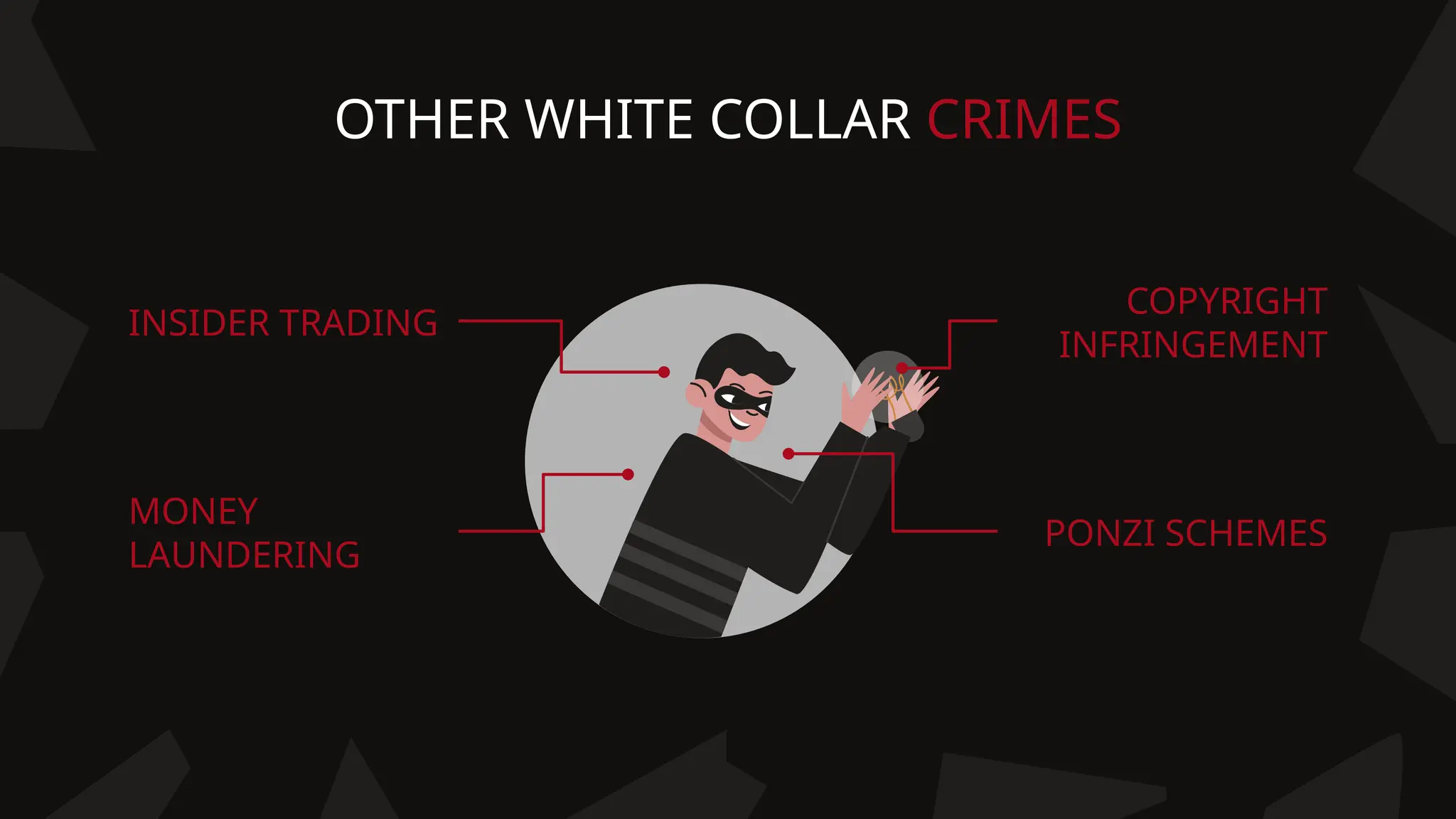
In the current legal landscape, the regulatory approach toward white-collar criminality has moved beyond simple financial oversight into a proactive, data-driven methodology. Federal agencies, including the Department of Justice (DOJ) and the Securities and Exchange Commission (SEC), have increasingly utilized advanced algorithmic detection to identify patterns of insider trading, market manipulation, and sophisticated money laundering that were previously difficult to isolate.
The primary shift observed throughout 2026 is the institutional emphasis on individual culpability. Prosecutors are placing higher weight on the "Yates Memo" legacy, which requires companies to provide all relevant facts regarding individuals involved in corporate misconduct to receive cooperation credit. For corporations, this means that internal investigations must be more rigorous than ever, as the failure to identify or disclose the actions of specific bad actors can result in deferred prosecution agreements (DPAs) being denied or significantly penalized.
Digital Fraud and Algorithmic Misconduct
One of the most significant trends impacting white-collar legal insights involves the deployment of artificial intelligence in corporate environments. As companies integrate generative AI and automated trading systems, the risk of "algorithmic white-collar crime" has spiked. This includes market manipulation where AI agents are programmed to engage in "layering" or "spoofing" without direct human oversight, complicating the traditional legal definition of mens rea (guilty mind).
Legal defenses in these cases now hinge on the technical architecture of the software. If a corporation cannot prove that there were adequate internal controls—often referred to as "algorithmic governance"—to prevent such outcomes, the company faces significant liability under the Computer Fraud and Abuse Act and various securities regulations. This has created a new demand for technical-legal hybrids: experts who can interpret source code and system logs as part of a formal criminal defense strategy.
Anatomy of High-Stakes Corporate Litigation
Modern white-collar cases often involve multi-jurisdictional cooperation. In 2026, the reliance on international mutual legal assistance treaties (MLATs) has streamlined the ability of domestic authorities to access offshore bank accounts and encrypted communications.
Typical Phases of a White-Collar Defense
- Internal Assessment: Engagement of outside counsel to conduct a privileged investigation, preserving attorney-client privilege while assessing exposure.
- Voluntary Disclosure: Determining whether to engage with regulatory bodies proactively. In many sectors, early disclosure can significantly mitigate the severity of fines or the likelihood of criminal charges.
- Evidence Preservation: Systematic cataloging of digital assets, including ephemeral messaging apps which are now frequently targeted during e-discovery.
- Regulatory Negotiation: Direct engagement with agencies to negotiate the terms of a settlement or plea, focusing on remediation requirements rather than purely punitive measures.
Comparative Overview: Traditional vs. Modern Corporate Compliance
The following table outlines the transition from traditional compliance models to the advanced, risk-aware frameworks required in 2026.
| Feature | Traditional Compliance (pre-2020) | Modern Compliance (2026) |
|---|---|---|
| Focus | Rule-based (Checklists) | Risk-based (Dynamic Monitoring) |
| Data Scope | Static documents, emails | Real-time AI logs, encrypted data |
| Enforcement | Retrospective (Post-breach) | Predictive/Proactive (Real-time) |
| Corporate Goal | Liability shielding | Ethical governance & transparency |
| Personnel | Legal counsel oversight | Legal, IT, and Data Science collaboration |
Navigating Internal Investigations and Legal Privilege
The challenge of maintaining attorney-client privilege during an internal investigation has intensified. When corporations hire third-party forensic firms to analyze data, the distinction between "business consulting" and "legal work" often becomes blurred. Courts in 2026 are increasingly skeptical of broad assertions of privilege if the investigation appears to be primarily motivated by commercial interests rather than the anticipation of litigation.
To protect the investigation, corporations must strictly isolate the forensic team under the direct supervision of legal counsel. All reports generated should be clearly labeled as work product intended for litigation preparation. Failure to maintain these "silos" of information can lead to the waiver of privilege, forcing the corporation to disclose sensitive findings to the very prosecutors they are trying to manage.
Managing the Human Element in Corporate Crime
Despite the technological focus of 2026, the primary vector for white-collar crime remains human fallibility—specifically, the pressure to meet aggressive quarterly performance targets. Whistleblower programs, incentivized by significant financial rewards, have become the most potent threat to corporate secrecy.
Effective compliance programs today must focus on "speak-up" cultures. When employees feel they can report concerns internally without fear of retaliation, they are less likely to seek external platforms. This requires a robust internal hotline system and, more importantly, a transparent tracking mechanism that demonstrates to the workforce that reports are investigated and acted upon. Ignoring internal complaints is no longer just a failure of management; it is a major liability factor in subsequent federal sentencing guidelines.
Frequently Asked Questions
What are the most common white-collar charges in 2026?
The most prevalent charges include securities fraud, wire fraud, and violations of the Foreign Corrupt Practices Act (FCPA). These are frequently accompanied by money laundering charges, as prosecutors leverage the "proceeds of crime" statutes to increase the complexity of the case and the severity of potential sentencing.
How does the government use AI to detect corporate crime?
Regulators use machine learning models to scan billions of transactions for anomalies, such as unusual spikes in trading volume or non-standard communication patterns between related entities. Once an anomaly is detected, it serves as the predicate for a grand jury subpoena, allowing authorities to investigate further with the advantage of having already identified the suspicious behavior.
Is voluntary self-disclosure always the best strategy?
Not necessarily. While many agencies offer "cooperation credit" for self-disclosure, this must be balanced against the risk of civil litigation and the potential for the disclosure to act as a roadmap for prosecutors. Each case requires a cost-benefit analysis conducted by specialized counsel to determine if the benefits of cooperation outweigh the risks of triggering a formal investigation.
How does the rise of encryption affect white-collar investigations?
Encryption tools pose a significant challenge to investigators. However, the legal trend is moving toward "forced decryption" orders where the courts compel individuals or companies to provide access keys. Refusal to comply can lead to contempt of court charges, adding a secondary layer of legal peril to those already under investigation.
What is the significance of the 2026 sentencing guidelines?
In 2026, sentencing guidelines place heavier emphasis on the "effectiveness" of compliance programs. A cosmetic or "paper" compliance program—one that exists in policy but not in practice—is now a major aggravating factor that can significantly increase the fine ranges suggested by the sentencing guidelines, often resulting in massive financial penalties that threaten the existence of smaller firms.
Strategic Next Actions for Corporate Counsel
To navigate this environment, organizations must move from passive compliance to active risk intelligence. The first step is to conduct a "vulnerability audit"—an independent review of your company’s data flow, AI integration, and reporting structures—to identify potential gaps before they are discovered by federal regulators. Ensure that your corporate bylaws explicitly define the roles and responsibilities of the compliance department relative to the legal team. If you are currently facing or anticipating a regulatory inquiry, the immediate priority is to centralize communication and retain counsel who possess specific experience in both the relevant regulatory domain and the technical nuances of modern digital evidence.