The Adkins family name is a patronymic surname of Middle English origin, meaning "son of Adkin," where "Adkin" is a diminutive form of the biblical name Adam. Historically rooted in the British Isles, the lineage saw significant expansion during the 17th and 18th centuries, particularly within the Appalachian regions of North America, where the family remains culturally and numerically prominent in 2026.
Etymology and the Evolution of the Adkins Surname
The linguistic foundations of the Adkins name trace back to the medieval period in England. To understand the name's evolution, one must look at the naming conventions of the 13th and 14th centuries. During this era, pet names and diminutive forms were exceptionally common. "Ade" was the standard short form of Adam, and the suffix "-kin" was added to denote "little" or "son of," similar to the German "-chen" or the Dutch "-tje."
Over centuries, the name underwent several phonetic and orthographic shifts. While "Atkins" (with a 't') became the more prevalent spelling in many parts of England, "Adkins" (with a 'd') emerged as a distinct branch. These variations were often the result of regional accents or the phonetic interpretations of parish clerks and census takers. In some historical records, the same individual might appear as "Atkyn," "Adkyns," or "Atkinson" across different documents.
The core meaning of the name—connected to Adam—carries the Hebrew significance of "red earth." This biblical connection made the name popular throughout Christendom, but the specific "Adkins" configuration is quintessentially British. By the time surnames became hereditary and fixed, the Adkins family had established itself as a distinct group, primarily concentrated in the southern and midland counties of England before the era of mass migration.
Early Roots in the British Isles
Historical documentation of the Adkins family appears as early as the 13th century. Early records, such as the Subsidy Rolls and the Hundred Rolls of 1273, mention individuals like William Adekyn in Cambridgeshire and Thomas Atkyns in Somerset. These records were primarily tax documents, indicating that the family was part of the land-holding or merchant classes of the time.
The family distribution in England was notably concentrated in:
- Norfolk and Suffolk: Where maritime trade and agriculture allowed the name to flourish.
- The West Country: Particularly Somerset and Gloucestershire, where various branches held manor seats.
- Staffordshire and the Midlands: Where the name became associated with the rising industrial and artisanal classes of the late medieval period.
During the English Civil War and the subsequent periods of religious upheaval, many Adkins families found themselves aligned with dissenting religious groups. This ideological positioning often served as the catalyst for their departure to the New World, seeking either land grants or religious freedom in the burgeoning American colonies.
The Great Migration: Adkins Families in North America
The arrival of the Adkins family in North America marks a pivotal chapter in the lineage’s history. The earliest recorded Adkins immigrants landed in the Virginia Colony during the mid-1600s. Unlike the wealthy aristocrats who received massive "headrights" (land grants), many early Adkins arrived as indentured servants or small-scale farmers looking to capitalize on the tobacco boom.
One of the most significant ancestral figures is William Adkins (born circa 1690), whose descendants populated much of the Virginia and North Carolina backcountry. As the coastal lands became overcrowded and soil exhaustion from tobacco farming set in, the Adkins family moved westward. They were among the first "pioneer" families to cross the Blue Ridge Mountains into the Shenandoah Valley and eventually into the rugged terrain of the Appalachian Plateau.
By the late 1700s, the Adkins name was firmly established in what would become West Virginia and Kentucky. This migration was not merely a movement of people but a transplantation of culture. The Adkins families brought with them the folkways, musical traditions, and agricultural practices of the British Isles, which would eventually synthesize into the unique Appalachian identity.
The Appalachian Connection and Regional Identity
In 2026, the Adkins name is perhaps most strongly associated with the geography of Central Appalachia, specifically Southwestern West Virginia, Eastern Kentucky, and Southern Ohio. For many genealogists, the "Adkins" search is synonymous with the history of Wayne, Cabell, and Kanawha counties in West Virginia.
The family’s dominance in this region is the result of large family units and a tendency to settle in "clans." Throughout the 19th century, Adkins men and women were integral to the timber and coal industries. They were also active participants in the American Civil War, with family members serving on both sides of the conflict, reflecting the fractured loyalties of the border states.
The regional identity of the Adkins family is characterized by:
- Land Tenure: Long-standing ownership of "hollows" and farms that remained in the family for five or more generations.
- Naming Patterns: A strong tradition of honoring ancestors through the repetition of first names (e.g., Parker, Sherwood, Hezekiah), which, while culturally significant, often presents a "brick wall" for modern genealogical researchers.
- Community Leadership: Adkins family members have historically served as sheriffs, ministers, and local educators, cementing their role as a "foundational" family in their respective counties.
Comparative Variations and Distribution
The following table illustrates the distribution and variations of the Adkins name across different jurisdictions as of current 2026 data.
| Region | Primary Spelling | Estimated Frequency | Historical Stronghold | Notable Ancestral Link |
|---|---|---|---|---|
| United Kingdom | Atkins | High | Norfolk / Somerset | Medieval Land Rolls |
| United States (Appalachia) | Adkins | Very High | West Virginia / Kentucky | 18th Century Pioneer Settlers |
| United States (South) | Adkinson / Atkinson | Moderate | Georgia / Carolinas | Coastal Plantation Workers |
| Canada | Adkins | Low | Ontario | United Empire Loyalists |
| Australia | Atkins | Moderate | New South Wales | 19th Century Immigrants |
Understanding Adkins DNA and Genetic Genealogy
In the decade leading up to 2026, DNA testing has revolutionized how we understand the Adkins family tree. Because the Adkins name is a "surname of multiple origins"—meaning different unrelated men could have adopted the name independently based on their father's name (Adam)—genetic testing is essential for verifying lineage.
The Adkins Y-DNA Project (typically hosted on platforms like FamilyTreeDNA) has identified several distinct "haplogroups" associated with the name. The most common is R-M269, a lineage frequent in Western Europe. However, by testing the Y-chromosome (passed from father to son), researchers have been able to distinguish between:
- The "Sandy River" Adkins: A specific genetic cluster localized to the borders of WV and KY.
- The "English Midlander" Branch: Families who remained in the UK or migrated directly to industrial hubs like Pennsylvania or Ohio.
- The "Viking" Connection: Some Adkins branches carry the I-M253 haplogroup, suggesting Norse ancestry that likely entered the British Isles during the Danelaw period.
For modern family members, autosomal DNA testing (like that provided by AncestryDNA) is often used to resolve "non-paternal events" or to find "lost" branches of the family that moved west during the Gold Rush or the Great Depression.
Researching Your Adkins Ancestry: Resources and Strategies
Tracing an Adkins lineage requires a combination of traditional paper-trail research and modern digital tools. Because the name is so common in certain regions, researchers must be diligent to avoid "merging" two different men of the same name.
Step 1: Utilize Specialized Archives
Beyond general sites like Ancestry.com, researchers should consult the West Virginia Department of Arts, Culture and History, which houses extensive vital records, and the Library of Virginia for early colonial land grants and tithable lists.
Step 2: Analyze Naming Conventions
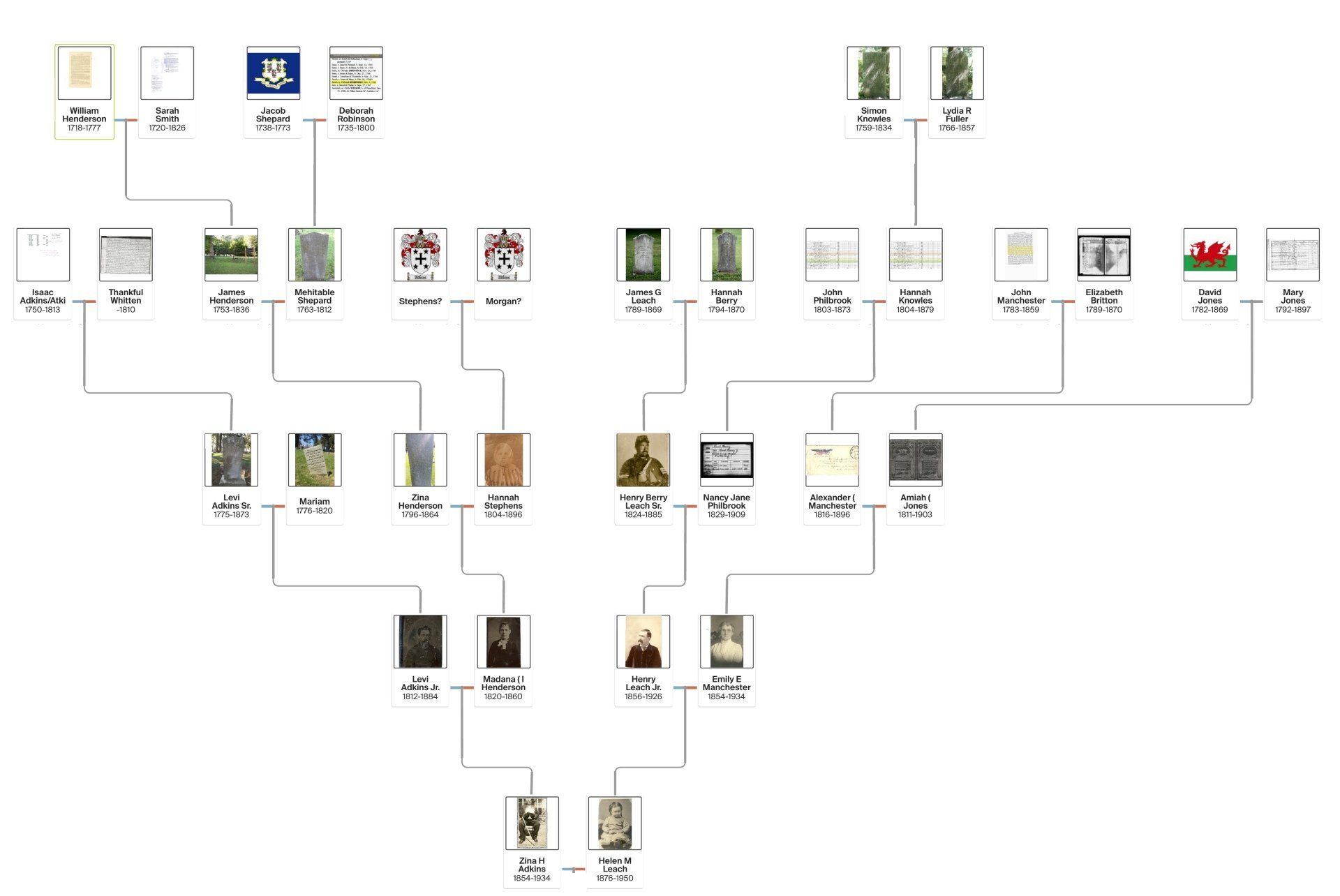
The Adkins family often used "naming patterns" (e.g., first son named after paternal grandfather, second son after maternal grandfather). Identifying these patterns can help confirm parentage when birth records are missing.
Step 3: Local History Societies
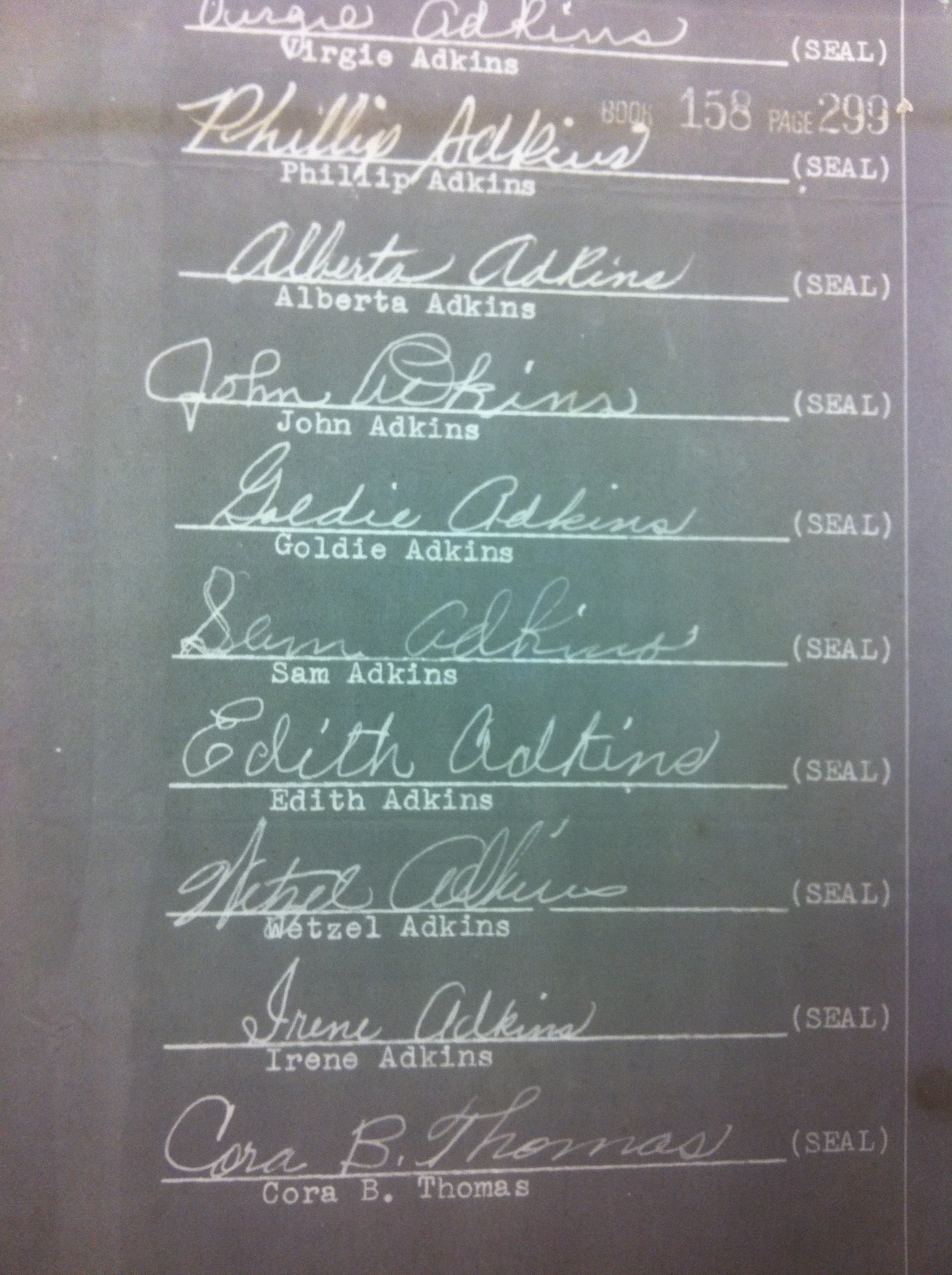
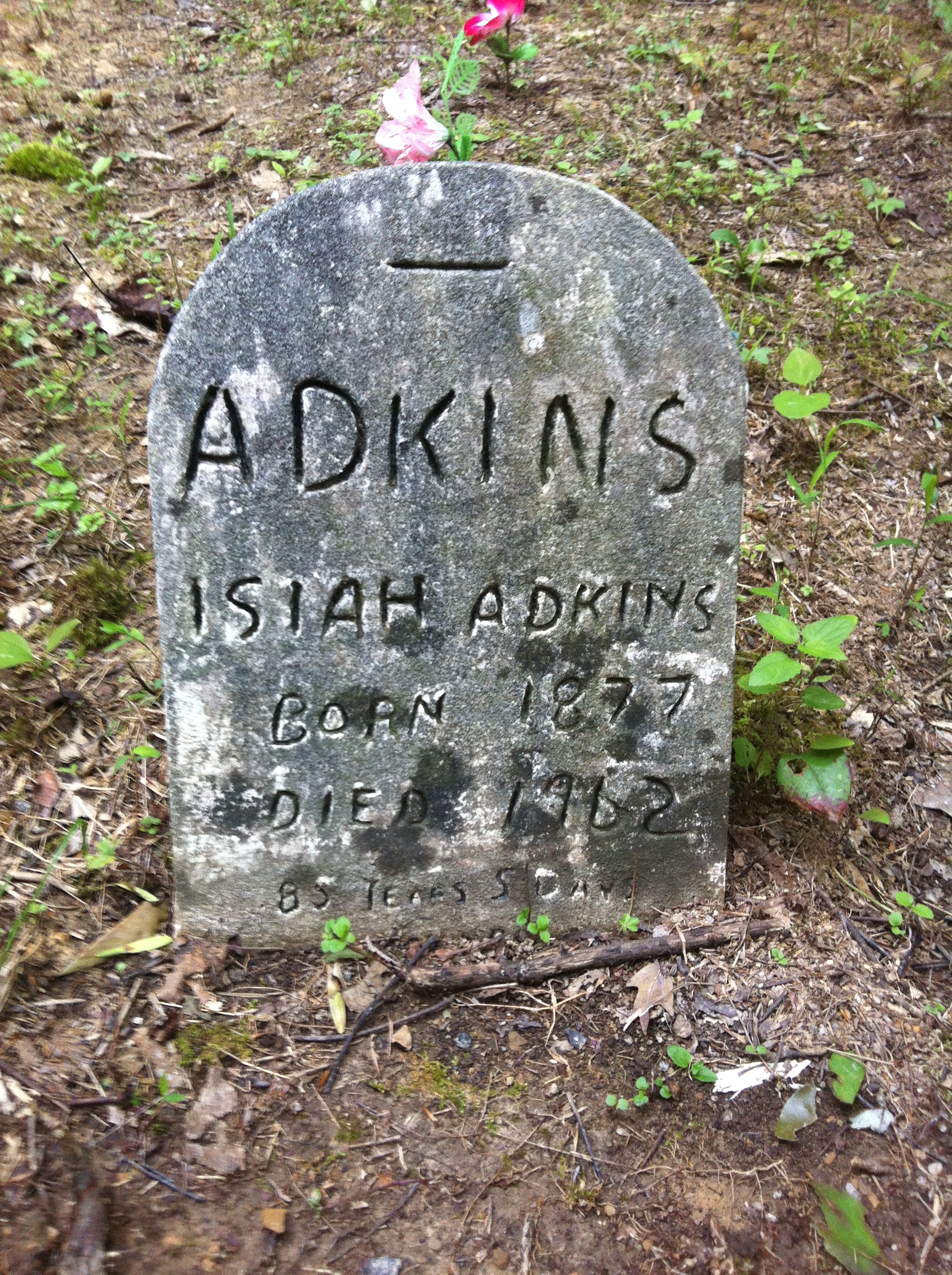
Organizations like the Wayne County Genealogical and Historical Society in West Virginia offer localized knowledge that is often not digitized. These groups maintain records of "family cemeteries" located on private land—often the only place where early Adkins burials are recorded.
Common Obstacles in Adkins Genealogy
The primary difficulty in Adkins research is the "Same Name/Same Place" phenomenon. In 1850s Wayne County, Virginia (now WV), there were often multiple men named "William Adkins" of similar ages living in the same district. Resolving these requires:
- Land Deed Analysis: Checking who sold land to whom; land often stayed within the family or was split among heirs.
- Witness Lists: Looking at who signed as witnesses on marriage bonds or wills; these were almost always close relatives or neighbors.
FAQs About the Adkins Family
Is there an official Adkins Coat of Arms?
In heraldry, coats of arms are granted to individuals, not surnames. While several Atkins/Adkins families in England were granted arms (notably those in Somerset and Yelverton), a person today can only claim them if they can prove direct male-line descent from the original grantee. Many "Family Crests" sold online are generic illustrations associated with the name but not legally tied to all family members.
What is the most common origin of the Adkins family in the U.S.?
The vast majority of American Adkins families trace their roots to 17th or 18th-century English immigrants who settled in the Tidewater or Piedmont regions of Virginia before migrating into the Appalachian Mountains.
How are Trace Adkins and other celebrities related to the broader family?
Notable figures like country singer Trace Adkins share the same ancestral roots in the American South. While the specific connections require detailed tree-mapping, they are part of the broader migration pattern of Adkins families moving from the Virginia/Carolina area into the Deep South (Louisiana/Arkansas) or the Midwest.
Are Adkins and Atkinson the same family?
Not necessarily. While they share the same etymological root ("son of Adkin/Atkin"), they often represent different branches that stabilized their spelling centuries ago. However, in the 1700s, these names were often used interchangeably in records, so researchers should check both spellings.
Where can I find the largest concentration of the Adkins family today?
In 2026, the highest density of the Adkins surname remains in West Virginia, followed by Ohio, Kentucky, and Virginia. This reflects the historical settlement patterns of the 1800s.
Recommended Next Actions for Family Historians
If you are beginning your journey into the Adkins family history, your first priority should be oral history. Interview the oldest living members of your family to capture names of "home places," local cemeteries, and stories of migration. Because the Adkins family is so deeply rooted in specific Appalachian and Southern locales, these anecdotes often provide the clues needed to bypass record gaps caused by courthouse fires or lost census pages.
Once you have a basic tree, consider participating in a Y-DNA test if you are a male Adkins, or an autosomal test if you are not. Joining a "Surname Project" will allow you to compare your results with hundreds of others, potentially identifying which specific "Adkin" of the 1700s is your founding ancestor. Finally, visit the local historical societies in the counties of West Virginia or Kentucky where your ancestors lived; the physical connection to the land is a vital part of understanding the Adkins legacy.