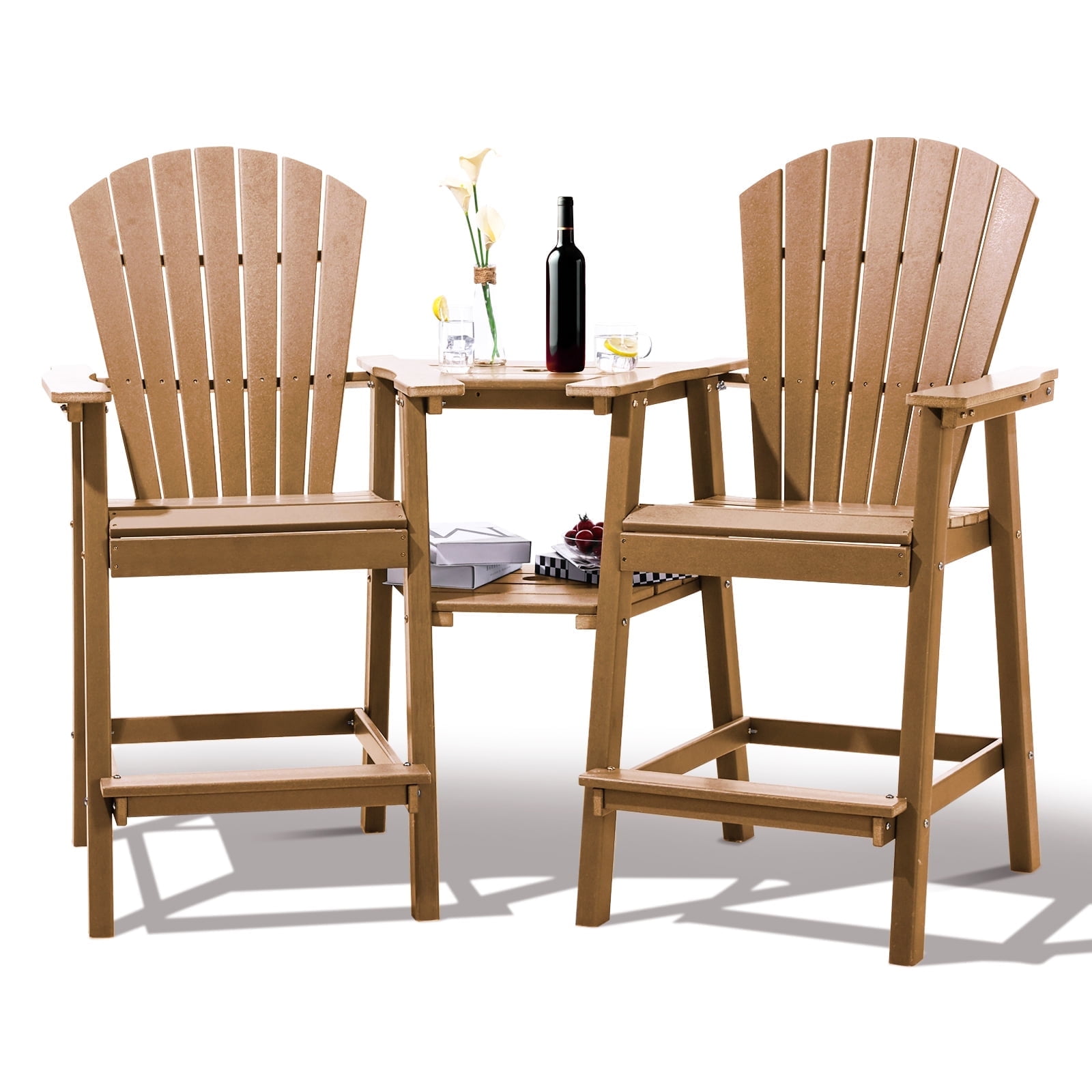
Adirondack chairs remain a timeless staple of outdoor design, offering deep-pitched seating, wide paddle armrests, and an iconic sloping silhouette that prioritizes relaxed ergonomics. Selecting the right pieces involves balancing traditional wood craftsmanship with modern high-density polyethylene polymers to achieve a blend of aesthetic appeal and long-term garden durability.
The evolution of outdoor living spaces has transformed the classic wooden backyard seat into a sophisticated design element. While Thomas Lee designed the precursor to the modern Adirondack chair in 1903 in Westport, New York, contemporary homeowners face a broader array of choices. Modern manufacturing brings together weather-resistant synthetic lumber, ergonomic contouring, and diverse color palettes, ensuring that patios, fire pit areas, and garden lawns feature seating that withstands seasonal elements while elevating exterior decor.
Understanding the Evolution and Anatomy of the Classic Adirondack Chair
The defining physical characteristics of an Adirondack chair include a low seat height, a raked backrest, and exceptionally wide armrests designed originally to hold a cup or a book. Traditional models were constructed from localized woods such as hemlock, pine, or cedar. Over time, builders recognized that the deep recline and low center of gravity distributed body weight evenly, reducing pressure points during long hours of outdoor lounging.
Modern interpretations preserve these foundational ergonomic angles while refining the joinery and material science. Traditional wooden variants rely on mortise-and-tenon construction or marine-grade stainless steel hardware to prevent rust bleeding. Meanwhile, contemporary synthetic variants mimic the natural wood grain texture while offering structural integrity that resists splintering, cracking, and rot. Understanding these structural elements helps buyers evaluate whether a chair will remain stable on uneven lawn surfaces or patio pavers.
Material Selection: Balancing Aesthetic Warmth with Long-Term Durability
Material choice dictates both the visual weight of your garden furniture and its ongoing maintenance requirements. The market divides primarily into natural hardwoods and engineered polymers, each presenting distinct performance profiles across seasonal weather shifts.
| Material Type | Primary Advantages | Typical Maintenance Requirements | Estimated Lifespan |
|---|---|---|---|
| Western Red Cedar / Teak | Natural grain aesthetics, inherent decay resistance, biodegradable | Annual staining, oiling, or sealing to preserve color | 15–25 years (with care) |
| HDPE (High-Density Polyethylene) | Weatherproof, fade-resistant, color-infused throughout | Occasional washing with mild soap and water | 25+ years (often lifetime warranties) |
| Pressure-Treated Pine | Budget-friendly initial cost, easy to paint or customize | Regular sealing and repainting to prevent warping | 5–10 years |
| Polymer-Coated Metals (Steel/Aluminum) | Industrial modern aesthetic, lightweight frames | Checking for powder-coat chips and rust spots | 10–20 years |
High-Density Polyethylene (HDPE), commonly referred to as poly lumber, has transformed durable garden furniture standards. Unlike painted wood, HDPE lumber is colored through its entire thickness, meaning scratches do not expose a contrasting base material. Furthermore, it does not absorb moisture, eliminating the risk of mold growth, mildew staining, and insect infestation that typically plague traditional timber in humid climates.
Evaluating Comfort and Ergonomic Specifications
While visual style drives initial selection, physical comfort determines whether outdoor seating actually gets used. Poorly proportioned Adirondack chairs can create knee strain or force an awkward neck angle due to an overly aggressive back rake.
When evaluating stylish outdoor seating options, look for specific ergonomic adjustments:
- Seat Depth and Angle: A seat depth between 18 and 20 inches accommodates most adults comfortably, while a slight upward tilt at the front edge prevents sliding forward.
- Backrest Slat Contouring: Flat vertical slats can create pressure along the spine; contoured or fan-backed slats distribute pressure evenly across the back muscles.
- Armrest Dimensions: Armrests should measure at least 5 to 6 inches wide to serve as a stable platform for beverages, plates, or books without requiring an auxiliary side table.
- Footprint and Stability: Wider leg stances prevent tipping when sitting down or standing up, particularly when the chair rests on unpaved lawn, gravel, or mulch beds.
Integrating Adirondack Seating into Modern Landscape Design
Styling garden furniture requires thoughtful consideration of scale, color harmony, and spatial arrangement. Traditional dark forest green or natural cedar tones blend seamlessly into woodland gardens and rustic landscape designs. In contrast, crisp white, navy blue, or vibrant citrus-colored poly chairs create a striking modern contrast against minimalist concrete patios, slate pavers, and manicured lawns.
Clustering four chairs in a circular formation around a central fire pit or low coffee table encourages conversational gathering. For smaller balconies or restricted patio footprints, folding or vertical-stacking Adirondack variations provide space-saving convenience without sacrificing the characteristic deep-recline aesthetic. Pairing these chairs with weather-resistant Sunbrella cushions or complementary foot ottomans extends their usability from crisp autumn evenings to warm summer afternoons.
Maintenance and Seasonal Care Protocols
Protecting your investment in outdoor furniture ensures structural safety and sustained visual appeal over years of exposure to ultraviolet radiation, rain, and freezing temperatures.
For wooden garden furniture, inspect joints annually for loose screws or bolts, tightening them gently to prevent stripped threading. Apply a transparent UV-inhibiting penetrating oil or a high-grade exterior sealant at the start of each spring season to prevent moisture penetration and silver-grey weathering, unless a weathered patina is explicitly desired.
For synthetic HDPE chairs, maintenance is significantly simpler. Because polymers do not rot or corrode, seasonal care consists of washing down the surfaces with a mixture of warm water, mild dish soap, and a soft-bristle brush to remove pollen, dust, and organic debris. Avoid using high-pressure power washers at close range, as excessive water pressure can etch the surface texture of synthetic wood grain. During prolonged winter storage, covering chairs with breathable, waterproof covers prevents wind-blown debris accumulation and reduces spring cleaning efforts.
Frequently Asked Questions
Can Adirondack chairs be left outside all year round?
Yes, particularly if they are constructed from high-density polyethylene (HDPE) or weather-resistant hardwoods like teak and cedar. However, using breathable outdoor furniture covers during harsh winter months or prolonged freezing periods prevents structural strain from accumulated ice and minimizes seasonal cleaning requirements.
Are synthetic poly lumber chairs heavier than wooden ones?
Poly lumber chairs are generally heavier than traditional cedar or pine versions because high-density polyethylene has a higher material density. This added weight is a distinct advantage in windy coastal environments or open garden spaces, as it prevents the chairs from blowing over during severe storms.
What is the ideal angle for an Adirondack chair backrest?
Most ergonomic Adirondack chairs feature a backrest angle between 100 and 105 degrees relative to the seat. This specific recline relieves pressure on the lower lumbar region while keeping the head upright enough for reading or casual conversation.
How do I clean stubborn stains off white poly outdoor furniture?
Stubborn stains such as bird droppings, tree sap, or mold can be cleaned using a mixture of equal parts water and white vinegar, or a specialized outdoor furniture cleaner applied with a soft nylon brush. For more stubborn discoloration, a mild solution of household bleach and water can be used safely on HDPE materials without harming the color pigmentation.
Do Adirondack chairs require specialized cushions?
Cushions are not strictly necessary because the contoured wooden or polymer slats are designed to support the body naturally. However, adding custom-fit, water-repellent outdoor cushions enhances long-term seating comfort and allows homeowners to introduce seasonal accent colors into their patio decor.
Strategic Outdoor Seating Investments
Selecting durable garden furniture requires a careful evaluation of local climate conditions, expected usage frequency, and aesthetic preferences. By prioritizing sturdy joinery, weather-resistant materials like HDPE or sustainably harvested hardwoods, and ergonomic proportions, homeowners secure outdoor seating that withstands seasonal transitions. Investing in quality Adirondack chairs transforms blank patio spaces into welcoming, stylish retreats designed for years of reliable relaxation.