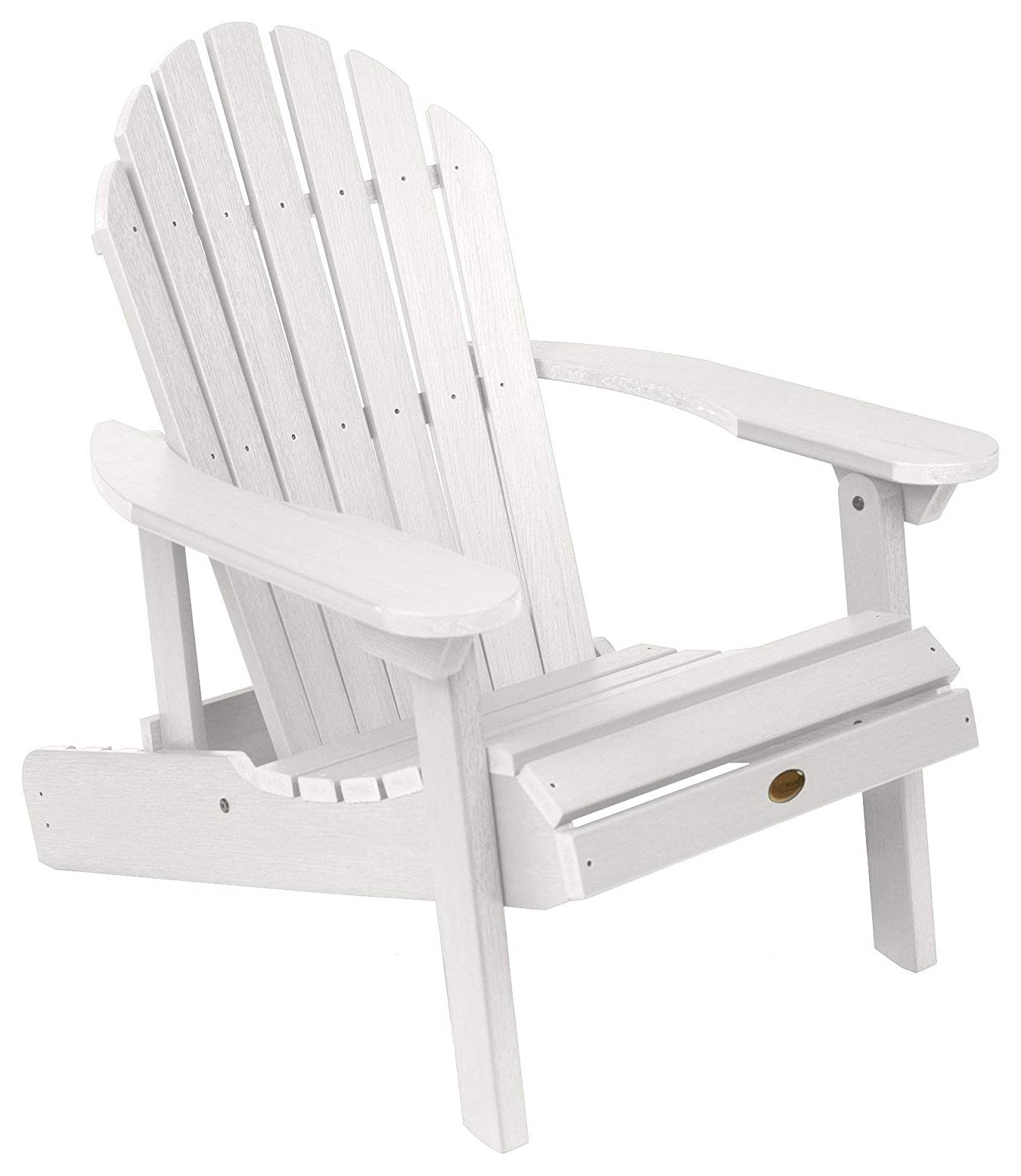
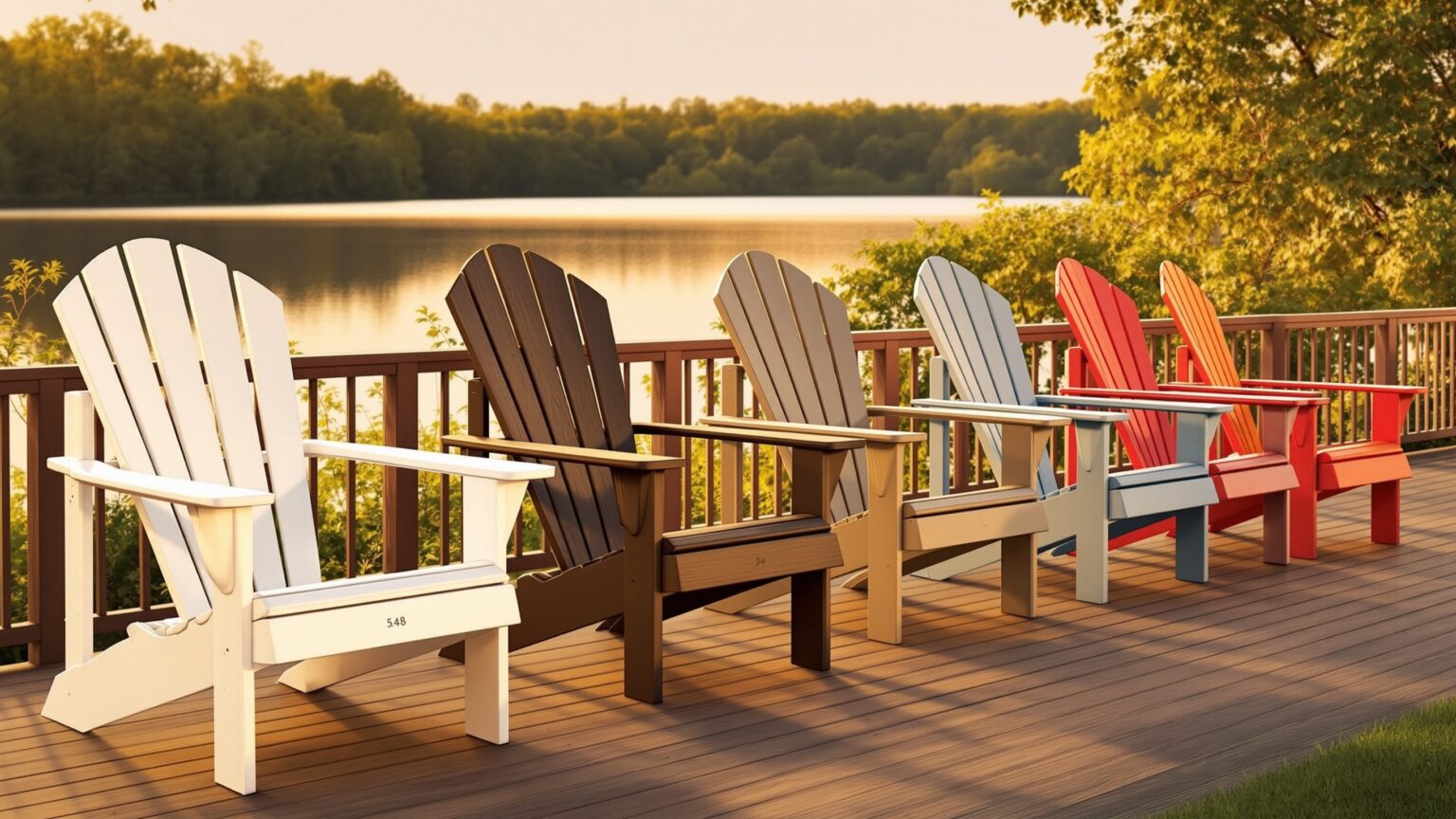
Selecting the ideal weatherproof material and protective finish for an Adirondack chair depends on your local environment and maintenance preferences. High-Density Polyethylene (HDPE) poly lumber offers total weather resistance with minimal upkeep, while natural woods like teak, cedar, and pressure-treated pine require dedicated sealing, periodic refinishing, and winterization to prevent rot, UV degradation, and structural warping.
Evaluating Weatherproof Materials for Adirondack Chairs
The longevity of an outdoor Adirondack chair depends largely on its foundational material. Outdoor furniture is subjected to extreme temperature fluctuations, solar ultraviolet (UV) radiation, atmospheric moisture, and micro-organism colonizers such as mold and mildew. Choosing the right material ensures the chair retains structural integrity and comfort over years of exposure.
- Material Selection Matrix
- Synthetic/Polymer
- HDPE / Poly Lumber
- Non-porous
- Zero sealing
- UV-stabilized
- HDPE / Poly Lumber
- Natural Timber
- Hardwood
- Teak / Ipe
- High oils
- dense grain
- Teak / Ipe
- Softwood
- Cedar / Pine
- Lightweight
- Needs sealing
- Cedar / Pine
- Hardwood
- Synthetic/Polymer
High-Density Polyethylene (HDPE) and Poly Lumber
High-Density Polyethylene (HDPE), commonly referred to as poly lumber, is a synthetic resin made primarily from post-consumer recycled plastics, such as milk jugs and detergent bottles. High-quality HDPE furniture integrates color pigments and UV-inhibitor packages directly into the material matrix during extrusion.
Because HDPE is entirely non-porous, it cannot absorb water, eliminating the risk of swelling, checking, rotting, or splintering. It resists salt spray, acidic rainfall, and common household spills. While HDPE chairs carry a heavier physical weight—preventing them from blowing over in high winds—they require no staining, painting, or oiling. However, lower-grade polyethylene or polypropylene variants may become brittle in severe sub-zero temperatures if lacking proper thermal stabilizers.
Teak and Shorea Hardwoods
Grade-A teak (Tectona grandis) represents the benchmark for natural wood outdoor furniture. Teak features a high natural oil and silica content within its tight, dense grain. These natural resins act as a built-in defense mechanism, repelling moisture, fungi, and wood-boring insects without chemical treatments.
When left untreated outdoors, teak undergoes a natural oxidation process, transitioning from its initial golden-brown hue to an elegant silver-gray patina. This cosmetic shift does not compromise the wood’s internal structural strength. Shorea and Ipe are alternative dense hardwoods offering similar moisture resistance, though Shorea generally possesses a slightly lower natural oil density than premium teak.
Western Red Cedar and Cypress
Western Red Cedar (Thuja plicata) and Cypress are widely favored softwoods for classic Adirondack design. Cedar contains natural extractives called thujaplicins, which inhibit fungal decay and insect infestation.
Cedar exhibits low volumetric shrinkage, meaning it resists warping, cupping, and twisting better than most softwoods when exposed to alternating wet and dry cycles. Its porous structure renders it lightweight and comfortable, but also makes it prone to surface dents and scratches. Cedar requires periodic application of protective sealants or penetrating oils to preserve its original reddish-tan tone and limit surface cracking (checking).
Pressure-Treated Pine and Softwoods
Southern Yellow Pine is a economical building material for Adirondack chairs, but requires chemical stabilization to withstand outdoor environments. Pressure-treated lumber is vacuum-impregnated with copper-based preservatives (such as Alkaline Copper Quaternary, or ACQ) to ward off rot and termites.
While pressure-treated pine is budget-friendly and physically robust, it contains high moisture levels straight from the supplier. As the wood dries in sun exposure, it undergoes significant internal tension, making it susceptible to severe checking, splitting, and warping if left unsealed. It must dry completely—often taking several weeks to months—before any finish, stain, or paint can successfully adhere to its surface.
Comparing Protective Finishes: Oils, Sealers, Stains, and Paints
Applying the correct finish to a timber Adirondack chair enhances its natural aesthetics while establishing a chemical or physical barrier against water ingress and solar radiation. Different finishes provide varying levels of protection, film thickness, and reapplication demands.
| Finish Class | Mechanism | Pros | Maintenance Need |
|---|---|---|---|
| Penetrating Oil | Soaks into pores | No peeling/flaking | High (Annual) |
| Marine Varnish | Hard surface film | Top moisture barrier | Moderate-High |
| Penetrating Stain | Pigment + oil/resin | UV protection | Moderate (2-3 yrs) |
| Exterior Paint | Opaque film coat | Maximum UV shield | Low-Moderate |
Penetrating Oils (Teak, Tung, and Danish Oils)
Penetrating oils soak deep into the cell structure of dense woods rather than forming a rigid film on top. Teak oil and pure tung oil nourish the wood fibers, highlighting the natural grain without obscuring its texture.
- Advantages: Because penetrating oils do not form an exterior skin, they will never chip, flake, or peel away. Maintenance involves wiping down the chair and applying a fresh coat.
- Limitations: Oils provide minimal protection against prolonged UV exposure and tend to evaporate or wash away over 6 to 12 months. Annual or semi-annual reapplication is essential to maintain moisture resistance and color depth.
Spar Urethane and Marine Varnishes
Spar urethane (often called marine varnish) is formulated specifically for exterior wood applications exposed to moisture and temperature swings. Unlike interior polyurethanes, spar varnish contains flexible alkyd or phenolic resins that expand and contract alongside the wood's natural thermal movement.
- Advantages: It forms a glossy, hard, waterproof shield that locks out rain, snow, and ambient humidity while embedding chemical UV absorbers.
- Limitations: Over time, intense solar exposure breaks down the resin binder. Once moisture penetrates beneath a cracked coat, the varnish can peel, turning cloudy or white. Refinishing requires complete mechanical sanding or chemical stripping down to bare wood before reapplication.
Exterior Penetrating Stains (Semi-Transparent vs. Solid)
Wood stains combine resin binders with ground color pigments to offer both moisture defense and UV protection.
- Semi-Transparent Stains: These contain light pigment loads that allow the natural wood grain to remain visible while blocking harmful ultraviolet rays. The pigments act as miniature sunscreens for the wood fibers.
- Solid (Opaque) Stains: Solid stains function similarly to thin paints, completely covering the wood grain while leaving the natural texture intact. They offer superior UV blocking compared to semi-transparent options and generally last 3 to 5 years before requiring a maintenance topcoat.
Exterior Acrylic Latex Paints
High-grade 100% acrylic latex exterior paint forms a thick, opaque film over the wood. Paint offers the highest level of UV protection because its dense pigment layer completely blocks solar radiation from reaching the underlying timber.
However, painting an outdoor chair introduces risks: if moisture sneaks into end-grain joints or screw pilot holes, it becomes trapped beneath the paint film. When heated by the sun, trapped water converts to vapor, causing the paint layer to bubble, blister, and flake off rapidly.
Material and Finish Performance Comparison
The following matrix compares primary material options, recommended finish types, maintenance intervals, and expected lifespans under typical outdoor exposure conditions.
| Material Type | Moisture Resistance | UV Resistance | Recommended Finish Class | Maintenance Interval | Expected Lifespan |
|---|---|---|---|---|---|
| HDPE Poly Lumber | Exceptional (Non-porous) | High (Integrated UV Inhibitors) | None Required (Soap/Water cleaning) | None (Clean annually) | 20–25+ Years |
| Grade-A Teak | High (Natural oils) | Moderate (Patinas naturally) | Teak Oil or Sealer (Optional) | 12 Months (To retain tone) | 20–30+ Years |
| Western Red Cedar | Moderate-High | Moderate | Semi-Transparent Oil Stain / Spar Varnish | 1–3 Years | 10–15 Years |
| Cypress Wood | Moderate-High | Moderate | Exterior Wood Sealer / Penetrating Stain | 2–3 Years | 10–15 Years |
| Pressure-Treated Pine | Moderate | Low | Solid Stain or Acrylic Exterior Paint | 2–4 Years | 10–15 Years |
| Untreated Softwood | Low | Low | Spar Urethane or Exterior Paint | 1–2 Years | 3–7 Years |
Step-by-Step Refinishing and Restoring Wood Adirondack Chairs
When a wooden Adirondack chair exhibits surface graying, peeling varnish, or severe finish oxidation, complete restoration restores both structural integrity and visual appeal.
- Deep Clean (Bleach/Cleaner)
- Strip & Sand (80 to 220 grit)
- Hardware Check (Replace Stainless)
- Coat & Seal (2-3 thin coats)
Step 1: Deep Cleaning and Decontamination
Before sanding, remove embedded dirt, mildew spores, and atmospheric grime.
- Mix a solution of oxygen bleach (sodium percarbonate) and warm water, or use a specialized wood cleaner containing oxalic acid to strip greyed surface fibers.
- Apply the cleaner using a soft-bristle brush, letting it sit for 10 to 15 minutes while keeping the surface wet.
- Scrub along the direction of the grain to lift dirt out of the wood pores.
- Rinse thoroughly with low-pressure garden hose water. Avoid high-pressure power washers, which can tear delicate wood fibers and gouge softwoods like cedar and pine. Allow the chair to dry completely for 48 to 72 hours.
Step 2: Mechanical Stripping and Sanding
Once the wood is dry, prepare the surface for new finish adhesion:
- For chairs with failing paint or flaking varnish, apply a chemical wood stripper according to manufacturer safety guidelines, scraping away softened residue with a flexible plastic putty knife.
- Sand the entire structure using an orbital sander on flat slats and detail sanding pads for curved backrests and arm support brackets.
- Begin with medium-coarse sandpaper (80–100 grit) to remove remaining old finish, surface scratches, and raised fibers.
- Progress to medium grit (120–150 grit), and finish with fine sandpaper (180–220 grit) to achieve a smooth surface.
- Vacuum all sanding dust and wipe down the chair with a tack cloth or a rag lightly dampened with mineral spirits.
Step 3: Fastener and Structural Inspection
Restoration provides an ideal opportunity to service underlying hardware:
- Inspect all screws, carriage bolts, and nuts. Replace rusted, galvanized, or corroded fasteners with marine-grade 316 stainless steel hardware, which resists salt water air and tannic acid corrosion.
- Tighten loose joints. If wood pilot holes are stripped, back out the screw, insert a wooden dowel dipped in waterproof exterior polyurethane glue (such as Titebond III or Gorilla Glue), allow it to cure, cut it flush, and re-drill the pilot hole.
Step 4: Applying the Protective Coating
- Apply the chosen finish under covered, climate-controlled conditions between 50°F and 85°F (10°C to 29°C), away from direct sunlight and wind-blown dust.
- Coat the bottom of the chair legs and end-grain edges thoroughly; end-grain acts like a bunch of tiny straws, rapidly wicking up ambient ground moisture if left unsealed.
- For penetrating stains and oils, apply with a natural-bristle brush or lint-free cloth, letting the oil saturate the grain for 15 minutes before wiping away all excess liquid.
- For spar urethane or exterior paints, apply 2 to 3 thin, even coats rather than one heavy application. Lightly scuff-sand between dried coats using 220-grit sandpaper or fine steel wool to maximize inter-coat mechanical adhesion.
Essential Seasonal Care and Winterization Strategies
Even highly durable outdoor materials benefit from proactive seasonal care. Protecting furniture during extreme weather extends refinishing intervals and prevents unnecessary material degradation.
Seasonal Cleaning Protocols
Establish a semi-annual maintenance routine in spring and late autumn:
- For Poly Lumber (HDPE): Scrub down the furniture using warm water mixed with a mild dish soap and a soft synthetic brush. For stubborn grease spots or bird droppings, a solution of one part household bleach to three parts water will disinfect the non-porous resin without stripping color.
- For Wooden Chairs: Inspect slats and under-seat support stretchers for accumulating leaf debris, pollen, and damp soil. Trapped organic debris holds moisture against the wood, creating micro-environments where wood-rotting fungi thrive.
Winterization and Off-Season Storage
Freeze-thaw cycles present significant threats to wooden patio furniture. When water lodges inside fine grain cracks or fastener pilot holes, it expands as it freezes, splitting wood fibers and loosening mechanical fasteners.
- Winter Storage Best Practices
- Indoor/Sheltered
- Unheated shed/garage
- Keeps rain/snow off
- Avoid heated spaces (prevents rapid drying)
- Outdoor Cover Use
- Breathable woven fabric
- Water-resistant, NOT plastic tarps
- Elevate legs off frozen ground
- Indoor/Sheltered
- Indoor Storage: Store wooden chairs inside an unheated shed, garage, or covered porch during sub-zero winter months. Avoid placing dry wooden chairs in heated indoor basements, as extreme low humidity causes wood to shrink rapidly, pulling joints apart and loosening glue lines.
- Breathable Outdoor Covers: If indoor storage is unavailable, use fitted furniture covers constructed from breathable, solution-dyed polyester or marine-grade canvas featuring built-in air vents. Do not wrap wooden furniture tightly in non-breathable plastic tarps, which trap ambient condensation beneath the cover, creating an ideal breeding environment for surface mold and fungal rot.
- Leg Elevation: Elevate chair legs off wet soil, grass, or freezing concrete patios using heavy-duty rubber foot pads, composite riser buttons, or treated scrap lumber. Keeping the bottom end-grain elevated prevents direct capillary absorption of standing water and melted snow.
Frequently Asked Questions
Can HDPE poly lumber Adirondack chairs remain outside all winter?
Yes, high-grade HDPE poly lumber chairs are engineered to withstand extreme sub-zero temperatures, heavy snow accumulation, and freezing moisture without cracking, warping, or rotting. Because the material is completely non-porous, ice cannot penetrate its interior structure. To make spring cleanup easier, clear away heavy snow accumulation and use breathable covers to protect the surface finish from ambient industrial fallout, tree sap, and soot.
How often should you seal or stain a cedar Adirondack chair?
Cedar Adirondack chairs generally require a fresh coat of clear exterior sealer or semi-transparent stain every 1 to 3 years, depending on your region's solar exposure and weather conditions. Chairs positioned in full, unshaded direct sunlight or high-humidity coastal zones will require more frequent maintenance coats than those placed under shaded, covered pergolas.
What is the best hardware metal to prevent rust on outdoor chairs?
Marine-grade 316 stainless steel is the premier hardware material for outdoor furniture, offering superior resistance to pitting and surface oxidation, even in salt-air coastal environments. Standard 304 stainless steel offers excellent general-purpose corrosion resistance for inland areas at a lower price point. Avoid basic zinc-plated or standard steel fasteners, which rust quickly when exposed to outdoor moisture and acid-rich rain.
Is spar urethane better than teak oil for natural wood patio furniture?
The right choice depends on the specific wood species and your willingness to handle ongoing maintenance. Spar urethane provides a superior surface moisture barrier and longer initial protection for softwoods like cedar and pine, but it eventually cracks and requires labor-intensive sanding down to bare wood to refinish. Teak oil is ideal for dense hardwoods like teak and ipe because it enhances the natural grain and will never flake or peel, though it requires quick annual reapplications.
How do you prevent mold and mildew growth on outdoor chair cushions and slats?
Mold and mildew require moisture, shade, and organic food sources (such as tree pollen or dust) to grow. Prevent fungal growth by keeping chair surfaces clean of organic debris using mild soap and water. Allow chairs to dry thoroughly in sunny, well-ventilated areas after heavy rain events. For outdoor fabric cushions, store them inside a dry deck box when not in use, and treat surfaces periodically with an fabric spray formulated for outdoor textiles.
Selecting the Ideal Adirondack Setup for Your Environment
To ensure long-term satisfaction with your outdoor seating, select materials and maintenance routines tailored to your local environment and personal schedule:
- For High-Sun, Desert, or Low-Maintenance Environments: Choose HDPE poly lumber featuring UV-stabilized pigments. This setup eliminates painting, staining, and sanding entirely, requiring only an annual hose-down with soap and water to maintain its original appearance.
- For Coastal, High-Humidity, or High-Moisture Zones: Choose Grade-A Teak equipped with 316 marine-grade stainless steel hardware. Leave the teak untreated to age into a natural silver patina, or apply a dedicated moisture-sealing teak coat annually to protect against continuous salt fog and ambient moisture.
- For Traditional Aesthetic on a Moderate Budget: Choose Western Red Cedar treated with a high-quality semi-transparent penetrating oil stain. Re-apply the stain every two years to protect against surface checking while preserving the wood's natural grain and lightweight comfort.