Finding the perfect Adidas shoe involves matching your specific activity—whether running, weightlifting, or casual wear—with the brand’s specialized midsole technologies like Boost, Lightstrike, or 4D. This guide navigates the extensive 2026 lineup, detailing technical specifications, sizing nuances, and heritage designs to ensure you select the most functional and comfortable footwear for your needs.
Understanding Adidas Midsole Technologies
The foundation of any Adidas shoe is its midsole technology. Over the decades, the brand has shifted from simple EVA (Ethylene Vinyl Acetate) foam to highly engineered polymers designed for specific energy return profiles. Understanding these materials is the first step in identifying which shoe belongs in your rotation.
Boost Technology remains the flagship cushioning for many users. Introduced in 2013 and refined continually through 2026, Boost is made from expanded Thermoplastic Polyurethane (eTPU). These tiny energy capsules are fused together to provide a unique combination of soft comfort and high energy return. Unlike traditional foams, Boost is remarkably resistant to temperature changes, meaning it won’t stiffen in the winter or lose its shape in extreme heat. It is the primary choice for long-distance runners and those who spend all day on their feet.
Lightstrike and Lightstrike Pro represent the brand’s push toward elite performance. Lightstrike is a lightweight, EVA-based foam that prioritizes responsiveness over pure plushness. It is frequently used in basketball shoes and "tempo" running shoes where ground feel and quick transitions are vital. Lightstrike Pro, the "super-foam" found in the Adizero racing line, offers even higher energy return and lower weight, often paired with carbon fiber plates to maximize propulsion.
4D and 4D-Forward utilize a radically different approach: 3D printing. Using Digital Light Synthesis, Adidas creates a lattice structure rather than a solid block of foam. This allows engineers to tune the density of the sole at different points—making the heel firmer for stability and the forefoot softer for transition. The "Forward" iteration is specifically angled to transform vertical impact forces into forward motion, a technical feat that traditional foam cannot easily replicate.
Categorizing the Adidas Performance Lineup
Adidas categorizes its performance footwear based on the mechanical requirements of the sport. Choosing a shoe from the wrong category can lead to premature wear or, more importantly, physical discomfort.
The Running Category
Adidas running shoes are divided into three main silos:
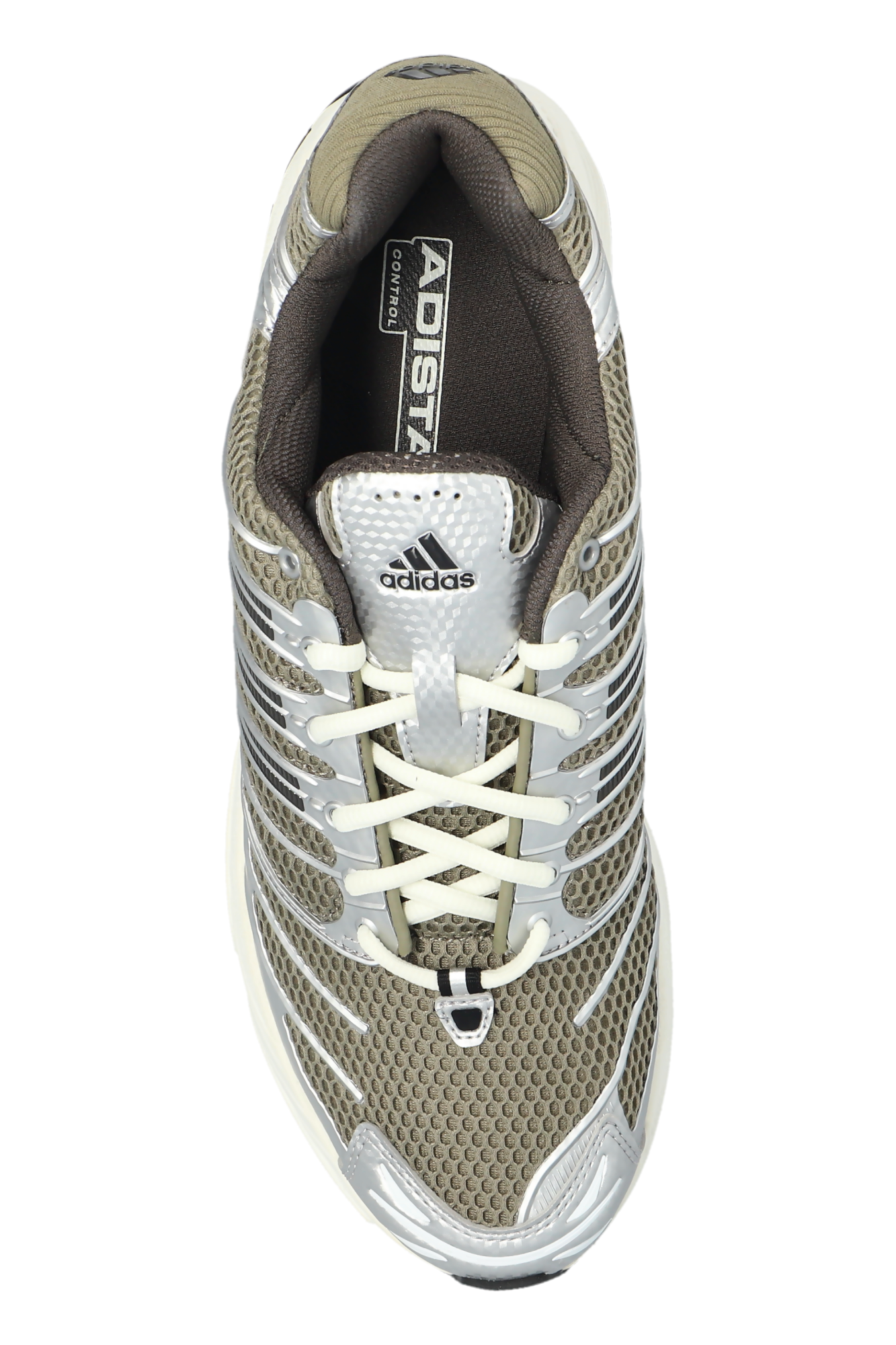
- Ultraboost: Designed for maximum comfort and daily mileage. These typically feature a full-length Boost midsole and a Primeknit upper that fits like a sock. In 2026, the Ultraboost series continues to be the gold standard for "easy" or "recovery" runs.
- Adizero: This is the "fast" family. From the Adizero Adios Pro (the marathon racer) to the Adizero Boston (a durable speed trainer), these shoes are narrower, lighter, and stiffer. They are built for PRs (Personal Records) rather than casual walking.
- Solar and Supernova: These serve as the entry-to-mid-level options. They often utilize a "Stable Frame" or "Bounce" foam, providing a more traditional, supportive feel for runners who need extra stability or are just starting their fitness journey.
Training and Gym Footwear
Training shoes require a flatter, more stable base than running shoes. The Adidas Dropset series is a prime example, featuring a dual-density midsole that is firm in the heel for lifting weights and softer in the forefoot for agility drills. If you wear a plush running shoe like the Ultraboost to squat or deadlift, the compression of the foam can cause instability; hence, a dedicated trainer is essential for gym safety.
Basketball and Court Sports
Basketball footwear, such as the signature lines for James Harden or Damian Lillard, focuses on lateral support and impact protection. These shoes often use a mix of Lightstrike and Boost to balance the need for "court feel" with the protection required for high-jump landings. The high-top or mid-top designs provide necessary lockdown for the multi-directional movements inherent in court sports.
Navigating Adidas Originals and Lifestyle Icons
While performance gear pushes boundaries, the Adidas Originals line—marked by the iconic Trefoil logo—focuses on heritage and street style. These shoes often lack the advanced foam technologies of the performance line but offer timeless aesthetics.
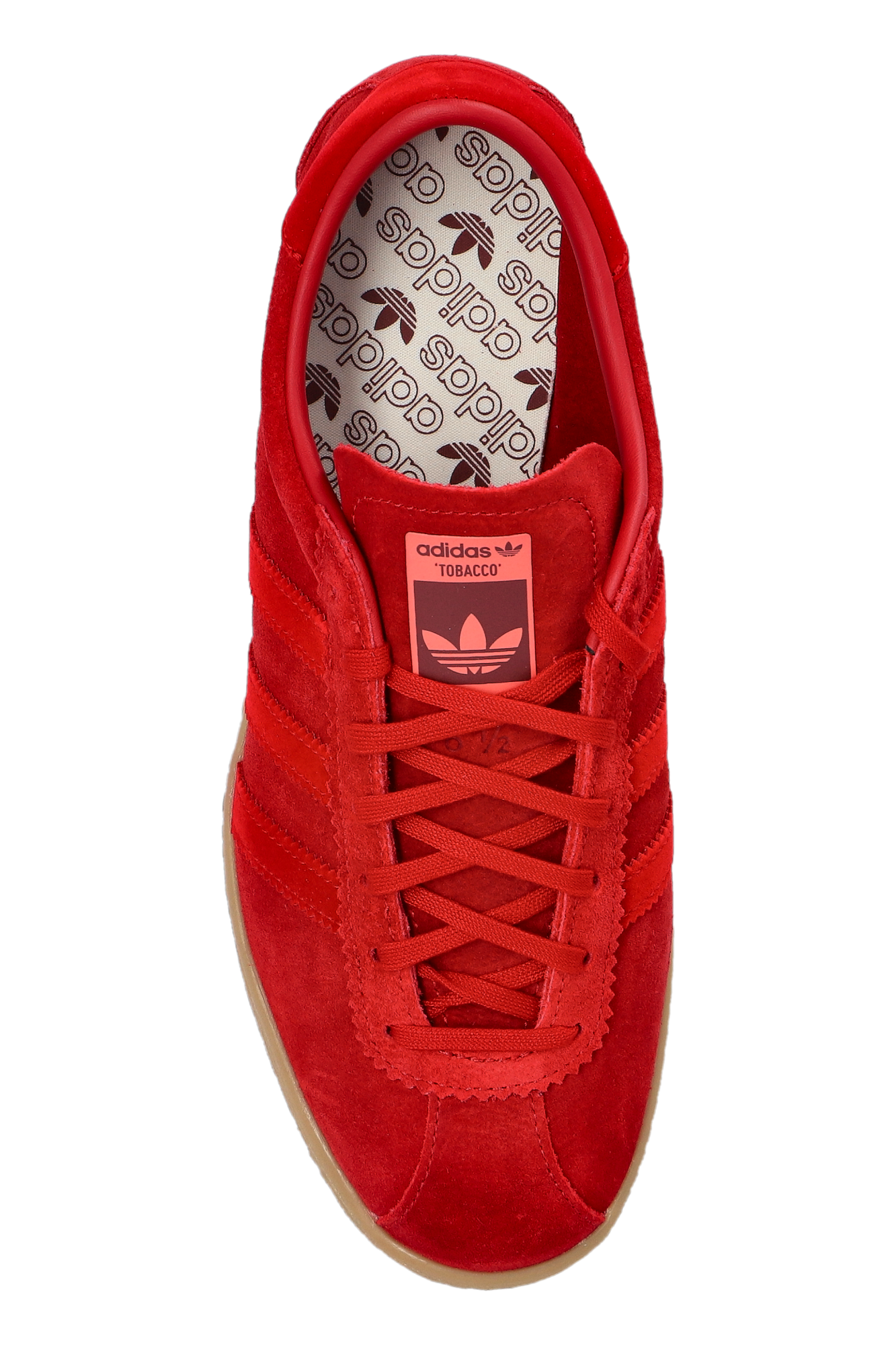
The "Terrace" Collection In recent years, the "Terrace" style—originating from UK football culture in the 70s and 80s—has dominated global fashion. This includes the Samba, Gazelle, and Spezial. The Samba, originally an indoor soccer shoe, features a slim profile and a gum rubber sole. The Gazelle offers a slightly wider fit and a suede upper, while the Spezial is known for its reinforced heel and retro indoor-handball roots. These are generally firmer underfoot and are best suited for casual daily wear.
Tennis Heritage The Stan Smith remains one of the best-selling shoes in history. Its minimalist, all-white leather design (though now mostly made from recycled "Primegreen" materials) makes it versatile enough for both casual and semi-formal settings. It features a flat rubber cupsole, providing a classic "low-to-the-ground" feel that contrasts sharply with the chunky "dad shoe" trends.
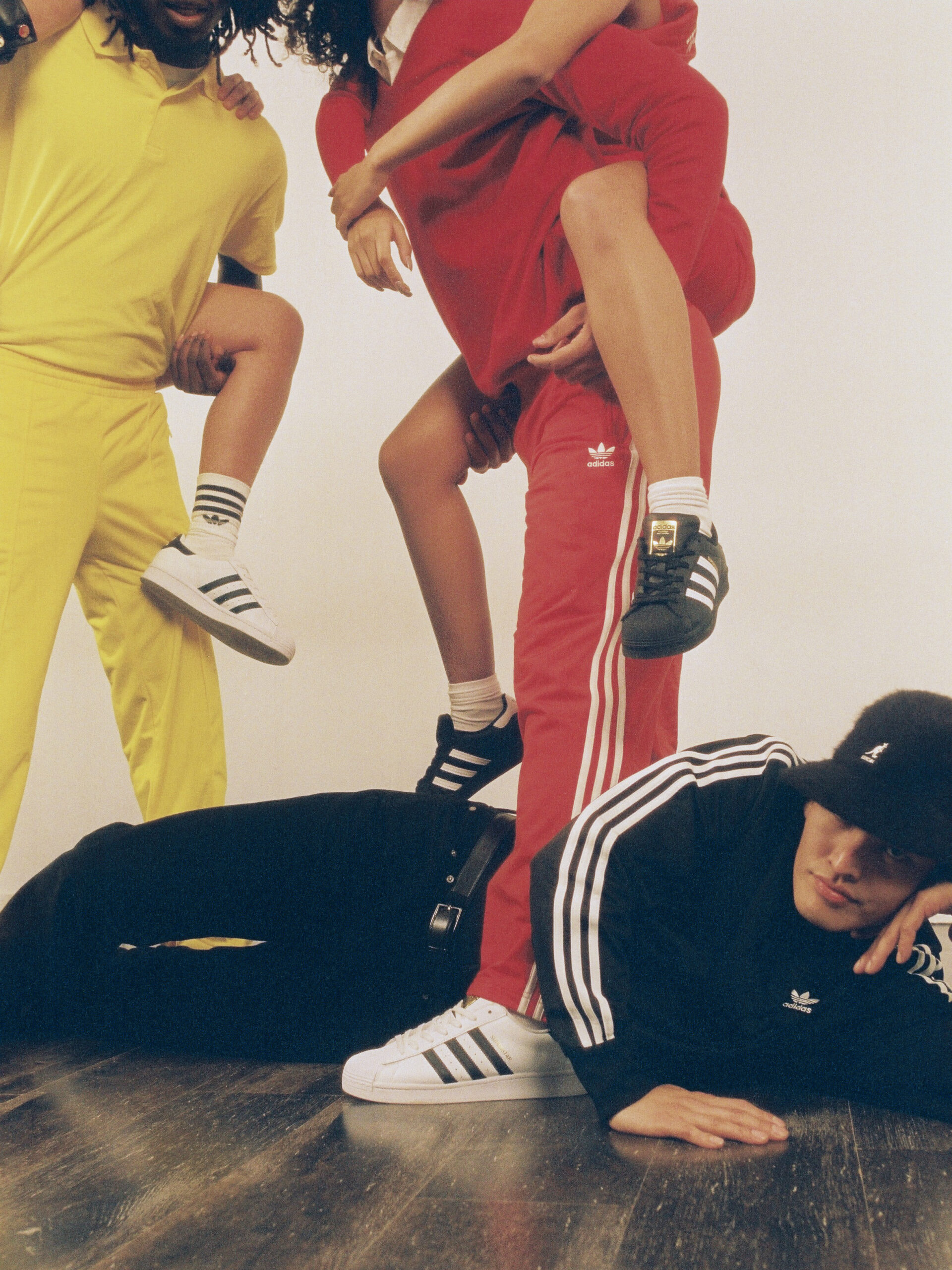
Basketball Heritage The Superstar, easily recognized by its rubber "Shell Toe," was a revolution on the basketball court in the 1970s before becoming a staple of hip-hop culture. Similarly, the Forum (available in Low, Mid, and High) features a signature Velcro strap and a bulkier profile, appealing to those who prefer a 1980s retro aesthetic.
Technical Comparison of Popular Adidas Models
This table summarizes the technical specifications and intended use cases for the most prominent models in the 2026 Adidas catalog.
| Model | Primary Technology | Best Use Case | Cushioning Level | Fit Profile |
|---|---|---|---|---|
| Ultraboost Light | Boost Light | Daily Running / Walking | Maximum | Sock-like (Primeknit) |
| Adizero Adios Pro | Lightstrike Pro + EnergyRods | Marathon Racing | High (Responsive) | Narrow / Snug |
| Samba OG | Gum Rubber Sole | Lifestyle / Fashion | Firm | Slim / True to Size |
| Dropset 3 | Dual-Density EVA | CrossFit / Weightlifting | Low (Stable) | Wide Forefoot |
| Stan Smith | Rubber Cupsole | Casual Wear | Moderate | Standard |
| 4DFWD | 3D Printed Lattice | Innovative Running | Moderate/Springy | Standard |
| Terrex Free Hiker | Boost + GORE-TEX | Hiking / Outdoor | High | Secure / Boot-like |
Sizing and Fit: How to Ensure the Perfect Match
One of the most common challenges with Adidas is the variance in sizing across different models. While the brand generally follows standard athletic sizing, the materials and intended use often dictate how the shoe "should" feel.
Primeknit vs. Leather Shoes with Primeknit uppers (like the Ultraboost) are designed to be snug. They will stretch slightly over time to accommodate the shape of your foot. If you prefer a looser feel, many users opt for a half-size up. In contrast, leather or synthetic leather shoes (like the Superstar or Forum) have very little give. It is crucial to ensure these fit correctly out of the box, as they will not stretch significantly.
Performance Sizing For running shoes, especially the Adizero line, it is standard practice to have about a thumbnail’s width of space between your longest toe and the end of the shoe. This allows for "foot splay" and the natural swelling that occurs during long runs. If you buy performance runners that fit exactly like your dress shoes, you are likely to experience discomfort or "black toenails" after high-intensity sessions.
Width Considerations Adidas shoes generally cater to a standard "D" width. However, certain models like the Supernova or the Dropset are known for having a slightly wider toe box. If you have wide feet, look for models specifically labeled as "Wide" (rare in the lifestyle line but more common in performance) or stick to knit-based uppers that offer more lateral flexibility.
Sustainability and Innovation in 2026
By 2026, Adidas has solidified its commitment to ending plastic waste through several key initiatives. When shopping for shoes, you will frequently encounter these terms:
- Parley for the Oceans: These shoes feature uppers made from "upcycled" plastic waste intercepted on remote islands and coastal communities before it reaches the ocean.
- Made with Nature: This label identifies footwear constructed with at least 70% natural and renewable materials, such as Tencel or bio-based synthetics, aiming to reduce reliance on petroleum-based plastics.
- Primegreen and Primeblue: These represent high-performance recycled materials. Primegreen contains no virgin plastic, while Primeblue is a specific recycled material made in part with Parley Ocean Plastic.
Understanding these labels helps consumers choose products that align with their environmental values without sacrificing the technical benefits of modern athletic footwear.
Frequently Asked Questions
Do Adidas shoes run big or small?
Generally, Adidas shoes run true to size (TTS), but there are exceptions based on the model. The Adidas Samba and Gazelle tend to have a narrow, slim fit, leading some people with wider feet to size up by half. Conversely, the Ultraboost often feels very snug due to the Primeknit upper, which some users mistake for being "small," though the length is usually accurate.
How long do Adidas Boost shoes last?
The Boost midsole is exceptionally durable compared to standard EVA foams. A typical pair of Adidas running shoes with Boost technology will maintain its cushioning properties for 300 to 500 miles (approximately 480 to 800 kilometers). For lifestyle wear, Boost can remain comfortable for several years, though the white foam is porous and can become discolored over time.
Are Adidas shoes good for flat feet?
Adidas offers several models specifically designed for overpronation and flat feet. The SolarControl and Supernova Solution models feature supportive elements like firmer foam on the medial (inner) side and a wider base to prevent the foot from rolling inward. For lifestyle wear, models with flatter soles like the Stan Smith are often preferred by those with low arches, though they lack specialized orthotic support.
What is the best way to clean Adidas sneakers?
To preserve the materials, never put Adidas shoes in a washing machine or dryer, as heat can degrade the adhesives and foam. Use a soft brush or cloth with a mixture of warm water and mild detergent. For Boost foam specifically, a specialized sneaker cleaning pen or a magic eraser can help restore the white color if it becomes stained by dirt or road grime.
How do I distinguish between "Originals" and "Performance" shoes?
The easiest way is the logo. The Trefoil logo (the three-leaf shape) is used exclusively for Adidas Originals (lifestyle/fashion). The Badge of Sport (the three slanted bars forming a mountain shape) is used for Adidas Performance products designed for active sport use.
Practical Recommendation for Selecting Your Pair
To choose the right Adidas shoe, first define your primary use case. If you are looking for a singular shoe to handle 5K runs and gym sessions, the Adidas Supernova offers the best balance of price and versatility. For those prioritizing street style and office-appropriate casual wear, the Stan Smith or Samba OG remains the safest and most stylish investment.
Always measure your feet in the afternoon, as feet tend to swell throughout the day. When trying on performance shoes, wear the specific type of socks you intend to use during exercise (e.g., thick cushioned running socks or thin compression socks). This ensures the fit remains consistent when you transition from the store to the track or gym.