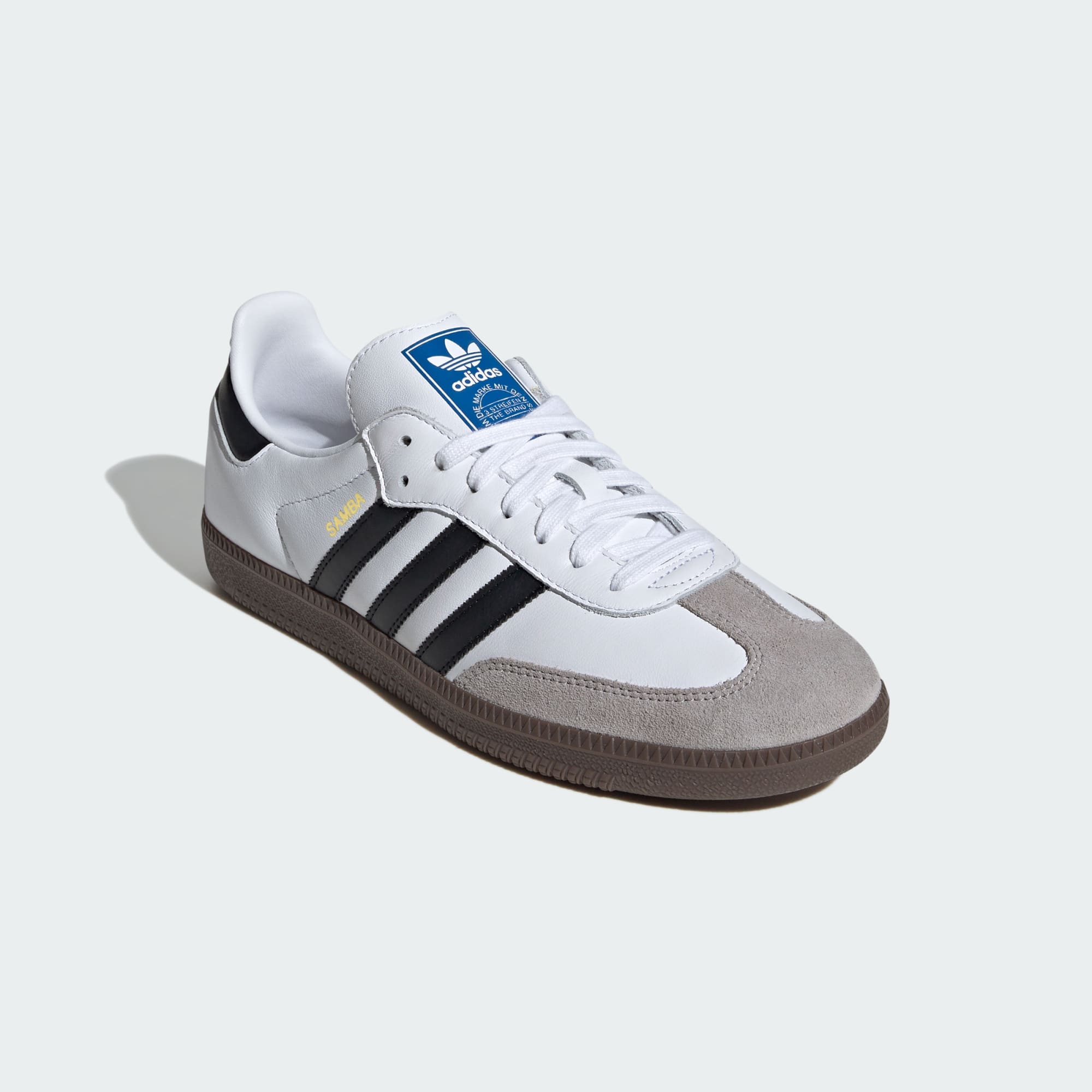
The Adidas Samba is a low-top sneaker featuring a distinctive gum sole, suede T-toe overlay, and serrated Three Stripes. Originally designed in 1949 for football training on icy surfaces, it has evolved into a versatile lifestyle staple. In 2026, it remains a foundational piece in both athletic and fashion wardrobes due to its slim profile and timeless aesthetic.
The Evolution of the Adidas Samba: From Frozen Fields to Global Icon
The history of the Adidas Samba is essentially the history of the modern sneaker. Created by Adi Dassler in 1949, the shoe was specifically engineered to solve a problem: how to provide traction for football players on frozen, hard-packed ground. The initial design featured a mid-top silhouette with a specialized outsole, debuting officially at the 1950 FIFA World Cup in Brazil. To appeal to the local market, Adidas named the shoe the "Samba," a nod to the traditional Brazilian dance and music genre.
Throughout the 1960s and 1970s, the Samba underwent several iterations to refine its performance. The silhouette transitioned from a mid-cut boot to the low-top profile we recognize today. The introduction of the non-marking gum rubber outsole was a pivotal moment, as it made the shoe the gold standard for the burgeoning sport of indoor soccer (futsal). The "pivot point" on the sole allowed players to make sharp, multidirectional turns on polished wooden or linoleum courts without slipping.
By the 1980s and 1990s, the Samba moved beyond the gymnasium. It was adopted by the UK’s "Terrace" culture—football fans who traveled across Europe following their clubs. The shoe's durability and understated design made it a uniform staple for casuals. In the 2020s, high-profile collaborations with designers like Wales Bonner and Kith propelled the Samba into the high-fashion stratosphere. By 2026, the Samba has transitioned from a trending "it-shoe" back to its rightful place as a permanent classic, standing alongside the Stan Smith and the Superstar as the pillars of the Adidas Originals line.
Understanding the Different Samba Models
While the core silhouette remains consistent, Adidas produces several variations of the Samba to cater to different functional needs and aesthetic preferences. Identifying the nuances between these models is crucial for ensuring you purchase the version that fits your lifestyle.
Samba OG
The "Original" (OG) is the most popular lifestyle version found in 2026. It is characterized by its soft leather upper, suede T-toe overlay, and the classic gum rubber sole. The OG usually features a shorter tongue and gold foil "Samba" branding on the lateral side. It is designed for daily wear rather than high-performance sports, prioritizing comfort and historical accuracy in its materials.
Samba Classic
Often confused with the OG, the Samba Classic is the performance-oriented version intended for indoor soccer. The most noticeable difference is the extended tongue, designed to be folded over or to protect the top of the foot while kicking a ball. The Classic also features a slightly more robust arch support and a lightweight EVA midsole for cushioning during athletic activity.
Samba Vegan
As part of Adidas's commitment to sustainability, the Samba Vegan replaces all animal-derived materials with synthetic alternatives. The upper is crafted from recycled polyester and polyurethane coatings that mimic the feel and look of traditional leather. While the texture is slightly different from the OG, the Vegan model maintains the same silhouette and durability standards.
Velosamba
The Velosamba is a specialized version for urban cycling. While it looks identical to a standard Samba OG on the outside, the sole features a reinforced "power transfer" plate and is compatible with two-bolt (SPD) cleats. This allows commuters to ride efficiently while wearing a shoe that transitions seamlessly into an office or social environment.
Sizing and Fit Guide: Finding Your Perfect Pair
One of the most frequent questions regarding the Adidas Samba concerns its unique fit. Because the shoe was originally designed for soccer—where a snug fit is required for ball control—it tends to run narrower than a standard running shoe or a "chunky" sneaker.
- Standard Sizing: Most users find that the Samba fits true to size (TTS) in terms of length. However, if you have a wide foot, the narrow midfoot construction can feel restrictive.
- Width Considerations: Individuals with wide feet often benefit from going half a size up. This provides extra room in the toe box and prevents the lateral side of the foot from hanging over the sole unit.
- Break-in Period: The leather used in the Samba OG and Classic is genuine and will stretch slightly over time. Expect the first 3–5 wears to feel somewhat stiff. Once the leather softens and molds to your foot shape, the comfort level increases significantly.
- Arch Support: The Samba is a flat shoe with minimal arch support. If you have high arches or require orthopedic correction, you may need to replace the thin foam insole with a more substantial after-market insert.
Material Quality and Construction Specifications
The longevity of the Adidas Samba is a result of its utilitarian construction. By understanding the materials used, you can better appreciate the shoe's value proposition.
| Feature | Specification (Samba OG) | Benefit |
|---|---|---|
| Upper Material | Full-grain leather | Durability and natural breathability. |
| Toe Overlay | Suede T-toe | Protects high-wear area; classic aesthetic. |
| Outsole | Gum rubber | Superior grip on hard surfaces; non-marking. |
| Lining | Synthetic or textile | Wicks moisture; provides interior smoothness. |
| Midsole | Low-profile EVA (Classic only) | Shock absorption during lateral movement. |
| Branding | Serrated Three Stripes | Structural reinforcement and iconic identity. |
The gum rubber sole is perhaps the most technical aspect of the shoe. Unlike synthetic rubbers that can become brittle, gum rubber maintains its flexibility and "tackiness" over years of use. This material is also highly resistant to abrasion, making the Samba one of the few fashion sneakers capable of surviving years of daily walking on concrete.
Styling the Adidas Samba in 2026
By 2026, the styling of the Samba has moved away from the hyper-focused "clean girl" or "blokecore" aesthetics of previous years toward a more integrated, versatile approach. Its slim silhouette makes it an ideal "neutral" anchor for various wardrobes.
Casual and Streetwear
The Samba pairs naturally with relaxed-fit denim or "puddle" trousers. Because the shoe has a low volume, it prevents wide-leg pants from looking overly heavy. In 2026, we see a trend of pairing the classic black/white Samba with bright, contrasting socks to add a pop of color to an otherwise monochromatic outfit.
Smart Casual and Professional
The minimalist design of the Samba OG allows it to function within business-casual environments. When paired with tailored chinos or a linen suit, the Samba provides a relaxed yet intentional look. Darker colorways, such as the navy or all-black versions, are particularly effective for this purpose as they mimic the silhouette of a traditional loafer or dress shoe.
Athleisure
True to its roots, the Samba remains the premier choice for athleisure. Whether paired with leggings, tracksuits, or nylon shorts, the shoe retains an athletic edge without the bulk of modern performance runners. This makes it the go-to choice for individuals who want a shoe that works for both a light gym session and a post-workout coffee.
Maintaining and Cleaning Your Sambas
To ensure your Sambas last for years, proper maintenance is essential, particularly for the suede and leather components.
- Protect the Suede: Before your first wear, apply a suede and leather protector spray. This creates a hydrophobic barrier that repels water and prevents stains from setting into the porous T-toe overlay.
- Cleaning the Leather: Use a damp microfiber cloth and a mild sneaker cleaning solution for the leather upper. Avoid submerging the shoes in water, as this can cause the leather to dry out and crack.
- Restoring the Gum Sole: If the gum sole becomes dull or dirty, a stiff-bristled brush and soapy water will usually restore its original look. For scuffs on the side of the sole, a magic eraser can be used sparingly.
- Odor Management: Because the Samba is a narrow, leather-lined shoe, breathability can be lower than mesh sneakers. Use cedar shoe trees when not in use to absorb moisture and maintain the shoe's shape.
Frequently Asked Questions
Are Adidas Sambas good for walking long distances?
While the Samba is durable, it is a "minimalist" shoe in terms of cushioning. The flat gum sole provides excellent ground feel but lacks the high-rebound foams found in modern walking or running shoes. For a day of urban exploration, they are adequate, but those with foot conditions like plantar fasciitis may find the lack of arch support uncomfortable over several miles.
Can I play competitive outdoor soccer in Sambas?
The Samba is designed for indoor surfaces, turf, or hard courts. The flat outsole does not have the studs (cleats) necessary for traction on natural grass, especially if the pitch is wet. Using Sambas on grass increases the risk of slipping and injury. For competitive outdoor play, a dedicated firm-ground (FG) boot is recommended.
How do I stop my Samba tongue from squeaking?
A common issue with new Sambas, particularly the Classic model, is a squeaking sound caused by the tongue rubbing against the inner lining. This can be resolved by applying a small amount of saddle soap, colorless lip balm, or even a tiny bit of baby powder to the areas where the materials overlap.
Is there a difference between men's and women's Sambas?
Adidas often markets the Samba as a unisex shoe, though they provide sizing in both categories. Technically, the "women's" version may be slightly narrower in the heel, but for most people, the construction is identical. Always check the CM (centimeter) or UK/US sizing charts to ensure an accurate fit regardless of the gender label.
Why is the gum sole on some Sambas darker than others?
The color of the gum sole can vary based on the specific model and production batch. The "OG" models often use a lighter, more translucent gum, while the "Classic" models may use a darker, denser rubber for increased durability on indoor courts. Additionally, natural rubber darkens slightly as it ages and is exposed to UV light.
Final Recommendation: Is the Samba Right for You?
Choosing the Adidas Samba in 2026 is a decision to invest in a piece of design history. If you value a low-profile, versatile sneaker that can bridge the gap between athletic performance and high-fashion aesthetics, the Samba remains unrivaled. It is particularly suited for individuals who prefer a "closer-to-the-ground" feel and those who appreciate shoes that look better as they age and develop a patina.
For those who prioritize maximum cushioning or have extremely wide feet, the Samba may require some adjustment, such as sizing up or adding an orthotic insole. However, its enduring popularity over seven decades is a testament to its fundamental quality. Whether you choose the OG for its heritage, the Vegan for its ethics, or the Classic for the court, you are wearing a silhouette that has successfully navigated the changing tides of fashion to become a true cultural constant.