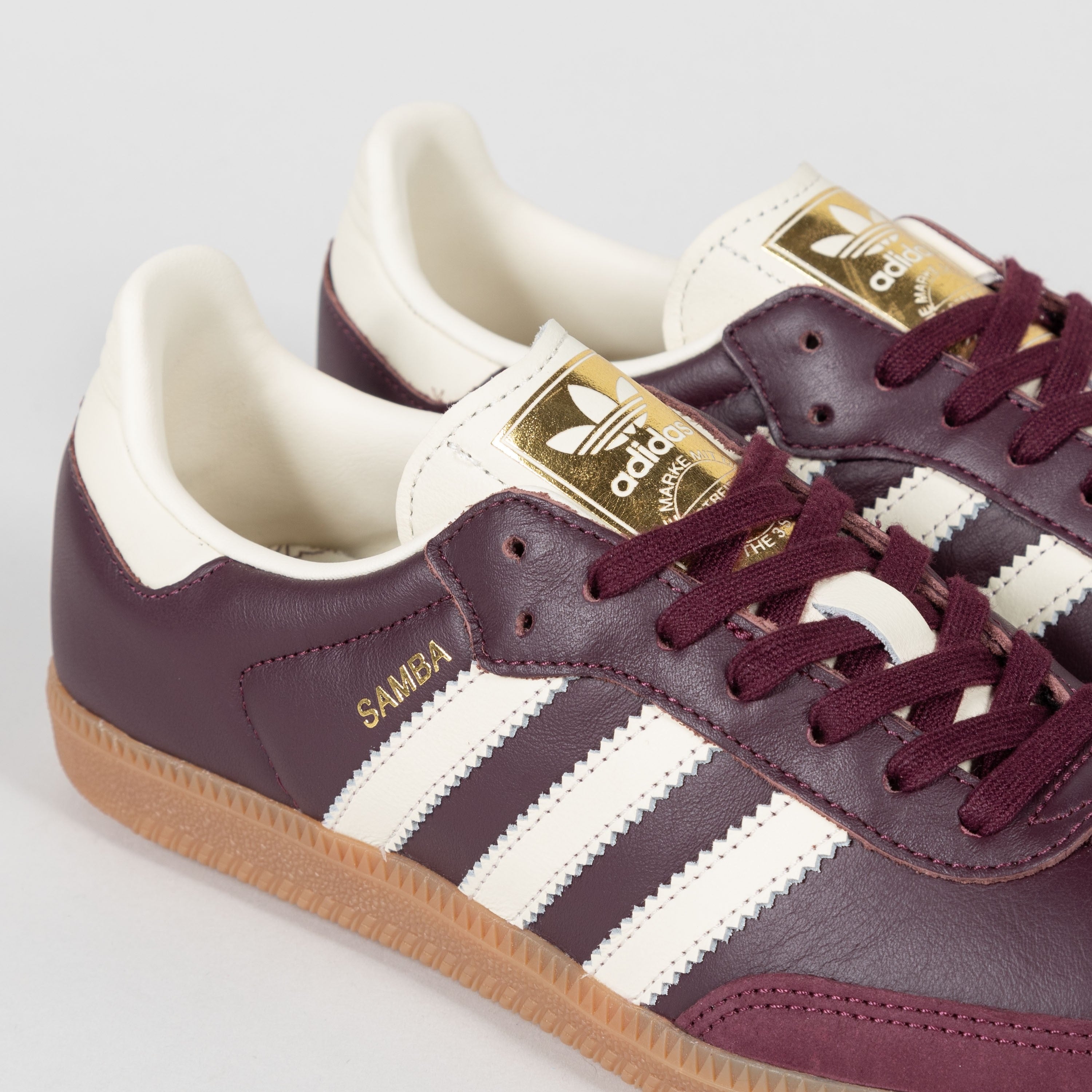
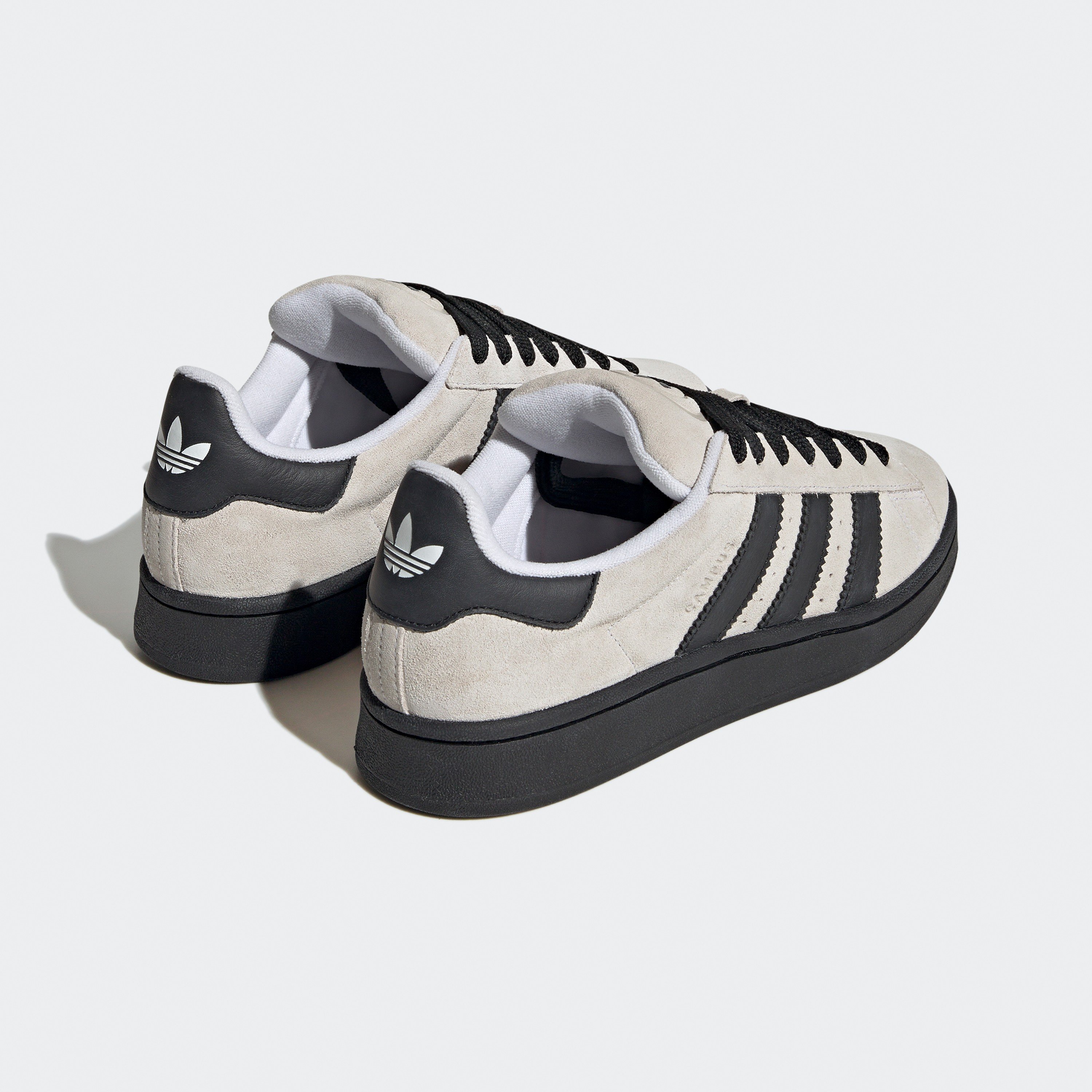
Adidas Originals is the dedicated lifestyle and heritage division of the German sportswear giant Adidas, distinguished by the iconic Trefoil logo. It focuses on reinterpreting classic designs from the brand's 20th-century archives for the modern fashion market, blending sports history with contemporary streetwear culture, music, and artistic collaborations.
The division occupies a unique space in the global fashion ecosystem. While the primary Adidas brand focuses on high-performance athletic technology for professional sports, Adidas Originals looks backward to look forward. By leveraging a vast library of silhouettes that once dominated tennis courts, football pitches, and basketball arenas between the 1940s and 1990s, the brand provides a bridge between nostalgia and modern style. In 2026, Adidas Originals remains a cornerstone of the "athleisure" movement, maintaining its relevance through a delicate balance of preserving classic heritage and pushing the boundaries of sustainable manufacturing.
Defining the Adidas Originals Identity: Performance vs. Lifestyle
To understand Adidas Originals, one must first distinguish it from the broader Adidas "Performance" line. The distinction is not merely aesthetic; it is structural and functional. While Adidas Performance uses the "Three Bars" (or Mountain) logo and focuses on innovations like Lightstrike cushioning and Carbon-infused plates for athletes, Adidas Originals is defined by the Trefoil logo.
The Trefoil, introduced in 1972, originally represented the brand's diversity—symbolizing the three main landmasses of the world (Europe/North America, Asia, and Africa) while maintaining the signature three-stripe motif. When Adidas underwent a corporate restructuring in the late 1990s, the Trefoil was retired from performance gear and repurposed specifically for the "Originals" line launched in 2001.
In 2026, this distinction is clearer than ever. An Originals product is designed for daily wear, social settings, and aesthetic expression. While you can technically play basketball in a pair of Superstars, the footwear lacks the modern impact protection and lateral support found in the brand's dedicated performance sneakers. Choosing Originals is an investment in cultural history rather than athletic optimization.
The Pillars of the Originals Archive: Essential Footwear Silhouettes
The success of Adidas Originals is built upon a handful of "immortal" silhouettes that have transcended their original sporting purpose. These models serve as the foundation for the brand's seasonal collections and high-profile collaborations.
The Adidas Samba: From the Pitch to the Street
Originally designed in 1949 to help football players train on icy, hard ground, the Samba has evolved into perhaps the most ubiquitous lifestyle sneaker of the 2020s. Its slim profile, gum rubber outsole, and leather upper make it a versatile staple. In the mid-2020s, the Samba experienced a massive resurgence driven by the "terrace fashion" trend—a style movement rooted in UK football fan culture—and it remains a high-demand item in 2026 due to its minimalist appeal and gender-neutral design.
The Stan Smith: The Gold Standard of Minimalism
Named after the legendary American tennis player, the Stan Smith is recognized for its clean, white leather upper and the absence of the traditional Three Stripes (replaced by perforated holes). This silhouette pioneered the idea of the "luxury" casual sneaker. Its impact on fashion is so profound that it has been featured in high-fashion runways and art galleries alike. In recent years, the Stan Smith has become the primary testing ground for Adidas’s "Primegreen" and "Mylo" (mushroom-based leather) initiatives, reflecting the brand’s commitment to plastic-waste reduction.
The Superstar: A Hip-Hop and Basketball Icon
Commonly known as the "Shell Toe," the Superstar debuted in 1969 as a revolutionary low-top basketball shoe. Its path to cultural immortality was cemented in the 1980s by the hip-hop group Run-D.M.C., who wore them laceless with the tongues pushed out. This moment marked the first official partnership between a sportswear brand and a non-athlete musical group, a blueprint that Adidas Originals continues to use today with artists and designers.
Comparative Overview of Flagship Originals Models
Understanding the differences between these iconic models is essential for consumers looking to match a shoe to their specific style or comfort needs. The following table highlights the key characteristics of the core 2026 lineup.
| Model | Original Sport | Key Design Feature | Cultural Association | Fit/Profile |
|---|---|---|---|---|
| Samba | Football (Soccer) | T-toe overlay, Gum sole | Terrace Fashion, Indie Sleaze | Narrow, Low-profile |
| Superstar | Basketball | Rubber Shell Toe | 80s Hip-Hop, Skateboard Culture | Wide, Robust |
| Stan Smith | Tennis | Perforated stripes, Portrait tongue | Clean Luxury, Minimalist | Standard, Sleek |
| Gazelle | Indoor Training | Suede upper, White contrast | 90s Britpop, Mod Culture | Slim, Tapered |
| Campus | Basketball/Volleyball | Suede body, Thick stripes | Beastie Boys, 2000s Skateboarding | Roomy, Casual |
| Spezial | Handball | Reinforced heel, Gum sole | Northern Soul, Football Casuals | Structured, Retro |
The Cultural Engine: Collaborations and Subcultures
Adidas Originals does not exist in a vacuum; it thrives on its ability to integrate into various global subcultures. This is achieved through the "Adidas Consortium" program and high-tier collaborations with cultural icons.
Throughout the 2020s, the brand has maintained a diverse portfolio of partners. High-fashion houses like Prada, Gucci, and Balenciaga have all released collaborative collections with Adidas Originals, blending traditional luxury craftsmanship with heritage sportswear silhouettes. These collaborations often retail for significantly higher prices and serve as "halo" products that elevate the brand's prestige.
On the other hand, partnerships with designers like Pharrell Williams, Jerry Lorenzo (Fear of God Athletics), and various streetwear boutiques ensure that the brand remains grounded in the community. These collaborations are not just about adding a logo; they often involve restructuring the shoes with new materials or proportions, such as the "deconstructed" looks popular in the mid-2020s.
Material Innovation and Sustainability in 2026
As of 2026, Adidas Originals has moved aggressively toward its goal of ending plastic waste. This transition is critical because lifestyle products are often criticized for their environmental footprint. The "Originals" line now incorporates several sustainable tiers:
- Primegreen: A series of high-performance materials made from a minimum of 50% recycled content. Most standard Stan Smith and Superstar models now use this as the default leather alternative.
- Parley for the Oceans: Footwear and apparel created using upcycled plastic waste intercepted from remote islands and coastal communities.
- Made to be Remade (MTBR): A circular economy initiative where customers can return worn-out products to Adidas. The brand then grinds the items down to create new components for the next generation of footwear.
- Vegan Editions: Explicitly labeled versions of classics that use no animal products, utilizing synthetic glues and lab-grown materials that mimic the feel of traditional suede and leather.
Consumers in 2026 should look for the "End Plastic Waste" globe icon on packaging to verify the sustainable credentials of their purchase.
A Buyer’s Guide: Sizing, Quality, and Verification
Purchasing Adidas Originals requires an understanding of how these vintage-inspired designs fit compared to modern performance shoes.
Sizing Considerations
- Suede Models (Gazelle, Campus): These often stretch slightly over time. Many users find that a true-to-size fit is best, but those with narrow feet may consider going down a half size.
- Leather Models (Samba, Stan Smith): These have less "give" than suede. If you are between sizes, it is generally recommended to size up.
- Superstars: Known for having a wider toe box due to the rubber shell, making them ideal for individuals with broader feet.
Authenticity and Verification
Due to the high demand for models like the Samba and limited-edition collaborations, the market is saturated with counterfeit products. To ensure you are purchasing authentic Adidas Originals:
- Check the SKU: The article number on the box must match the number on the tongue tag.
- The "Hanging Thread": High-quality Adidas manufacturing typically has clean stitching. Loose threads or uneven spacing on the Three Stripes are common red flags.
- Purchase Sources: Stick to the official Adidas webstore, reputable retailers (e.g., Foot Locker, JD Sports), or verified secondary markets like StockX or GOAT that offer authentication services.
Frequently Asked Questions
What is the difference between Adidas and Adidas Originals?
Adidas is the parent brand that encompasses all divisions, including Performance, Y-3, and Originals. "Adidas" generally refers to current athletic gear (the three-bar logo), whereas "Adidas Originals" refers to the lifestyle and heritage division (the Trefoil logo) that focuses on retro designs and streetwear.
Are Adidas Originals good for running or the gym?
While they are comfortable for walking and light activity, Adidas Originals are not recommended for serious running or high-impact training. They lack the modern energy-return foams (like Boost or Lightstrike) and the ergonomic support systems required for athletic performance. Using them for intensive sports may lead to discomfort or premature wear of the shoe.
How do I clean my Adidas Originals?
The cleaning method depends on the material. For leather (Stan Smith, Superstar), a soft brush and mild soap solution work well. For suede (Gazelle, Spezial), never use water; instead, use a dedicated suede brush and eraser to remove scuffs. Always air dry shoes away from direct heat sources to prevent the materials from cracking or shrinking.
Why is the Adidas Samba so popular again?
The Samba's popularity is cyclical, but its current dominance is attributed to the "clean girl" and "terrace" aesthetic trends. Its low-profile design complements both baggy trousers and skirts, making it a versatile "uniform" shoe. High-profile collaborations (such as with Wales Bonner) have also helped maintain its status as a fashion-forward choice.
Does Adidas Originals offer a warranty?
In most jurisdictions in 2026, Adidas provides a standard limited warranty against manufacturing defects (usually 6 months to 1 year). This does not cover normal wear and tear or damage caused by improper use or cleaning. Always keep your digital or physical receipt to facilitate a claim.
Navigating the 2026 Originals Market
For those looking to build a timeless wardrobe, the most effective next step is to identify your "core" silhouette based on your personal style. If you prefer a minimalist, professional look that can transition from the office to dinner, the Stan Smith remains the gold standard. For those leaning into the vintage athletic or streetwear aesthetic, the Samba or Gazelle offers a wider range of colors and a more casual silhouette.
Before purchasing, visit an official Adidas flagship store or a premium boutique to try on different models, as the vintage "lasts" (the foot shapes used for molds) vary significantly between the 1960s basketball shapes and 1970s tennis shapes. Once you find your fit, consider investing in the "Made to be Remade" or "Primegreen" versions to align your style with modern sustainability standards.