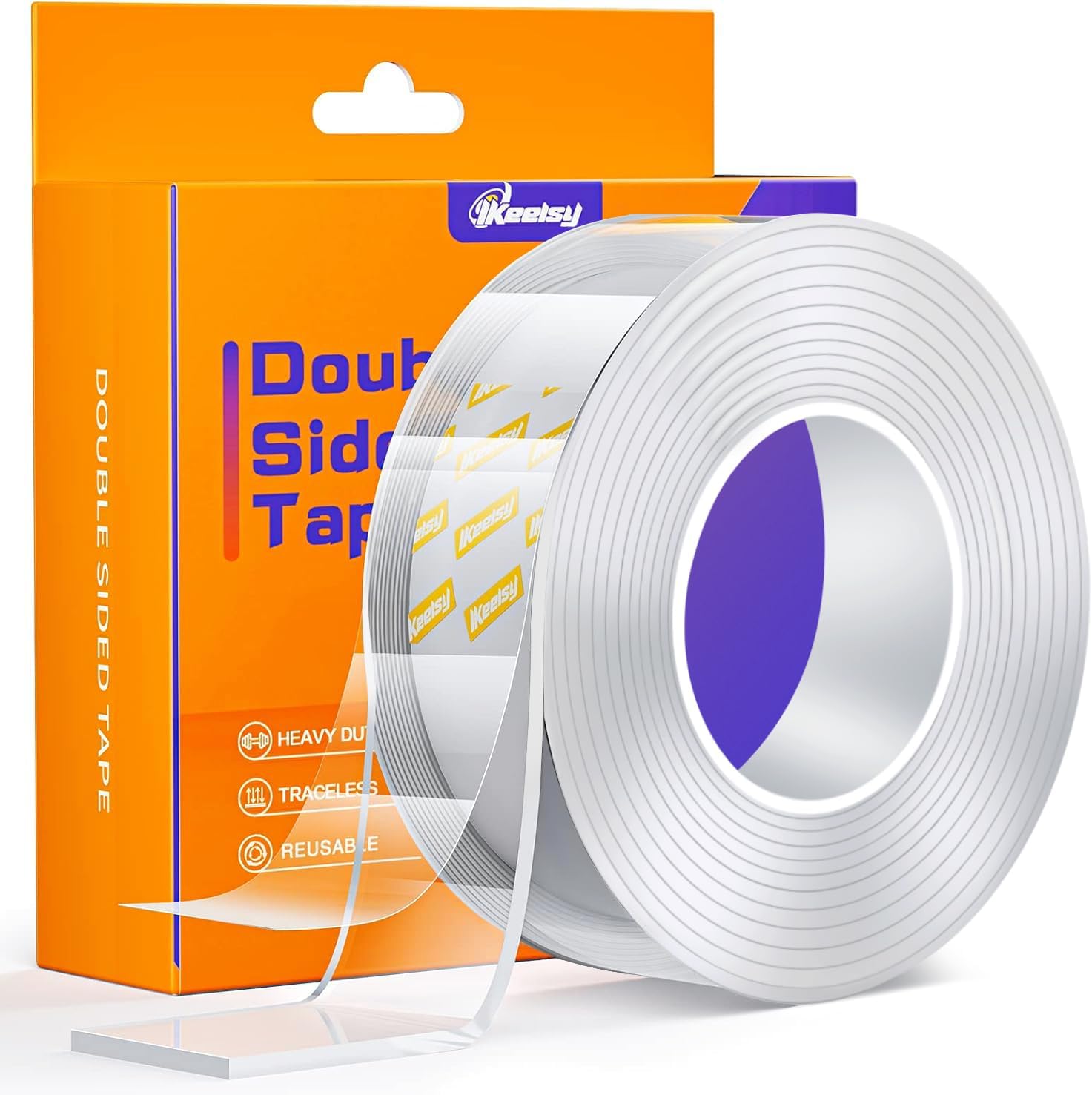
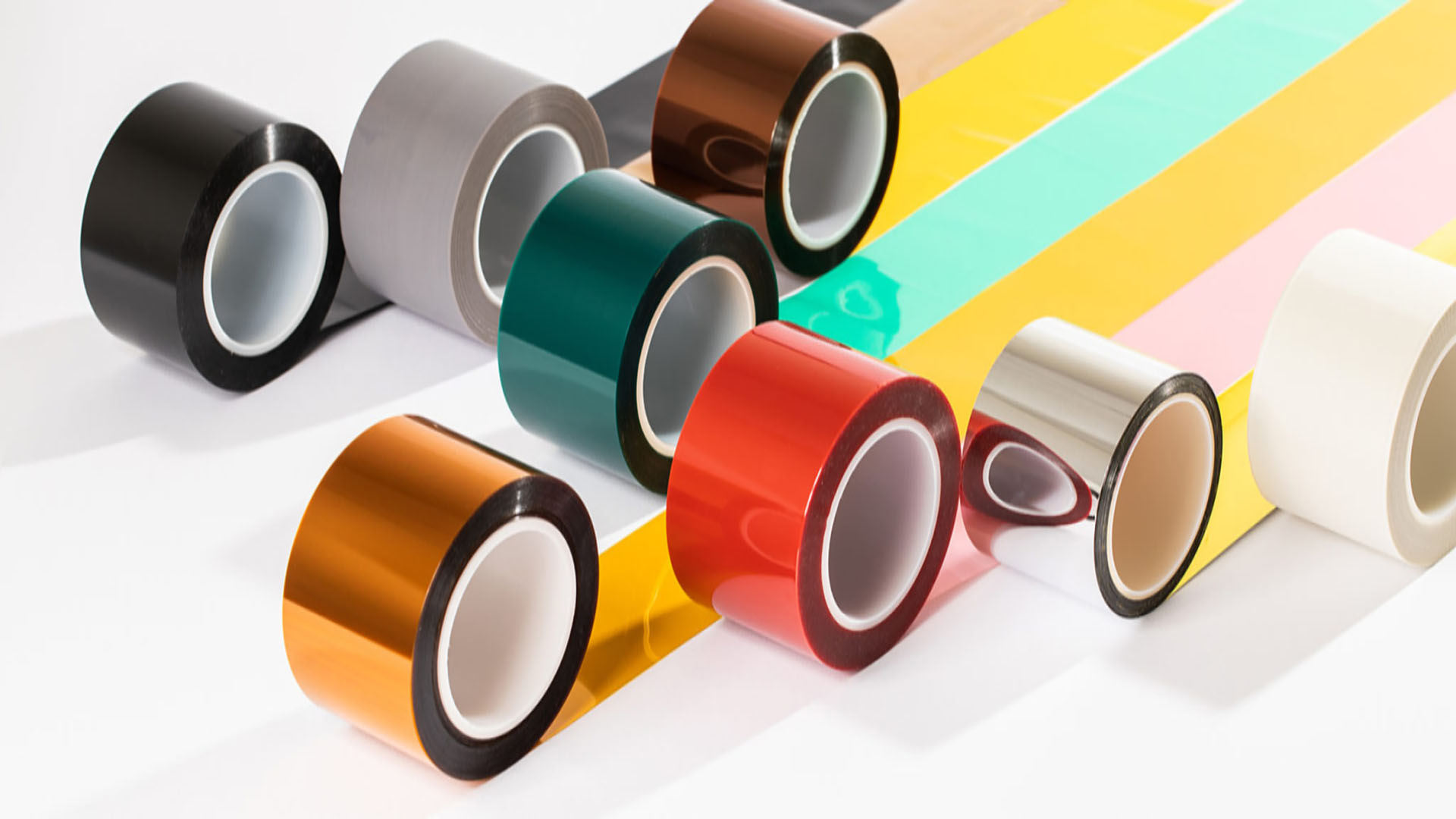
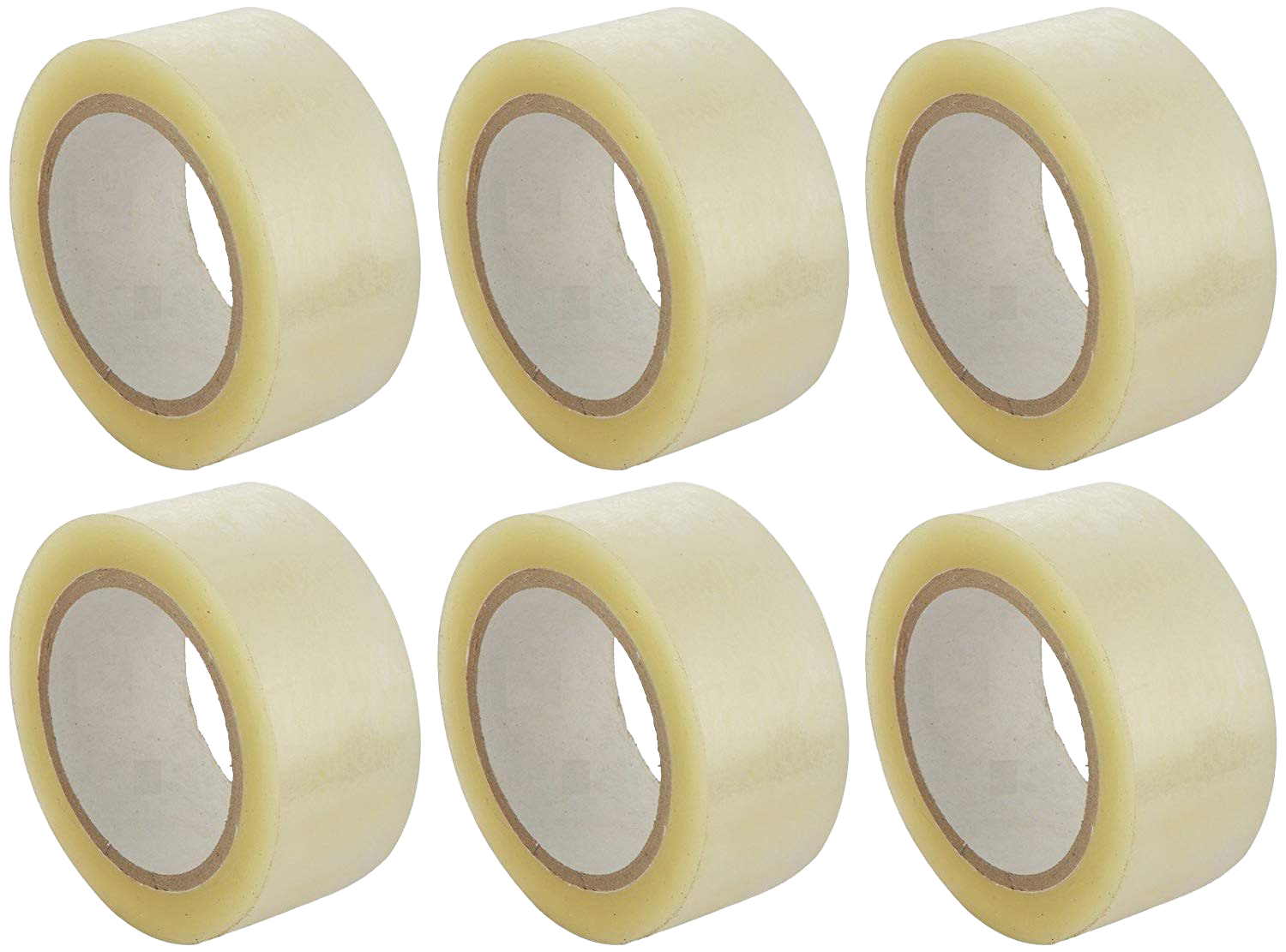
Adhesive tape is a functional bonding solution comprised of a backing material coated with a pressure-sensitive adhesive (PSA) that joins objects together through surface contact. Unlike liquid glues, it requires no heat or solvent activation, providing an immediate, dry-bond alternative to mechanical fasteners. Selecting the appropriate tape involves balancing adhesive chemistry, substrate surface energy, and environmental durability.
The Engineering Anatomy of Adhesive Tape
To understand why a specific tape fails or succeeds, one must look at its multi-layered construction. While it appears as a single strip, high-performance adhesive tape is a complex composite of several distinct components. In 2026, manufacturing advancements have further refined these layers to improve sustainability and bond strength.
The Backing (Carrier)
The backing, or carrier, is the structural foundation of the tape. It determines the tape's tensile strength, flexibility, and resistance to environmental factors. Common materials include:
- Polymer Films: Primarily BOPP (Biaxially Oriented Polypropylene) or PET (Polyester). These are favored for packaging due to their high clarity and tensile strength.
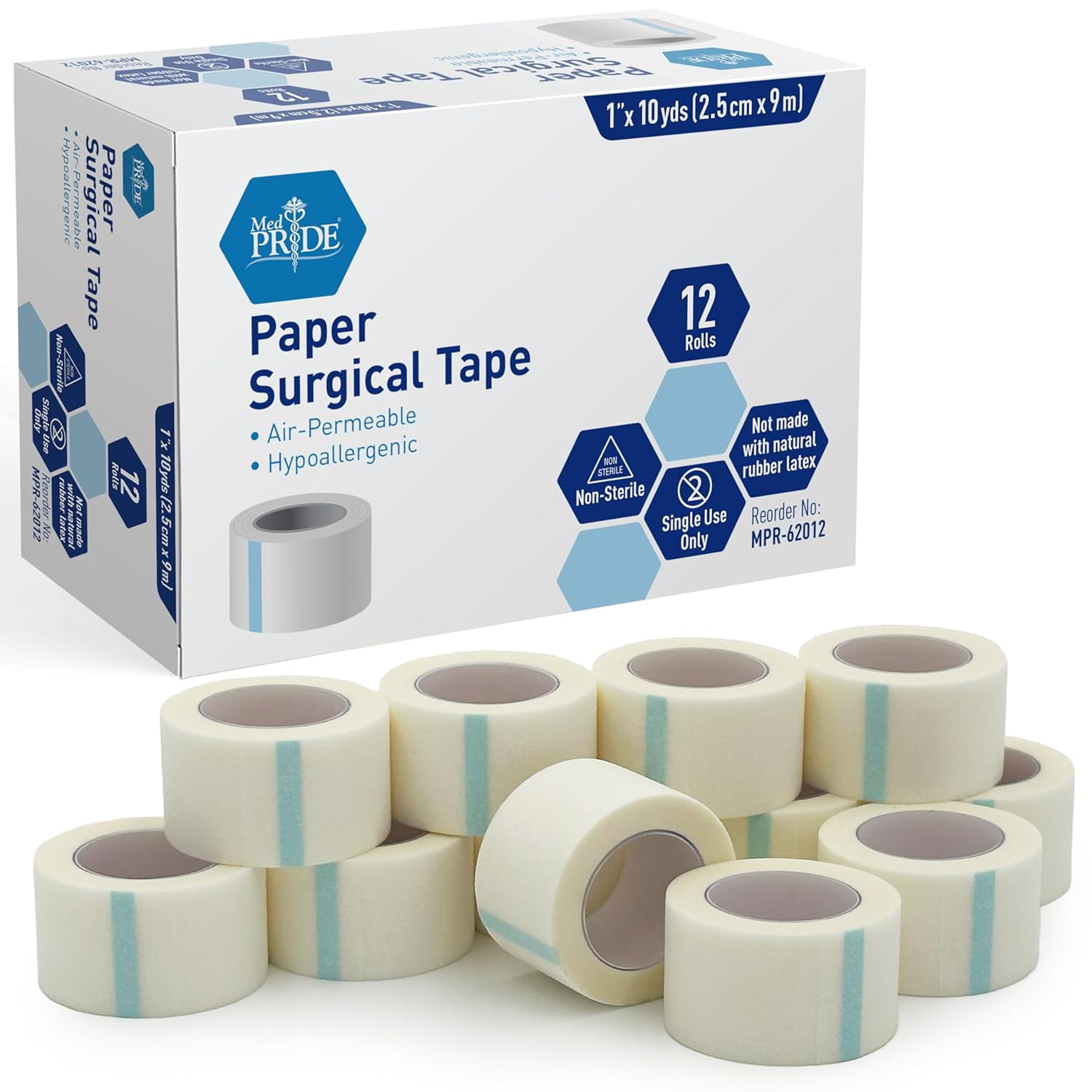
- Paper: Used in masking and medical tapes. It is often saturated with resins to provide moisture resistance while remaining hand-tearable.
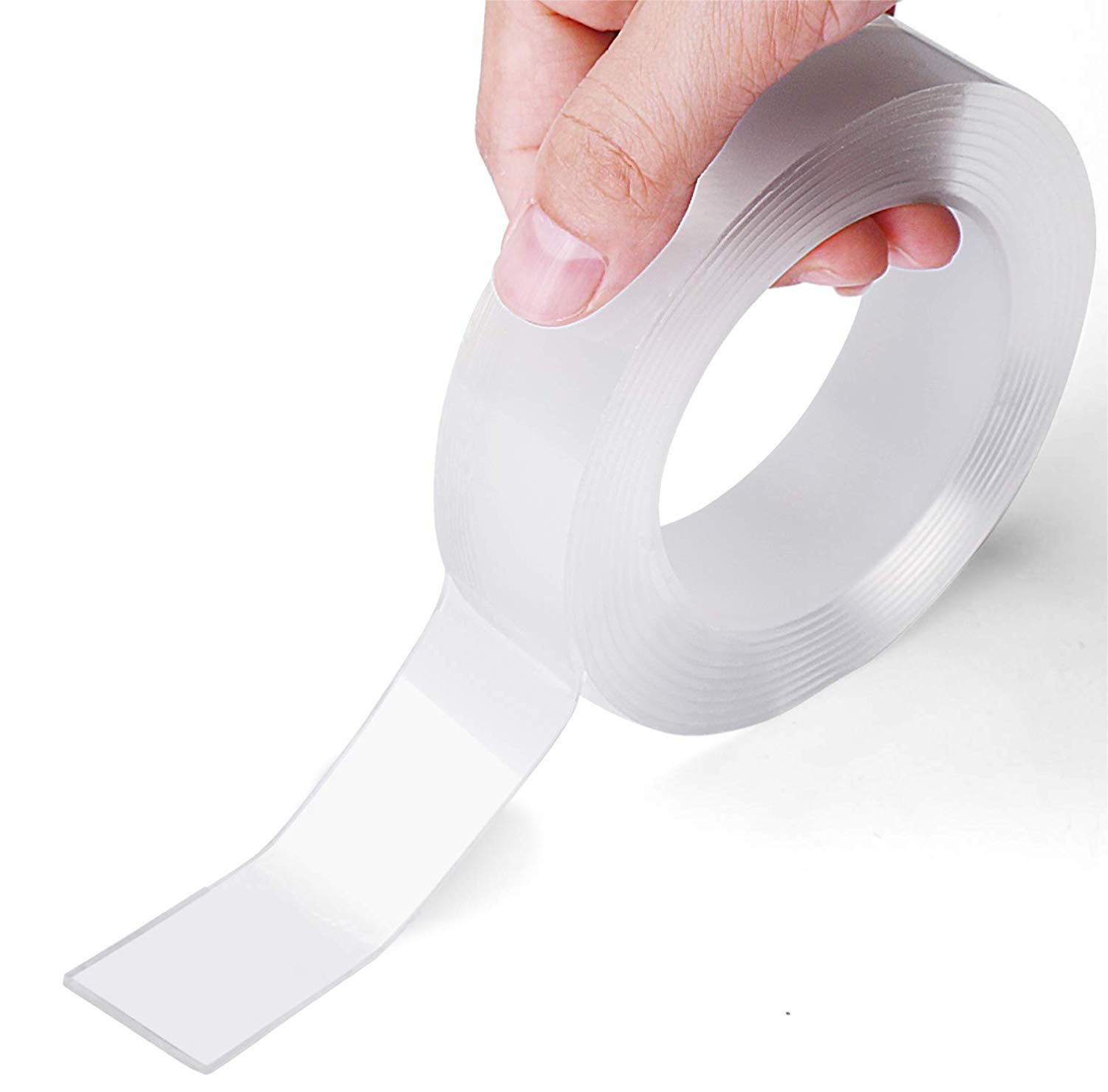
- Foam: Utilized in mounting and gasketing (like VHB tapes). Foam carriers allow the tape to conform to irregular surfaces and absorb vibrations.
- Cloth and Foil: Cloth provides high abrasion resistance (duct tape), while aluminum or copper foils offer thermal and electrical conductivity.
The Adhesive System
The adhesive layer is where the chemical bonding occurs. Most modern tapes use Pressure Sensitive Adhesives (PSAs). In 2026, three primary chemistries dominate the market:
- Rubber-Based: Known for "high initial tack," these adhesives grab surfaces quickly. However, they have poor UV resistance and can degrade at high temperatures.
- Acrylic-Based: These offer superior longevity, UV stability, and temperature resistance. They "build" bond strength over time, typically reaching maximum adhesion after 72 hours.
- Silicone-Based: These are the gold standard for extreme temperatures (up to 500°F) and are often the only adhesives that will bond to silicone-treated surfaces.
Primers and Release Liners
A primer is often applied between the backing and the adhesive to ensure the glue stays attached to the carrier during unwind. Conversely, the "release coat" on the top side of the backing prevents the tape from sticking to itself on the roll. For double-sided tapes, a release liner (usually siliconized paper or film) protects the secondary adhesive face until application.
The Physics of Bonding: Adhesion vs. Cohesion
Achieving a permanent bond requires more than just "stickiness." It requires a balance of two physical forces: adhesion and cohesion.
Adhesion is the attraction between the adhesive and the substrate (the surface being stuck to). This is influenced by "wetting," which is the ability of the adhesive to flow into the microscopic valleys of a surface. If an adhesive cannot "wet out" a surface, the bond will be weak.
Cohesion is the internal strength of the adhesive itself. If an adhesive has high adhesion but low cohesion, it might stick to the wall perfectly but split down the middle when pulled, leaving a sticky residue behind. This is a common failure point in low-quality packing tapes.
The Role of Surface Energy
Surface energy is the "attractiveness" of a material to an adhesive. Metals and glass have High Surface Energy (HSE), making them easy to bond. Conversely, plastics like Polyethylene (PE) and Polypropylene (PP) have Low Surface Energy (LSE), often likened to a non-stick frying pan. In 2026, specialized LSE-modified acrylic tapes are standard for automotive and electronics manufacturing where these plastics are prevalent.
Technical Comparison of Major Tape Categories
The following table outlines the performance characteristics of the most common adhesive tapes used in industrial and consumer settings as of 2026.
| Tape Type | Primary Adhesive | Typical Backing | Temp Range | Best Application |
|---|---|---|---|---|
| Duct Tape | Synthetic Rubber | PE-Coated Cloth | 20°F – 200°F | Temporary repairs, bundling |
| Masking Tape | Natural Rubber | Crepe Paper | 50°F – 150°F | Painting, light labeling |
| Acrylic Foam (VHB) | High-Bond Acrylic | Acrylic Foam | -40°F – 300°F | Structural mounting, glass |
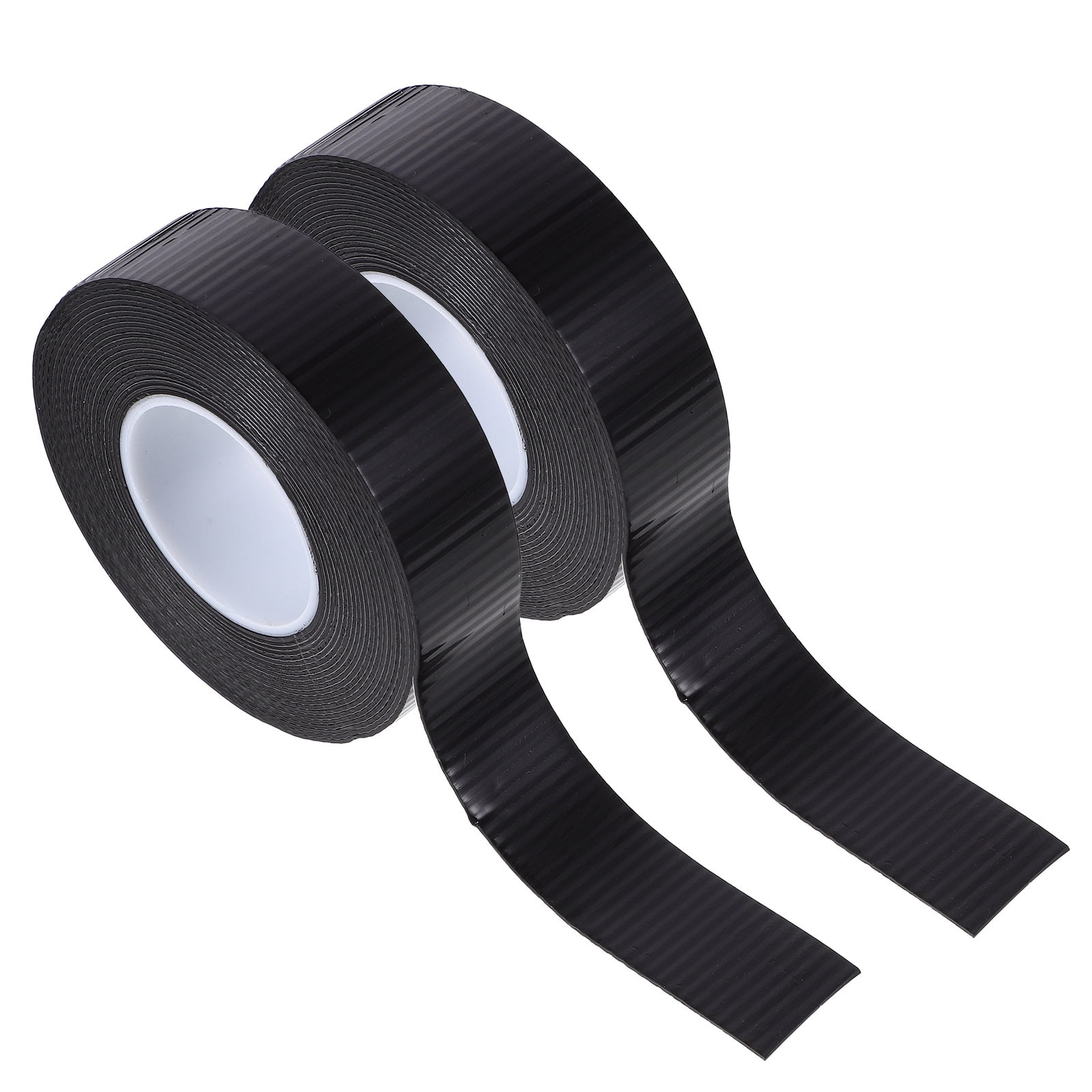
| Electrical Tape | Rubber | Plasticized PVC | 32°F – 176°F | Wire insulation, color coding |
| Shipping Tape | Acrylic or Hot Melt | BOPP Film | 30°F – 140°F | Box sealing, logistics |
| Kapton (Polyimide) | Silicone | Polyimide Film | -450°F – 500°F | Aerospace, circuit boards |
Selection Criteria: Choosing the Right Tape
Selecting a tape based solely on price often leads to mechanical failure. Professional selection requires evaluating the "Five Pillars of Tape Performance."
1. Substrate Compatibility
As discussed, you must identify if the surface is HSE (Metal/Glass) or LSE (Plastics/Powder coatings). If you are bonding to a porous surface like wood or concrete, you require a thicker adhesive mass to penetrate the pores.
2. Environmental Exposure
Will the bond be exposed to direct sunlight? If so, rubber-based adhesives will yellow and become brittle within months; acrylic is mandatory. For outdoor use in 2026, ensuring the tape meets ASTM G154 standards for UV exposure is a baseline requirement for construction-grade tapes.
3. Stress and Load Type
Tapes handle different types of stress with varying degrees of success:
- Tensile Stress: Pulling straight apart.
- Shear Stress: Sliding forces parallel to the bond.
- Peel Stress: Pulling at an angle (the most common cause of failure). Foam tapes are superior for shear stress because the foam core distributes the load across the entire surface area.
4. Dwell Time
One of the most frequent errors is testing a bond immediately after application. While rubber tapes have high "grab," acrylic tapes require a "dwell time." Typically, 50% of the bond strength is achieved after 20 minutes, 90% after 24 hours, and 100% after 72 hours.
5. Application Temperature
Applying tape in freezing conditions is a recipe for failure. Most adhesives become "glassy" and lose their tack at low temperatures. If application must occur below 50°F (10°C), a specialized "cold-weather" tape with a modified adhesive is necessary.
Best Practices for Surface Preparation
Even the highest-grade industrial tape will fail if the surface is contaminated. Proper preparation is non-negotiable for structural or long-term bonds.
- Cleaning: Use a 50/50 mixture of Isopropyl Alcohol (IPA) and water. Avoid glass cleaners or citrus-based cleaners, as they often leave behind a microscopic film that acts as a release agent.
- Abrasion: For heavy-duty mounting, lightly scuffing the surface with a fine abrasive pad (like Scotch-Brite) increases the surface area for bonding. Always re-clean after abrading to remove dust.
- Pressure: PSAs are called "pressure-sensitive" for a reason. They require physical force to flow into the surface. Using a J-roller or firm thumb pressure is essential to initiate the bond.
- Dryness: Ensure the surface is completely dry. Moisture trapped under the adhesive will cause "tackified" failure over time.
Sustainability and Innovation in 2026
The adhesive tape industry has undergone a significant shift toward "Green Chemistry." In 2026, major manufacturers have prioritized solvent-free coating processes, reducing Volatile Organic Compounds (VOCs).
We are also seeing the rise of bio-based carriers, where traditional petroleum-derived plastics are replaced by polylactic acid (PLA) or recycled PET (rPET). Furthermore, "smart tapes" are emerging in the medical field, incorporating sensors that change color to indicate moisture levels or temperature fluctuations in clinical dressings.
Frequently Asked Questions
How do I remove adhesive residue without damaging the surface?
Adhesive residue is best removed by "like-for-like" or chemical dissolution. First, try using a piece of the same tape to "lift" the residue by dabbing it repeatedly. If that fails, a solvent such as Isopropyl Alcohol or a specialized heptane-based adhesive remover is effective. For delicate plastics, always test a small, inconspicuous area first to ensure the solvent doesn't melt the substrate.
Does adhesive tape have an expiration date?
Yes, most adhesive tapes have a shelf life of 12 to 24 months from the date of manufacture. Over time, the chemical plasticizers in the adhesive can migrate or oxidize, leading to a loss of tack or the adhesive becoming "gooey" and separating from the backing. To maximize shelf life, store tape in a cool, dry place (60-70°F) away from direct sunlight.
Why does tape fail to stick to certain plastics?
Plastics like Polypropylene and Polyethylene have very low surface energy, meaning they naturally repel most liquids and adhesives. Think of it like water beading on a waxed car. To stick to these surfaces, you need a "High-Tack" LSE-specific acrylic adhesive or a surface primer that artificially raises the surface energy of the plastic.
Can adhesive tape be recycled?
Standard plastic or cloth tapes are generally not recyclable because the adhesive contaminates the recycling stream. However, in 2026, "certified repulpable" paper tapes are widely available for cardboard packaging. These tapes are designed to dissolve completely during the paper recycling process, allowing the entire box to be processed without manual tape removal.
Is electrical tape the same as duct tape?
No, they serve entirely different purposes. Electrical tape is made of PVC, which is highly flexible and engineered to be an electrical insulator (dielectric). It is designed to stretch and "self-fuse" around wires. Duct tape has a fabric reinforcement and is designed for mechanical strength and moisture resistance, but it is not a safe or legal insulator for electrical wiring.
Professional Recommendation for Implementation
When integrating adhesive tapes into a project or manufacturing process, the most critical step is the Pilot Test. Because environmental conditions and substrate variations are unique to every site, laboratory data sheets should be used as a guideline rather than a guarantee.
Begin by identifying the material of your substrates and the maximum load they must carry. For permanent structural needs, transition from thin tapes to Acrylic Foam Tapes (VHB), ensuring you follow the 72-hour dwell time protocol. For temporary applications, prioritize "clean-remove" tapes to avoid costly labor in residue cleanup. Always document your application temperature and surface preparation steps to ensure consistency across your project.