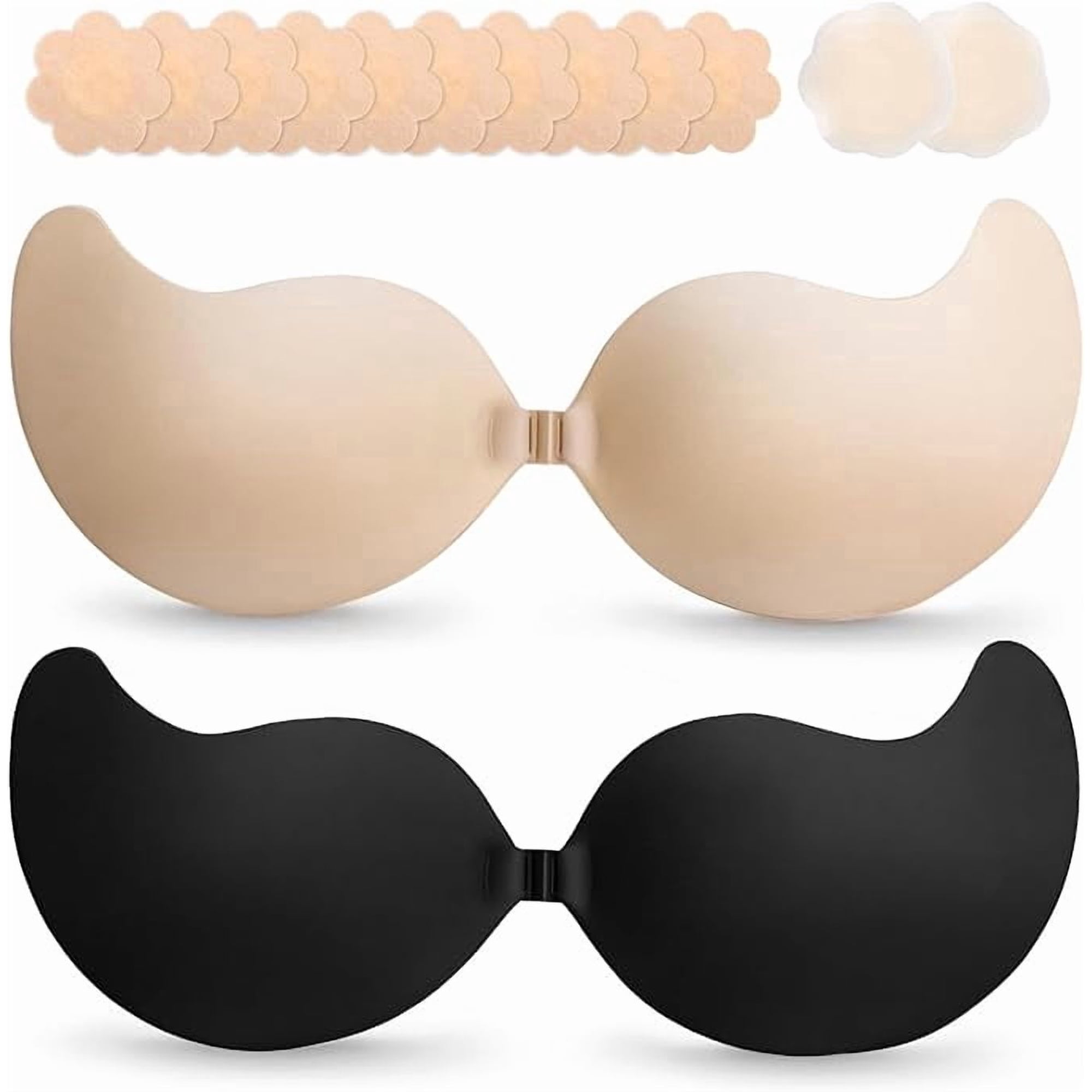
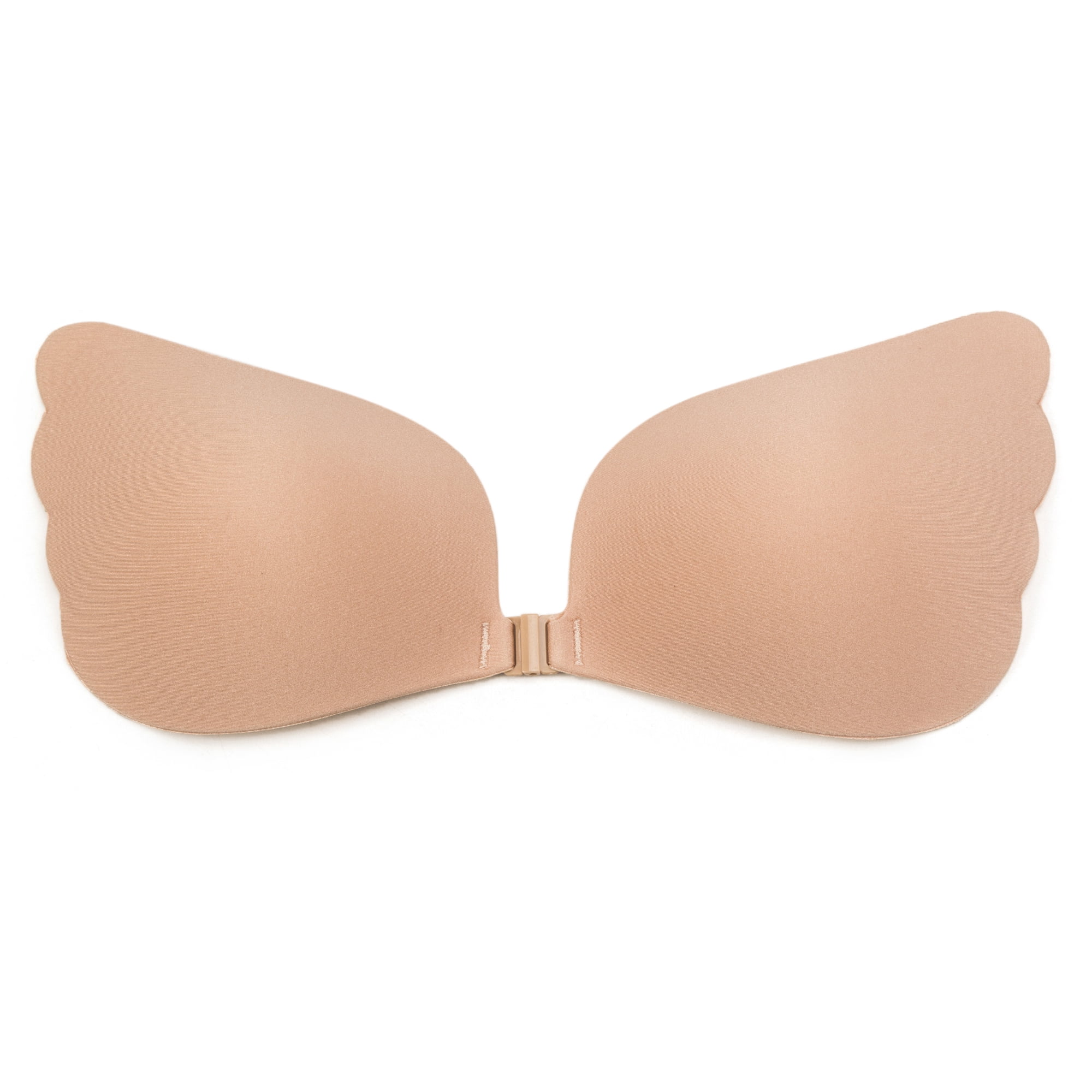
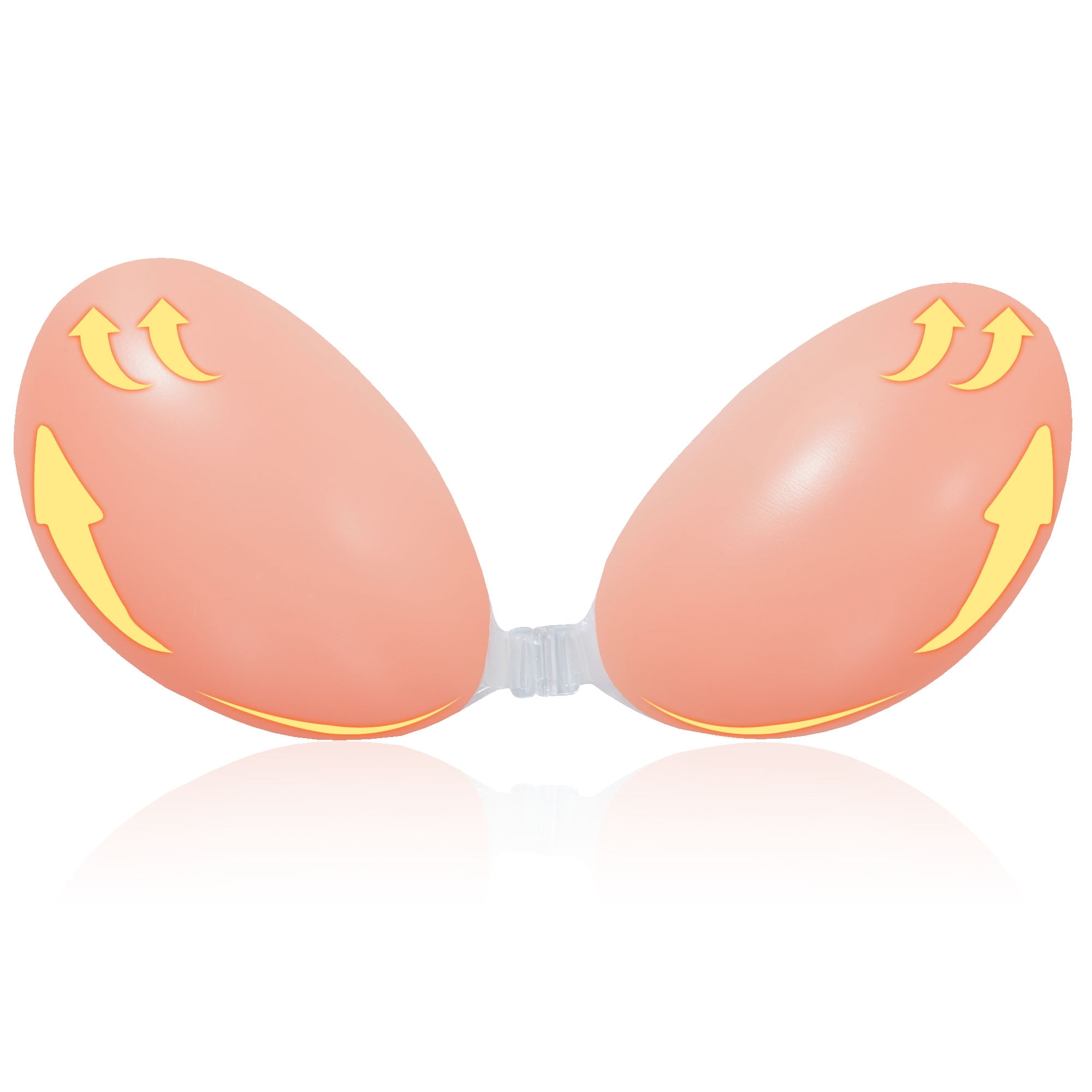
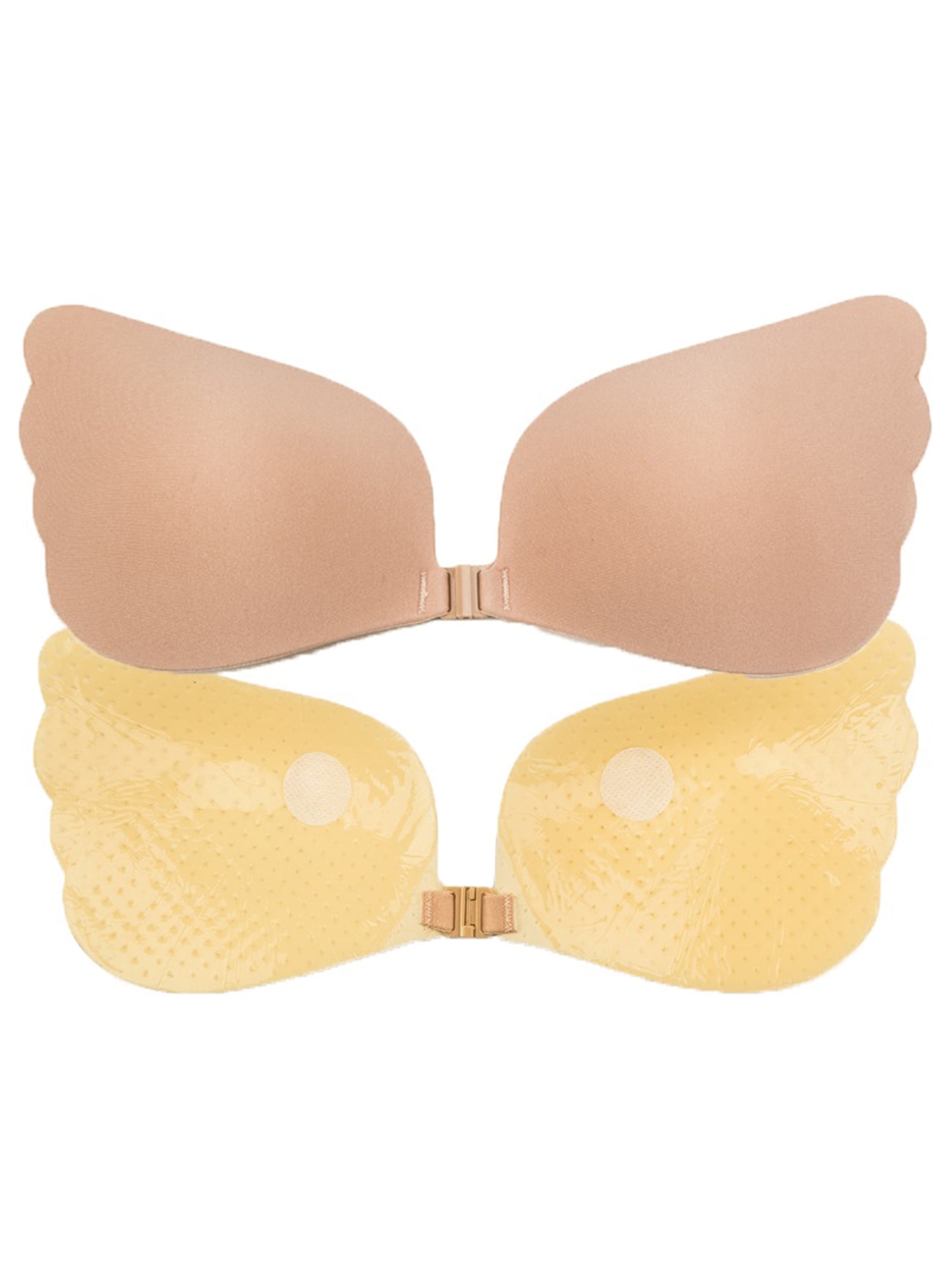
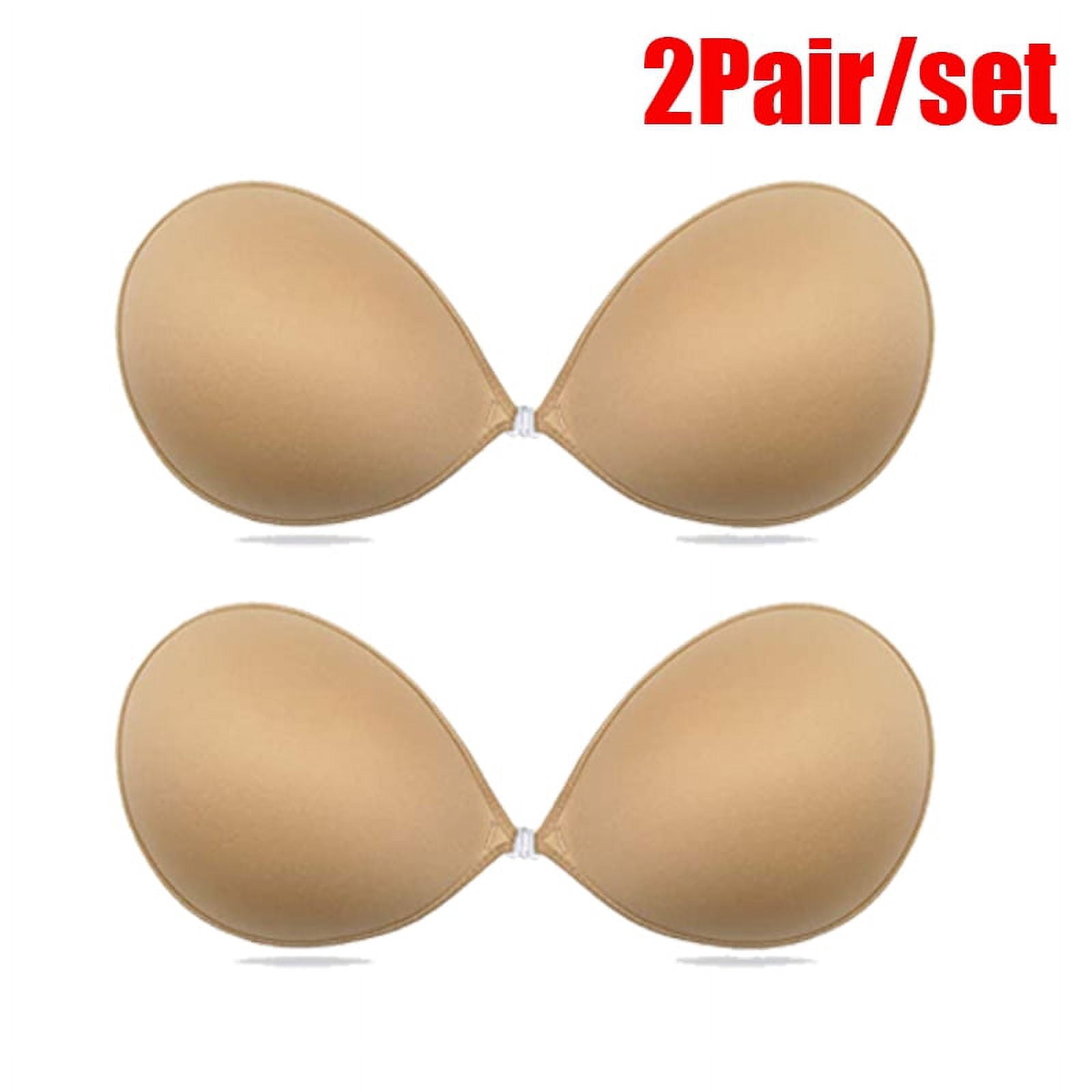
Adhesive bras are specialized, backless, and strapless undergarments designed to adhere directly to the skin using medical-grade silicone or acrylic-based adhesives. They provide coverage, shaping, and modest lift for outfits with challenging necklines or open backs. Success with these bras requires precise skin preparation, correct positioning, and diligent post-wear maintenance to preserve the adhesive’s integrity.
Essential Varieties of Adhesive Bras and Material Science
In 2026, the market for adhesive bras has matured significantly, moving beyond simple "sticky cups" to sophisticated engineering that balances skin health with structural support. Understanding the material composition is the first step in selecting the right product for your specific needs. There are generally two primary categories of adhesive bras, each utilizing different structural components and adhesive chemistries.
Silicone Adhesive Bras
Silicone models are constructed entirely or primarily from medical-grade silicone. These bras are favored for their ability to mimic the natural feel and movement of breast tissue. Because they are molded from a single material, they offer a seamless look under sheer or tight-fitting fabrics, such as silk or satin.
The adhesive used in these bras is typically a proprietary blend of silicone polymers that rely on surface tension and high-tack properties. One of the primary advantages of silicone is its durability; with proper care, high-quality silicone bras in 2026 can maintain their stickiness for 50 to 100 wears. However, silicone is non-porous and heavier than fabric alternatives. This weight can sometimes lead to a "dragging" sensation if the bra is not applied correctly, and the lack of breathability means sweat can accumulate quickly between the skin and the adhesive.
Fabric and Polyurethane Foam Bras
Fabric-based adhesive bras feature a lightweight foam or polyester outer shell with an adhesive coating on the interior. These are significantly lighter than silicone versions, making them more comfortable for extended wear or for individuals with larger cup sizes who require more "lift" without the added weight of silicone.
These models often incorporate a front clasp or "wing" extensions that provide more significant cleavage enhancement. Because the outer layer is fabric, they are more breathable than silicone, though they may be more visible under very thin or form-fitting clothing due to the thickness of the foam edges. The adhesive on fabric bras is often more aggressive initially but may have a shorter overall lifespan compared to pure silicone models.
The Physics of Support: How Adhesive Bras Function Without Straps
The primary challenge of an adhesive bra is providing support against the force of gravity without the mechanical advantage of shoulder straps or a back band. To achieve this, adhesive bras utilize a combination of skin-adhesion surface area and horizontal tension.
Surface Tension and Adhesion
The bond between the bra and the skin is a physical one, created by the adhesive filling the microscopic irregularities of the skin's surface. This is why skin preparation is the most critical factor in the bra's performance. Any barrier—be it sebum (natural skin oil), moisturizer, or dead skin cells—acts as a lubricant that breaks the "lock" between the adhesive and the epidermis.
Strategic Tensioning
Most adhesive bras consist of two separate cups joined by a center clasp. The support is generated through a "scoop and clip" method. By applying the cups further apart than the natural position of the breasts and then pulling them together to close the clasp, the bra creates lateral tension. This tension pushes the breast tissue toward the center, creating cleavage and a lifting effect. Without this tension, the bra provides coverage but very little in the way of structural support.
Detailed Application Guide for Maximum Security
Applying an adhesive bra is a technical process that cannot be rushed. Failure to follow these steps often results in the bra slipping or peeling away mid-event.
- Skin Preparation (The "Dry Zone" Rule): Begin with skin that is completely clean and dry. Avoid using moisturizing body washes in the shower prior to application. Do not apply lotions, perfumes, oils, or powders to the chest area. Even "long-wear" moisturizers applied hours earlier can migrate and compromise the bond. For those with oily skin, a quick swipe with an alcohol-free toner can help remove surface oils without over-drying.
- The Flip-and-Press Technique: Many users make the mistake of trying to "slap" the bra onto the chest like a sticker. Instead, turn the cup inside out (convex) and hold it by the edges. Position the cup at your desired angle—usually tilted slightly outward. Press the center of the cup against the breast and then gradually smooth the edges onto the skin, working from the center out to avoid trapping air bubbles.
- The Lean-In Method: To maximize lift, lean forward at a 45-degree angle during application. This allows gravity to pull the breast tissue into the cup naturally. Once the cup is adhered, stand upright; the adhesive will hold the tissue in that lifted position.
- Heat Activation: Once both cups are in place and the clasp is secured, press your palms firmly against the cups for 30 to 60 seconds. The warmth from your hands helps the adhesive "set" and form a more secure bond with the skin’s contours.
Comparison of Adhesive Bra Types
The following table compares the three most common configurations of adhesive bras available in 2026 to help determine which is best for various scenarios.
| Feature | Pure Silicone Cups | Fabric-Front Cups | Wing-Style Adhesive Bras |
|---|---|---|---|
| Weight | Heavy | Light | Medium |
| Primary Benefit | Natural look/feel | Breathability | Maximum side support |
| Best Under... | Sheer/Satin fabrics | T-shirts/Cotton | Backless gowns |
| Typical Lifespan | 50+ Wears | 25-40 Wears | 20-30 Wears |
| Lift Level | Low to Medium | Medium | Medium to High |
| Sweat Resistance | Low (non-porous) | Moderate | Moderate |
Sanitization and Maintenance: Preserving the Adhesive Bond
An adhesive bra is an investment that requires specific maintenance. The common misconception that washing "rubs off" the glue is incorrect; rather, it is the accumulation of skin cells and oils that masks the adhesive. Removing these contaminants restores the tackiness.
The Washing Process
Wash the bra after every single use. Even if you didn't feel sweaty, microscopic skin oils have transferred to the adhesive. Use lukewarm water and a mild, fragrance-free soap or a specialized "adhesive bra cleanser." Avoid using your fingernails or any abrasive sponges; use only the pads of your fingers to gently massage the adhesive surface in a circular motion.
The Drying Protocol
Never use a towel to dry the adhesive side of the bra, as lint will permanently embed itself in the glue. Shake off excess water and place the cups on a flat surface, adhesive side up, in a dust-free environment. Avoid direct sunlight, as UV rays can degrade the polymers in the adhesive.
Storage for Longevity
Once completely dry, immediately re-apply the original plastic protective films that came with the bra. This is the most crucial step in 2026 maintenance. If you have lost the films, high-quality plastic wrap can serve as a temporary substitute. Store the cups in their original molded tray to prevent them from losing their shape or being crushed.
Safety Considerations and Skin Health Protocols
While modern adhesives are generally safe, they are not suitable for all skin types or conditions. Prolonged occlusion (blocking the skin from air) can lead to irritation.
- Wear Time Limits: It is generally recommended not to wear an adhesive bra for more than 6 to 8 hours at a time. Extended wear increases the risk of "maceration," where the skin becomes soft and fragile due to trapped moisture (sweat).
- Patch Testing: If you have sensitive skin, perform a patch test. Wear the bra for two hours at home before committing to a full-day event. Check for redness, itching, or blistering.
- Sunburn and Broken Skin: Never apply adhesive to sunburnt, irritated, or broken skin. The removal process can tear the healing epidermis, leading to scarring or infection.
- Removal Technique: Do not "rip" the bra off like a bandage. This can cause skin trauma. Instead, support the skin with one hand and gently peel the bra away with the other, moving from the top down. If the adhesive feels too tight, a small amount of baby oil applied to the edges can help break the bond—though this will require a very thorough cleaning of the bra afterward.
Troubleshooting Performance Failures in High-Humidity Environments
Sweat is the primary cause of adhesive failure. In high-humidity environments or during active events (like dancing), the moisture produced by the skin can create a liquid barrier that causes the bra to slide.
If you anticipate heavy sweating, consider using a skin barrier spray or a specialized "adhesive primer." These products are designed to create a microscopic, breathable film on the skin that increases the surface area for the adhesive to grab onto while providing some resistance to moisture. Additionally, if you feel the bra slipping, find a restroom, remove the cups, pat both the skin and the adhesive dry with a clean paper towel (avoiding lint-heavy tissues), and re-apply.
Common Mistakes to Avoid
- Sizing Up: Many users believe a larger cup will offer more "coverage," but in adhesive bras, a cup that is too large will have gaps at the edges. These gaps allow air and moisture to enter, leading to total adhesive failure. Most experts suggest sticking to your true cup size or even sizing down one cup if you are between sizes.
- Over-Cleaning: While washing is necessary, using harsh detergents or alcohol-based cleaners will dry out the adhesive, making it brittle and prone to cracking.
FAQ
Can I wear an adhesive bra if I have a large chest?
Yes, but the expectations for "lift" must be managed. For cup sizes D and above, look for fabric-based adhesive bras with reinforced "wings" or those that use a vertical "lifting" tab. These designs provide more surface area for the adhesive to grip, distributing the weight more effectively than a simple circle of silicone.
How many times can I actually reuse an adhesive bra?
While manufacturers often claim 50+ uses, the practical lifespan depends on your skin type and environment. Individuals with oily skin or those living in hot climates may find the adhesive loses its "grip" around 20-30 wears. Proper washing after every use is the only way to maximize this number.
What should I do if my bra loses its stickiness?
If the bra is no longer sticking despite being clean, the adhesive may have reached its end of life or been contaminated by oils. You can try a "deep clean" using a very small amount of rubbing alcohol on a lint-free cloth—wipe the adhesive surface once and let it dry. This is a "last resort" tactic as it can eventually degrade the material, but it can often squeeze 5-10 more wears out of a failing bra.
Is it safe to wear an adhesive bra during pregnancy?
Generally, yes, but be aware that skin sensitivity often increases during pregnancy due to hormonal changes. Additionally, breast size and shape can fluctuate rapidly, which may cause the bra to fit poorly or create uncomfortable pressure points. Always monitor for skin irritation.
Determining Your Ideal Adhesive Solution
When choosing an adhesive bra in 2026, the final decision should be dictated by your outfit's architecture and the duration of the event. For a wedding or a long-form gala where you will be moving and potentially sweating, a lightweight fabric-based wing bra offers the best security-to-comfort ratio. For a short photoshoot or a highly sheer "second-skin" dress, a pure silicone model provides the most seamless aesthetic. Always prioritize skin health by adhering to wear-time limits and performing diligent post-event care to ensure your adhesive bra remains a reliable tool in your wardrobe.