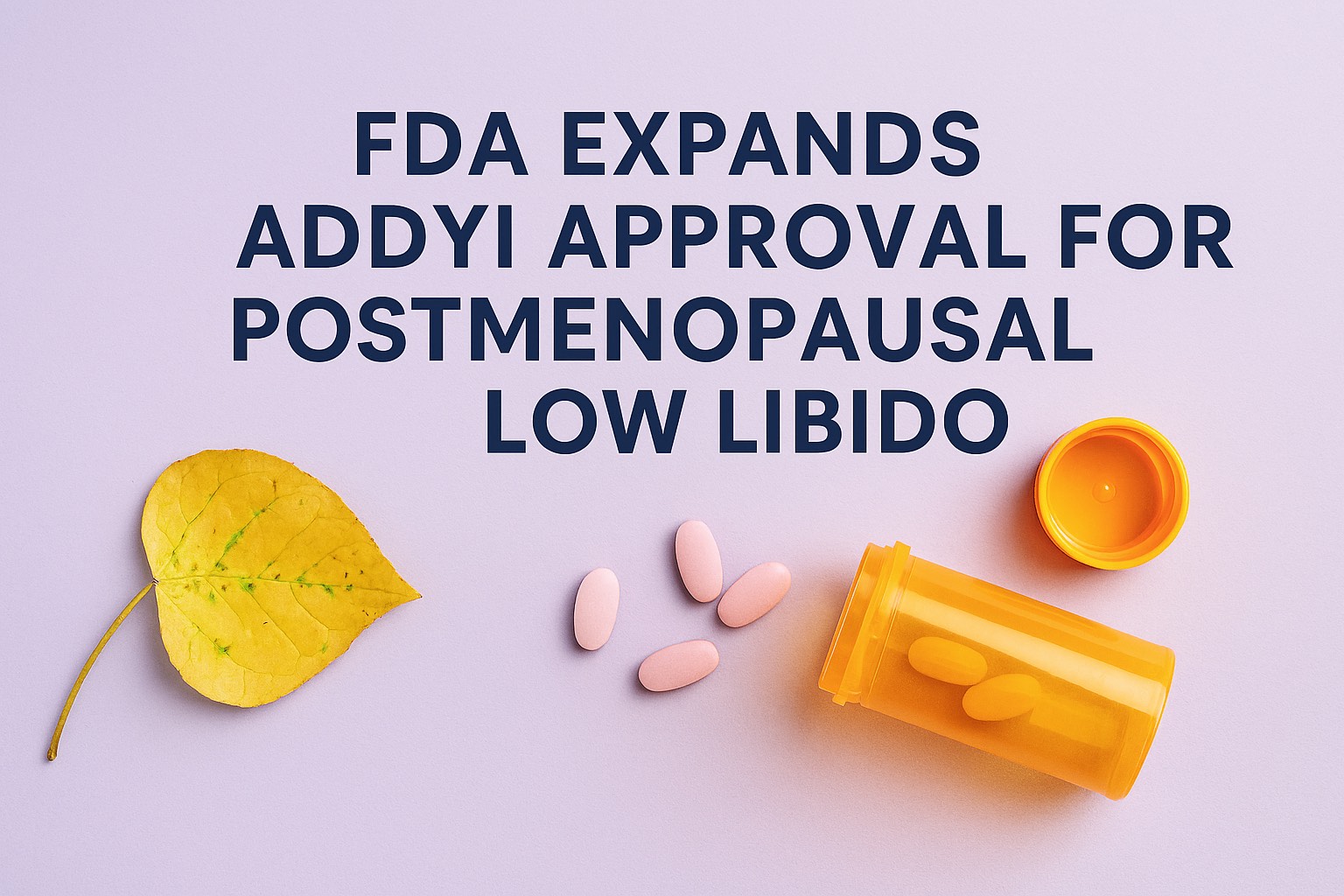
Addyi is pronounced AD-dee (rhyming with "caddy" or "daddy"). It is the brand name for the medication flibanserin, which was the first drug approved by the FDA to treat acquired, generalized Hypoactive Sexual Desire Disorder (HSDD) in premenopausal women, focusing on increasing sexual desire and reducing associated distress.
Understanding Addyi Pronunciation and Phonetics
While the spelling of Addyi might suggest several phonetic interpretations, the official and most common pronunciation is a simple two-syllable sound: AD-dee. The emphasis is placed on the first syllable, which uses a short "a" sound, followed by a soft "d" and a long "e" sound at the end. It is often helpful for patients and healthcare providers to remember the rhyme with "caddy" to ensure clear communication during clinical consultations.
The name was designed to be distinct yet approachable, distancing the medication from the "Viagra" branding that dominates the male sexual health market. Because Addyi works on the brain’s neurotransmitters rather than blood flow, the phonetic softness of the name reflects its neurological mechanism. Mispronunciations such as "Add-eye" or "Ah-dee-eye" are common but incorrect. Correct pronunciation is essential for patients when discussing their prescriptions with pharmacists or navigating insurance coverage, as clarity helps prevent dispensing errors.
What is Addyi? A Comprehensive Overview
Addyi, known generically as flibanserin, is a non-hormonal pill used to treat Hypoactive Sexual Desire Disorder (HSDD). Unlike medications for male sexual dysfunction that primarily address physical arousal or blood flow, Addyi is classified as a multifunctional serotonin agonist-antagonist (MSAA). It targets the brain's chemistry to balance the chemicals responsible for sexual desire and inhibition.
The medication was originally developed as an antidepressant before researchers discovered its specific impact on female libido. In August 2015, the U.S. Food and Drug Administration (FDA) approved Addyi, marking a historic milestone in women’s sexual health. It is specifically indicated for women who have not gone through menopause and who experience low sexual desire that causes them distress or interpersonal difficulty. Crucially, Addyi is intended for "acquired" HSDD—meaning the low desire developed in a person who previously had no issues with libido—rather than "lifelong" HSDD. Furthermore, it is not used for low desire caused by a co-existing medical or psychiatric condition, problems within the relationship, or the effects of other medications.
Essential Quick Facts and Technical Specifications
To understand the role of Addyi in modern medicine as of 2026, it is helpful to look at its core specifications and the clinical framework surrounding its use. The following table provides a snapshot of the medication's primary attributes.
| Feature | Specification |
|---|---|
| Generic Name | Flibanserin |
| Drug Class | Multifunctional Serotonin Agonist-Antagonist (MSAA) |
| FDA Approval Date | August 18, 2015 |
| Primary Indication | Acquired, generalized HSDD in premenopausal women |
| Dosage Form | 100 mg oral tablet |
| Frequency | Once daily, specifically at bedtime |
| Manufacturer | Sprout Pharmaceuticals |
| Common Side Effects | Dizziness, somnolence (sleepiness), nausea, fatigue |
| Alcohol Interaction | Risk of severe hypotension and syncope (fainting) |
The Science Behind Flibanserin: How It Works
Addyi operates on a neurological level, making it fundamentally different from phosphodiesterase-5 (PDE5) inhibitors like sildenafil. The human sexual response cycle is governed by a delicate balance between excitatory and inhibitory signals in the brain. Excitatory signals are driven largely by dopamine and norepinephrine, which are associated with sexual grooming and interest. Inhibitory signals are driven by serotonin.
In women with HSDD, it is theorized that this balance is disrupted—either the "brakes" (serotonin) are too strong or the "accelerator" (dopamine/norepinephrine) is too weak. Addyi acts as an agonist at the 5-HT1A receptor and an antagonist at the 5-HT2A receptor. By modulating these specific serotonin receptors, the drug is thought to decrease the inhibitory effects of serotonin while indirectly boosting the release of dopamine and norepinephrine in the prefrontal cortex.
Because this mechanism involves altering brain chemistry over time, Addyi is not a "performance" drug taken immediately before sexual activity. Instead, it requires daily administration to maintain the neurochemical balance necessary for the gradual return of sexual desire. Most clinical trials showed that patients began to see meaningful improvements after 4 to 8 weeks of consistent use.
Identifying and Diagnosing HSDD
A critical part of the Addyi "quick facts" is understanding exactly who the medication is for. Hypoactive Sexual Desire Disorder is a recognized medical condition characterized by a persistent or recurrent lack of interest in sex that causes significant emotional distress. It is estimated to affect approximately 1 in 10 women.
Diagnosis by a healthcare professional typically follows these criteria:
- Low Sexual Desire: A lack of motivation for sexual activity, including a lack of sexual thoughts or fantasies.
- Significant Distress: The lack of desire must bother the patient personally. If a woman has low desire but is not distressed by it, it is not classified as HSDD.
- Generalized and Acquired: The condition must occur regardless of the type of sexual activity, the situation, or the partner (generalized), and it must have started after a period of normal sexual functioning (acquired).
Doctors must also rule out other factors, such as clinical depression, thyroid issues, hormonal imbalances (like those occurring during menopause), or side effects from other drugs (such as SSRI antidepressants). In 2026, the diagnostic process remains focused on patient-reported outcomes and detailed clinical interviews.
Safety Profile and the Evolution of the Alcohol Warning
One of the most discussed aspects of Addyi is its safety profile, particularly its interaction with alcohol. At the time of its initial approval, the FDA placed a "Boxed Warning" on Addyi, stating that alcohol was strictly contraindicated due to the risk of severe low blood pressure (hypotension) and fainting (syncope). This led to a Risk Evaluation and Mitigation Strategy (REMS) program that required doctors and pharmacists to be specially certified to prescribe and dispense the drug.
However, subsequent safety studies provided more nuance. In 2019, the FDA updated the labeling. As of 2026, the current guidance suggests that women should wait at least two hours after drinking one or two standard alcoholic drinks before taking their nightly dose of Addyi. If they have consumed more than two drinks, they are advised to skip the dose entirely that evening. This change made the medication more accessible while still prioritizing safety.
Common side effects of Addyi include:
- Dizziness: Occurring in about 11% of patients.
- Somnolence: Drowsiness is a primary reason the drug is taken at bedtime.
- Nausea: Usually mild and transient during the first few weeks of treatment.
- Insomnia: Paradoxically, while it causes sleepiness for some, it can disrupt sleep patterns for others.
Dosing and Administration Guidelines
To maximize efficacy and minimize the risk of side effects, Addyi must be taken exactly as prescribed. The standard dose is 100 mg once daily.
The timing of the dose is vital: it must be taken at bedtime. Taking Addyi during waking hours significantly increases the risk of hypotension, syncope, and accidental injury due to extreme sleepiness. Bedtime administration allows the peak plasma concentration of the drug to occur while the patient is asleep, mitigating the impact of dizziness and sedation.
If a patient misses a dose, they should not double the dose the following night. Instead, they should simply resume their normal schedule the next evening at bedtime. Patients are generally advised to try the medication for at least 8 to 12 weeks. If no improvement in sexual desire is noted after this period, the medication is usually discontinued, as it is unlikely to be effective for that specific individual.
Managing Expectations and Treatment Outcomes
It is important for patients to have realistic expectations when starting Addyi. It is not an "aphrodisiac" and does not produce an instantaneous sexual response. Clinical trials showed that women taking Addyi reported an average of 0.5 to 1.0 additional "Satisfying Sexual Events" (SSEs) per month compared to those taking a placebo, along with significant improvements in "desire scores" and a reduction in "distress scores."
While these numbers might seem modest on paper, for women struggling with HSDD, the reduction in psychological distress and the subtle return of sexual interest can have a profound impact on their quality of life and relationship satisfaction. In 2026, healthcare providers often combine Addyi with sexual counseling or cognitive-behavioral therapy to address the multifaceted nature of female sexual health.
How does Addyi compare to Vyleesi?
Vyleesi (bremelanotide) is the other major FDA-approved treatment for HSDD. Unlike Addyi, it is an injection used "on-demand" at least 45 minutes before sexual activity. It targets different receptors (melanocortin receptors) and does not interact with alcohol. The choice between the two often depends on a patient's lifestyle—whether they prefer a daily pill or an as-needed injection.
Can postmenopausal women take Addyi?
Addyi is currently FDA-approved specifically for premenopausal women. While some physicians may prescribe it "off-label" for postmenopausal women, the safety and efficacy in this demographic have not been established by the FDA to the same degree as for premenopausal individuals.
Does Addyi cause weight loss?
While not indicated for weight loss, some clinical trial participants reported minor weight changes. However, it is not a weight-loss drug, and any metabolic changes should be discussed with a doctor.
Is Addyi safe to take with birth control?
Yes, Addyi can generally be taken with hormonal contraceptives. In fact, many women in the clinical trials were using birth control pills. However, it is always necessary to provide a full list of current medications to a healthcare provider to check for potential CYP3A4 enzyme interactions, which can affect how Addyi is metabolized.
How long does it take to see results?
Patients are encouraged to take the medication for at least 8 weeks before assessing its effectiveness. Because it targets neurotransmitters, the brain needs time to adjust to the new chemical balance.
Recommendations for Navigating HSDD Treatment
If you are considering Addyi in 2026, the first step is a thorough consultation with a healthcare provider who specializes in women's sexual health. Because HSDD is complex, a physical exam and blood work are often necessary to rule out underlying causes like anemia, thyroid dysfunction, or hormonal shifts.
Prepare for your appointment by tracking your symptoms: when the low desire began, how it affects your mood, and whether any external stressors might be contributing. If you are prescribed Addyi, commit to the bedtime dosing schedule and be mindful of your alcohol consumption patterns. Keep a direct line of communication open with your pharmacist to monitor for any drug interactions, particularly if you are prescribed new medications for infections or heart health, as these can sometimes interfere with flibanserin.