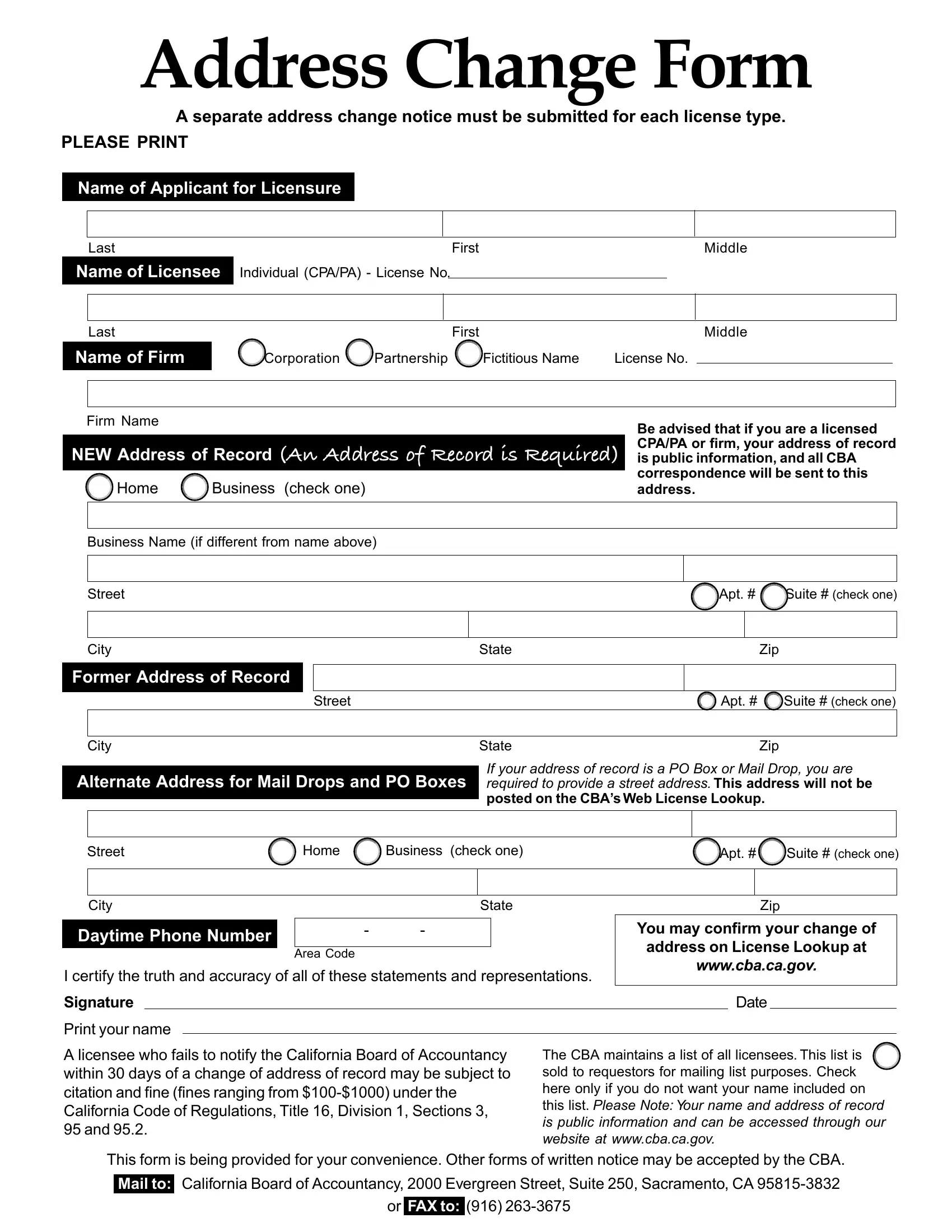
An official address change involves notifying the postal service to forward your mail and individually updating your records with government agencies, financial institutions, and service providers. In 2026, the most efficient method remains the online United States Postal Service (USPS) Change of Address portal, supplemented by direct updates to the IRS, DMV, and your primary creditors to ensure legal and financial continuity.
Completing an address change is a multi-layered process that extends far beyond simply telling the post office where you live. It is a critical component of identity management that affects your legal residency, tax obligations, insurance premiums, and credit accessibility. Failing to update your address correctly can lead to missed legal notices, late payment fees, and potential identity theft if sensitive documents fall into the hands of a home's new occupants.
Navigating the Official USPS Change of Address Process
The first and most recognized step in any move is filing an official Change of Address (COA) with the United States Postal Service. This service ensures that mail sent to your old residence is redirected to your new location for a specific period. As of 2026, the USPS offers two primary types of moves: permanent and temporary.
A permanent move is intended for those who do not plan to return to their old address. This trigger updates the National Change of Address (NCOA) database, which many private mailers use to update their lists. A temporary move is designed for those away from home for a period ranging from 15 days to six months, with an option to extend up to one year.
To file online, you must visit the official USPS.com website. Be cautious of third-party websites that charge exorbitant fees (often $40 or more) to "handle" the process for you. The official USPS online filing fee in 2026 remains a nominal identity verification charge, typically around $1.10 to $1.50, designed to prevent fraudulent redirects. This fee must be paid with a credit or debit card that has a billing address matching either the old or the new address for security purposes.
If you prefer to file in person, you can visit any local Post Office and request a "Mover’s Guide" packet, which contains PS Form 3575. Filing by mail remains free of charge, though it may take slightly longer to process than the digital method. Once filed, you will receive a Move Validation Letter at your old address and a Customer Notification Letter at your new address to confirm the change.
Updating Essential Government Agencies
While the USPS forwards your mail, it does not automatically update your records with other government entities. You must proactively contact several departments to maintain legal compliance and ensure you receive critical benefits.
The Internal Revenue Service (IRS)
Updating the IRS is vital for receiving tax refunds and official notices. While the IRS will eventually catch up when you file your next tax return, it is safer to file Form 8822 (Change of Address) immediately. This is particularly important if you are expecting a stimulus payment, a refund check, or correspondence regarding an audit.
The Department of Motor Vehicles (DMV)
State laws generally require you to update your driver’s license and vehicle registration within 10 to 30 days of moving. This is not just a clerical requirement; your physical address determines your voting precinct and, in many states, your vehicle insurance rates. Many states in 2026 allow this change to be handled online, but some still require a physical visit to a DMV office to issue a new license card.
Social Security Administration (SSA)
If you receive Social Security benefits (retirement, survivors, or disability) or are enrolled in Medicare, you must notify the SSA. This can be completed through your "my Social Security" account online. Maintaining an accurate address prevents delays in benefit payments and ensures that your annual 1099 forms reach you during tax season.
Voter Registration
Your right to vote is tied to your residence. When you move to a new county or state, your previous registration does not follow you. Many states now offer "Motor Voter" registration through the DMV, but you should verify your status via Vote.gov to ensure you are eligible for upcoming local and national elections.
Financial Institutions and Credit Management
Your financial identity is heavily reliant on your billing address. Discrepancies between the address on file with your bank and the address you provide during an online checkout can trigger the Address Verification System (AVS), leading to declined transactions.
| Institution Type | Notification Priority | Primary Reason for Update |
|---|---|---|
| Primary Bank/Credit Union | Immediate | Payroll deposits, debit card security, and monthly statements. |
| Credit Card Issuers | Within 7 Days | Prevention of AVS checkout failures and identity theft monitoring. |
| Investment/Brokerage Accounts | Within 30 Days | Delivery of sensitive tax documents (1099s) and proxy voting materials. |
| Loan Providers (Auto, Student) | Within 14 Days | Ensuring billing statements and title documents are mailed correctly. |
| Credit Bureaus | Automatic | Updated via your creditors; however, monitor reports for accuracy. |
When updating banks, also remember to update your digital wallets. Services like Apple Pay, Google Pay, and PayPal store billing addresses that must match your credit card's current record. Forgetting this often results in frustrating "transaction failed" messages during online shopping.
Managing Utilities and Home Services
To avoid being billed for services you are no longer using—or arriving at a dark house—you must coordinate the "stop" and "start" dates for your utilities. In 2026, many utility companies offer "transfer" requests that allow you to move your account to a new service address within the same provider's territory seamlessly.
- Electricity and Gas: These are the most critical. Schedule the shut-off for the day after you move out and the turn-on for the day before you move in.
- Water and Sewer: These are often handled through the municipality. Ensure a final meter reading is scheduled so you aren't liable for the next tenant's usage.
- Internet and Cable: Check if your current provider services your new area. Moving is often an excellent time to negotiate a new "introductory" rate with a competitor.
- Waste Management: If you are moving to a rural area or a new municipality, you may need to set up a private contract for trash and recycling pickup.
Healthcare and Insurance Requirements
Moving is considered a Qualifying Life Event (QLE) under most health insurance regulations. This means if you move to a new zip code or state, you may be eligible for a Special Enrollment Period (SEP) to change your health insurance plan outside of the standard open enrollment window.
Beyond health insurance, you must update your:
- Auto Insurance: Your premium is calculated based on the risk profile of where your car is parked. Moving from a rural area to a city (or vice versa) can significantly change your rates.
- Homeowners/Renters Insurance: This coverage must be transitioned to the new property on the exact day of the closing or lease start date.
- Life and Disability Insurance: Ensure these companies have your current contact information to prevent policy lapses.
- Medical Providers: Notify your primary care physician, dentist, and any specialists. This facilitates the transfer of medical records if you are moving out of the area.
Avoiding Common Address Change Mistakes
The process of changing an address is prone to human error, which can have long-lasting consequences for your credit and privacy. One common mistake is relying solely on mail forwarding. The USPS only forwards certain classes of mail (like First-Class mail) for 12 months. Magazines are typically forwarded for only 60 days. After these windows expire, your mail is returned to the sender or discarded.
Another frequent oversight is the "hidden" subscriptions. This includes automated Amazon "Subscribe & Save" deliveries, meal kits like HelloFresh, and recurring pet supply shipments. These services often operate on a 30-day cycle, meaning an order might ship to your old address before you realize you haven't updated the settings.
Finally, do not forget your Identity Security. An address change is a prime window for "change-of-address fraud," where criminals attempt to redirect your mail to a P.O. Box to steal your identity. Always use official government portals and monitor your credit report during the transition months to ensure no unauthorized accounts are opened in your name.
Frequently Asked Questions
How long does it take for a USPS address change to take effect?
Most mail forwarding begins within three to five business days of your requested start date. However, the USPS recommends filing at least two weeks before your move to ensure a seamless transition and to allow for the delivery of verification letters to both your old and new residences.
Does changing my address with the USPS update my driver's license?
No, the USPS is a federal agency (operating as an independent establishment), while driver's licenses are managed by individual state governments. You must visit your state’s DMV website or office to update your license and vehicle registration separately.
Is there a fee for changing my address online?
The USPS charges a small identity verification fee (approximately $1.10–$1.50 in 2026) for online changes to ensure the person requesting the change actually owns the credit/debit card used for verification. Filing a paper form PS 3575 at a local post office is generally free.
What happens if I forget to change my address for my car insurance?
Failing to update your insurance provider can lead to a "material misrepresentation" on your policy. If you live in a different zip code than the one listed on your policy and attempt to file a claim, the insurer could potentially deny the claim or cancel your coverage due to an inaccurate risk assessment.
Do I need to notify the IRS if I am not expecting a refund?
Yes, you should still notify the IRS using Form 8822. The IRS sends various legal notices, such as notifications of potential identity theft or adjustments to prior year returns, via physical mail. Ensuring they have your current address is the only way to guarantee you receive these legally binding documents.
Organizing Your Final Notification List
To ensure no critical service is missed, create a comprehensive "Notification Checklist" organized by the date of your move. Start with the "Big Three"—the USPS, the DMV, and your employer—at least two weeks before the move. One week prior, focus on utilities and financial accounts. In the week following your move, verify that your forwarded mail is arriving and update any remaining minor subscriptions or loyalty programs.
By treating the address change as a formal project rather than a series of chores, you protect your credit score, maintain your legal standing, and ensure that your new house truly feels like home from day one.