Addiction treatment education refers to the structured academic and clinical training designed to equip healthcare professionals with evidence-based strategies for managing substance use disorders (SUD). It encompasses professional certification pathways, continuing medical education, and patient-focused psychoeducation. This multifaceted field ensures that providers deliver ethical, scientifically grounded care while helping families understand the neurobiological complexities of recovery.
The landscape of behavioral health has evolved significantly by 2026. Education in this sector is no longer confined to traditional counseling methods; it now integrates advanced neurobiology, digital health therapeutics, and sophisticated pharmacological interventions. Whether you are an aspiring counselor, a medical professional seeking specialization, or a family member looking for reliable information, understanding the tiers of addiction treatment education is essential for navigating the modern recovery ecosystem.
Medical & Legal Disclaimer: The following information is for educational purposes only and does not constitute medical advice or legal counsel. Professional requirements vary by jurisdiction. Always consult with state licensing boards and accredited medical institutions for specific career or treatment guidance.
Foundations of Professional Addiction Education
The pedagogical framework for addiction treatment is built upon the "Twelve Core Functions" of a counselor, which include screening, intake, orientation, assessment, treatment planning, counseling, case management, crisis intervention, client education, referral, reports and record keeping, and consultation. In 2026, these functions are taught through a lens of trauma-informed care and cultural humility.
Professional education typically begins with a foundational understanding of the Neurobiology of Addiction. Students examine how chronic substance use alters brain chemistry, specifically targeting the mesolimbic dopamine system and the prefrontal cortex. Understanding the shift from impulsive to compulsive behavior is critical for students to move beyond the "moral model" of addiction toward the modern "disease model."
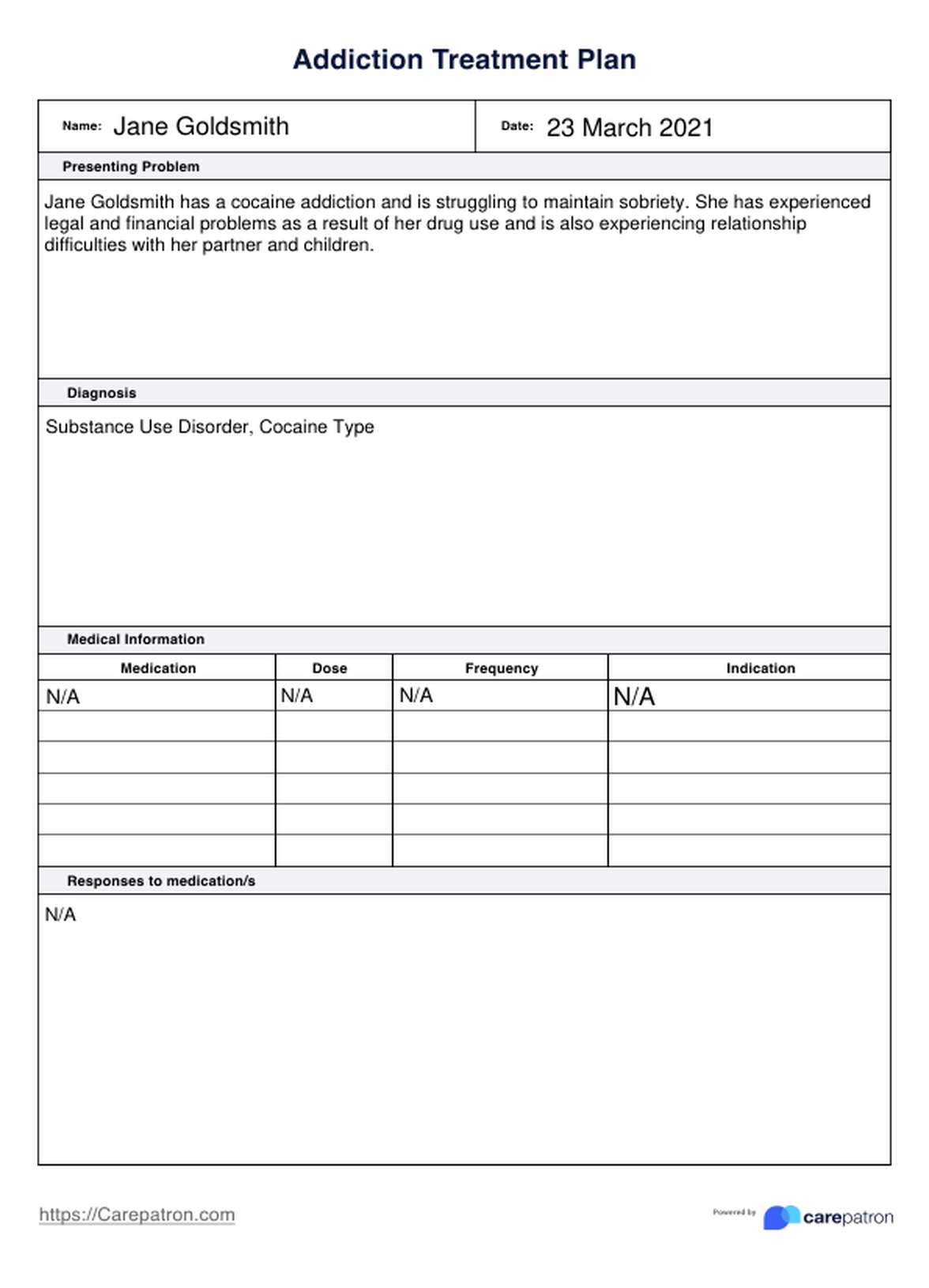
Furthermore, academic programs emphasize the Biopsychosocial-Spiritual Assessment. This model teaches students that addiction does not occur in a vacuum; it is influenced by biological predispositions, psychological triggers, social environments, and existential or spiritual voids. Education focuses on identifying these intersecting factors to create highly personalized treatment plans rather than using a one-size-fits-all approach.
Clinical Certification Tiers and Academic Requirements
The path to becoming a recognized addiction professional is stratified based on education level and clinical hours. While specific titles vary by state (e.g., CADC, LADC, CASAC), the industry generally adheres to the standards set by the International Certification & Reciprocity Consortium (IC&RC) and NAADAC, the Association for Addiction Professionals.
In 2026, the demand for higher educational attainment has increased. While entry-level positions may still be accessible with an Associate degree and specific certificate hours, many states now require a Master’s degree for independent clinical practice and private insurance reimbursement eligibility.
| Certification Level | Education Requirement | Clinical Supervised Hours | Key Scope of Practice |
|---|---|---|---|
| ADC (Alcohol & Drug Counselor) | Associate or Bachelor’s Degree | 2,000 - 6,000 hours | Group and individual counseling under supervision. |
| AADC (Advanced Alcohol & Drug Counselor) | Master’s Degree (Behavioral Science) | 2,000 hours (Post-Master’s) | Independent practice, diagnostic assessment, and treatment planning. |
| CCS (Certified Clinical Supervisor) | Master’s Degree + AADC status | 10,000 hours (Total) | Overseeing junior counselors and ensuring clinical quality control. |
| CPS (Certified Prevention Specialist) | High School Diploma to Bachelor’s | 2,000 hours | Community outreach, school programs, and public health policy. |
Core Competencies and Curriculum Standards
To ensure a standard level of care, addiction treatment education programs must align with curricula often accredited by the National Addiction Studies Accreditation Commission (NASAC) or the Council for Accreditation of Counseling and Related Educational Programs (CACREP). The core curriculum in 2026 focuses heavily on three pillars:
Evidence-Based Modalities
Students are trained in specific psychotherapeutic interventions that have been proven effective through clinical trials. This includes Cognitive Behavioral Therapy (CBT), which helps patients identify and change destructive thought patterns; Dialectical Behavior Therapy (DBT), which is crucial for emotional regulation and distress tolerance; and Motivational Interviewing (MI), a client-centered approach for resolving ambivalence toward change.
Pharmacology and MAT Education
A significant portion of modern education is dedicated to Medication-Assisted Treatment (MAT). Professionals must understand the mechanism of action for medications like Buprenorphine, Naltrexone, and Methadone. Education in this area bridges the gap between behavioral therapy and medical intervention, ensuring counselors can work effectively alongside physicians in an integrated care model.
Ethics and Regulatory Compliance
Legal and ethical education is paramount. This includes deep dives into 42 CFR Part 2 (Federal confidentiality regulations specific to substance use records) and HIPAA. Professionals learn the nuances of informed consent, professional boundaries, and the ethical dilemmas associated with digital health monitoring and telehealth—areas that have become increasingly complex as of 2026.
The Role of Psychoeducation in Clinical Recovery
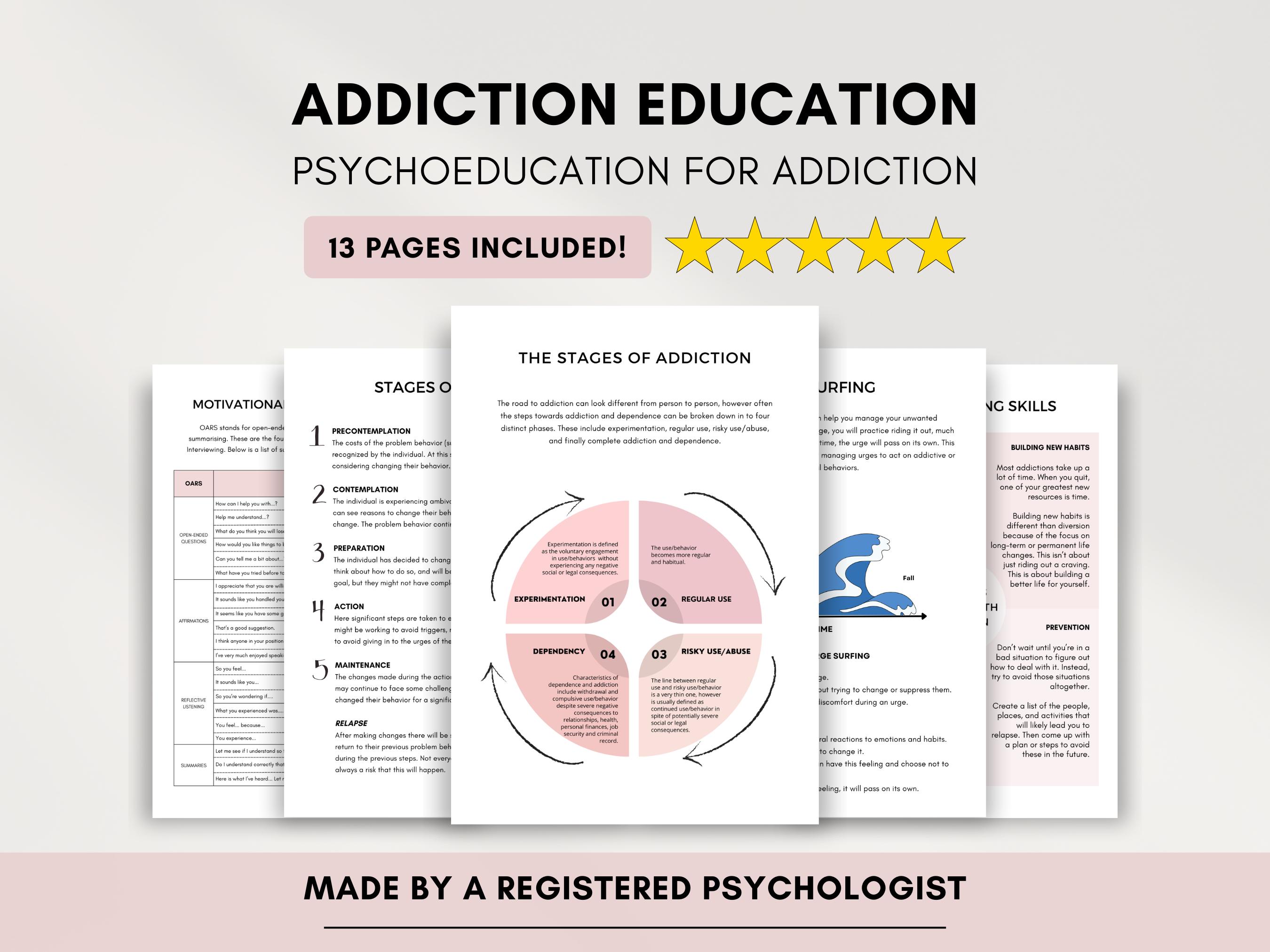
Addiction treatment education is not only for providers; it is a core component of the patient’s journey. Psychoeducation refers to the evidence-based process of providing patients and their families with information about their condition to improve treatment adherence and outcomes.
For the patient, education involves learning the "why" behind their cravings and triggers. This often includes classes on the Stages of Change (Transtheoretical Model), which help patients identify whether they are in the pre-contemplation, contemplation, preparation, action, or maintenance phase. Understanding these stages reduces shame and provides a roadmap for progress.
Family education is equally critical. Programs often include "Family Systems" training, which educates loved ones on the difference between supporting and enabling. In 2026, many treatment centers utilize virtual reality (VR) modules to help family members empathize with the neurological "hijacking" of the brain that occurs during active addiction, fostering a more supportive home environment.
Maintaining Professional Excellence through Continuing Education
The field of addiction science moves rapidly. To maintain licensure, professionals must complete Continuing Education Units (CEUs). These requirements ensure that counselors do not rely on outdated methods and remain current with emerging trends in substance use.
In 2026, CEU priorities have shifted toward:
- Synthetic Drug Trends: Education on emerging illicit synthetics that bypass traditional toxicology screens.
- Co-occurring Disorders: Specialized training in treating patients with dual diagnoses, such as SUD combined with PTSD or bipolar disorder.
- Telehealth Competency: Mastery of digital platforms, remote patient monitoring (RPM), and the ethics of virtual intervention.
- AI in Diagnostics: Training on how to interpret AI-driven predictive analytics that identify high risks for relapse based on behavioral data.
Organizations like the Substance Abuse and Mental Health Services Administration (SAMHSA) provide a wealth of free educational resources and webinars that serve as the gold standard for ongoing professional development.
Evaluating Educational Programs and Institutional Accreditation
For those looking to enroll in an addiction treatment education program, the choice of institution is a career-defining decision. It is essential to verify that a program meets the rigorous standards required for state licensure.
When evaluating a program in 2026, consider the following criteria:
- Accreditation: Ensure the school is regionally accredited and the specific program holds NASAC or CACREP stamps of approval.
- Practicum Placement: High-quality programs should offer robust assistance in placing students in diverse clinical settings (e.g., residential, outpatient, or hospital-based) to fulfill their supervised hour requirements.
- Faculty Expertise: Look for instructors who are active in the field or contributing to current addiction research.
- Exam Pass Rates: Reputable programs should be transparent about their students' success rates on IC&RC or NAADAC national certification exams.
Prospective students can find a list of accredited programs through the NAADAC Higher Education Network, which provides a directory of institutions that align with national standards.
Common Questions Regarding Addiction Treatment Education
What is the difference between a certificate and a degree in addiction treatment?
A certificate program is typically a non-degree path that focuses specifically on the technical skills and hours required for entry-level state certification (like a CADC). A degree (Bachelor’s or Master’s) provides a broader psychological and sociological foundation and is usually required for advanced licensure, clinical supervision, or higher-paying administrative roles.
How long does it take to complete the education for an addiction counselor?
For an entry-level certified counselor, it often takes 1 to 2 years of coursework plus 1 to 3 years of supervised clinical experience. For a Master’s level advanced counselor, the timeline is typically 6 to 8 years of total education (including the undergraduate degree) followed by post-graduate supervised hours.
Can I complete my addiction treatment education online?
Yes, in 2026, many accredited universities offer fully remote or hybrid programs. However, the "Practicum" or "Internship" component must always be completed in person at a clinical site to satisfy state and national requirements for supervised face-to-face hours.
Is education on "Harm Reduction" included in these programs?
Absolutely. Modern addiction treatment education heavily emphasizes harm reduction strategies, such as Naloxone distribution training and syringe service program management. This shift reflects a move toward public health-centered approaches rather than purely abstinence-based models.
Are there scholarships or grants for addiction education?
Several federal and state initiatives, such as the HRSA (Health Resources and Services Administration) Behavioral Health Workforce Education and Training (BHWET) program, offer stipends and scholarships to students committed to working in underserved communities.
Strategic Path Forward in Addiction Science
Navigating addiction treatment education requires a commitment to lifelong learning and a deep-seated empathy for the human condition. Whether your goal is to practice clinically, manage a facility, or support a loved one, the first step is always to verify the source of your information.
If you are a prospective student, begin by contacting your state’s licensing board to understand the specific "Scope of Practice" laws in your jurisdiction. If you are a family member, look for "Family Psychoeducation" programs at accredited facilities to ensure you are receiving evidence-based guidance. In the fast-evolving landscape of 2026, staying informed is the most powerful tool for fostering sustainable recovery and professional excellence.