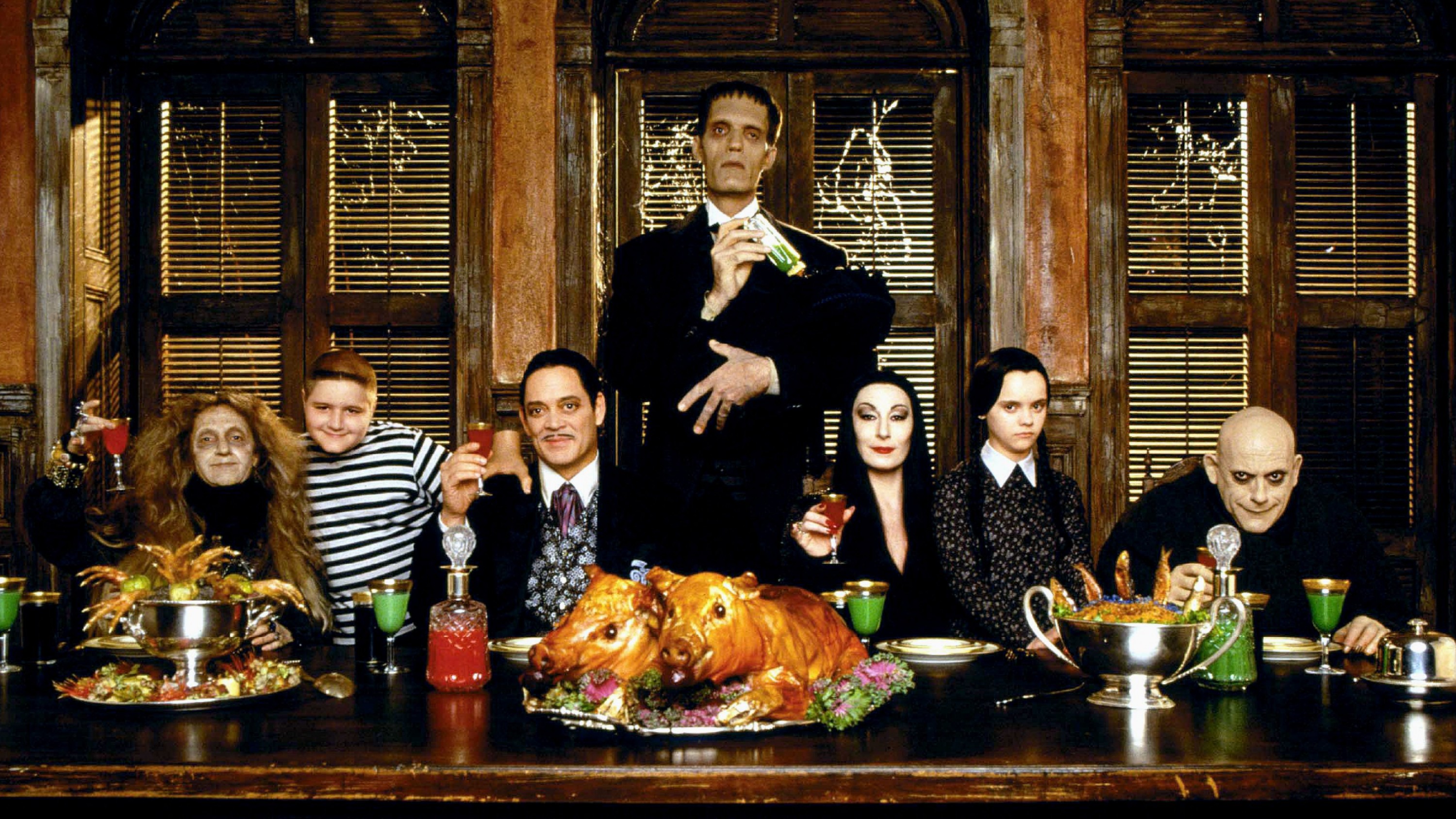
Released in 1993, Addams Family Values is the critically acclaimed sequel to the 1991 live-action adaptation of Charles Addams’ macabre cartoons. Directed by Barry Sonnenfeld and written by Paul Rudnick, the film is celebrated for its sharp satire, exceptional casting, and its subversion of traditional 1990s American social norms.
The Narrative Core: Plot Dynamics and Character Evolution
Addams Family Values picks up shortly after the events of the first film, introducing a new member to the household: Pubert, the moustachioed infant son of Gomez and Morticia Addams. This addition triggers a classic sibling rivalry, as Wednesday and Pugsley attempt various "lethal" methods to remove the new arrival, believing that the addition of a new child necessitates the death of an existing one. This dark domestic comedy serves as the backdrop for the film's two primary narrative arcs.
The first major plotline involves the arrival of Debbie Jellinsky (played by Joan Cusack), a nanny hired to care for Pubert. Debbie is secretly a serial killer known as the "Black Widow," who marries wealthy bachelors and murders them for their inheritance. Her target is Uncle Fester. This storyline allows the film to explore the vulnerability of the seemingly invincible Addams clan, as Fester’s infatuation with Debbie leads to a temporary rift in the family. Cusack’s performance is a masterclass in manic energy, providing a brightly-colored, suburban contrast to the Addams' gothic gloom.
Simultaneously, Wednesday and Pugsley are sent away to Camp Chippewa, a summer camp that serves as the ultimate antithesis to their aesthetic. This subplot provides the film's most biting social commentary. At the camp, the Addams children are marginalized by the privileged, "normal" campers and the overly enthusiastic counselors, Gary and Becky Granger. The conflict culminates in a Thanksgiving-themed play where Wednesday, cast as Pocahontas, leads a revolt of the "social outcasts" against the camp's forced conformity.
Cast and Performances: Defining the Iconic Lineup
The success of Addams Family Values is inextricably linked to its cast, many of whom delivered what are now considered the definitive versions of these characters. Raul Julia and Anjelica Huston returned as Gomez and Morticia, maintaining a chemistry that emphasized mutual respect and unwavering passion—a rare depiction of a healthy, supportive marriage in 1990s cinema.
- Raul Julia (Gomez Addams): In one of his final roles before his untimely death in 1994, Julia brought an infectious vitality and theatricality to Gomez. His performance is a blend of swashbuckling energy and deep romanticism.
- Anjelica Huston (Morticia Addams): Huston’s Morticia remains the gold standard for the character, utilizing subtle facial expressions and a commanding presence to convey elegance and maternal warmth amidst the macabre.
- Christina Ricci (Wednesday Addams): Ricci’s deadpan delivery in this sequel solidified Wednesday as a feminist icon and a symbol of counter-culture. Her monologue at the Thanksgiving play is frequently cited as the film's creative peak.
- Joan Cusack (Debbie Jellinsky): Cusack provides the perfect foil to the Addams family. Her "pastel-colored" villainy highlights the film's theme that the truly dangerous people are often those who hide behind a mask of conventionality.
According to IMDb, the film’s ensemble remains one of the most highly-rated in the dark comedy genre, with the chemistry between the actors cited as a primary reason for its enduring cult status.
Production Context: Why the Sequel Outshines the Original
In a rare instance of cinematic history, Addams Family Values is often regarded by critics and fans as superior to its predecessor, The Addams Family (1991). This is largely attributed to the screenplay by Paul Rudnick. While the first film spent significant time on the "Is Fester an Impostor?" plot, the sequel leans fully into the absurdity and satire of the characters' world.
Director Barry Sonnenfeld, formerly a cinematographer for the Coen Brothers, brought a distinct visual style to the production. The use of wide-angle lenses and meticulously choreographed camera movements—often referred to as "Sonnenfeld-ian"—creates a cartoonish yet sophisticated atmosphere. The production design by Ken Adam (famous for his work on the James Bond films) and the costumes by Theoni V. Aldredge further elevated the film, ensuring that every frame looked like a Charles Addams drawing come to life.
The film's pacing is also notably tighter than the original. By splitting the cast into two distinct locations (the Addams mansion and Camp Chippewa), the narrative maintains a high energy, jumping between Fester’s domestic nightmare and Wednesday’s rebellion. This structural choice prevents the dark humor from becoming repetitive, a common pitfall in horror-comedies.
Comparing the Addams Family Feature Films (1991 vs. 1993)
To understand the evolution of the franchise during this era, it is helpful to look at the technical and narrative shifts between the two Sonnenfeld entries.
| Feature | The Addams Family (1991) | Addams Family Values (1993) |
|---|---|---|
| Primary Theme | Family reclamation and identity | Subversion of "American Values" and outsiders |
| Main Antagonist | Abigail Craven (Greed-driven) | Debbie Jellinsky (Serial killer/Sociopath) |
| Screenwriter | Caroline Thompson & Larry Wilson | Paul Rudnick |
| Box Office | Approx. $191 Million | Approx. $111 Million |
| Critical Consensus | Visual triumph, uneven narrative | Sharper wit, superior satire, cult classic |
| Key Set Piece | The Mamushka dance | The Camp Chippewa Thanksgiving Play |
Data sourced from Box Office Mojo indicates that while the sequel performed less successfully at the box office than the original, its critical reception was significantly higher, particularly regarding its screenplay and character development.
Themes and Satire: Subverting the "Values" in the Title
The title Addams Family Values was a deliberate play on the "family values" political rhetoric prevalent in the United States during the early 1990s. The film argues that while the Addamses are "weird," they are actually more moral, loving, and supportive than the "normal" characters they encounter.
At Camp Chippewa, the counselors Gary and Becky promote a brand of forced positivity that is exclusionary and borderline cult-like. They reward "wholesome" behavior and punish anything that deviates from their narrow definition of success. Wednesday’s ultimate victory at the camp is not just a triumph for her, but a victory for all the children who don't fit the "perfect" mold—including the Jewish children, the children with disabilities, and the children of color who are relegated to the background of the camp's history.
Furthermore, the character of Debbie Jellinsky serves as a critique of materialistic greed. Unlike the Addams family, who value each other above all else, Debbie views people as assets to be liquidated. By contrasting Debbie’s bright, "normal" aesthetic with her murderous intentions, the film suggests that the true monsters are those who conform to social standards while harboring malice.
Cultural Legacy and Modern Relevance in 2026
As of 2026, Addams Family Values continues to influence the entertainment landscape. The massive success of the Netflix series Wednesday has brought a new generation of fans to the 1993 film. Modern audiences often rediscover the sequel through social media, where clips of Wednesday’s deadpan insults and the Camp Chippewa revolution frequently go viral every November.
The film's influence is also evident in the trend of "elevated" horror-comedies that prioritize social commentary alongside laughs. Film scholars often point to Paul Rudnick's script as a blueprint for balancing campiness with genuine intellectual depth. According to Rotten Tomatoes, the film maintains a high "Fresh" rating, with many modern reviews noting that its satire of American exceptionalism feels even more relevant today than it did in 1993.
Technically, the film has undergone several restorations. In the mid-2020s, a definitive 4K Ultra HD release brought the vibrant cinematography of Donald Peterman and the detailed production design to modern home theaters, allowing fans to see details in the Addams mansion that were previously obscured in lower-resolution formats.
Viewing Guide: How to Watch Addams Family Values Today
For those looking to experience or revisit this classic, several options exist in 2026. The film is a staple of seasonal programming but is also widely available for permanent collections.
- Streaming Platforms: The film is frequently available on major platforms like Paramount+ and Max. Due to licensing agreements, availability can shift, so checking a central database like JustWatch is recommended.
- Physical Media: For the best visual experience, the 4K UHD Blu-ray is the preferred format. It includes legacy features such as director's commentary and behind-the-scenes footage regarding the special effects used for Thing.
- Digital Purchase: Platforms like Amazon, Apple TV, and Vudu offer the film in 4K Dolby Vision, providing high-quality playback on compatible devices.
Frequently Asked Questions
Is Addams Family Values a direct sequel?
Yes, Addams Family Values is a direct sequel to the 1991 film The Addams Family. It features the same core cast (with the exception of the role of Pugsley, who was played by Jimmy Workman in both, though a new baby, Pubert, was added) and continues the stylistic approach established by director Barry Sonnenfeld.
Why is the Thanksgiving scene so famous?
The scene is famous because it serves as a powerful subversion of the traditional American Thanksgiving narrative. Wednesday Addams’ character uses the opportunity to highlight the historical injustices faced by Indigenous peoples, turning a "wholesome" camp play into a chaotic act of social justice and rebellion. It remains one of the most celebrated moments in Christina Ricci's career.
Who played the baby, Pubert Addams?
Pubert Addams was played by twin girls, Kaitlyn and Kristen Hooper. This is a common practice in Hollywood for infant roles due to labor laws and the unpredictability of working with young children. The character was notable for having a miniature version of Gomez’s signature moustache.
Did the film win any awards?
While it did not win major Academy Awards, the film was nominated for an Oscar for Best Art Direction. It also received a Golden Globe nomination for Anjelica Huston for Best Actress in a Motion Picture – Musical or Comedy. Over time, it has won numerous "Best Sequel" accolades from various film critics' circles.
How does the 2026 viewing experience compare to the original release?
In 2026, viewers have access to 4K HDR versions of the film that surpass the original theatrical projection quality in terms of color depth and clarity. The dark, atmospheric lighting of the Addams home benefits significantly from modern OLED technology and high dynamic range, making the "gothic" elements more immersive than ever before.
Recommendations for New and Returning Viewers
To fully appreciate Addams Family Values, it is recommended to watch the 1991 original first to establish the family dynamics, though the sequel is strong enough to stand on its own. Viewers should pay close attention to the background details in the Addams household and the subtle verbal sparring between Gomez and Morticia, which contains much of the film's sophisticated humor. If you are interested in the evolution of the characters, comparing this version of Wednesday Addams to the more modern iterations can provide a fascinating look at how the character has been adapted to suit different cultural eras.