Adaptive sports are competitive or recreational activities modified to provide accessibility for individuals with physical, visual, or intellectual disabilities. Participation involves selecting a sport tailored to one's functional abilities, undergoing professional classification for competitive parity, and utilizing specialized equipment—such as handcycles or sports wheelchairs—to bridge the gap between impairment and athletic performance.
Understanding Adaptive Sports and the Classification System
Adaptive sports, often referred to as parasports, are not merely "alternative" versions of traditional athletics; they are rigorous, specialized disciplines governed by international standards. In 2026, the landscape of adaptive sports continues to expand, driven by the momentum of the recent Paralympic Games and advancements in inclusive community programming. At the core of organized participation is the concept of classification, a system designed to ensure that competition is fair and that the impact of a participant's impairment on the sport is minimized.
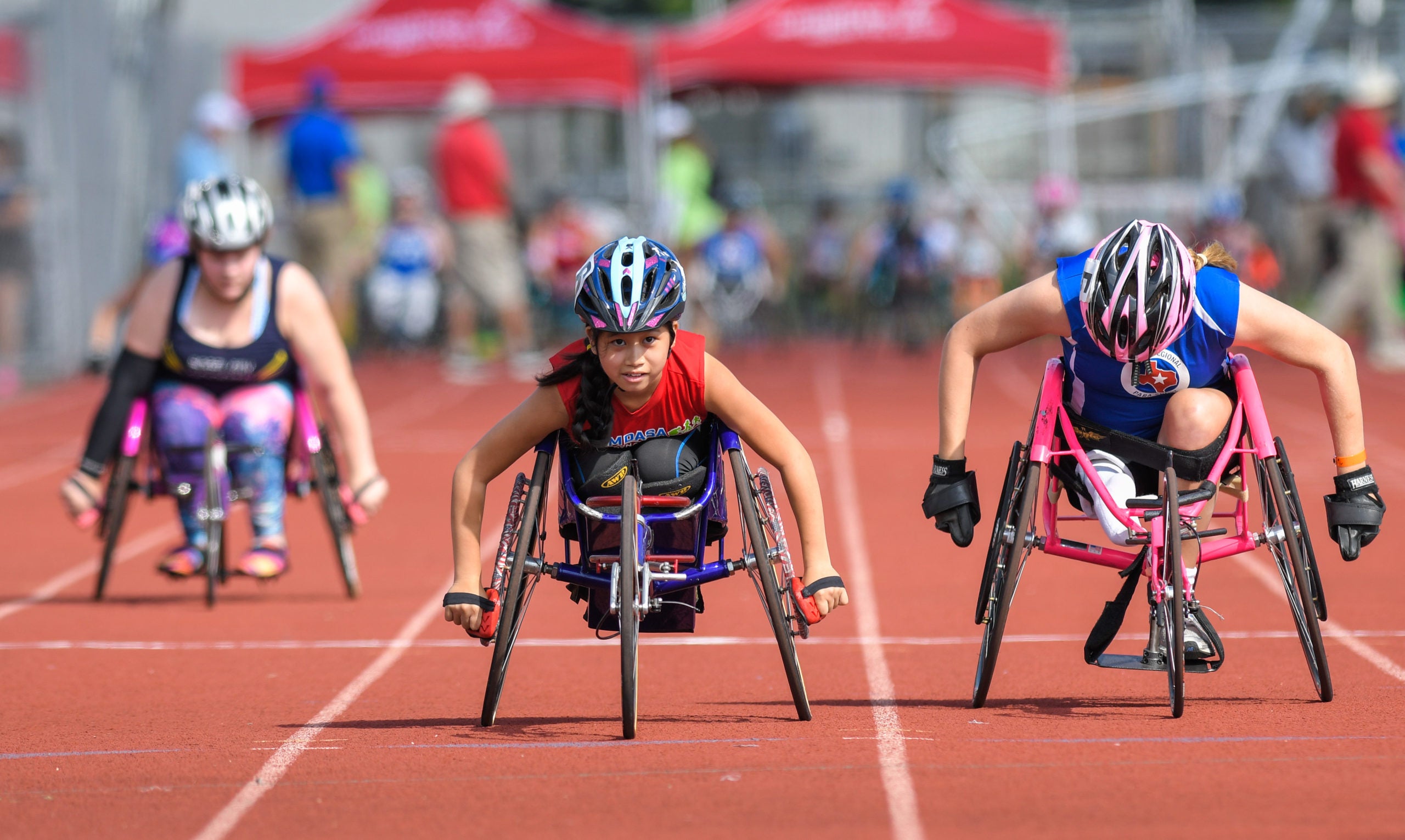
The classification process typically categorizes athletes based on how their specific impairment affects their ability to perform the fundamental movements of a sport. For instance, in wheelchair racing, athletes are grouped by their level of spinal cord injury or limb loss, ensuring they compete against others with similar functional reach and power. This system is managed by international federations and the International Paralympic Committee (IPC), which provides the regulatory framework for elite competition.
For recreational participants, classification is less about elite ranking and more about identifying the right modifications. Whether an individual has a congenital condition, an acquired injury, or a sensory impairment, the goal is to provide a "level playing field." This often involves a functional assessment by a physical therapist or a certified adaptive sports coach who evaluates range of motion, strength, and coordination. Understanding one's classification is the first step for anyone looking to move from casual play to structured competition.
Key Categories of Adaptive Sports
Adaptive sports are broadly categorized by the type of impairment they accommodate and the modifications required for play. While many sports are "integrated"—meaning they are versions of existing Olympic sports—others are unique to the adaptive community.
Physical and Mobility-Based Sports
These are the most visible forms of adaptive sports, involving participants with spinal cord injuries, amputations, or cerebral palsy.
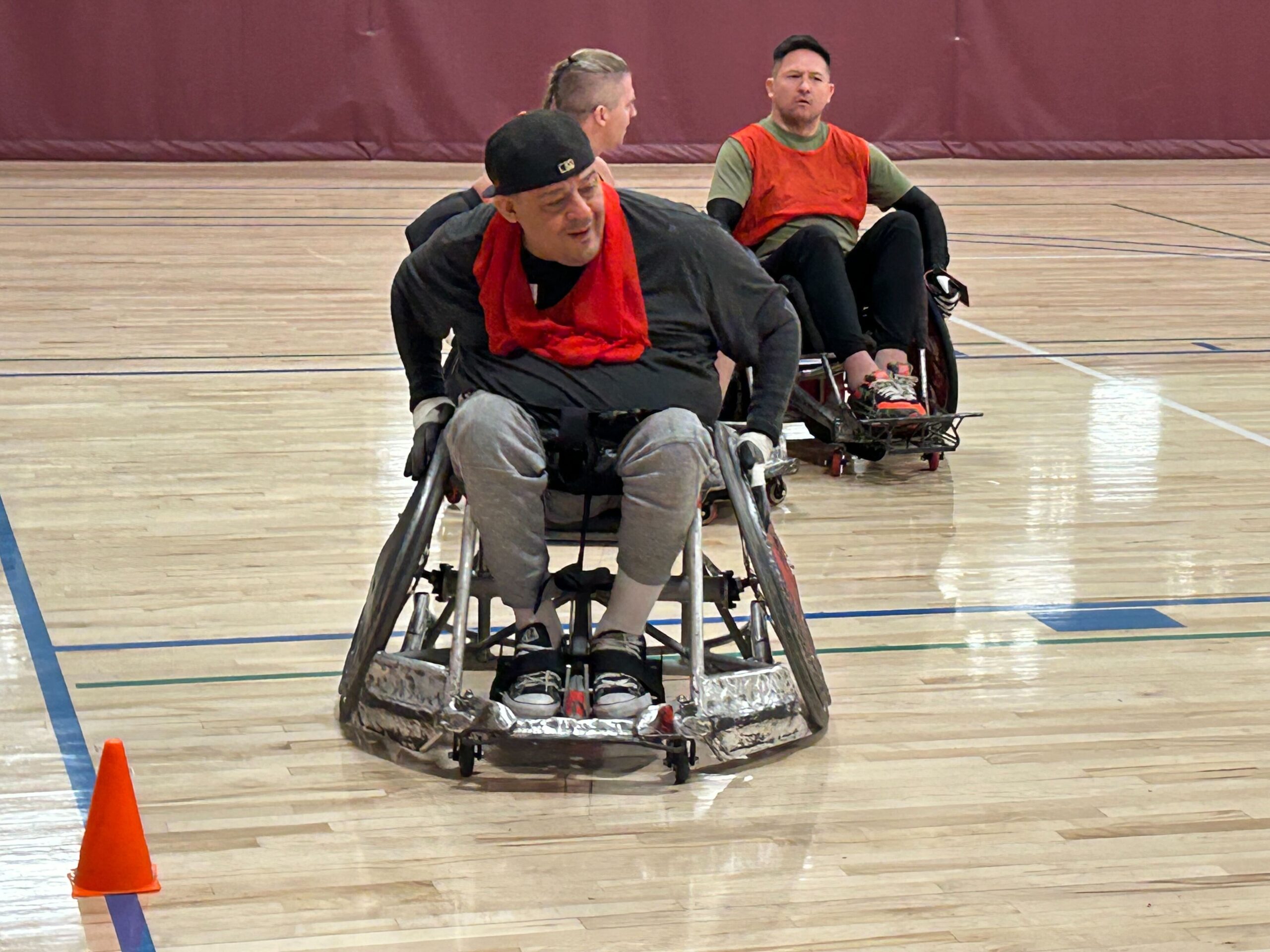
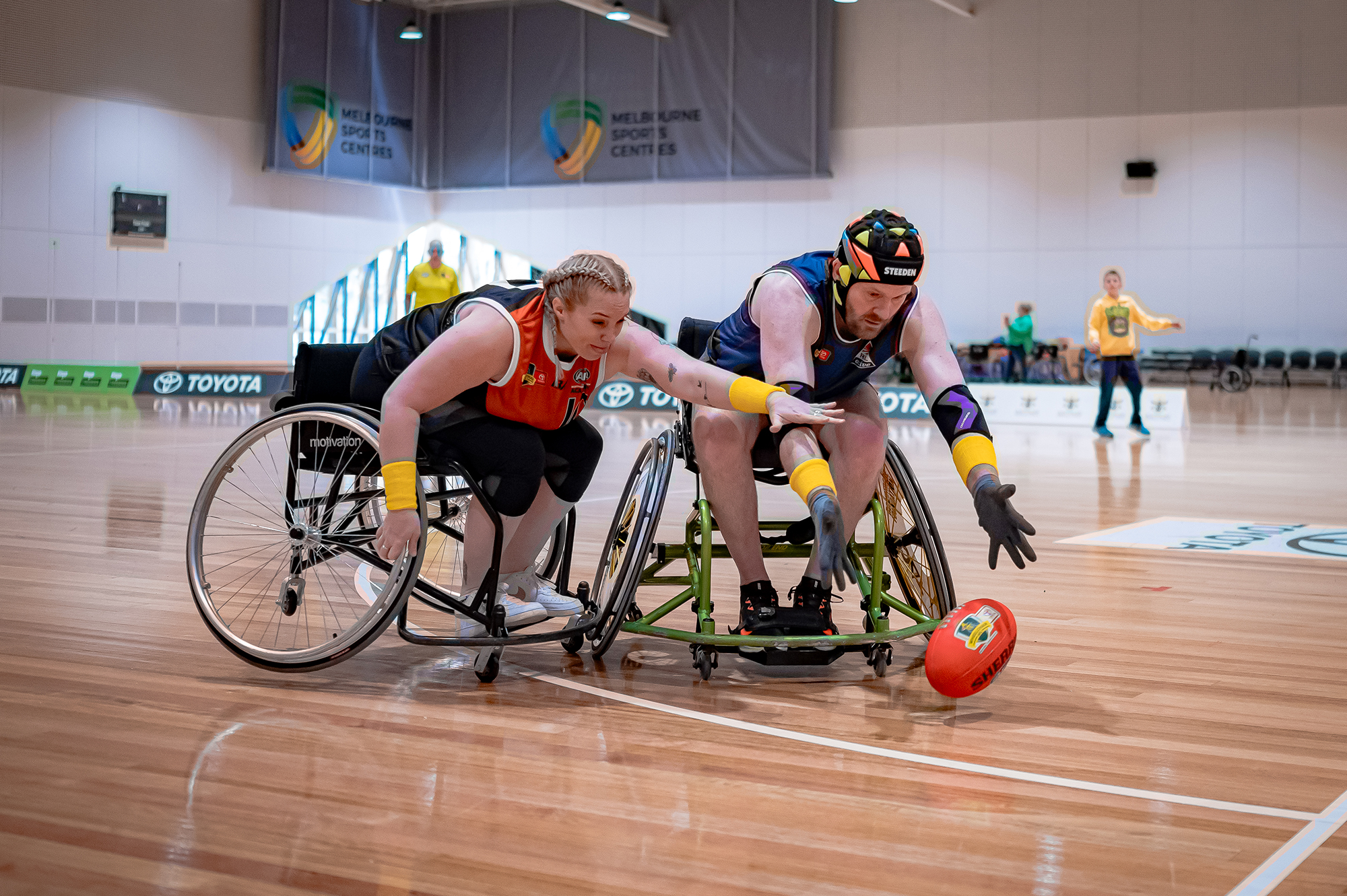
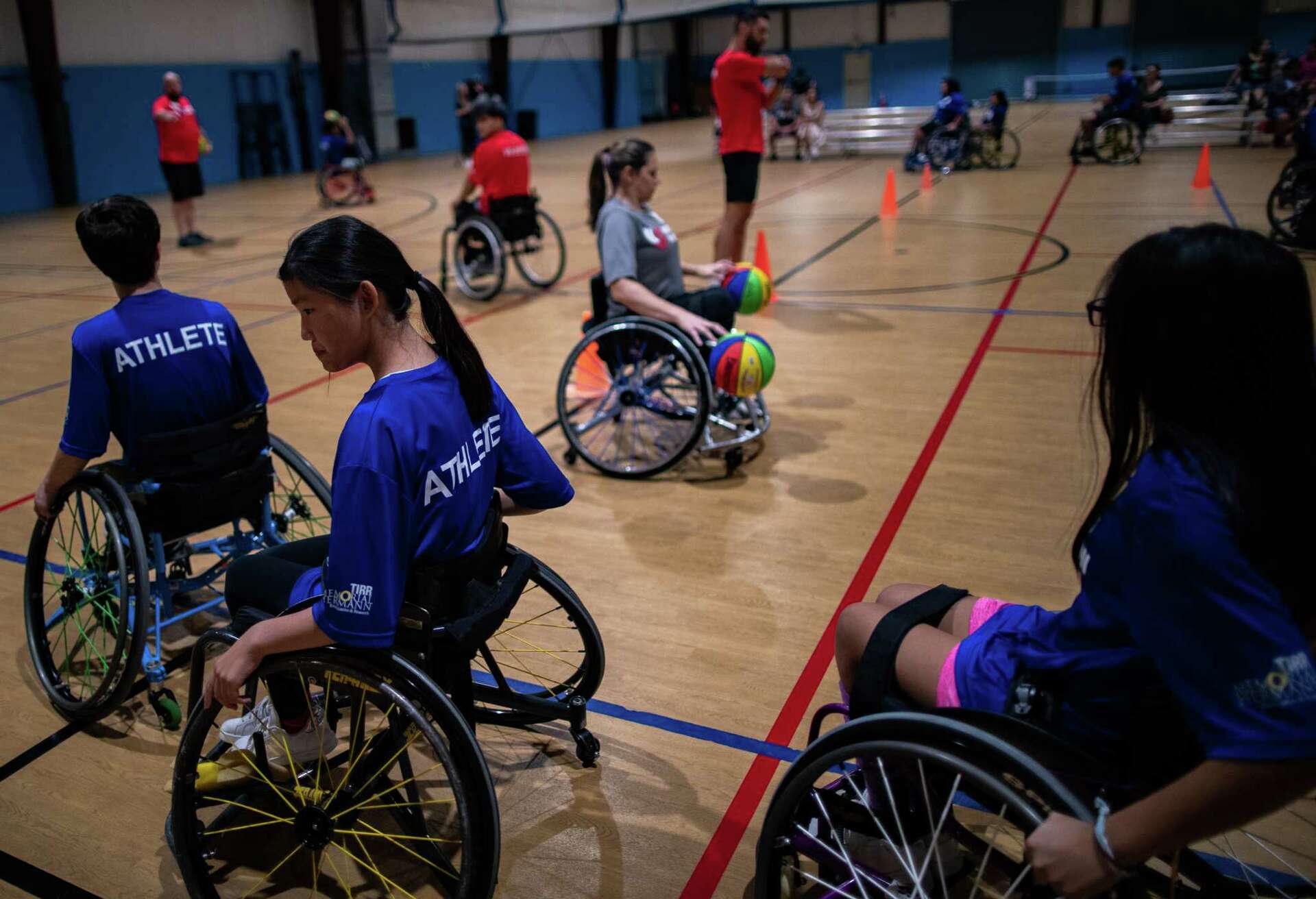
- Wheelchair Basketball: One of the most popular adaptive sports globally, it uses a standard-sized court and hoop but modifies rules regarding dribbling and travel to accommodate the use of manual wheelchairs.
- Para-cycling: This includes the use of handcycles (for those with lower-limb impairments), tricycles (for balance issues), and tandems (for the visually impaired).
- Sledge Hockey (Para Ice Hockey): Participants sit in double-bladed sledges and use two sticks, which have spikes on one end for propulsion and a blade on the other for shooting.
Sensory-Based Sports
Designed for individuals with visual or auditory impairments, these sports rely on sound, tactile feedback, and specialized communication.
- Goalball: Specifically designed for athletes with visual impairments, this sport uses a ball containing bells. Players use their bodies to block the ball from entering their goal, relying entirely on auditory cues.
- Beep Baseball: A modification of baseball where the ball and bases emit distinct sounds, allowing players to track the ball's movement and navigate the field through hearing.
Intellectual and Developmental Sports
Programs like the Special Olympics focus on individuals with intellectual disabilities. These sports emphasize social inclusion and skill development, often using "Unified Sports" models where individuals with and without disabilities play on the same team to foster community integration.
Essential Equipment and Technological Innovations in 2026
The year 2026 has seen a significant shift in the accessibility of adaptive technology. High-performance gear, once reserved for elite Paralympic athletes, is becoming more attainable for community-level participants through 3D printing and modular design.
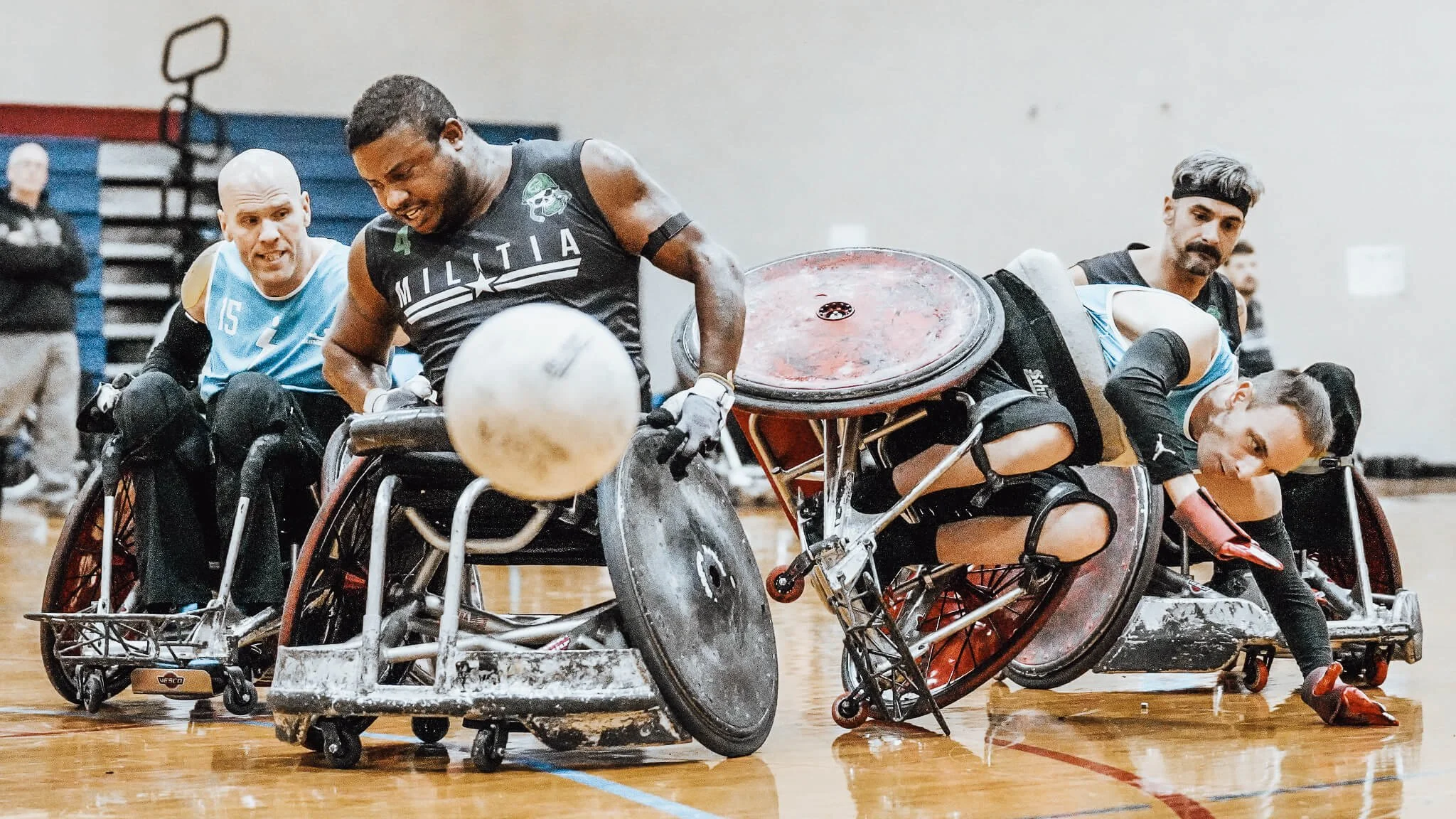
The primary barrier to entry for many adaptive sports is the cost of specialized equipment. A standard racing wheelchair or a competitive handcycle can range from $3,000 to over $10,000. These devices are custom-fitted to the athlete’s dimensions to maximize power transfer and prevent pressure sores. For example, in sit-skiing, the "monoski" features a molded seat mounted to a frame with a complex suspension system and a single ski, requiring precise engineering to handle high speeds and lateral forces.
Beyond the hardware, 2026 marks a peak in bionic integration. "Smart" prosthetics now utilize AI-driven sensors to adjust resistance in real-time, allowing para-athletes in sports like sprinting or long jump to achieve more natural gait cycles. For sensory sports, haptic feedback wearable tech is now being used to provide "vision" through vibrations, helping visually impaired runners stay within their lanes without the constant need for a sighted guide.
Finding and Joining a Program: A Step-by-Step Approach
Transitioning into adaptive sports requires a structured approach to ensure safety and long-term engagement. Most participants follow a four-step pathway to find a sustainable program.
- Medical Clearance and Functional Assessment: Before engaging in high-impact adaptive sports, individuals should consult with a physician or a sports medicine specialist familiar with their specific condition. This is critical for managing secondary health concerns such as autonomic dysreflexia in spinal cord injuries or skin integrity issues in prosthetic users.
- Identify Local Chapters: Organizations like Move United act as hubs for local adaptive sports chapters. These chapters often provide "introductory days" where prospective athletes can try different sports using the organization's equipment before committing to a purchase.
- Equipment Trials: Because adaptive equipment is highly specialized, it is inadvisable to buy gear upfront. Most local programs have "loaner" fleets of wheelchairs, sledges, and handcycles. This allows the athlete to determine the correct fit and whether the sport suits their interests.
- Community Integration and Coaching: Once a sport is selected, joining a team or hiring a certified adaptive coach ensures that the participant learns proper technique. This reduces the risk of overuse injuries, which are common in the shoulders and wrists of wheelchair athletes.
Comparison of Popular Adaptive Sports Requirements
| Sport | Primary Impairment Group | Core Equipment Needed | Venue Type | Competition Level |
|---|---|---|---|---|
| Wheelchair Basketball | Lower-limb / Mobility | Sports wheelchair (cambered wheels) | Indoor court | Recreational to Paralympic |
| Goalball | Visual impairment | Bell-ball, blackout goggles | Indoor court | Competitive only |
| Handcycling | Lower-limb / Paraplegia | Handcycle (recumbent or upright) | Road / Paved trail | Recreational to Elite |
| Para-Swimming | Physical, Visual, Intellectual | Tappers (for VI), specialized lifts | Pool | Recreational to Paralympic |
| Sit-Skiing | Mobility / Spinal injury | Monoski or Bi-ski, outriggers | Alpine slope | Seasonal / Competitive |
Financial Considerations: Grants, Insurance, and Costs
Funding remains one of the most complex aspects of adaptive sports. Most health insurance providers do not cover "sports-specific" wheelchairs or prosthetics, viewing them as luxury items rather than medical necessities. However, the advocacy landscape in 2026 has improved, with more states mandating coverage for "active" prosthetics.
To bridge the financial gap, many athletes rely on the Challenged Athletes Foundation (CAF), which provides annual grants for equipment, travel, and competition expenses. Other organizations, such as the Kelly Brush Foundation, focus specifically on spinal cord injury survivors.
For those just starting, "Veterans Affairs" (VA) programs are among the most robust. The VA often provides full funding for adaptive equipment for disabled veterans as part of their rehabilitation and mental health protocols. For non-veterans, community fundraising and local non-profits are the primary avenues for securing the thousands of dollars needed for competitive-grade gear.
Physical and Mental Health Impacts of Participation
The benefits of adaptive sports extend far beyond physical fitness. Research consistently shows that participation in inclusive athletics significantly reduces the incidence of secondary health complications, such as cardiovascular disease and obesity, which are statistically higher in the disabled community due to sedentary lifestyles.
Mentally, the impact is often transformative. The "social model of disability" suggests that it is the environment, not the impairment, that disables a person. By mastering a sport, individuals regain a sense of agency and physical autonomy. The peer-support network found in adaptive sports teams provides a unique space for sharing "life hacks" regarding disability management, which is often more practical than advice found in a clinical setting.
Furthermore, adaptive sports foster neuroplasticity and cognitive resilience. Learning the complex mechanics of a handcycle or the spatial awareness required for wheelchair fencing stimulates the brain, improving overall mental clarity and emotional regulation.
Frequently Asked Questions
Can someone without a disability play adaptive sports?
Yes, in many recreational settings and specific "Unified" programs, non-disabled individuals (often called "allies" or "partners") participate alongside adaptive athletes. In wheelchair basketball, for example, many local leagues allow non-disabled players to use wheelchairs to fill out rosters, though international competition remains restricted to those with qualifying impairments.
Is there an age limit for starting adaptive sports?
There is no upper age limit. Many individuals pick up adaptive sports in their 50s or 60s following a later-life injury or as a way to manage age-related mobility decline. Youth programs are also widespread, focusing on developmental milestones and social integration for children with congenital conditions.
What is the difference between the Paralympics and the Special Olympics?
The Paralympics focus on athletes with physical and visual impairments and are held in conjunction with the Olympic Games, emphasizing elite performance and competitive standards. The Special Olympics is dedicated to individuals with intellectual disabilities, focusing on empowerment, inclusion, and personal bests through sports training and competition.
How do I know if my local gym is "adaptive-friendly"?
An adaptive-friendly gym should have ADA-compliant entrances, accessible bathrooms, and wide lanes between equipment. More importantly, look for staff with certifications from organizations like the American College of Sports Medicine (ACSM) for "Certified Inclusive Fitness Trainer" status, which ensures they understand how to modify exercises for different impairments.
Developing Your Adaptive Sports Pathway
If you are ready to begin your journey in adaptive sports, the most effective next step is to locate a regional coordinator through the Move United network. This organization maintains a comprehensive database of local clubs that offer mentored programs and equipment trials. Before purchasing any expensive gear, attend a "trial clinic" to experience the sport firsthand. Additionally, begin documenting your functional goals with a healthcare provider to build a case for potential grant applications. Participation in adaptive sports is not just about the game; it is a commitment to physical longevity and community belonging that starts with a single, informed connection to a local program.