Adaptive living refers to the practice of modifying a home environment and utilizing specialized tools to accommodate physical, sensory, or cognitive limitations. It enables individuals—ranging from seniors aging in place to those with permanent disabilities—to live safely, independently, and comfortably through structural changes, assistive technology, and optimized daily routines.
The Evolution and Necessity of Adaptive Living
By 2026, the concept of adaptive living has shifted from a niche architectural concern to a mainstream residential priority. As the global population ages and the desire for "aging in place" becomes the preferred standard for elder care, the demand for environments that adapt to the user rather than forcing the user to adapt to the environment has surged. Adaptive living is not merely about installing a grab bar; it is a holistic approach to residential design that integrates ergonomic principles, medical necessity, and psychological well-being.
The primary goal of an adaptive living strategy is to minimize "environmental press"—the demand that an environment places on an individual’s competence. When a person’s physical or cognitive abilities decline, a standard home can become a series of obstacles. Adaptive living removes these barriers, reducing the risk of falls, increasing the ease of activities of daily living (ADLs), and preserving the dignity of the occupant. This approach is equally vital for individuals with congenital disabilities, those recovering from traumatic injuries, and the neurodivergent community, for whom sensory regulation within the home is paramount.
Core Principles: Universal Design vs. Adaptive Modification
To understand adaptive living, one must distinguish between Universal Design and Adaptive Modification. While they share goals, their application differs based on the stage of the property’s lifecycle.
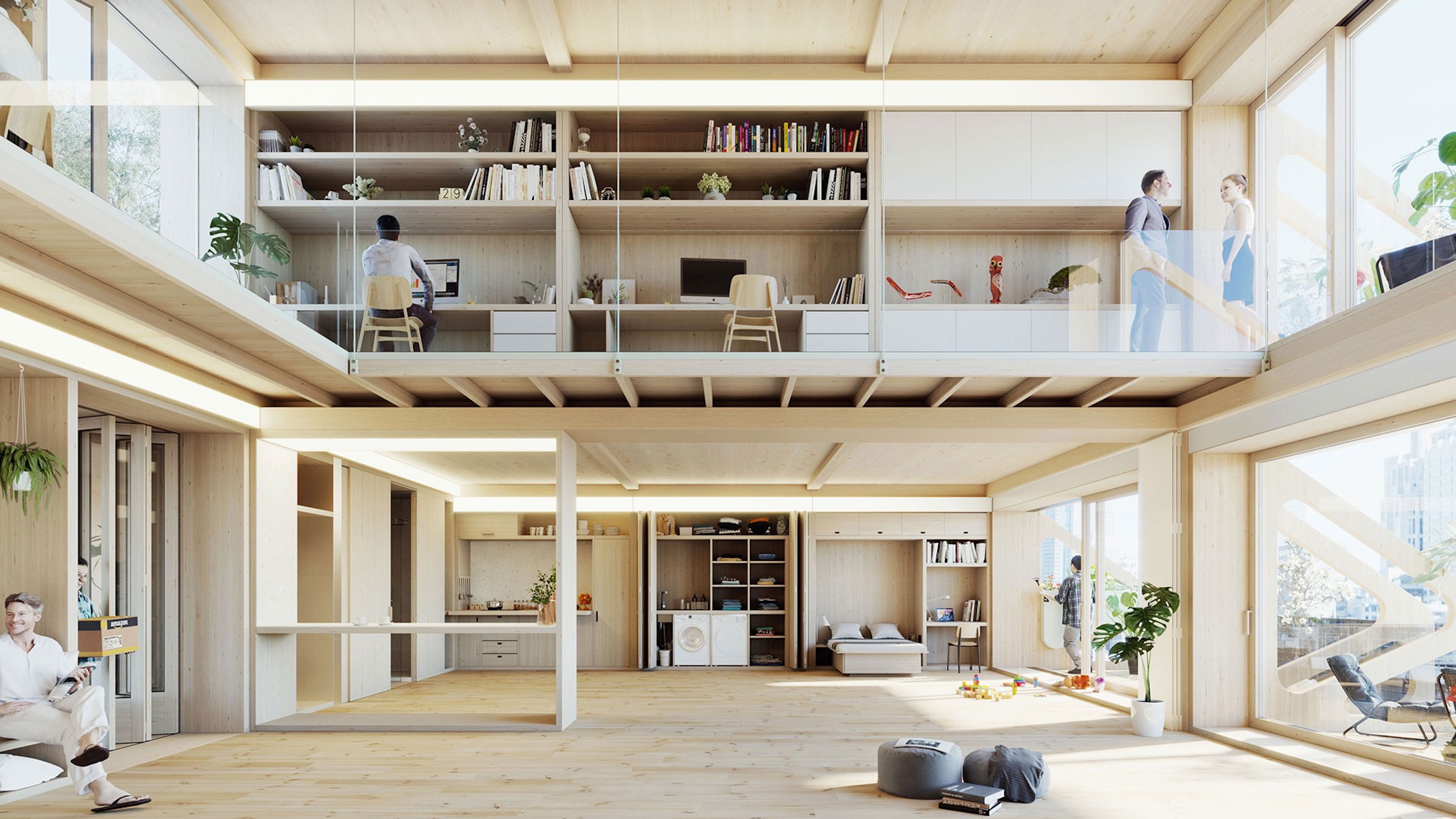
Universal Design (UD) is the proactive approach. It involves designing products and environments to be usable by all people, to the greatest extent possible, without the need for adaptation or specialized design. In 2026, many new housing developments incorporate UD features as standard, such as "no-step" entries and wider doorways. The seven principles of Universal Design, established by the Center for Universal Design at North Carolina State University, remain the gold standard: equitable use, flexibility in use, simple and intuitive use, perceptible information, tolerance for error, low physical effort, and size and space for approach and use.
Adaptive Modification, conversely, is the reactive or personalized approach. This involves retrofitting an existing space to meet the specific functional needs of a resident. This might include installing a stairlift in a multi-story home or lowering kitchen countertops for a wheelchair user. Adaptive living often combines both: utilizing the broad benefits of universal design while layering on specific assistive technologies or structural changes tailored to the individual’s unique diagnosis or mobility level.
Technological Integration in the 2026 Home
In 2026, the integration of the Internet of Things (IoT) and Artificial Intelligence (AI) has revolutionized adaptive living. Smart home technology is no longer a luxury convenience; it is a critical component of safety and autonomy.
Ambient Sensing and Fall Detection
The latest generation of adaptive homes utilizes ambient sensing—non-wearable technology that monitors movement patterns without the need for cameras. These systems use radar or floor sensors to detect a fall and automatically alert emergency services or family members. Unlike wearable pendants, which are often forgotten or stigmatized, ambient sensors provide 24/7 protection with zero user effort.
Voice and Gesture Control
Voice-activated environments, powered by advanced natural language processing, allow individuals with limited manual dexterity or visual impairments to control lighting, temperature, security, and appliances. In 2026, "Matter" and "Thread" protocols have ensured that devices from different manufacturers work together seamlessly, creating a unified ecosystem. For those with speech impairments, gesture-control interfaces allow for home management through simple hand or head movements.
Automated Routine Assistance
AI assistants now offer proactive adaptive living support. They can remind users to take medication, provide step-by-step audio guidance for complex tasks like cooking, and monitor cognitive health by detecting changes in daily routines. These "cognitive ramps" are essential for individuals in the early stages of dementia or those with executive function challenges.
Critical Room-Specific Adaptive Strategies
Effective adaptive living requires a room-by-room analysis to identify hazards and opportunities for improvement. The following areas are typically the highest priority for modification.
The Kitchen: Ergonomics and Safety
The kitchen is often the most challenging room for adaptive living. Modifications focus on accessibility and the prevention of burns or cuts.
- Variable-Height Countertops: Motorized counters can be raised or lowered to accommodate standing or seated users.
- Induction Cooktops: These stay cool to the touch, reducing burn risks and automatically shutting off when a pot is removed.
- Pull-Down Shelving: High cabinets are made accessible through mechanized shelving units that bring contents down to chest level.
- Side-Opening Ovens: These allow a wheelchair user to get closer to the oven cavity without reaching over a hot, downward-swinging door.
The Bathroom: Hygiene and Fall Prevention
Statistically, the bathroom is the most dangerous room for seniors and individuals with mobility issues.
- Curbless Showers: Eliminating the "lip" of the shower stall allows for seamless entry by foot or wheelchair.
- Integrated Grab Bars: Modern adaptive design uses grab bars that double as towel racks or toilet paper holders, removing the "clinical" look of traditional accessibility hardware.
- Comfort-Height Toilets: Higher seats (17-19 inches) make sitting and standing significantly easier, reducing strain on the knees and hips.
- Anti-Scald Valves: These regulate water temperature automatically to prevent burns, which is crucial for individuals with reduced skin sensitivity.
Entryways and Circulation
Moving into and through the home must be frictionless.
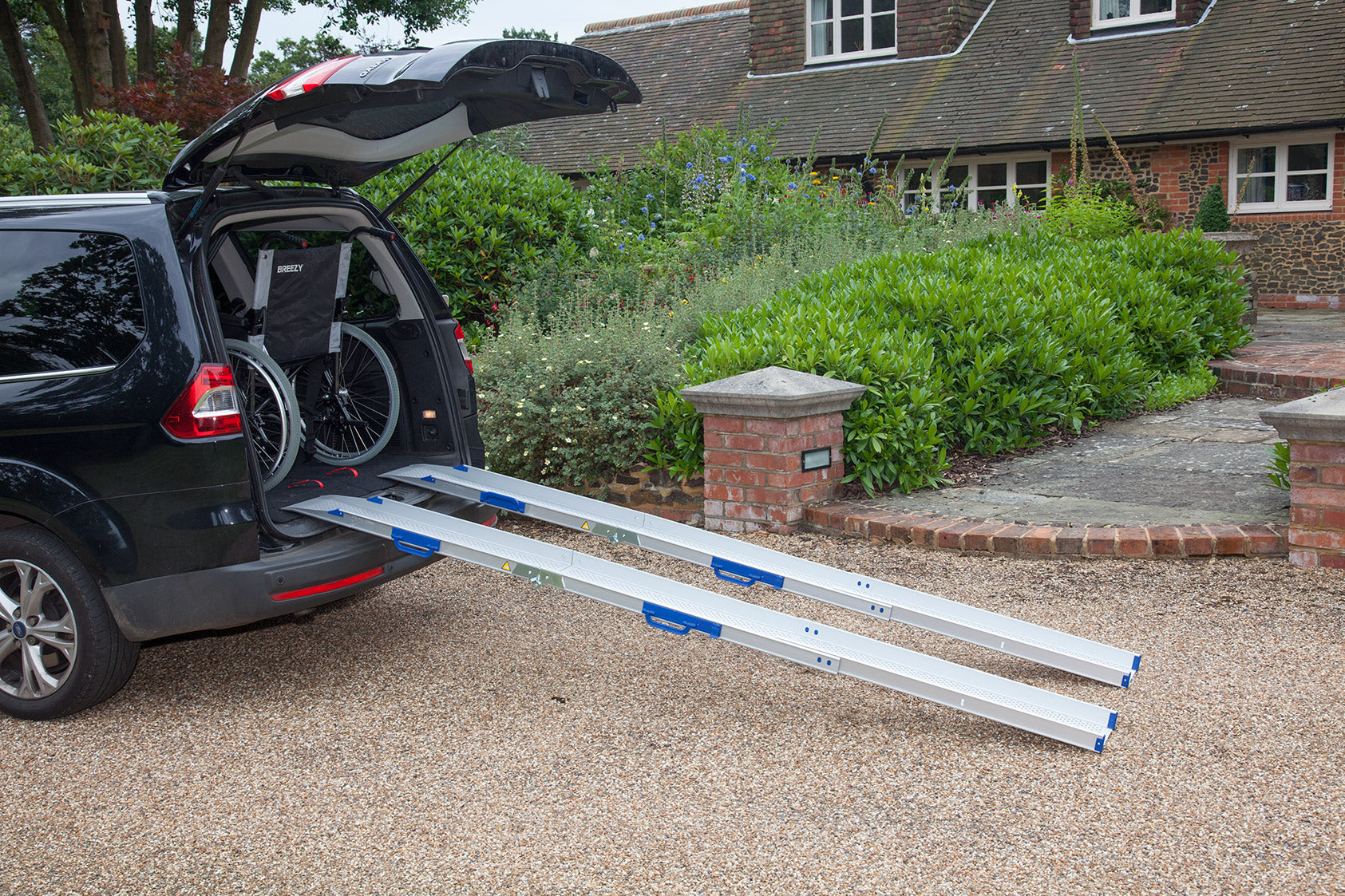
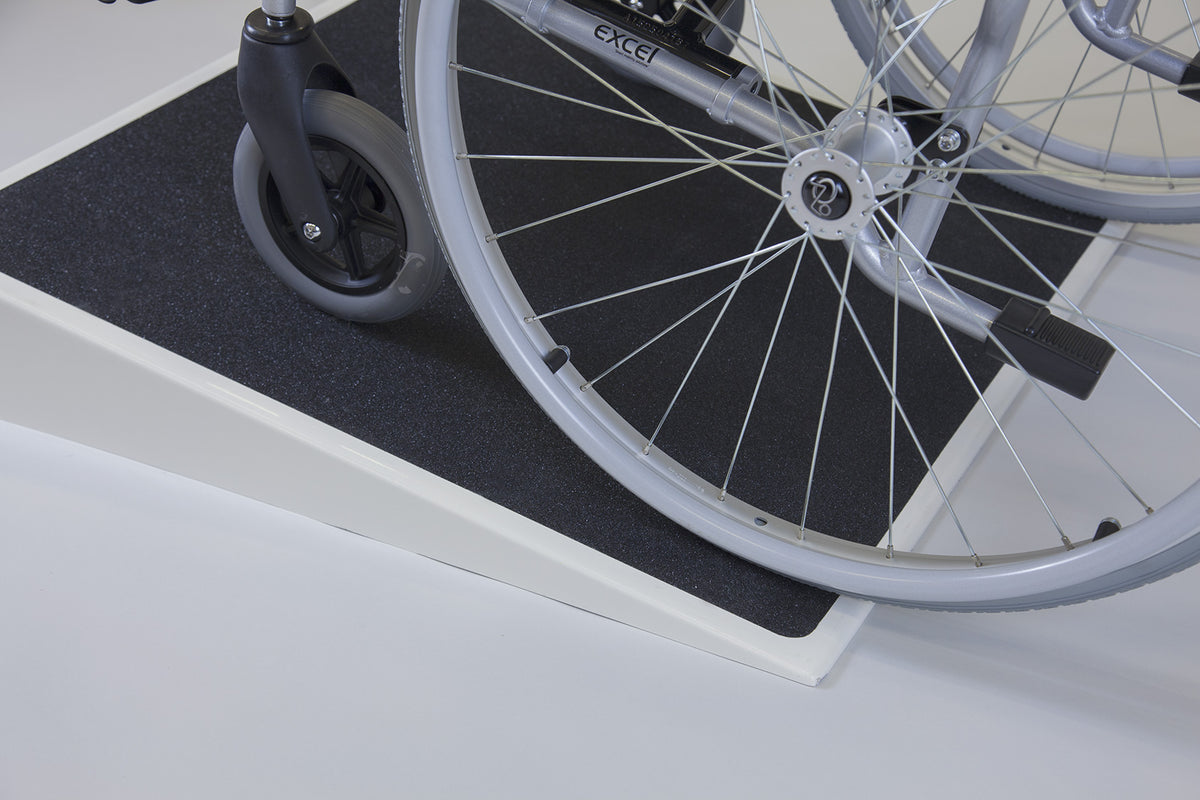
- Threshold Ramps: Even a half-inch rise can be a trip hazard or a barrier for a walker. Rubber or aluminum threshold ramps create smooth transitions.
- Door Widths: Standard 30-inch doors are often too narrow for wheelchairs. Expanding to 34 or 36 inches, or using "swing-clear" hinges, provides the necessary clearance.
- Lighting: Adaptive living requires high-contrast, glare-free lighting. Motion-activated pathway lights from the bedroom to the bathroom are essential for nighttime safety.
Economic Considerations and Professional Guidance
Implementing an adaptive living plan can be a significant investment. In 2026, the cost-benefit analysis often favors modification over the high recurring costs of assisted living facilities.
Professional Assessment
Before starting any major renovation, a consultation with an Occupational Therapist (OT) or a Certified Aging-in-Place Specialist (CAPS) is vital. OTs evaluate the specific functional capabilities of the individual, while CAPS-certified contractors understand the technical requirements of accessible construction. This ensures that modifications are not just compliant with standards (like the ADA), but are actually functional for the specific user.
Comparison of Modification Tiers
| Modification Level | Common Examples | Estimated Cost (2026 USD) | Impact on Independence |
|---|---|---|---|
| Tier 1: Low-Cost/DIY | Grab bars, lever door handles, non-slip mats, smart bulbs. | $500 – $2,500 | High (Immediate safety) |
| Tier 2: Mid-Range | Stairlifts, smart appliances, threshold ramps, widened doorways. | $3,000 – $15,000 | Very High (Mobility) |
| Tier 3: Structural | Curbless showers, kitchen retrofits, outdoor ramping, elevators. | $20,000 – $75,000+ | Essential (Full Autonomy) |
Funding and Insurance
While traditional Medicare (Part A and B) generally does not cover home modifications (categorizing them as home improvements rather than medical equipment), Medicare Advantage plans in 2026 have expanded coverage for "supplemental benefits" that include safety modifications. Additionally, many states offer Medicaid waivers for home and community-based services (HCBS) to prevent institutionalization. Veterans may be eligible for HISA or SAH grants through the Department of Veterans Affairs.
Managing the Psychological Transition
One of the most overlooked aspects of adaptive living is the psychological impact on the resident. Many people resist modifications because they associate them with a loss of youth or health. Modern adaptive living focuses on Aesthetic Accessibility—designs that look contemporary and stylish rather than medical.
When a home is modified with high-quality materials and integrated technology, it doesn't feel like a "disabled" space; it feels like a "high-performance" space. Framing these changes as upgrades to home efficiency and safety for everyone in the family—including visiting grandchildren—can help ease the emotional transition.
Frequently Asked Questions
Does adaptive living always require a major renovation?
No. Adaptive living can begin with small, high-impact changes. Switching from traditional door knobs to lever handles, increasing lighting wattage, and removing throw rugs are "low-effort" changes that significantly increase safety. Technology, such as voice-controlled thermostats, can also provide adaptive benefits without any structural work.
Are home modifications tax-deductible?
In many jurisdictions, home modifications made for medical reasons are tax-deductible as medical expenses if they do not increase the overall value of the home. If the modification (like an elevator) does increase the home's value, the cost of the modification minus the increase in value may still be deductible. It is essential to consult a tax professional and keep receipts and a letter of medical necessity from a physician.
How do I know which modifications are most urgent?
A professional home safety assessment is the best starting point. An Occupational Therapist will observe the resident performing daily tasks and identify the specific "bottlenecks" or hazards. Priority is typically given to entry/exit points and the bathroom, as these are where the highest-consequence accidents occur.
Can adaptive living help with cognitive decline or dementia?
Yes. Adaptive living for cognitive needs focuses on simplification and cues. This includes transparent cabinet faces so items are visible, automatic shut-off sensors for stoves, and smart hubs that provide verbal orientation (e.g., "It is Tuesday morning, your breakfast is in the fridge"). Reducing clutter and optimizing lighting are also crucial for managing "sundowning" symptoms in dementia patients.
Moving Forward with an Adaptive Living Plan
The transition to an adaptive living environment is most successful when it is proactive. Waiting for a fall or a hospital discharge to implement changes often leads to rushed, sub-optimal decisions. Start by conducting a self-audit of your home’s "friction points."
Begin with a consultation. Reach out to the National Association of Home Builders (NAHB) to find a Certified Aging-in-Place Specialist in your area, or contact the American Occupational Therapy Association (AOTA) for a functional home assessment. By viewing adaptive living as an investment in your future autonomy, you can ensure that your home remains a sanctuary of independence for years to come.