Adaptive golf is a modified version of the traditional game that utilizes specialized equipment, instructional techniques, and rule adjustments to accommodate individuals with physical, cognitive, or sensory disabilities. By removing structural and physical barriers, adaptive golf enables players of all ability levels to compete, socialize, and enjoy the therapeutic benefits of the sport on equal footing.
The landscape of golf has shifted significantly toward inclusivity, transforming from a sport often perceived as restrictive to one that is leading the way in accessible athletics. In 2026, adaptive golf is no longer a niche sub-discipline; it is a globally recognized competitive and recreational powerhouse. For individuals with disabilities, golf offers a unique combination of physical rehabilitation, mental focus, and social integration. Whether you are a veteran with a mobility challenge, an individual with a visual impairment, or someone navigating a neurological condition, adaptive golf provides the framework to master the links.
The Regulatory Framework: Modified Rules of Golf for Players with Disabilities
The foundation of adaptive golf rests upon the "Modified Rules of Golf for Players with Disabilities," jointly authored and maintained by the USGA and The R&A. These rules are not intended to create a "different" game, but rather to ensure that the fundamental challenges of golf remain consistent while providing necessary accommodations.
As of 2026, the rules are categorized to address five specific groups of players: those who are blind, those who use assistive mobility devices, those with permanent intellectual disabilities, those with neurological conditions, and those with orthopedic disabilities (including amputees).
Key Rule Modifications
- Assistance in the Bunker: Players with certain physical limitations are permitted to use an assistive device (like a cane or a specialized prosthetic) to enter a bunker or to balance themselves while playing a shot without penalty, provided they do not intentionally test the condition of the sand.
- Caddie Positioning: For players who are blind or visually impaired, the caddie or "guide" is permitted to stand behind the player to help with alignment while the stroke is being made. This is a critical departure from standard rules, which prohibit caddies from assisting with alignment once the player has taken their stance.
- Dropping and Placing: Depending on the player’s mobility, the rules may allow for placing the ball rather than dropping it from knee height, ensuring that individuals who cannot easily reach the ground or maintain balance during a drop are not disadvantaged.
- The "Anchoring" Exception: While traditional golf rules strictly limit the anchoring of the club against the body, certain adaptive classifications allow for anchoring if the player's physical condition necessitates it for stability or control.
The Role of Classification in Competitive Play
To ensure fair competition, adaptive golf utilizes a sophisticated classification system. Much like the Paralympic Games, classification in golf assesses the impact of a player’s impairment on their ability to perform the technical movements of the game.
The European Disabled Golf Association (EDGA) and the United States Adaptive Golf Alliance (USAGA) use a functional capacity approach. Players undergo a physical evaluation by certified classifiers who look at range of motion, muscle power, and limb coordination.
Understanding the WR4GD
The World Ranking for Golfers with Disability (WR4GD) is the primary ranking system used to track performance globally. In 2026, this ranking determines eligibility for elite events, including the U.S. Adaptive Open and the G4D Tour (Golf for the Disabled). Players are categorized into "Sport Classes" to ensure they are competing against others with similar functional limitations, rather than simply similar medical diagnoses. This nuance is vital; a player with a single leg amputation may have a very different functional capacity than a player with a neurological condition affecting all four limbs, even if their handicaps are similar.
Essential Adaptive Equipment and Technology
The evolution of technology has been the single greatest catalyst for the growth of adaptive golf. In 2026, specialized equipment allows individuals who previously could not stand or grip a club to participate at a high level.
Mobility Devices
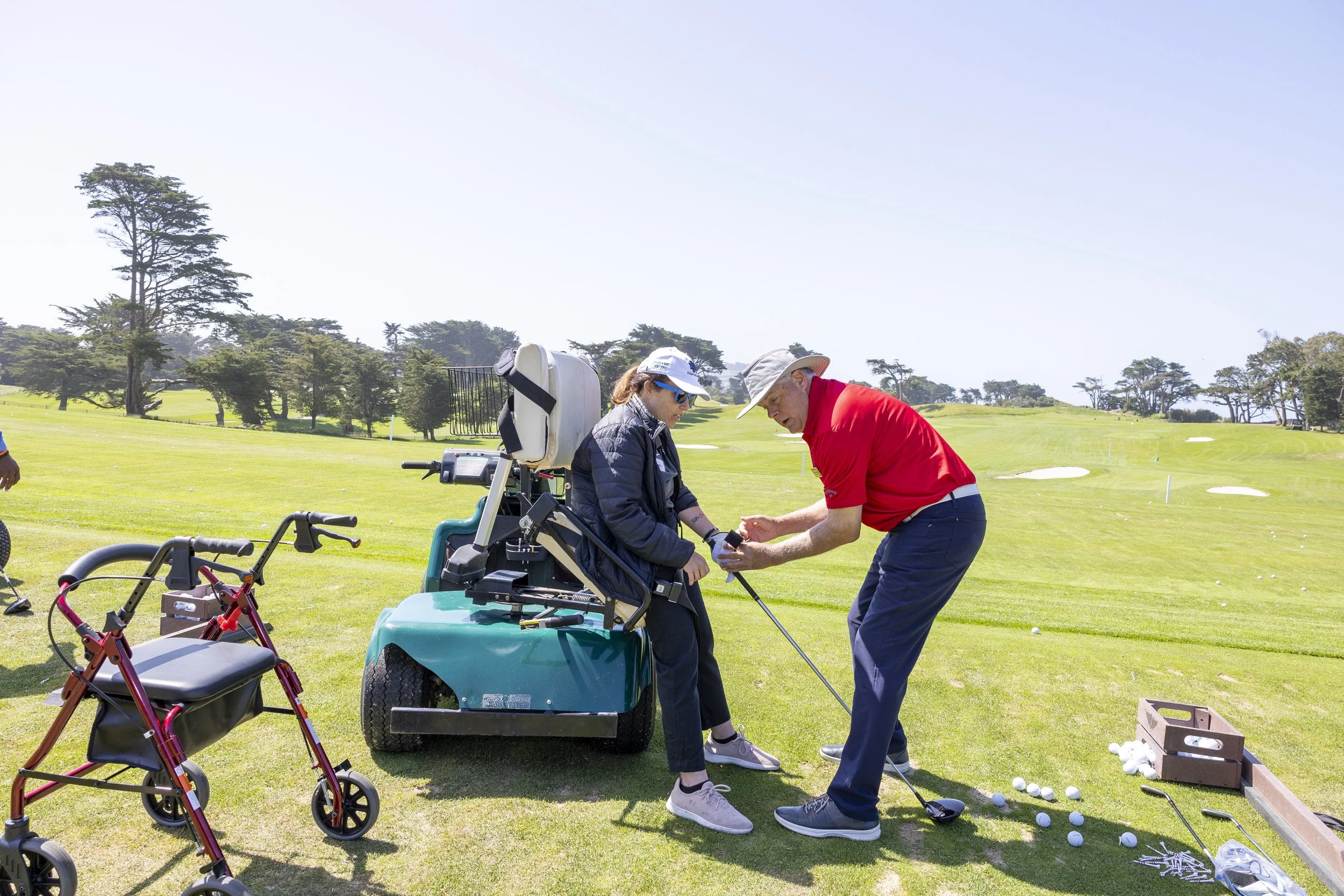
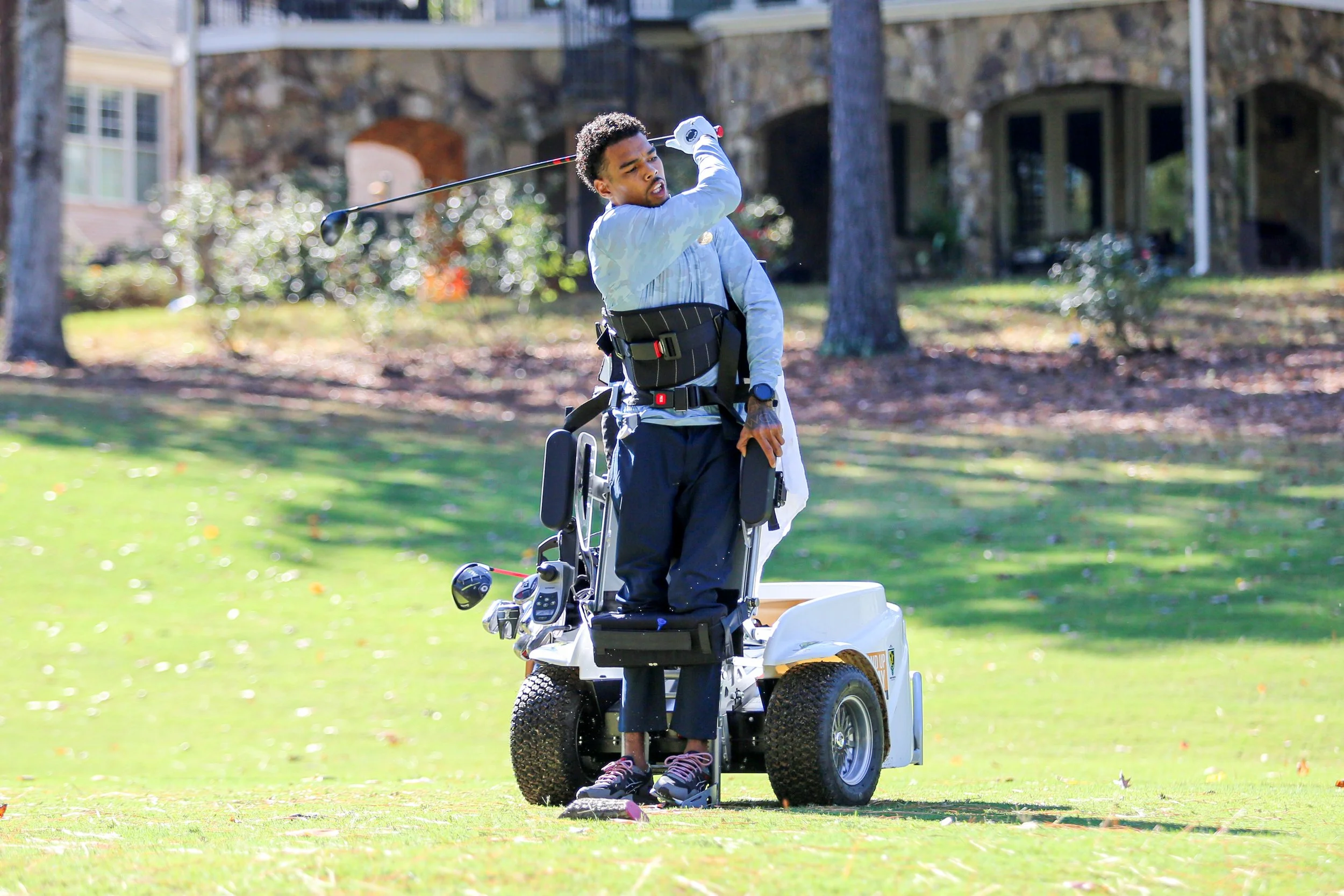
For players with lower-limb impairments or paralysis, the Paramobile and the SoloRider are the industry standards. The Paramobile is a sophisticated stand-up device that supports the player from a seated position into a standing posture, allowing for a natural golf swing. These devices are designed with "turf-friendly" tires, meaning they exert less pressure on greens than a standard golf cart, allowing players to drive directly onto the putting surface.
Gripping and Swing Aids
For individuals with upper-limb differences or limited hand strength (such as those with quadriplegia or severe arthritis), specialized gripping aids are essential. "Active Hands" or custom-molded gloves can secure the club to the player’s hand. Furthermore, weighted clubs or shortened shafts can help compensate for reduced leverage or range of motion.
Adaptive Equipment Comparison Table
| Equipment Type | Primary Use Case | Key Feature | Impact on Play |
|---|---|---|---|
| Paramobile | Paraplegia / Severe Mobility | Standing mechanism | Enables a full vertical swing posture. |
| SoloRider | Limited Mobility / Balance | Swivel seat | Allows play from a seated or semi-seated position. |
| Adaptive Grips | Limited Dexterity / Amputees | Velcro/Molded straps | Ensures club stability throughout the swing. |
| Acoustic Ball Locators | Visual Impairment | Sound-based tracking | Helps players locate the ball via audio cues. |
| Prosthetic Swing Adapters | Amputees | Specialized connectors | Provides torque and rotation for artificial limbs. |
Instructional Strategies for Different Disabilities
Teaching adaptive golf requires a shift in pedagogy. Traditional "textbook" swing mechanics often do not apply. Certified adaptive instructors focus on "Functional Swing Mechanics," which prioritizes what a player can do over a standardized aesthetic.
- Visual Impairment: Instruction focuses on verbal cues, clock-face orientation (e.g., "The hole is at 2 o'clock"), and physical guidance. The "guide" or coach becomes the eyes of the player, describing the topography of the green and the distance to hazards.
- Amputee Golf: For lower-limb amputees, the focus is on balance and weight transfer. For upper-limb amputees, the emphasis is on the "one-arm swing" or utilizing specialized prosthetic attachments that allow for a two-handed grip.
- Neurological Conditions: For players with Parkinson’s or Multiple Sclerosis, instruction often involves managing fatigue and utilizing "swing triggers" to overcome tremors or rigidity. Rhythmic breathing and tempo drills are frequently employed.
The Physical and Psychological Impact of the Game
Adaptive golf is widely recognized by medical professionals as a form of "recreation therapy." In 2026, clinical studies continue to support the multi-dimensional benefits of the sport.
Physical Rehabilitation
The golf swing is a full-body movement that requires core stability, rotational flexibility, and hand-eye coordination. For those in recovery from spinal cord injuries or strokes, the repetitive nature of the swing helps rebuild neuromuscular pathways. Standing in a Paramobile also provides "weight-bearing therapy," which is crucial for bone density and circulatory health in non-ambulatory individuals.
Mental Health and Social Integration
Disability can often lead to social isolation. The golf course provides a "level playing field" where the handicap system allows players of vastly different abilities to compete together. This social engagement is vital for mental well-being. The focus required for golf—often described as a "moving meditation"—helps players manage PTSD and anxiety by grounding them in the present moment.
Finding and Joining Adaptive Golf Programs
Accessing adaptive golf has become significantly easier through centralized organizations and local initiatives. In 2026, the primary point of entry for many is through national bodies that provide directories of accessible courses and certified instructors.
- National and International Organizations: Start by visiting the United States Golf Association (USGA) or the European Disabled Golf Association (EDGA). These organizations provide resources on rules, classification, and tournament schedules.
- Specialized Clinics: Many state golf associations, such as the Georgia State Golf Association (GSGA), have dedicated adaptive programs. These clinics often provide the equipment (like SoloRiders) for free, allowing new players to try the sport before investing in their own gear.
- Veteran Programs: The VA (Department of Veterans Affairs) and organizations like "PGA HOPE" (Helping Our Patriots Everywhere) offer specialized programs for veterans with disabilities, focusing on the transition from military to civilian life through golf.
- Local Course Verification: Before visiting a course, it is essential to call and verify the availability of single-rider carts and their "access to greens" policy. Under the Americans with Disabilities Act (ADA), public courses are required to provide reasonable accommodations.
The Growth of Competitive Adaptive Golf
The pinnacle of the sport is the U.S. Adaptive Open, which held its inaugural championship in 2022 and has since become a flagship event in the golfing world. By 2026, the field has expanded, and television coverage has brought the stories of these athletes to a global audience.
Competitive adaptive golf is characterized by incredible skill. It is not uncommon to see "seated" players driving the ball over 200 yards or blind golfers shooting in the 80s. This competitive tier has pushed manufacturers to innovate even further, creating a cycle where high-performance needs drive improvements in recreational equipment. The inclusion of golf in the Paralympic conversation remains a major topic of advocacy, with 2026 serving as a critical year for international lobbying efforts.
Common Misconceptions
- "Adaptive golf is just for seniors." While seniors benefit, the fastest-growing demographic includes young athletes with congenital disabilities or injuries.
- "It’s too expensive." While specialized carts are costly, most adaptive programs provide equipment for use during clinics and rounds at little to no cost to the player.
- "You need a high level of fitness." Golf is a low-impact sport. The "adaptive" nature means the game is tailored to your current physical capacity, not the other way around.
Frequently Asked Questions
Can I use a golf cart on the putting green in adaptive golf?
Yes, if you are using a specialized single-rider mobility device like a SoloRider or Paramobile. These machines are designed with low-pressure tires that do not damage the turf. Traditional two-person golf carts are generally not allowed on the greens due to their weight and tire design, which can cause significant compaction and damage to the putting surface.
Do I need a formal classification to play in local tournaments?
For casual play and local club tournaments, a formal EDGA or USAGA classification is usually not required. However, you will need a valid World Handicap System (WHS) index. Formal classification is only mandatory for "Ranked" events that count toward the World Ranking for Golfers with Disability (WR4GD) or national championships.
Is there a specific type of golf club for seated players?
Seated players often require clubs with different "lie angles." Because the player is closer to the ground, a standard club may sit too upright. Many seated players use clubs that are slightly shorter or have the heads adjusted to be "flatter" to ensure the sole of the club sits flush with the ground at impact.
How do blind golfers know where to aim?
Blind golfers work with a "guide" or "coach" who assists with alignment. The guide will describe the shot, the distance, and the line. They often place the clubhead behind the ball for the player or use a tactile method, such as tapping the ground where the ball is located, to help the player orient their swing.
Are there specific tournaments for veterans?
Yes, many adaptive golf tournaments have specific categories for "Wounded Warriors" or veterans. Programs like PGA HOPE and the SMGA (Salute Military Golf Association) host numerous events throughout the year specifically designed for military personnel with service-connected disabilities.
Next Steps for New Players
If you are interested in starting your journey in adaptive golf, the most effective next step is to locate a PGA HOPE clinic or an EDGA-affiliated introductory program in your area. These programs are specifically designed to introduce the game in a low-pressure environment with instructors who understand the complexities of various disabilities.
Do not feel pressured to purchase equipment immediately. Use the resources provided by these organizations to determine which adaptations (grips, carts, or swing changes) work best for your body. Golf is a lifelong pursuit, and the adaptive community is one of the most welcoming and supportive subcultures in all of sports. By leveraging the rules, technology, and community support available in 2026, the "greatest game" is truly open to everyone.