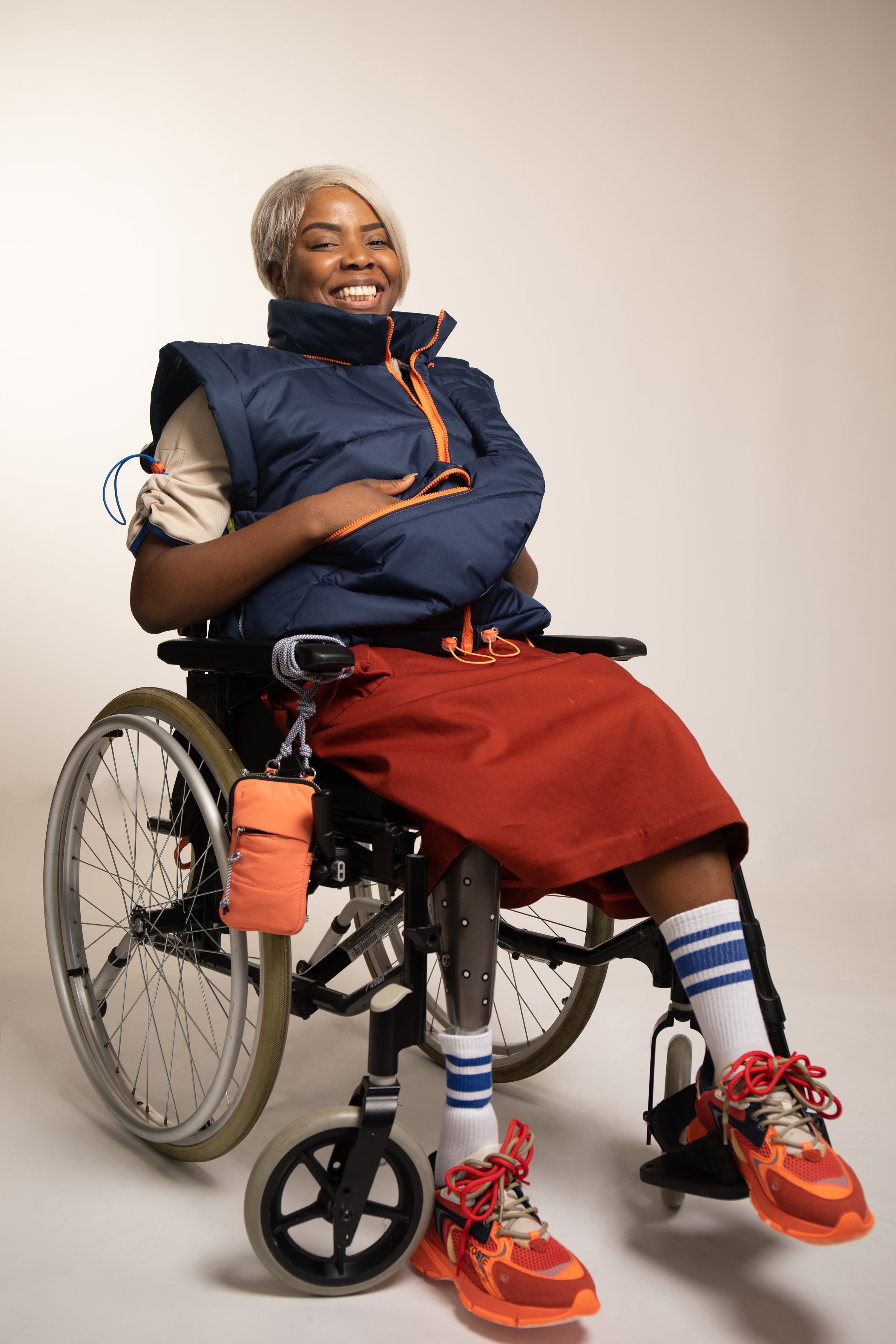
Adaptive apparel refers to clothing and footwear specifically engineered for individuals with physical disabilities, sensory sensitivities, or limited mobility. By replacing traditional fasteners with magnets, Velcro, or easy-access zippers and utilizing specialized cuts for seated postures, these garments promote independence, reduce dressing time, and enhance comfort for users and caregivers alike.
Understanding the Evolution of Adaptive Apparel
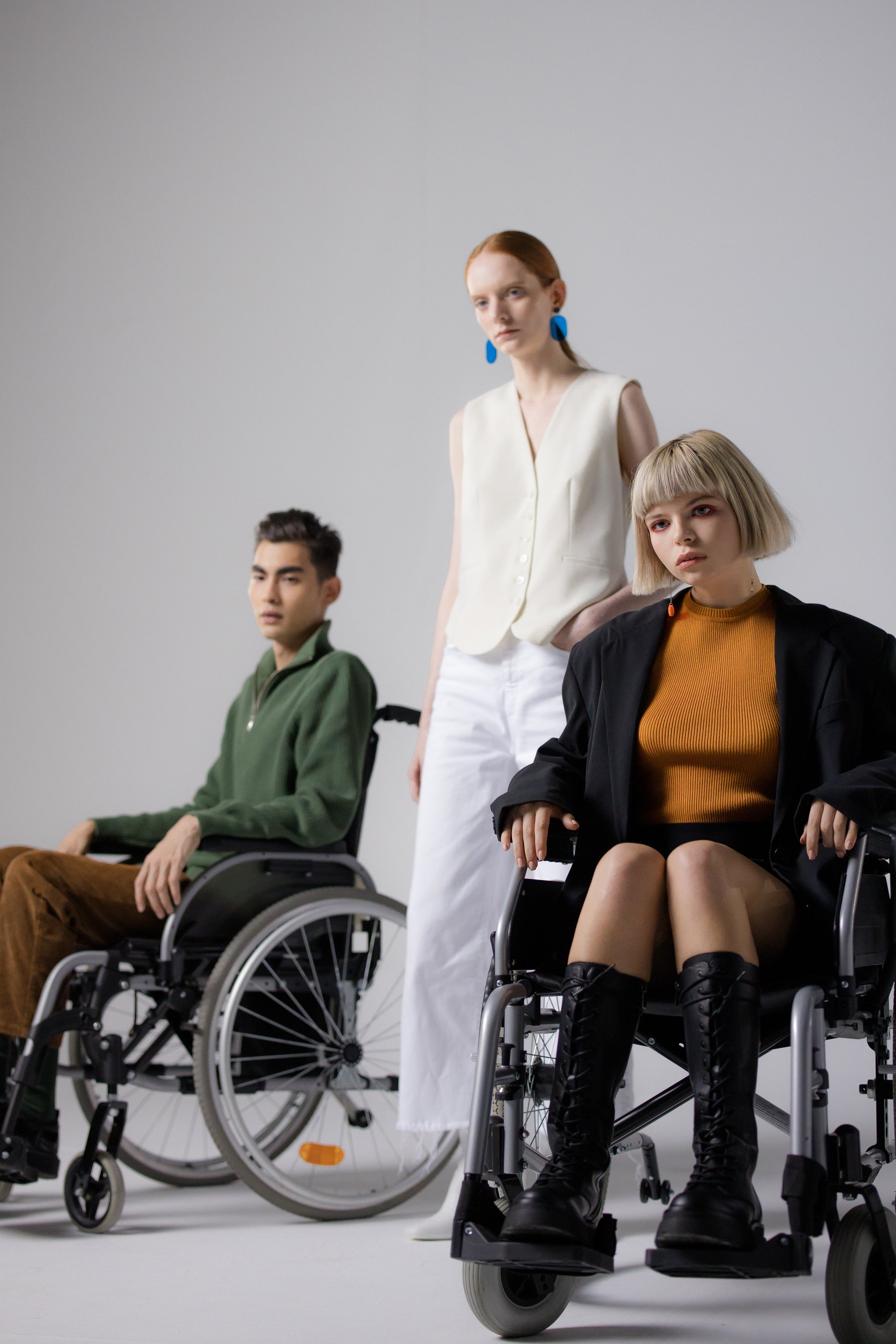
Adaptive apparel has transitioned from a niche medical necessity to a significant segment of the global fashion industry. Historically, clothing for individuals with disabilities was primarily functional, often resembling hospital gowns or utilitarian garments that lacked style. By 2026, the philosophy of "inclusive design" has become standard, ensuring that garments are both aesthetically pleasing and technically accessible.
The core objective of adaptive clothing is to solve the "friction points" of dressing. For an individual with Parkinson’s disease, buttoning a shirt can be an exhausting task due to tremors. For a wheelchair user, standard trousers often bunch at the waist and lack sufficient length in the back. Adaptive design addresses these specific ergonomic challenges through modifications that are often "invisible" to the casual observer. This shift is rooted in the social model of disability, which suggests that people are disabled by barriers in society—such as poorly designed clothing—rather than by their physical impairments alone.
Furthermore, the rise of e-commerce and specialized fit technology has made these items more accessible than ever. Brands now utilize 3D body scanning and AI-driven sizing recommendations to ensure that those with unique body shapes or prosthetic limbs receive a garment that fits correctly on the first try.
Core Design Innovations and Technical Specifications
The functionality of adaptive apparel relies on specific mechanical and material innovations. These features are designed to minimize the range of motion required to put on or take off a garment, a concept known as "easy-dressing."
Magnetic Closures and One-Handed Zippers
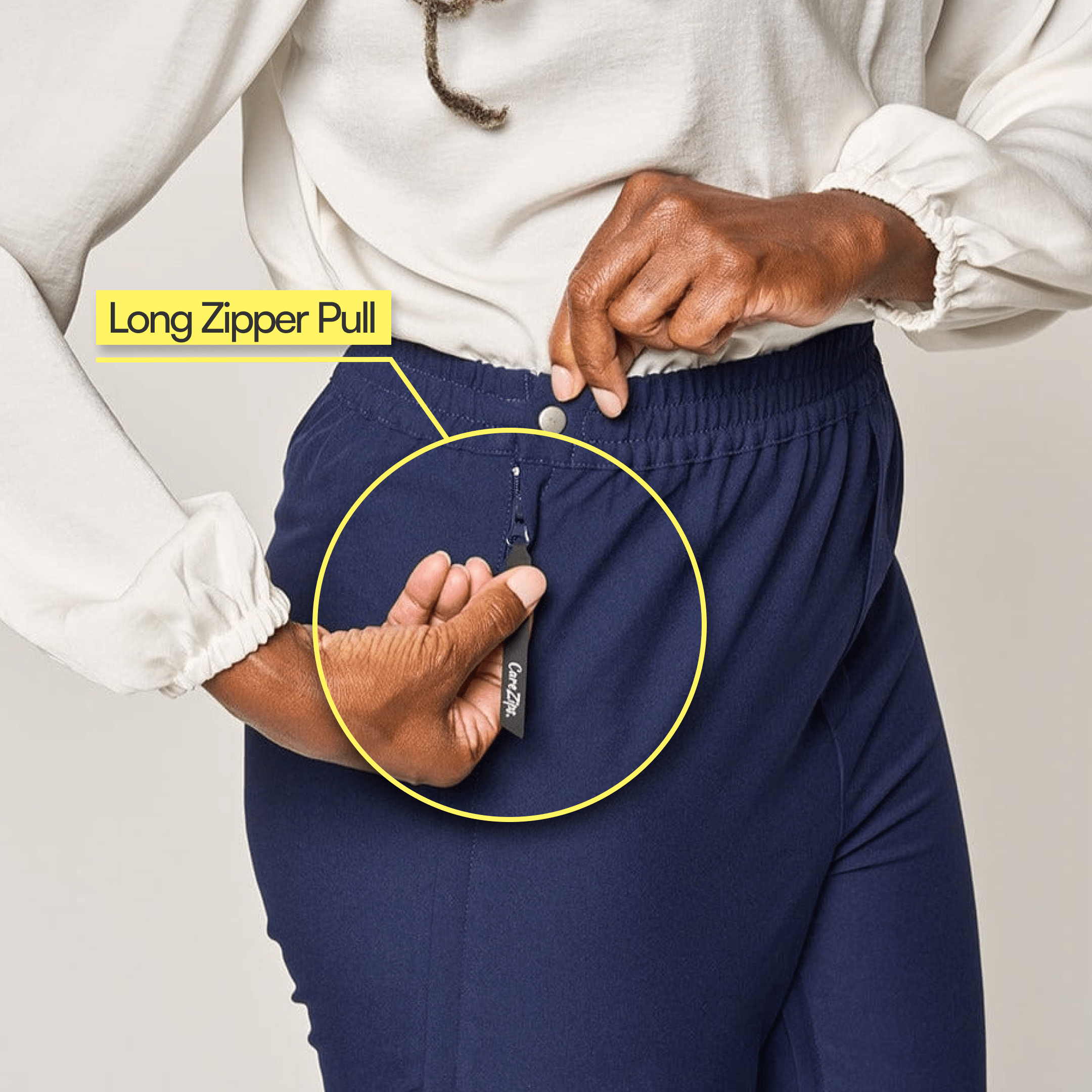
One of the most significant breakthroughs in adaptive fashion is the integration of high-strength, hidden magnets. Used primarily in dress shirts and jackets, magnetic closures allow the garment to "snap" shut with minimal precision. This is particularly beneficial for those with arthritis or limited fine motor skills. Similarly, one-handed zippers—often utilizing a magnetic base to align the tracks—enable users to zip up jackets without needing to use both hands simultaneously.
Seated-Cut Construction
Clothing designed for wheelchair users requires a fundamental reimagining of pattern making. A "seated cut" involves lowering the front waistline to prevent fabric bunching and raising the back waistline to ensure full coverage while sitting. Additionally, seams are often moved away from pressure points to prevent skin irritation or pressure sores, and back pockets are frequently removed to provide a smoother surface against the wheelchair seat.
Sensory-Friendly Fabrics and Flat Seams
For individuals with autism or sensory processing disorders, the tactile experience of clothing can be overwhelming. Adaptive apparel in this category prioritizes tagless labels, flat-felled seams (which lie flat against the skin), and ultra-soft, breathable fabrics like modal or bamboo. These materials reduce tactile defensiveness and prevent the "scratchy" sensation associated with traditional mass-produced garments.
Identifying Specialized Solutions by Condition
Not all adaptive clothing is created equal; different physical and cognitive conditions require distinct design solutions. Understanding these requirements is essential for choosing the right wardrobe.
- Limited Hand Dexterity (Arthritis, MS, Parkinson’s): Focus on garments with magnetic buttons, elastic waists, and pull-on loops. Avoid traditional buttons, small hooks, and stiff zippers.
- Wheelchair Users: Prioritize seated-cut trousers, side-entry zippers, and capes or coats with shorter back lengths that won't get caught in wheels.
- Alzheimer’s and Dementia: "Anti-strip" clothing is a specific sub-category designed with reinforced back-closures. These garments prevent the wearer from undressing at inappropriate times, which is a common behavior in middle-to-late stage dementia, while still maintaining a dignified appearance.
- Amputees and Prosthetic Users: Look for garments with reinforced inner linings to prevent wear from prosthetic hardware and hidden zippers in sleeves or pant legs to allow for easy adjustment of devices without undressing.
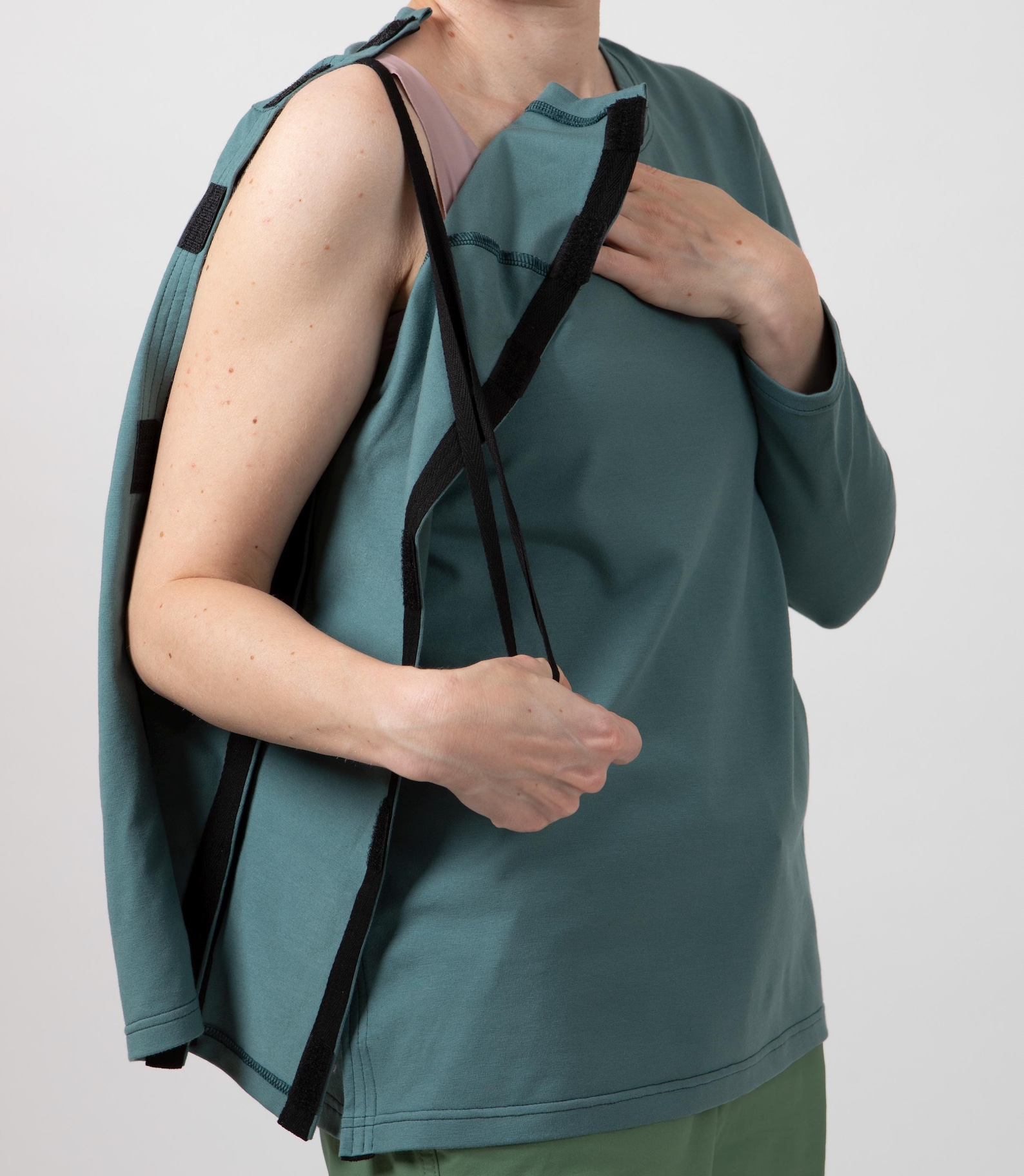
- Post-Surgical Recovery: Clothing with "tear-away" snaps or Velcro sides allows medical professionals to access incision sites or casts without requiring the patient to move excessively.
Comparison of Common Adaptive Fasteners
Choosing the right closure system depends on the user’s specific physical capabilities and the environment in which the clothing will be worn.
| Fastener Type | Best For | Pros | Cons |
|---|---|---|---|
| Magnetic Buttons | Arthritis, Fine Motor Issues | Looks like traditional buttons; easy to use. | Not compatible with pacemakers; may pop open under tension. |
| Hook-and-Loop (Velcro) | General Mobility Issues | Very secure; adjustable fit; low cost. | Can snag other fabrics; noisy; loses grip over time if lint accumulates. |
| Side-Entry Zippers | Wheelchair Users, Catheter Access | Provides wide opening; discreet placement. | Requires some reach/dexterity to start the zipper pull. |
| Snap Closures | Post-Surgery, Caregiver Assistance | Very durable; easy for caregivers to manipulate. | Requires more pressure than magnets; can be difficult for one-handed use. |
| Elastic/Pull-on | Cognitive Impairment, Lower Body Weakness | Simplest design; no hardware to fail. | Can look less formal; may sag if the elastic is low quality. |
The Market Landscape and Availability in 2026
As of 2026, the adaptive apparel market is divided into three primary segments: mainstream retailers, specialized medical-adaptive brands, and bespoke high-fashion labels.
Mainstream brands like Tommy Hilfiger Adaptive, Nike (FlyEase), and Target’s Cat & Jack have normalized adaptive features in everyday wear. These collections are often available at similar price points to standard clothing, making them accessible to a wider demographic. Specialized brands such as Silverts and IZ Adaptive continue to lead the market for more complex needs, such as heavy-duty wheelchair-specific outerwear or hospital-to-home transitional wear.
The integration of technology has also led to the rise of "smart" adaptive apparel. Some garments in 2026 now feature embedded sensors to monitor gait or detect falls, particularly in footwear. This convergence of fashion, function, and health-tech is transforming clothing into a tool for proactive health management.
Practical Buying Guide: Sizing, Quality, and Costs
Purchasing adaptive clothing requires a different approach than standard retail shopping. Because the garments serve a functional purpose, the "fit" is more critical.
1. Sizing While Seated
If you are buying for a wheelchair user, measurements should be taken while the person is in a seated position. Standard sizing charts are based on a standing posture, which can lead to trousers being too short and shirts being too tight across the shoulders.
2. Fabric Durability and Care
Adaptive clothing often undergoes more frequent washing and higher mechanical stress (especially near closures). Look for high-denier fabrics and reinforced stitching. Be aware that magnetic closures require specific laundry care—usually washing with the magnets fastened—to prevent them from sticking to the washing machine drum or damaging other clothes.
3. Financial Considerations and Assistance
Adaptive apparel can be more expensive than "fast fashion" due to the specialized construction. However, in 2026, many jurisdictions recognize certain adaptive items as medical necessities.
- HSA/FSA Eligibility: Many adaptive items are eligible for purchase using Health Savings Accounts or Flexible Spending Accounts in the United States, provided they are prescribed for a specific medical condition.
- Tax Deductions: In some regions, the cost difference between a standard garment and an adaptive garment may be tax-deductible as a medical expense.
- Grants: Organizations like the Multiple Sclerosis Foundation or veteran support groups often provide grants for adaptive equipment, including specialized clothing.
Overcoming Common Challenges in Adaptive Fashion
Despite advancements, users still face hurdles in the adaptive market. One primary issue is the "stigma of the medical look." Even with modern designs, some users feel that adaptive features identify them as "different." To mitigate this, look for brands that utilize "stealth design"—where the adaptive features are completely hidden behind decorative elements like faux buttons.
Another challenge is the limited availability in physical brick-and-mortar stores. While online shopping is convenient, it lacks the ability to "test" a closure’s strength before buying. When shopping online, prioritize retailers with generous return policies and detailed video demonstrations of how the fasteners operate.
Frequently Asked Questions
Is adaptive clothing only for the elderly?
No, adaptive clothing serves a wide range of ages, from children with sensory processing disorders to young adults with spinal cord injuries or limb differences. While the elderly population is a large demographic for this market due to age-related mobility issues, the designs are increasingly diverse to suit all lifestyles and fashion preferences.
Can I wash magnetic clothing in a standard washing machine?
Yes, most magnetic clothing is designed to be machine washable. However, you must close all magnetic fasteners before putting them in the machine. This prevents the magnets from attaching to the drum or snagging other garments. Always check the manufacturer's label for specific temperature and drying instructions, as high heat can occasionally degrade certain adhesives used in adaptive closures.
Will magnetic closures interfere with my pacemaker?
Individuals with pacemakers or ICDs (implantable cardioverter-defibrillators) should exercise caution. While many brands use shielded magnets, it is generally recommended to consult with a physician before wearing garments with magnets directly over the chest. Many brands offer "Velcro-only" alternatives specifically for this reason.
Why is adaptive clothing more expensive than regular clothing?
The higher price point is typically due to increased labor and material costs. Adaptive garments require more complex patterns, specialized hardware (like high-grade magnets or heavy-duty zippers), and reinforced construction to handle the different ways the clothing is put on and taken off. Additionally, they are often produced in smaller batches than mass-market apparel.
How do I know if a garment is truly "adaptive"?
A garment is considered adaptive if it includes specific design modifications that simplify the dressing process for those with limitations. Look for keywords such as "easy-access," "seated-fit," "magnetic closure," or "sensory-friendly." True adaptive clothing is designed with the user's physical constraints in mind, rather than just being a larger or stretchier version of a standard garment.
Next Steps for Choosing the Right Wardrobe
To begin building an adaptive wardrobe, start by identifying the single most difficult part of the daily dressing routine. If footwear is the primary struggle, look into hands-free shoes with "step-in" technology. If upper-body dressing is the bottleneck, replace a few standard button-down shirts with magnetic versions.
Before making a large investment, purchase one or two items from different brands to test the fastener strength and fabric comfort. For those navigating new disabilities, consulting with an Occupational Therapist (OT) can be invaluable; OTs are trained to recommend specific adaptive features based on an individual’s range of motion and strength. By focusing on quality over quantity and prioritizing the specific needs of the wearer, adaptive apparel can significantly improve quality of life and personal autonomy in 2026.