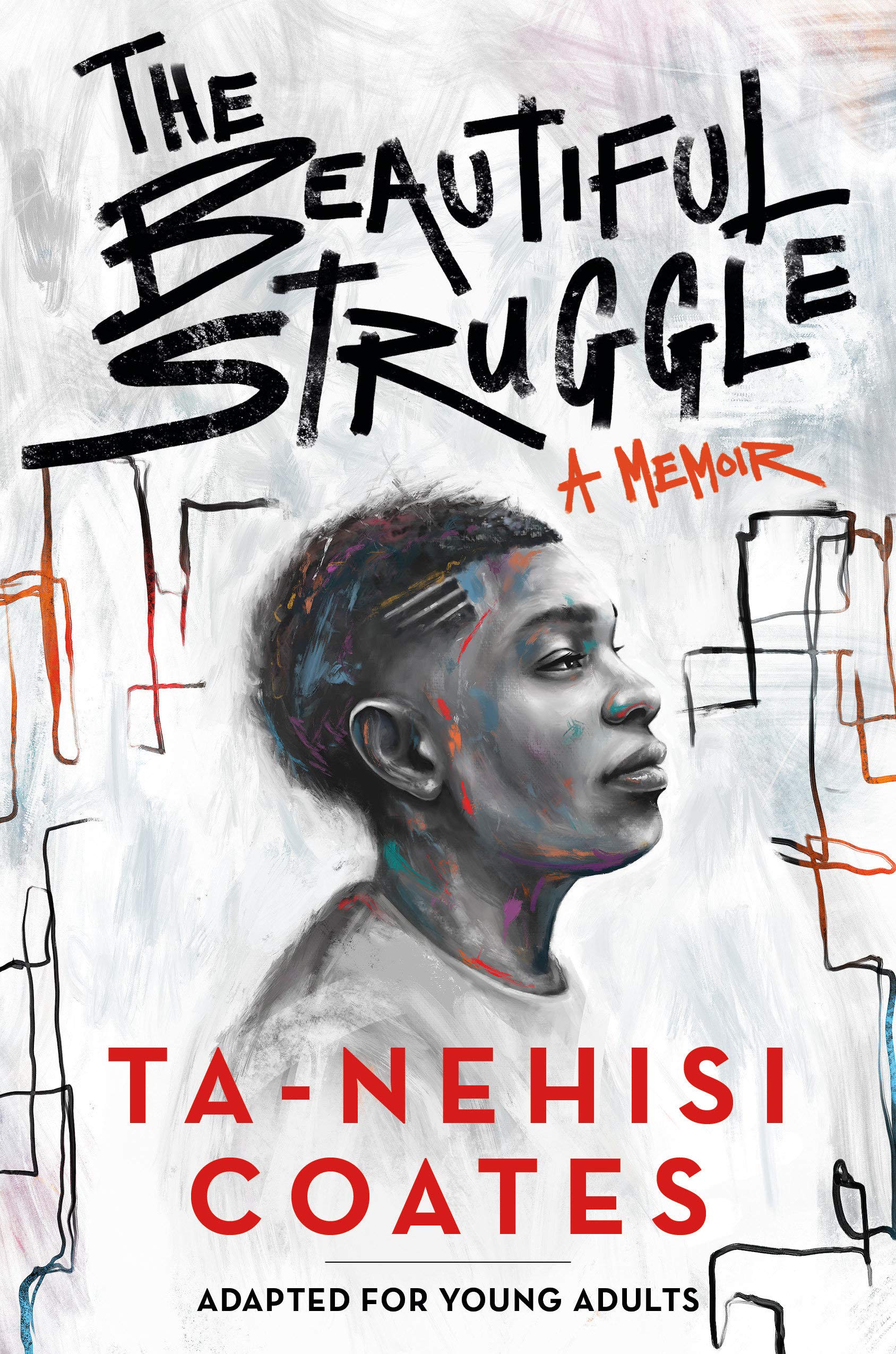
A work adapted from a memoir is a creative production—typically a film, television series, or stage play—based on a non-fiction book written by a person about a specific period or theme in their own life. Unlike adaptations of general non-fiction, these projects prioritize the author's subjective emotional truth and personal perspective over objective historical record.
The Core Philosophy of Memoir Adaptation
When a project is labeled "adapted from memoir," it carries a specific weight of authenticity and intimacy. Unlike a biography, which is a third-party account of a person's life, or an autobiography, which usually chronicles a person's entire lifespan, a memoir is inherently narrow and thematic. It is a slice of life processed through the lens of memory.
In the 2026 media landscape, the demand for "lived experience" narratives has never been higher. Producers and streaming platforms actively seek memoirs because they come with a built-in audience and a "true story" marketing hook that resonates with viewers seeking emotional depth. However, the transition from the printed page to the screen involves a complex process of deconstruction. The screenwriter must identify the "emotional spine" of the book—the central internal change the author undergoes—and find ways to manifest that change through external action and dialogue.
This process often requires a departure from literal facts to preserve the "truth" of the experience. Readers of a memoir accept a certain level of internal monologue and reflection, but film and television are visual mediums. To adapt a memoir successfully, a creator must translate these internal states into visual metaphors or dramatic conflicts that an audience can witness.
Key Differences Between Memoirs and Screenplays
The primary challenge in any adaptation is the structural difference between prose and drama. Memoirs are often non-linear, meditative, and heavy on internal reflection. Screenplays, by contrast, require momentum, clear stakes, and externalized conflict.
One of the most significant shifts is the transition from "telling" to "showing." In a memoir, an author might spend three pages describing their feelings of isolation in a new city. In an adaptation, the screenwriter might create a specific scene where the protagonist attends a party and stands silently by the snack table while others laugh around them. The feeling is the same, but the delivery is entirely different.
Another critical difference lies in the protagonist's agency. In a memoir, the author is often a passive observer of their own life as it happens to them. In a compelling drama, the protagonist must make choices that drive the plot forward. Adapters often have to "activate" the memoir's narrator, giving them more direct influence over the events to keep the cinematic narrative engaging.
The Legal Framework for Adapting Personal Histories
Adapting a memoir is not just a creative endeavor; it is a complex legal transaction. Because the source material involves real people and real events, production companies must navigate several legal hurdles to protect themselves from litigation.
Life Story Rights
While facts themselves cannot be copyrighted, the specific expression of those facts in a memoir is protected. Furthermore, the "life rights" of the author and often the people mentioned in the book are typically secured through a Life Story Rights Agreement. This contract grants the filmmaker the right to depict the individual’s life, use their name and likeness, and, crucially, fictionalize certain elements for dramatic purposes.
Defamation and Privacy
One of the highest risks in memoir adaptation is defamation—making a false statement about a living person that harms their reputation. Even if a memoir is published, a film adaptation reaches a wider audience and may change details in a way that could be perceived as defamatory. Legal teams conduct "vetting" or "clearance" reviews, where every character and event is cross-referenced against reality to ensure that the production doesn't infringe on privacy rights or cross into libelous territory.
Disclaimer: The following legal and procedural information is for educational purposes only and does not constitute legal or professional advice. Consult with an entertainment attorney for specific jurisdictional requirements and contract negotiations.
Steps in the Adaptation Process
The journey from a published memoir to a premiering film or series involves several distinct phases. In 2026, these stages remain the industry standard for ensuring both creative quality and commercial viability.
- Optioning the Rights: A producer rarely buys a memoir outright. Instead, they "option" it. An option agreement is a contract that gives the producer the exclusive right to purchase the film rights at a set price within a specific timeframe (usually 12 to 18 months). This allows the producer time to develop a script and secure funding.
- Developing the Treatment: Before a full script is written, a "treatment" or "beat sheet" is created. This document outlines how the book will be condensed. It identifies which characters will be merged, which events will be omitted, and how the three-act structure will be applied to the memoir’s narrative.
- Writing the Screenplay: The screenwriter (who may or may not be the original author) writes the script. This stage often involves "fictionalizing for clarity," where timelines are compressed to make the story fit a two-hour runtime or an episodic format.
- The Shopping Phase: Once a script or a strong package (including a director or lead actor) is ready, the producer "shops" the project to studios or streaming networks for a production greenlight.
- Exercise of the Option: When financing is secured and the project moves into pre-production, the producer "exercises" the option, officially buying the rights and paying the author the agreed-upon purchase price.
Common Challenges and Solutions in Adaptation
Adapting a memoir presents unique hurdles that fictional novels do not. Because the "characters" are real people, there is a level of sensitivity required that can complicate the creative process.
Character Compression
Memoirs often feature dozens of friends, family members, and acquaintances who drift in and out of the author’s life. A film cannot sustain twenty minor characters. The solution is "character compression," where the traits and roles of several real-life people are combined into one composite character. This streamlines the narrative and allows the audience to form a deeper connection with a smaller cast.
Timeline Distortion
Real life rarely follows a perfect narrative arc. In a memoir, the climax of a personal struggle might take years to resolve. In an adaptation, these events are often brought closer together to maintain dramatic tension. This is known as "collapsing the timeline." As long as the emotional impact remains faithful to the author's experience, this is an accepted and necessary part of the medium.
The "Internal Monologue" Problem
Since memoirs are told in the first person, the narrator’s thoughts provide the bulk of the context. Using voice-over (VO) narration is a common solution, but it can be a "crutch" if overused. Modern adaptations in 2026 tend to favor "visualizing the internal," using cinematography, color grading, or specific recurring motifs to convey the narrator's state of mind without relying on constant narration.
Comparing Successful Memoir-to-Screen Transitions
The following table examines how different memoirs were handled during their adaptation process, highlighting the changes made for the screen.
| Original Memoir | Primary Adaptation Change | Reason for Change | Resulting Impact |
|---|---|---|---|
| Wild (Cheryl Strayed) | Non-linear structure via flashbacks | To parallel physical hiking progress with emotional trauma | Enhanced the feeling of "processing" the past in real-time |
| The Glass Castle (Jeannette Walls) | Narrower focus on specific adult scenes | To create a clearer "present-day" framing device | Anchored the chaotic childhood memories in a tangible adult reality |
| Eat Pray Love (Elizabeth Gilbert) | Increased dialogue in solo sections | To externalize the author's internal spiritual journey | Made the abstract concepts of self-discovery more accessible |
| Brain on Fire (Susannah Cahalan) | Compression of medical consultations | To maintain the pace of a medical mystery thriller | Heightened the sense of urgency and desperation for a diagnosis |
| Hillbilly Elegy (J.D. Vance) | Shift in focus to family dynamics over socio-economics | To prioritize individual drama over academic observation | Created a more traditional family-centric "prestige" drama |
FAQs
What is the difference between "based on a true story" and "adapted from memoir"?
"Based on a true story" is a broad marketing term that can apply to any real-world event, even those without a primary text source. "Adapted from memoir" specifically indicates that the narrative source is a first-person book. This usually implies a more subjective, personal focus rather than a wide-lens historical one.
Can a memoir author stop an adaptation if they don't like the script?
This depends entirely on the contract. In most standard agreements, once the rights are sold, the author loses creative control. Some high-profile authors negotiate "consultation rights" or "approval rights," but studios generally avoid these because they can lead to production delays if the author disagrees with the director's vision.
Is voice-over mandatory in memoir adaptations?
No, it is not mandatory. While many adaptations use voice-over to preserve the author's unique "voice," some filmmakers choose to let the performance and the visuals tell the story entirely. The decision usually depends on how much of the memoir’s appeal lies in its specific prose style versus its plot.
Why are so many memoirs being adapted into limited series instead of movies?
The limited series format (6–10 episodes) allows for more of the book's nuances to be preserved. Since memoirs are often episodic by nature, a series provides the room necessary to explore multiple themes and subplots that would be cut in a 90-minute feature film.
Do real people mentioned in the memoir get paid?
Generally, no. The author is the one who receives the payment for the rights. However, if a secondary person’s life story is significant to the film, the production may seek to sign them to a separate life rights agreement to avoid potential lawsuits, which may involve a fee.
Next Actions for Writers and Creators
For authors looking to have their memoir adapted, the first step is ensuring the book has a clear "cinematic hook." This doesn't mean the book should be written like a movie, but it should have a central conflict that is easy to visualize. Hiring a literary agent who has strong ties to "subrights" (film and TV rights) is essential.
For screenwriters looking to adapt a memoir, the priority is finding the "universal" within the "personal." While the memoir is about one specific person, the adaptation must touch on themes that a broad audience can relate to—grief, triumph, addiction, or discovery. Focus on the emotional arc first; the literal facts can be adjusted later to serve the story. Always ensure that the legal status of the rights is verified before investing significant time into a script, as "shopping" a project without legal clearance is a common mistake that can halt a career.