An adapted athlete is an individual with a physical, visual, or intellectual impairment who participates in sports through modified rules, specialized equipment, or specific classification systems. These modifications ensure that competition is equitable and accessible, allowing athletes to compete at levels ranging from local recreational programs to the elite Paralympic Games.
In 2026, the landscape for the adapted athlete has evolved significantly, driven by advancements in biotechnology, a more nuanced understanding of functional classification, and a global shift toward inclusive sporting environments. Whether an individual is born with a disability or acquires one through injury or illness, the path to becoming an adapted athlete involves navigating a unique framework of physiological assessment, technical innovation, and community support.
Understanding the Fundamentals of Adaptive Sports
The term "adapted athlete" encompasses a broad spectrum of individuals. While "adaptive sports" is often used to describe the activities themselves, "adapted physical activity" is the professional field that focuses on modifying traditional sports to accommodate different levels of ability. The primary goal is to minimize the impact of an impairment on the sporting outcome, ensuring that athletic talent and training—rather than the severity of a disability—determine the winner.
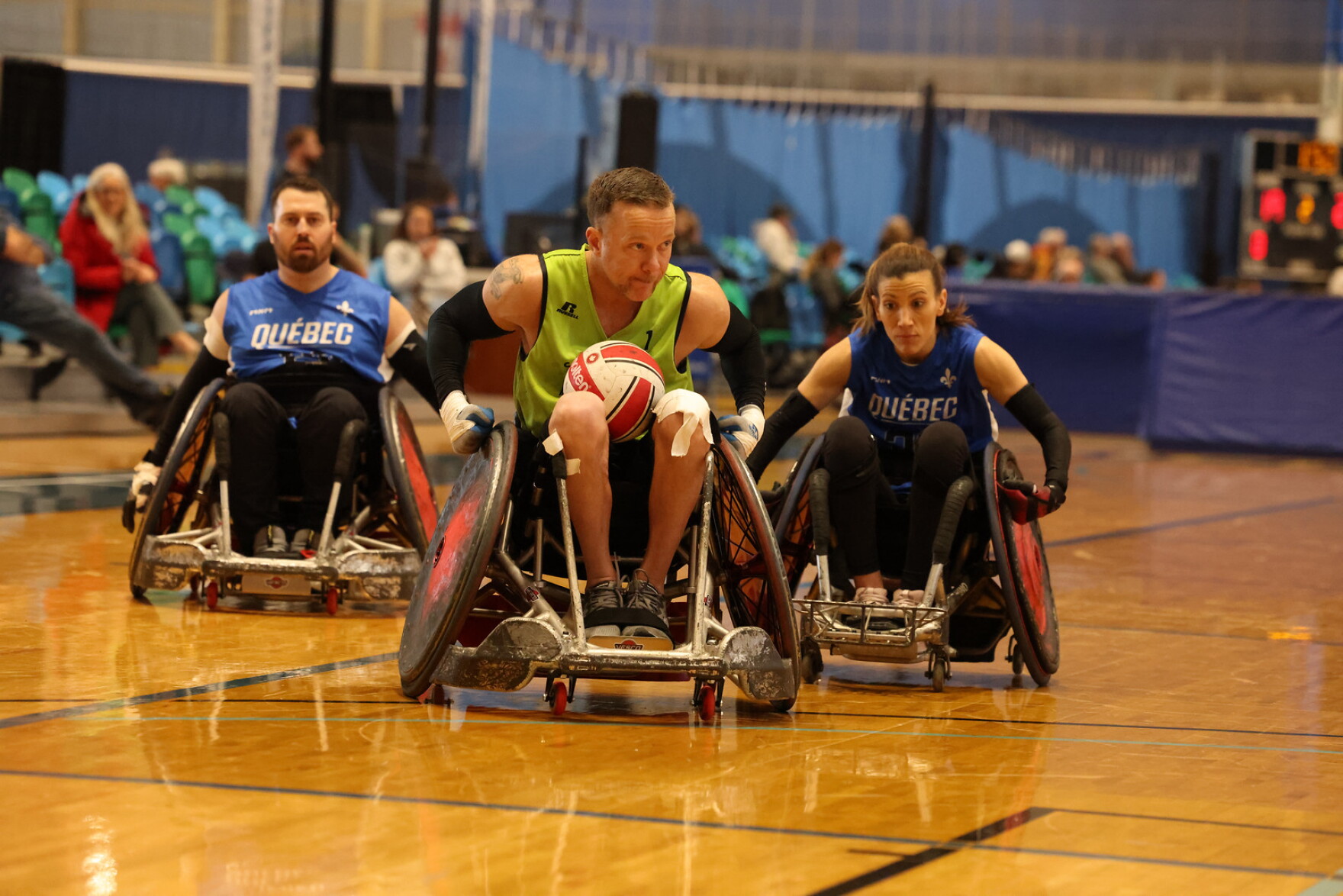
The distinction between "adaptive" and "adapted" is often debated, but in contemporary practice, "adaptive" frequently refers to the equipment (such as a specialized rowing seat), while "adapted" refers to the modified version of the sport (such as wheelchair rugby). For the athlete, the journey begins with identifying the "eligible impairment types" recognized by international governing bodies. These include impaired muscle power, limb deficiency, hypertonia, ataxia, athetosis, visual impairment, and intellectual impairment, among others.
Participation in adaptive sports is not merely about physical activity; it is a mechanism for social integration and psychological resilience. In 2026, sports programs have moved beyond mere "participation" toward "high-performance pathways," treating adapted athletes with the same rigor and expectations as their able-bodied counterparts.
The Classification System: Ensuring Competitive Equity
The most technical and critical aspect of being a competitive adapted athlete is the classification system. Without a robust classification framework, competition would be inherently unfair, as athletes with minimal impairments would consistently outperform those with more severe limitations.
Classification in 2026 follows a functional model rather than a purely medical one. In the past, athletes were grouped based on their medical diagnosis (e.g., all athletes with spinal cord injuries competed together). Today, the International Paralympic Committee (IPC) and other federations use sport-specific functional classification. This evaluates how an athlete's impairment impacts their ability to perform specific tasks within a given sport.
For example, in para-swimming, athletes are assigned a class (S1 through S14) based on their functional ability in the water. An athlete with a limb deficiency might compete against an athlete with cerebral palsy if their functional output in the pool is deemed equivalent. This "grouping by ability" is what maintains the integrity of the sport. The classification process typically involves:
- Physical Assessment: A medical professional evaluates muscle strength, range of motion, or coordination.
- Technical Assessment: A technical expert observes the athlete performing sport-specific movements (e.g., shooting a basketball or sprinting).
- Observation in Competition: Classifiers watch the athlete during an actual event to ensure the assigned class accurately reflects their performance under pressure.
Specialized Equipment and Technological Advancements
For many adapted athletes, technology is the bridge between their physical potential and the field of play. In 2026, the intersection of material science and data analytics has produced equipment that is more responsive and individualized than ever before.
One of the most visible examples is the evolution of "running blades" or carbon-fiber running prostheses. These are not designed to mimic the human foot but to act as energy-return springs. The alignment, stiffness, and shape of the blade must be tuned to the athlete's body weight, stride length, and sprint mechanics. Similarly, racing wheelchairs are now frequently custom-molded to the athlete's body using 3D scanning and carbon-fiber layup, reducing aerodynamic drag and maximizing power transfer from the arms to the wheels.
However, high-tech equipment is not a requirement for all adapted athletes. Many sports, such as Goalball (designed for athletes with visual impairments), require very little specialized hardware beyond a ball with bells inside and blackout goggles. The focus remains on the adaptation of the environment and the rules to facilitate competition.
Comparison of Common Adaptive Sports Equipment (2026 Estimates)
| Equipment Type | Primary Sport(s) | Key Features | Estimated Cost (USD) |
|---|---|---|---|
| Racing Wheelchair | Track & Field, Marathons | Three-wheel design, carbon fiber, custom-fitted cockpit. | $5,000 – $12,000 |
| Sport-Specific Prosthesis | Sprinting, Long Jump | Carbon fiber "blades," vacuum-seal sockets. | $8,000 – $20,000 |
| Handcycle | Para-cycling | Arm-powered drivetrain, aerodynamic seating. | $3,500 – $15,000 |
| Court Wheelchair | Basketball, Tennis, Rugby | High-camber wheels for stability, reinforced frames. | $2,500 – $6,000 |
| Monoski / Sit-Ski | Para-alpine Skiing | Shock absorbers, custom seating, outriggers. | $4,000 – $9,000 |
Pathways to Participation: From Grassroots to Elite
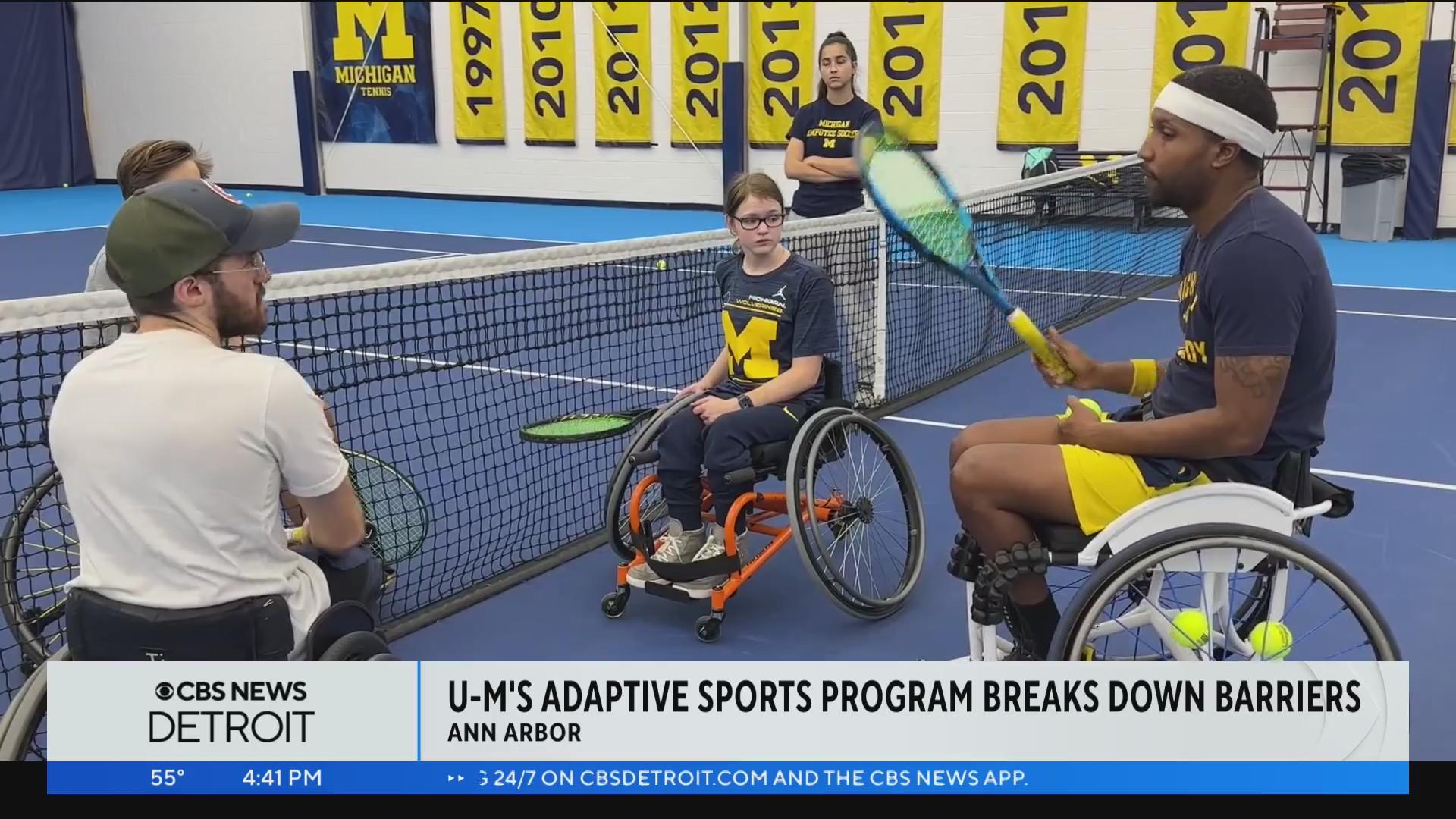
The journey of an adapted athlete usually follows a structured pathway. For many, the introduction happens in a clinical setting, such as a rehabilitation hospital, where "sports as therapy" is used to help patients regain mobility and confidence. From there, athletes move into community-based programs.
In the United States, organizations like Move United and the Challenged Athletes Foundation (CAF) provide the infrastructure for grassroots participation. These organizations often offer grants for equipment, which remains one of the largest barriers to entry.
As an athlete progresses, they enter the "talent identification" phase. National Governing Bodies (NGBs) for various sports look for individuals with the physical attributes and mental discipline required for elite competition. This leads to the High Performance (HP) tier, where athletes receive coaching, nutritional support, and access to specialized training facilities. The pinnacle of this journey is the Paralympic Games, held every four years in conjunction with the Olympic Games.
Physical and Psychological Benefits of Adapted Athletics
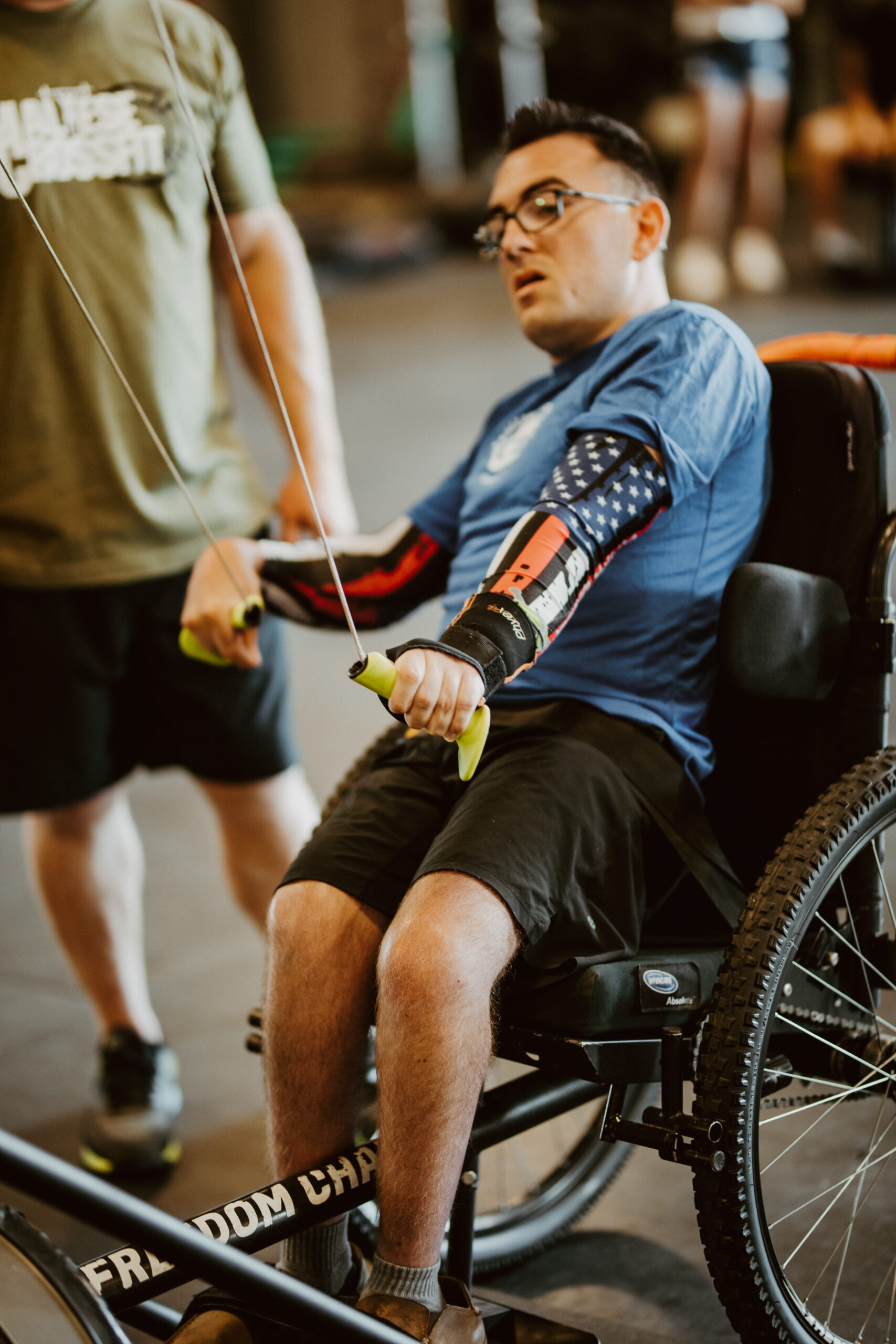
The impact of sports on an adapted athlete extends far beyond the scoreboard. Physically, engaging in regular high-intensity training helps mitigate the secondary health conditions often associated with disability, such as cardiovascular disease, muscle atrophy, and pressure sores. For wheelchair users, in particular, maintaining upper-body strength and cardiovascular health is essential for long-term independence and mobility.
Psychologically, the benefits are even more profound. The transition from being a "patient" to an "athlete" represents a significant shift in identity. Research consistently shows that adapted athletes report higher levels of self-efficacy, lower rates of depression, and better social integration than their non-athletic peers with similar impairments. The community aspect of adaptive sports provides a support network of individuals who share similar challenges, fostering a sense of belonging that is often missing in broader society.
Navigating Financial and Accessibility Barriers
Despite the growth of the movement, the adapted athlete faces unique challenges that able-bodied athletes rarely encounter. The primary hurdle is financial. As shown in the table above, the cost of specialized equipment is prohibitive. Furthermore, insurance companies rarely cover the cost of "sports" prosthetics or wheelchairs, viewing them as luxury items rather than medical necessities.
Accessibility also remains a concern. While the Americans with Disabilities Act (ADA) provides a legal framework for access in the U.S., many local gyms and sporting facilities lack the specific equipment or trained staff required to support adapted athletes. This "knowledge gap" among coaches and trainers can lead to injury or ineffective training programs.
In 2026, the push for "Universal Design" in fitness centers is helping to bridge this gap. This involves designing facilities that are usable by all people, regardless of their age, size, or ability, without the need for specialized adaptation.
Frequently Asked Questions
Can anyone with a disability become an adapted athlete?
Yes. Adaptive sports exist for almost every type of physical, visual, and intellectual impairment. While elite-level competition requires specific "eligible impairments" and classification, recreational programs are generally open to anyone who requires modifications to participate in sports.
What is the difference between the Paralympics and Special Olympics?
The Paralympics are for athletes with physical, visual, and certain intellectual impairments, focusing on elite, high-performance competition. The Special Olympics is primarily for individuals with intellectual disabilities, emphasizing participation, community, and personal achievement across all ability levels.
How do I find an adaptive sports club near me?
The best resource is usually a national clearinghouse for adaptive sports. In the U.S., Move United manages a network of hundreds of community-based chapters. Local rehabilitation hospitals and veteran centers also frequently host or sponsor adaptive sports programs.
Does insurance cover the cost of adaptive sports equipment?
Generally, no. Most private and public insurance providers classify sports-specific equipment as "not medically necessary." Athletes often rely on non-profit grants, crowdfunding, or sponsorships to fund their equipment.
Are the rules in adaptive sports the same as in traditional sports?
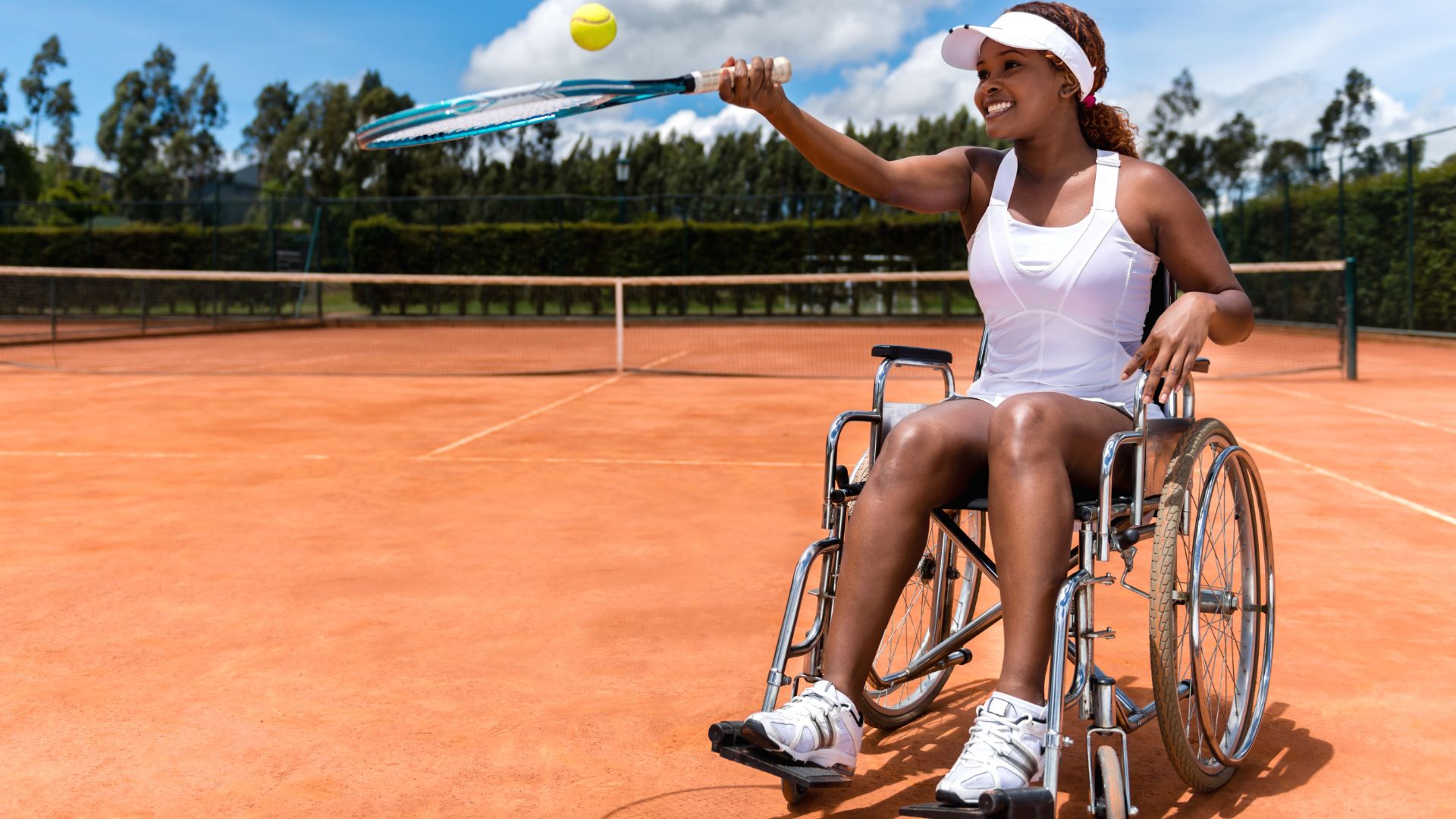
The rules are often very similar but with specific "adaptations." For example, in wheelchair tennis, the ball is allowed to bounce twice. In wheelchair basketball, the dribbling rules are modified (players can take two pushes of the wheels between dribbles), but the hoop height and court dimensions remain the same as in the NBA.
Next Steps for Aspiring Adapted Athletes
If you are looking to begin your journey as an adapted athlete, the first step is a functional assessment. Consult with a physical therapist or a coach specializing in adaptive sports to determine which activities are most compatible with your current mobility and long-term health goals.
Once a sport is identified, do not rush into purchasing equipment. Most community clubs offer "loaner" equipment for beginners. This allows you to test different setups—such as varying seat widths in a basketball chair or different blade stiffness in a prosthesis—before making a significant financial investment. Finally, connect with a local or national organization to explore grant opportunities and find a community of peers who can provide mentorship and support as you navigate the transition from participation to competition.