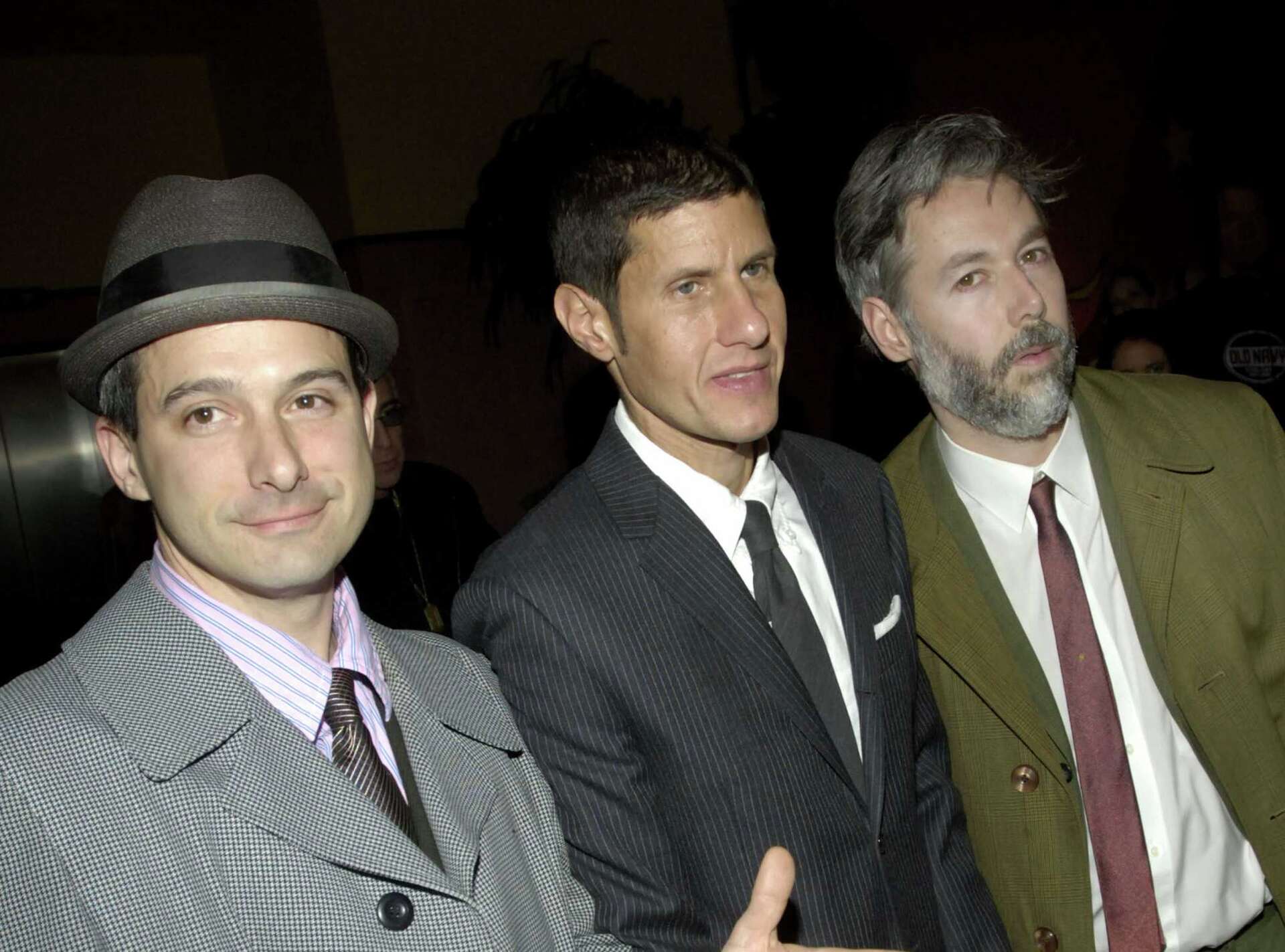
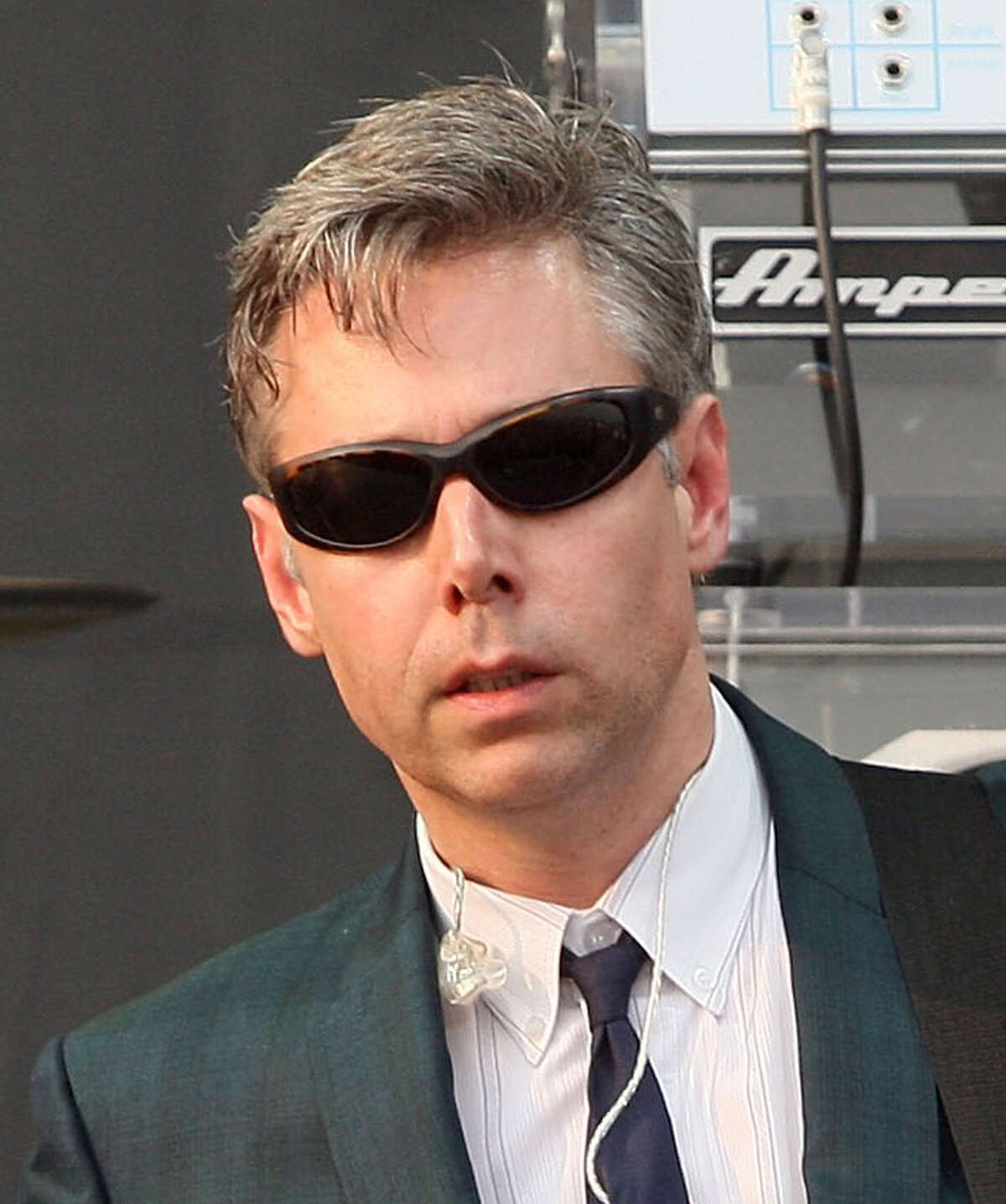
At the time of his passing in 2012, Adam Yauch, known globally as MCA of the Beastie Boys, had an estimated net worth of $75 million. By 2026, his estate remains a cornerstone of hip-hop history, sustained by a meticulously managed catalog, the continued success of Oscilloscope Laboratories, and a landmark legal legacy that prohibits the use of his music in commercial advertising.
The Architect of an Era: Origins of the Beastie Boys' Riches
To understand the scale of Adam Yauch’s net worth, one must examine the unprecedented commercial trajectory of the Beastie Boys. Emerging from the New York City hardcore punk scene, Yauch, along with Michael "Mike D" Diamond and Adam "Ad-Rock" Horovitz, pivoted to hip-hop in the early 1980s. Their debut studio album, Licensed to Ill (1986), became the first rap record to top the Billboard 200 chart.
The financial windfall from this era was massive. Licensed to Ill eventually earned Diamond certification from the RIAA, signifying over 10 million copies sold in the United States alone. While early contracts with Def Jam were notoriously complex, the sheer volume of sales provided the trio with the foundational capital to assert their independence in later years. Yauch, often seen as the group's "sonic architect" and visionary, was instrumental in moving the band away from the frat-boy persona of the 80s toward the sophisticated, multi-instrumental sound of the 90s.
The group’s transition to Capitol Records for the release of Paul’s Boutique (1989) represented a shift in how they managed their intellectual property. Although initially considered a commercial disappointment compared to their debut, the album’s long-tail success and "cult" status ensured a steady stream of royalties. By the time they released Check Your Head (1992) and Ill Communication (1994), the Beastie Boys had established their own label, Grand Royal, and a high-end recording studio, G-Son, in Atwater Village, California. These moves allowed Yauch and his bandmates to retain a higher percentage of their earnings by controlling production and distribution.
Diversification Through Oscilloscope Laboratories
Adam Yauch was not merely a musician; he was a prolific filmmaker and entrepreneur. Under the pseudonym Nathanial Hörnblowér, he directed many of the band's iconic music videos. In 2008, Yauch founded Oscilloscope Laboratories, an independent film distribution company and recording studio based in New York.
Oscilloscope was never a "vanity project." It became a highly respected player in the indie film circuit, distributing critically acclaimed titles such as The Messenger, Wendy and Lucy, and the documentary Exit Through the Gift Shop. As of 2026, Oscilloscope continues to operate as a vital part of Yauch’s estate. The company’s ability to identify and distribute high-quality independent cinema added a layer of professional diversification to Yauch’s portfolio, moving his wealth beyond simple music royalties and into the realm of media ownership and content distribution.
His savvy in the film industry also extended to directing. Yauch directed the 2008 basketball documentary Gunnin' for That #1 Spot and the short film Fight for Your Right Revisited. These ventures contributed to his individual net worth, distinct from the collective earnings of the Beastie Boys.
The Will and the "No Advertising" Clause
One of the most significant aspects of Adam Yauch’s financial legacy is his last will and testament. In a move that has become a case study in intellectual property law, Yauch included a specific provision stating: "Notwithstanding anything to the contrary, in no event may my image or name or any music or any artistic property created by me be used for advertising purposes."
This clause has had a profound impact on the "Beastie Boys riches" in the years following 2012. While many of Yauch’s contemporaries have sold their catalogs to private equity firms or music publishing giants for hundreds of millions of dollars—often resulting in their songs appearing in commercials for cars or insurance—Yauch’s estate has remained steadfast.
From a purely financial perspective, this decision may have left tens of millions of dollars on the table in the short term. However, it has preserved the "brand equity" of the Beastie Boys, ensuring that their music remains associated with artistic integrity rather than commercial products. This was put to the test in 2014 when the estate successfully sued Monster Energy for the unauthorized use of their music, resulting in a $1.7 million judgment. This legal victory reinforced the strength of Yauch's estate and his posthumous control over his work.
Posthumous Earnings and Catalog Management in 2026
By 2026, the consumption of the Beastie Boys' catalog has transitioned almost entirely to digital streaming and high-value physical reissues. The group consistently maintains millions of monthly listeners on platforms like Spotify and Apple Music. For an estate, streaming provides a reliable, "annuity-style" income stream that requires little overhead.
Furthermore, the 2018 release of the Beastie Boys Book and the subsequent Beastie Boys Story documentary (2020), directed by Spike Jonze, provided significant boosts to the estate's earnings. These projects acted as retrospective celebrations that introduced the band to a younger generation, thereby increasing the value of the back catalog.
| Financial Component | Estimated Impact | Description |
|---|---|---|
| Record Sales (Historical) | $150M+ (Group Total) | 40 million+ records sold worldwide across three decades. |
| Touring Revenue | $200M+ (Career Total) | Headlining major festivals and global arena tours. |
| Oscilloscope Labs | Active Asset | Independent film distribution and production revenue. |
| Legal Protections | Protective Value | The "No Advertising" clause preserves long-term brand integrity. |
| Streaming/Digital | $3M - $5M Annually | Estimated yearly royalties from digital platforms as of 2026. |
Philanthropy and the Milarepa Fund
Adam Yauch’s legacy is inextricably linked to his activism. He was the driving force behind the Milarepa Fund, a non-profit organization dedicated to Tibetan independence. Yauch organized the Tibetan Freedom Concerts, which were some of the largest benefit concerts since Live Aid.
While philanthropy is generally a disbursement of wealth rather than a generator of it, Yauch’s work in this area defined his public persona and, by extension, the "value" of his legacy. He utilized his financial resources to fund global awareness campaigns, proving that his "riches" were often viewed as a tool for social change. In 2026, the impact of these concerts is still cited as a high-water mark for musician-led activism, ensuring that his name remains synonymous with principled leadership in the arts.
Real Estate and Personal Assets
Like many high-net-worth individuals from the New York creative scene, a portion of Yauch's wealth was held in significant real estate assets. At the time of his passing, Yauch owned a beautiful 19th-century townhouse in Brooklyn Heights. Property values in this specific New York neighborhood have seen astronomical growth over the last two decades.
Additionally, his estate included his interest in the G-Son studios and other commercial spaces utilized by Oscilloscope. These physical assets provided a tangible "floor" to his net worth, insulating his family’s wealth from the fluctuations of the music industry. Yauch was survived by his wife, Dechen Wangdu, and their daughter, Tenzin Losel Yauch, who are the primary beneficiaries of his estate and continue to manage his legacy with a focus on his original wishes.
Frequently Asked Questions
What was Adam Yauch's net worth when he died?
Adam Yauch had an estimated net worth of $75 million at the time of his death in May 2012. This wealth was primarily derived from his career with the Beastie Boys, his film distribution company, and his real estate holdings.
Who inherited Adam Yauch's money?
The bulk of Yauch's estate was left to his wife, Dechen Wangdu, and their daughter, Tenzin Losel Yauch. His will also established clear guidelines for the management of his intellectual property and image.
Can Beastie Boys music be used in commercials in 2026?
No. Per a specific clause in Adam Yauch’s will, his music and image cannot be used for advertising purposes. The surviving members of the band and Yauch’s estate have strictly honored this request, even rejecting multi-million dollar offers.
Is Oscilloscope Laboratories still in business?
Yes, Oscilloscope Laboratories remains an active and respected independent film distribution company in 2026. It continues to release award-winning films and maintains the creative spirit Yauch established when he founded the company in 2008.
How much did the Beastie Boys make from "Licensed to Ill"?
While exact figures are private, Licensed to Ill has sold over 10 million copies. At standard royalty rates for a Diamond-certified album, the group generated tens of millions in revenue from this single release over the decades, though early contract disputes affected the initial payout.
Preserving the Legacy of MCA
For fans and financial analysts alike, Adam Yauch’s net worth is more than just a number; it is a testament to the power of creative independence. His life provides a blueprint for how artists can achieve massive commercial success without sacrificing their ethical or artistic standards.
The most practical takeaway from Yauch's financial journey is the importance of intellectual property control. By founding his own label, his own film company, and placing strict legal limits on how his work could be used after his death, Yauch ensured that his "riches" would never come at the cost of his reputation. In 2026, his legacy serves as a reminder that the most valuable asset an artist possesses is the integrity of their work. Those looking to follow in his footsteps should prioritize owning their masters, diversifying their creative outlets, and thinking long-term about the impact of their legal directives.