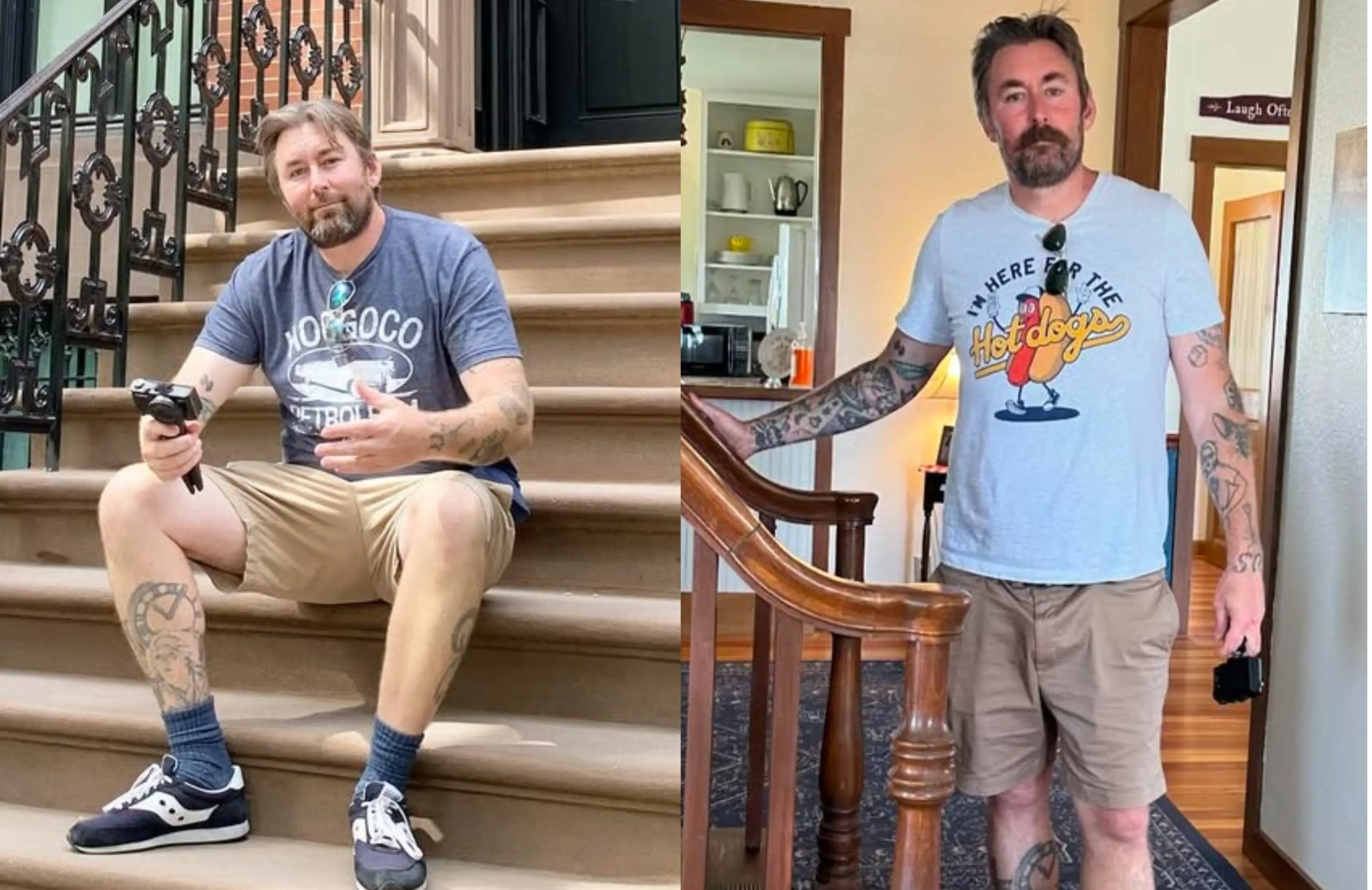
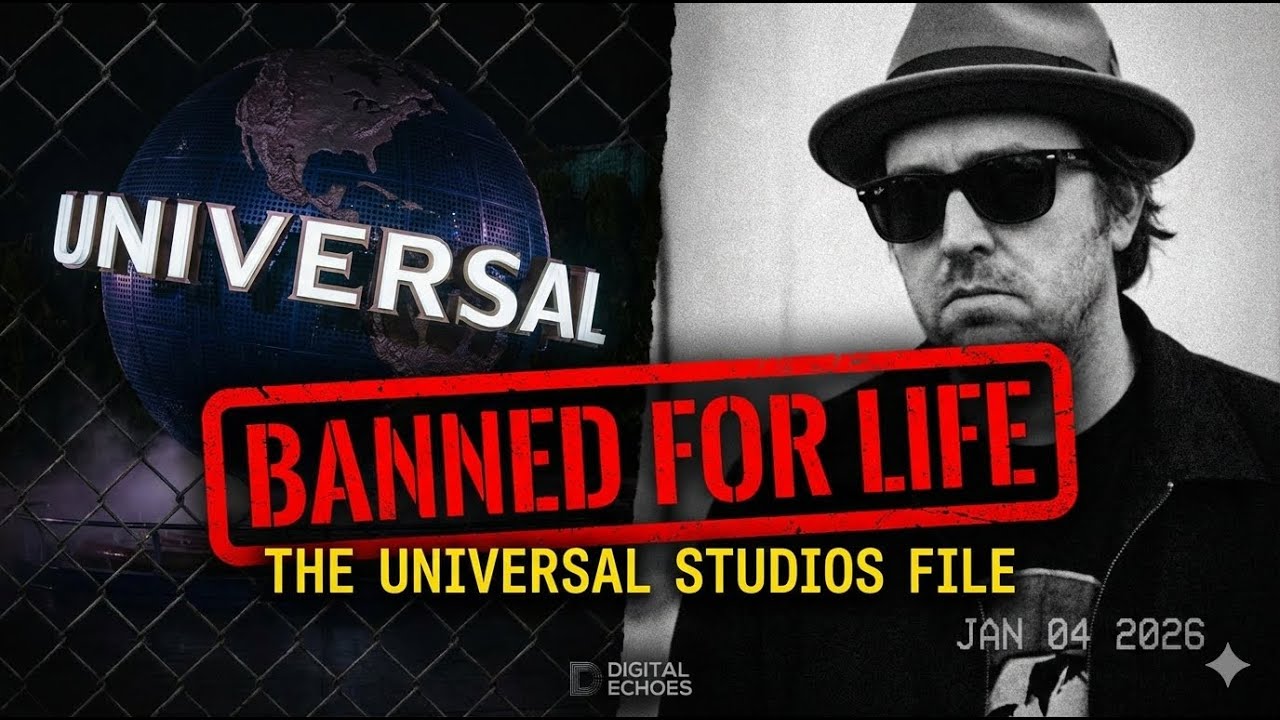
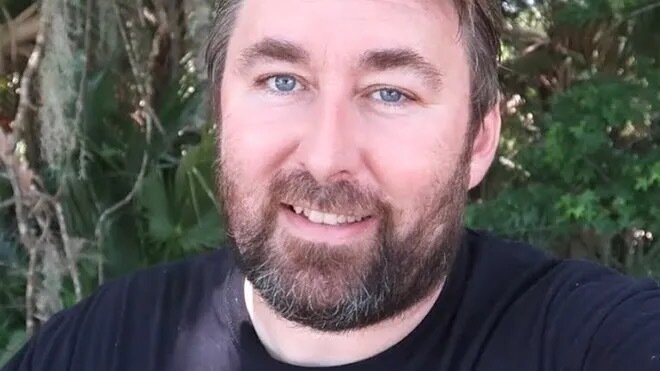
Adam the Woo (Adam Williams) was officially banned from all Universal Studios properties in April 2013 following a series of videos showcasing restricted backstage areas. While he faced a "lifetime" trespass, the ban was rescinded in late 2017 after successful negotiations with park security. As of 2026, he remains in good standing.
The Origins of the "Forbidden Adventure" Era
To understand why Adam the Woo was banned from Universal Studios, one must look back at the landscape of YouTube in the early 2010s. During this period, Adam Williams operated under the moniker "Adam the Woo," primarily focusing on his main channel and a secondary daily vlog channel, "TheDailyWoo." His content strategy was built on urban exploration, Americana, and what he termed "Forbidden Adventures."
Adam’s early appeal relied heavily on his willingness to go where the average guest could not. He frequently explored abandoned locations, such as the remains of Disney’s River Country or the defunct ImageWorks at EPCOT. This "guerrilla-style" filmmaking resonated with an audience hungry for a glimpse behind the corporate curtain of major theme parks. However, this approach placed him in direct conflict with the security policies of multi-billion-dollar entities like NBCUniversal and The Walt Disney Company.
The philosophy of his early content was rooted in a belief that "if a door is open, you can walk through it." While he rarely broke locks or damaged property, he frequently bypassed "Authorized Personnel Only" signs to document the decay or the "magic" behind the scenes. This era of vlogging predated the current age of formalized "creator programs" and media invitations, leading to a "Wild West" environment where creators often prioritized views over property rights.
The 2013 Universal Studios Trespass: What Really Happened
In April 2013, the inevitable collision between Adam’s content style and Universal Orlando’s security occurred. Unlike some of his more clandestine explorations at Walt Disney World, his presence at Universal was more easily detected. Universal Studios Florida and Islands of Adventure maintain rigorous security protocols, and by 2013, Adam was already a recognizable figure within the enthusiast community.
The ban was triggered by several videos where Adam accessed backstage areas of the parks, including views of parade floats, maintenance sheds, and restricted paths between attractions. On the day the ban was issued, Adam was intercepted by Universal security and Orlando Police Department officers while attempting to film. He was presented with a formal "Trespass Warning."
Under Florida Statutes, specifically Section 810.09, a trespass warning on private property such as Universal Studios is a legally binding order. Once issued, the individual is notified that they are no longer welcome on the premises. If the individual returns, they can be arrested and charged with a third-degree misdemeanor. Universal’s policy at the time was to issue these warnings as "permanent," meaning they did not have an expiration date unless the property owner manually rescinded them. This incident effectively barred him from not only Universal Orlando Resort but also Universal Studios Hollywood and any other property owned by the company globally.
Comparative Analysis: Universal vs. Walt Disney World Bans
Adam the Woo holds the unique distinction of having been "lifetime banned" from both of the world’s most famous theme park resorts. However, the trajectory of these bans and the reactions of the respective companies differed significantly.
| Feature | Walt Disney World Ban | Universal Studios Ban |
|---|---|---|
| Year Issued | 2012 | 2013 |
| Primary Cause | Backstage exploration (River Country/EPCOT) | Backstage exploration (Universal Orlando) |
| Year Rescinded | 2015 | 2017 |
| Initial Reaction | Highly publicized YouTube video | Formal legal trespass documentation |
| Current Status (2026) | Good Standing | Good Standing |
| Strictness | Moderate (Security allowed a meeting) | High (Required multiple years of distance) |
The Disney ban, issued in 2012, was arguably more famous. Adam famously filmed his encounter with Disney security, which served as a massive boost to his channel's popularity. Disney eventually allowed him to return in 2015 after he demonstrated a change in content style and a commitment to following park rules.
Universal, by contrast, was viewed as being much stricter. For several years, Adam expressed skepticism that he would ever be allowed back into a Universal park. The "Universal Ban" became a recurring theme in his vlogs, often mentioned when he would film from the perimeter of the property or discuss his desire to see new attractions like "The Wizarding World of Harry Potter – Diagon Alley," which opened while he was still trespassed.
The Road to Redemption: How the Bans Were Lifted
The lifting of the Universal ban was not an overnight process. It required a combination of time, a shift in Adam's public image, and formal outreach. By 2017, Adam the Woo had shifted his content away from trespassing and toward "standard" travel vlogging and nostalgia. He had proven that he could provide positive coverage of locations without violating rules.
In late 2017, Adam engaged in a formal process to appeal the trespass. This usually involves:
- A "Cooling Off" Period: Companies rarely rescind a trespass within the first few years. Adam waited over four years before seeking a resolution.
- Written Communication: Appeals are typically handled through the park’s legal or security departments. The individual must demonstrate that they are no longer a risk to the park’s operations.
- Formal Notification: Universal eventually notified Adam that his trespass had been lifted.
His return to Universal Studios Hollywood in late 2017, and subsequently Universal Orlando, was treated as a major milestone for his channel. It signaled a new era where "vlogger/park relations" were more defined. Adam became a cautionary tale for newer creators: while "breaking the rules" might garner short-term views, a permanent ban can be a long-term career hindrance, especially for those whose livelihood depends on travel content.
The Evolution of Theme Park Vlogging Policy (2012–2026)
The saga of Adam the Woo’s ban served as a catalyst for how theme parks handle social media creators. In 2012, parks viewed vloggers mostly as a security nuisance. By 2026, the landscape has changed entirely.
Major parks now have dedicated "Influencer Relations" departments. However, the rules have become even more codified. The "Adam the Woo Ban" era led to specific language in park guest codes of conduct regarding "commercial filming" and "unauthorized access." Universal, in particular, has become very efficient at identifying and removing creators who film on high-speed attractions or enter restricted areas.
Adam’s experience taught the industry that a "lifetime ban" doesn't have to be the end of the story, but it does serve as a powerful deterrent. Most modern vloggers now adhere to a "strict compliance" model, knowing that the loss of access to Disney or Universal can result in a 30-50% drop in potential viewership and revenue.
Current Standing: Adam the Woo in 2026
As of 2026, Adam the Woo has transitioned into a "legacy" vlogger. Following his announcement in late 2024 that he would be ending his "daily vlogging" routine, his 2025 and 2026 content has become more deliberate. He continues to visit Universal Studios, particularly for events like Halloween Horror Nights (HHN), which he has covered extensively since his reinstatement.
His relationship with Universal is now professional and respectful. He is frequently seen enjoying the parks as a regular guest, often highlighting the historical aspects of the attractions rather than searching for "forbidden" views. His story is frequently cited by the vlogging community as the ultimate "redemption arc"—moving from a persona non grata to a respected elder statesman of the travel vlogging genre.
In 2026, Adam’s "Universal Ban" is mostly a piece of trivia for newer fans. It serves as a reminder of the "Wild West" days of YouTube, before the platform was dominated by high-production studios and corporate-sanctioned media days. For Adam, being able to walk through the front gates of Universal is a privilege he no longer takes for granted.
Frequently Asked Questions
Is Adam the Woo currently banned from Universal Studios?
No, Adam the Woo is not banned from Universal Studios in 2026. His permanent trespass was officially lifted in late 2017, and he has been visiting both Universal Orlando Resort and Universal Studios Hollywood regularly since then.
Why was Adam the Woo banned in the first place?
He was banned for trespassing into backstage and restricted areas to film content for his YouTube channel. Universal security issued a lifetime trespass warning in 2013 because his "Forbidden Adventure" videos were considered a security risk and a violation of park policies.
Did Adam the Woo go to jail for trespassing?
No, he was not incarcerated for these incidents. While he was officially "trespassed"—which is a legal notice that any future entry would result in an arrest—he cooperated with security and police at the time the warnings were issued.
How did he get his Universal ban lifted?
The ban was lifted after Adam spent several years demonstrating a change in his filming behavior. He eventually contacted Universal's security/legal department to request a review of his status, which was granted in 2017.
Can anyone get a "lifetime ban" lifted at Universal?
It is possible, but not guaranteed. Universal reviews trespass cases on an individual basis. Generally, a person must wait several years, show a clean record, and formally appeal the decision through the park's legal or security offices.
Recommendations for Aspiring Content Creators
If you are a travel vlogger or content creator in 2026, the Adam the Woo story offers several practical lessons. First, always respect property boundaries. Modern security systems, including facial recognition and advanced surveillance, make it nearly impossible to access restricted areas undetected. Second, build a relationship with the property. Most parks are happy to work with creators who follow the rules. Finally, remember that content is not worth a legal record. A "permanent trespass" is a legal document that can affect your ability to visit properties owned by the same parent company globally, including hotels and shopping districts like Universal CityWalk.