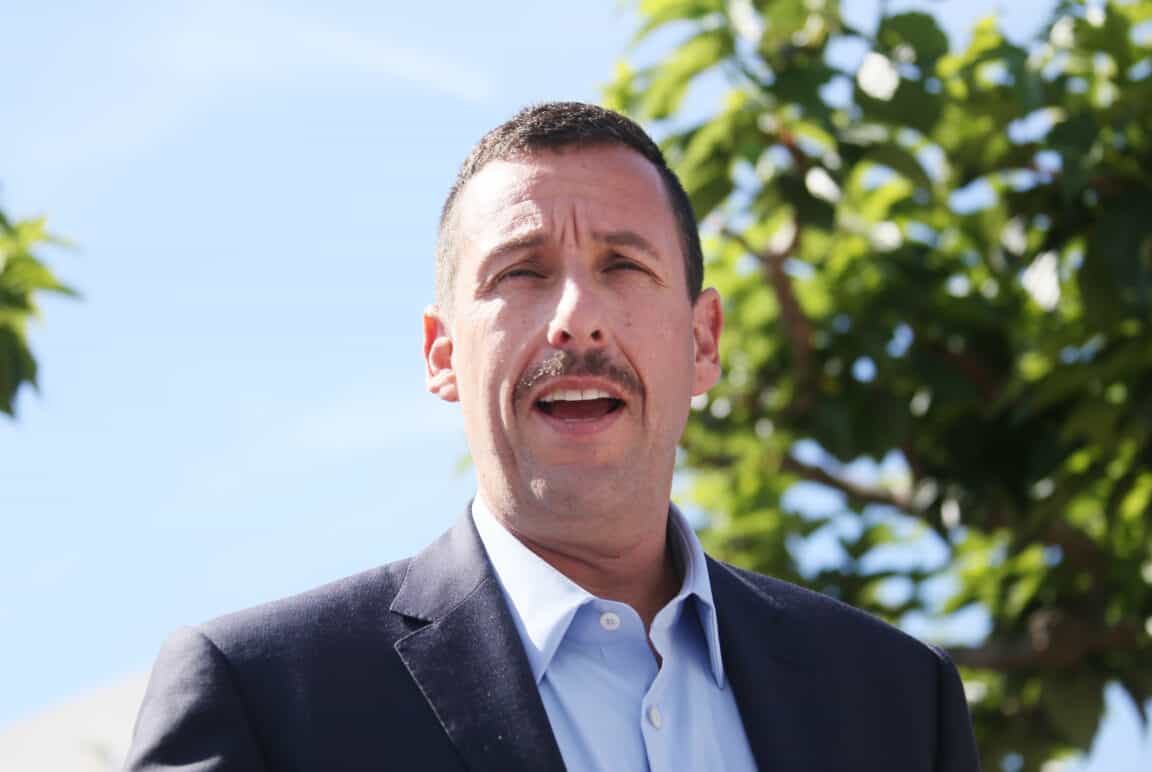
As of 2026, Adam Stites' net worth is estimated to be in the high tens of millions of dollars, a fortune primarily anchored by the successful acquisition of his cloud-migration company, Mover, by Microsoft in 2019. Since that landmark deal, Stites has significantly expanded his wealth through strategic venture capital investments and leadership roles within the global technology ecosystem.
The Foundation of a Tech Empire: The Mover Era
The trajectory of Adam Stites’ wealth cannot be understood without analyzing the inception and scaling of Mover. Founded in 2012 and headquartered in Edmonton, Canada, Mover arrived at a critical juncture in the evolution of the internet: the mass migration from local storage to the cloud. At the time, businesses were struggling with "vendor lock-in," where moving massive amounts of data from one cloud provider (like Dropbox or Box) to another (like Microsoft OneDrive) was technically arduous, expensive, and prone to data loss.
Stites identified a significant gap in the enterprise market. While individual users could manually move files, large corporations with petabytes of data required a specialized, secure, and automated pipeline. Mover provided that pipeline. Under Stites' leadership as CEO, the company developed proprietary technology that could migrate data with high fidelity and speed.
The financial value of Mover was not just in its software-as-a-service (SaaS) revenue, but in its strategic importance to major cloud ecosystems. By lowering the "barrier to exit" for competitors' platforms, Mover became a "kingmaker" for whichever tech giant could acquire it. This strategic positioning was the primary driver of the eventual valuation that contributed to Stites' personal net worth.
The Microsoft Acquisition: A Catalyst for Wealth
The defining moment for Adam Stites’ financial profile occurred in October 2019, when Microsoft officially announced the acquisition of Mover. While the specific dollar amount of the deal remained undisclosed—a common practice for private acquisitions of this scale—industry analysts and comparable deals in the cloud-migration space suggested a valuation that significantly rewarded its founders and early investors.
For Microsoft, the acquisition was a tactical move to bolster its Microsoft 365 and OneDrive offerings. By integrating Mover’s technology directly into the Office 365 admin center, Microsoft made it free for customers to move their data into the Azure ecosystem. This move effectively neutralized one of the biggest hurdles to Azure adoption.
For Stites, this was a massive "liquidity event." As a primary founder with a significant equity stake, the acquisition provided the capital necessary to transition from an operator to a high-level investor and advisor. The deal also included a transition period where Stites and his team integrated their technology into Microsoft’s global infrastructure, likely involving performance-based incentives that further bolstered his earnings through 2021 and 2022.
Strategic Asset Allocation and Post-Acquisition Growth
Following the integration of Mover into Microsoft, Adam Stites did not retreat into a quiet retirement. Instead, he utilized his capital to enter the world of venture capital and angel investing. By 2026, a substantial portion of his net worth is tied to a diversified portfolio of early-stage technology startups.
Venture Capital and Mentorship
Stites became deeply involved with Techstars, one of the world's most prestigious startup accelerators. By serving as a mentor and investor within these circles, he gained "first-look" access to high-potential companies before they reached Series A funding. His investment strategy focuses on:
- SaaS Infrastructure: Leveraging his expertise in cloud mechanics to fund companies solving modern data bottlenecks.
- Productivity Tools: Investing in software that streamlines remote and hybrid work environments.
- Canadian Tech Ecosystem: Supporting the growth of Northern tech hubs, ensuring that a portion of his wealth circulates back into the Edmonton and broader Canadian entrepreneurial landscape.
Wealth Preservation and Real Estate
Like many tech moguls who experience a significant windfall, Stites has balanced his high-risk tech bets with more stable asset classes. Diversification into private equity and commercial real estate has provided a hedge against the volatility of the tech market. By 2026, these "boring" investments provide a consistent yield that supports his lifestyle and philanthropic endeavors, independent of the performance of his startup portfolio.
| Wealth Component | Primary Source | Estimated Impact on Net Worth |
|---|---|---|
| Primary Exit | Mover Acquisition (Microsoft) | High (Core Capital) |
| Operational Earnings | Executive Roles & Advisory | Moderate (Cash Flow) |
| Venture Portfolio | Angel Investing/Techstars | High Growth Potential |
| Asset Diversification | Real Estate & Equities | Stability & Preservation |
The Mechanics of the "Mogul" Status
The term "tech mogul" is often applied to Stites not just because of the raw numbers in his bank account, but because of his influence on how the modern cloud operates. Building a fortune in tech requires more than a good idea; it requires navigating the complex "Exit Strategy" landscape.
Stites’ fortune was built on three specific professional pillars:
- Solving "Friction": He didn't just build a product; he solved a problem that cost enterprises millions of dollars in lost time.
- Scalability: Mover was designed to handle data at an enterprise scale, making it attractive to a trillion-dollar company like Microsoft.
- Timing: He exited at a time when cloud competition between Google, Amazon, and Microsoft was at an all-time high, maximizing the "bidding" value of his company.
By 2026, his wealth is no longer just a reflection of one company sold years ago. It is a reflection of a decade spent reinvesting that initial capital into the next generation of software leaders. This compounding effect—where capital from a successful exit is used to fund ten more potential exits—is the hallmark of the modern tech mogul's financial journey.
Professional Advice and Risk Management
For entrepreneurs looking to replicate Stites’ financial success, it is important to note the jurisdictional and legal complexities of tech exits. Wealth generated through acquisitions often involves:
- Earn-outs: Clauses that require the founder to stay with the acquiring company for a set period to receive the full purchase price.
- Tax Optimization: Using structures like the Lifetime Capital Gains Exemption (LCGE) in Canada (where Mover was founded) to protect a portion of the sale proceeds from heavy taxation.
- Intellectual Property (IP) Valuation: Ensuring that the code and patents are clean and defensible, as this is where the bulk of the valuation resides during a Microsoft-level due diligence process.
Adam Stites’ path demonstrates that while the "big exit" provides the foundation, the long-term maintenance of wealth requires a transition into disciplined asset management and a deep network within the investment community.
Frequently Asked Questions
How much did Microsoft pay for Mover?
The exact acquisition price of Mover was not publicly disclosed by Microsoft or Adam Stites. However, based on the company's enterprise footprint and the standard multiples for cloud-utility acquisitions in 2019, industry experts estimate the deal was worth several tens of millions of dollars. This amount provided the initial liquidity that established Stites' net worth.
What is Adam Stites' current role in 2026?
In 2026, Adam Stites functions primarily as a Venture Partner and strategic advisor. He remains active in the startup ecosystem, particularly through his involvement with accelerators like Techstars and as an angel investor. He is widely recognized as an expert in cloud data migration and enterprise SaaS growth strategies.
Did Adam Stites start any other companies?
While Mover is his most famous success, Stites has been involved in multiple entrepreneurial ventures and advisory roles throughout his career. His "mogul" status is derived from his ability to identify market gaps across the software industry, not just a single product. He often serves as a "fractional" strategist for startups looking to scale toward an acquisition.
Where is Adam Stites based?
Adam Stites has strong roots in the Canadian tech scene, specifically Edmonton, Alberta, where Mover was headquartered. However, as a global tech investor, he maintains a presence in major tech hubs, including Seattle (due to the Microsoft connection) and Silicon Valley, reflecting the international nature of his investment portfolio and wealth management.
How did the Mover acquisition affect the cloud industry?
The acquisition was a major turning point because it effectively made high-end data migration a "commodity" feature rather than a paid service. By making Mover’s tools free for Microsoft 365 customers, Stites’ technology accelerated the global shift to the cloud, making it easier for thousands of businesses to leave legacy servers behind.
Practical Steps for Building Tech Wealth
If you are looking to build a fortune in the tech sector similar to Adam Stites, the focus should not be on the net worth itself, but on the utility of the technology. Stites’ wealth is a byproduct of creating a "utility" that a larger platform couldn't live without.
The most effective path to a high-value exit involves:
- Targeting Platform Gaps: Look for things that large companies (like Microsoft, AWS, or Salesforce) are missing in their ecosystem.
- Focusing on Enterprise Security: Wealth in tech is often tied to security and data integrity. Mover succeeded because it was trusted with sensitive corporate data.
- Building for Acquisition: From day one, ensure your company’s legal, technical, and financial records are "acquisition-ready." This includes clear IP ownership and clean cap tables.
By following this roadmap, entrepreneurs can position themselves for the same type of life-changing liquidity events that defined the career and net worth of Adam Stites.