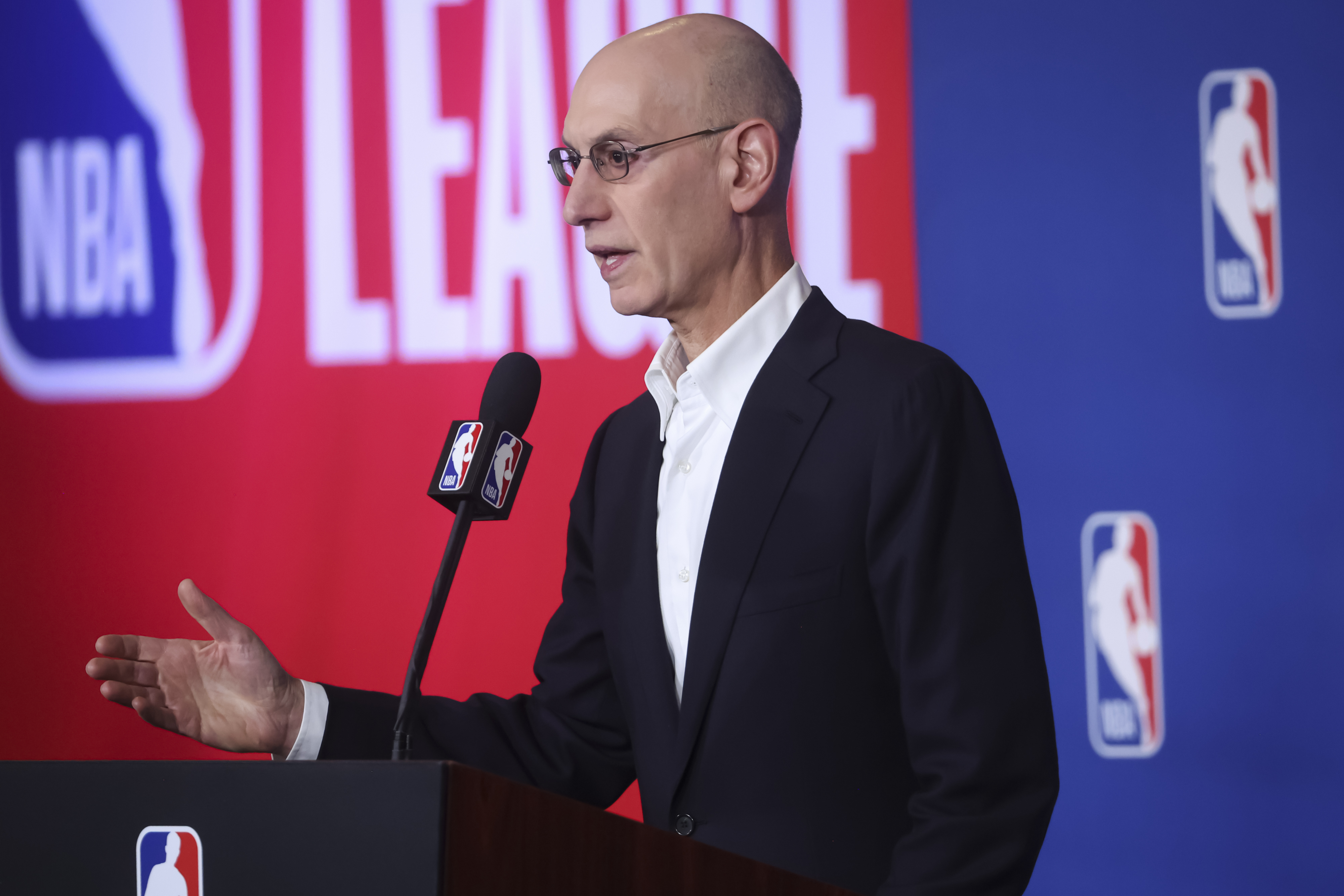
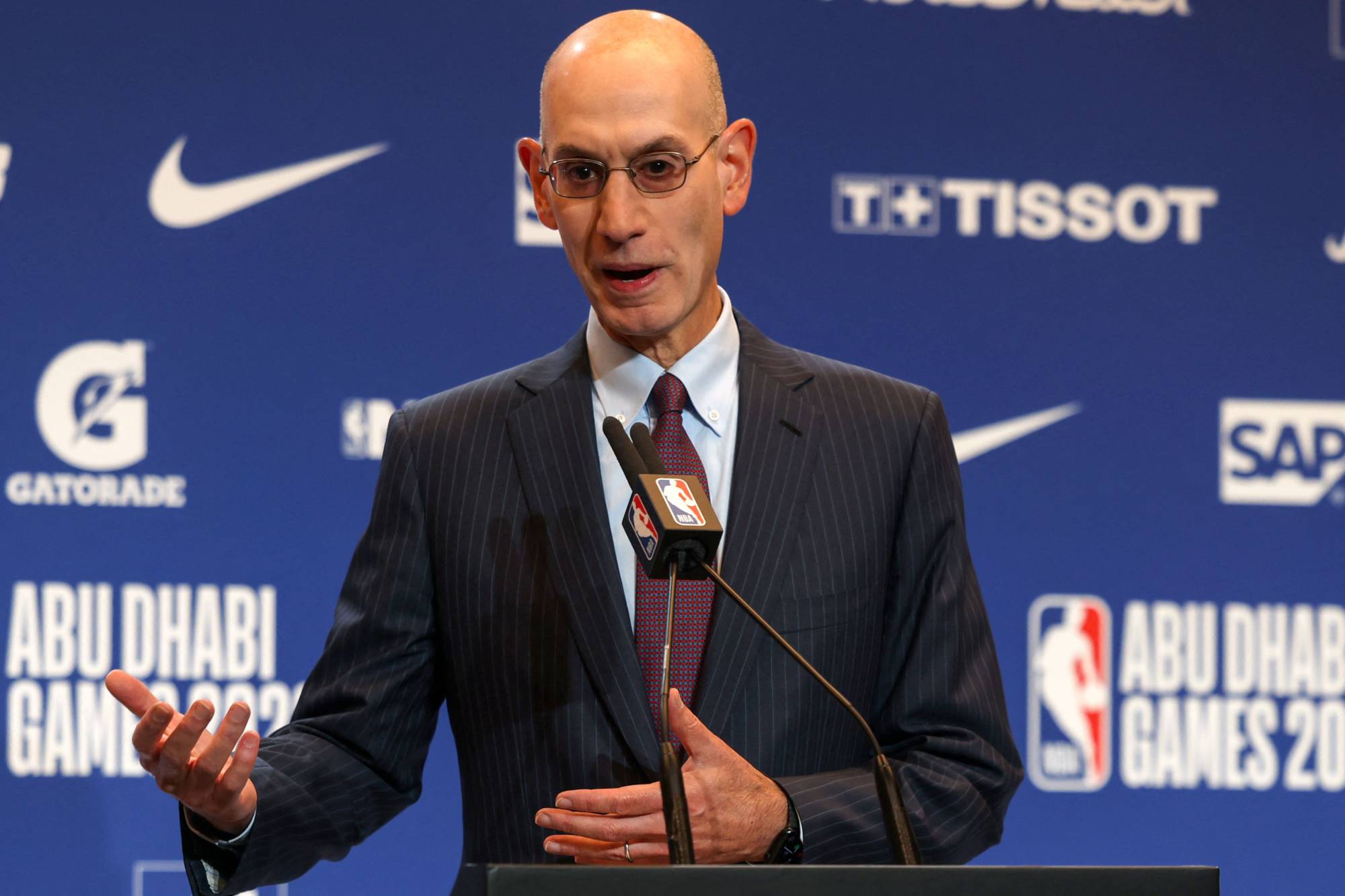
Adam Silver is the fifth Commissioner of the National Basketball Association, holding the office since February 2014. As of 2026, he is recognized for transforming the league into a global digital media powerhouse, securing a record-breaking $76 billion broadcasting deal, and navigating complex issues regarding player empowerment, sports betting, and international expansion.
The Architect of the Modern NBA: From Counsel to Commissioner
To understand Adam Silver’s impact in 2026, one must examine his trajectory within the league’s corporate hierarchy. Before becoming Commissioner, Silver served as the NBA’s Deputy Commissioner and Chief Operating Officer for eight years under his predecessor, David Stern. A graduate of Duke University and the University of Chicago Law School, Silver’s legal background provided a foundational discipline that has defined his tenure—a sharp contrast to the more combative, "benevolent dictator" style of Stern.
Silver joined the NBA in 1992, eventually leading NBA Entertainment and serving as the league's president and COO. During this apprenticeship, he was instrumental in the creation of the WNBA and the development of NBA TV. When he officially took the reins on February 1, 2014, he inherited a league that was financially stable but culturally at a crossroads. Unlike the owners-first approach of previous eras, Silver signaled early on that he viewed the players as partners rather than employees. This collaborative ethos has been the hallmark of his governance, though it has faced significant tests as the league's economics have grown increasingly complex.
Decisive Action and Crisis Management
Silver’s first major test came only months into his commissionership with the Donald Sterling scandal. In April 2014, after the release of racist recordings by the then-owner of the Los Angeles Clippers, Silver issued a lifetime ban and a $2.5 million fine, forcing a sale of the team. This move was unprecedented in American professional sports and immediately established Silver’s reputation as a progressive, decisive leader who was willing to prioritize the league’s moral and brand integrity over the interests of a single franchise owner.
This reputation for steady leadership was further solidified during the COVID-19 pandemic. On March 11, 2020, Silver was the first major sports executive to suspend play, a move that catalyzed a nationwide shutdown. The subsequent "NBA Bubble" in Orlando, Florida, became a gold standard for operational logistics and health safety, allowing the league to complete its season and recoup billions in potential lost revenue. In 2026, analysts still point to the Bubble as the moment Silver cemented the league’s ability to innovate under extreme duress.
The 2026 Media Landscape: A $76 Billion Shift
The most significant development of Silver’s recent tenure is the implementation of the new media rights agreement, which officially commenced with the 2025-26 season. After a year of intense negotiations, Silver brokered an 11-year deal valued at approximately $76 billion with partners Disney (ESPN/ABC), NBCUniversal, and Amazon. This deal represents a seismic shift in how professional sports are consumed, moving away from a traditional cable-centric model toward a hybrid approach dominated by streaming.
- Streaming Integration: By bringing Amazon Prime Video into the fold, Silver effectively future-proofed the league against the decline of linear television.
- Revenue Growth: The sheer scale of the deal has tripled the league’s annual media revenue, providing the capital necessary for massive infrastructure projects and international development.
- National Reach: The return of "NBA on NBC" brought a nostalgic yet modernized broadcast element back to the league, capturing a broader demographic that had been underserved during the exclusive cable era.
This financial windfall has direct implications for the league’s salary cap, which in 2026 continues to see steady increases, though Silver and the Board of Governors implemented "smoothing" mechanisms to avoid the chaotic market spike seen in 2016.
Labor Relations and the Economic "Second Apron"
Under Silver’s leadership, the 2023 Collective Bargaining Agreement (CBA) introduced some of the most stringent roster-building restrictions in NBA history, often referred to as the "Second Apron." In 2026, we are seeing the full effects of these rules, which were designed to curb the spending of "super-teams" and promote parity across all 30 franchises.
Silver’s goal with these technical regulations was to ensure that smaller-market teams could remain competitive. The Second Apron penalizes teams that exceed the luxury tax threshold by a certain margin, stripping them of trade flexibility and draft pick utility. While some owners have criticized the move for limiting their ability to spend, Silver has maintained that a "level playing field" is essential for the long-term health of the league. This balance between player empowerment and owner-mandated fiscal discipline remains one of the most delicate aspects of his current role.
Key Milestones of the Adam Silver Era (2014–2026)
| Category | Significant Milestone | Impact |
|---|---|---|
| Governance | Donald Sterling Lifetime Ban (2014) | Established player-first, progressive culture. |
| Logistics | The NBA Bubble (2020) | Saved the season and defined pandemic-era sports. |
| Economics | 2023 CBA Agreement | Introduced the "Second Apron" to promote parity. |
| Broadcasting | $76 Billion Media Deal (2025) | Shifted primary viewership to streaming (Amazon). |
| Innovation | In-Season Tournament (NBA Cup) | Increased early-season engagement and TV ratings. |
| Global Expansion | Basketball Africa League (BAL) | Created a professional pipeline in emerging markets. |
Expansion and the Global Footprint
As of 2026, the discussion regarding league expansion has moved from theoretical to imminent. Under Silver’s direction, the NBA has conducted extensive feasibility studies for adding two new franchises, with Seattle and Las Vegas consistently identified as the primary candidates. Silver has utilized the massive revenue from the 2025 media deal to lay the groundwork for this expansion, which is expected to command entry fees in the range of $4 billion to $5 billion per team.
Beyond domestic growth, Silver has prioritized globalization. The Basketball Africa League (BAL), launched in partnership with FIBA, has flourished under his watch, providing a professional ecosystem for talent in Africa. Furthermore, the NBA has intensified its presence in Europe and the Middle East, with Silver frequently discussing the possibility of a permanent "NBA Europe" division or more frequent regular-season games in international markets. This global vision is not merely about talent scouting but about capturing the next billion fans in regions where basketball is the fastest-growing sport.
Challenges in 2026: Integrity and Technology
Despite the league's success, Silver’s administration faces ongoing challenges related to the legalization of sports betting and the integration of new technologies. The 2024 ban of Jontay Porter for gambling violations served as a wake-up call, forcing Silver to implement more robust integrity monitoring systems. In 2026, the league works closely with data providers and gaming commissions to ensure that the influx of betting revenue does not compromise the perceived or actual fairness of the game.
Additionally, the "load management" issue—where stars sit out games for rest—has required Silver to introduce strict participation policies. The current 65-game minimum for major awards, established in the last CBA, was a direct response to fan and broadcaster dissatisfaction. Silver continues to navigate the tension between the medical needs of players and the commercial obligations of the league to provide a high-quality product every night.
Frequently Asked Questions
What is Adam Silver’s current contract status in 2026?
Adam Silver is currently serving under an extension that was finalized in early 2024, which is expected to keep him as Commissioner through the end of the decade. The NBA Board of Governors has shown overwhelming support for his leadership, particularly following the successful negotiation of the multi-billion dollar media rights deal that began in 2025.
How has Adam Silver changed the NBA’s relationship with sports betting?
Silver was an early advocate for the federal legalization and regulation of sports betting, famously penning an op-ed in The New York Times in 2014. Under his leadership, the NBA has integrated betting data into broadcasts and formed partnerships with major gaming platforms, while simultaneously creating an "Integrity Department" to monitor suspicious activity and protect the sport’s credibility.
Will the NBA expand to 32 teams under Silver’s current term?
Yes, expansion is a primary objective for Silver’s current term. By 2026, the league has moved into the final stages of vetting ownership groups for Seattle and Las Vegas. Silver has stated that expansion is a "natural progression" given the league’s financial health and the depth of talent currently available in the player pool.
What is the "Silver Rule" regarding player participation?
While not an official name, the "Silver Rule" generally refers to the Player Participation Policy (PPP) which mandates that star players must be available for nationally televised games and in-season tournament games unless a legitimate injury is documented. This policy was strengthened under Silver’s direction to protect the value of the league's massive new media contracts.
How does Adam Silver’s leadership style differ from David Stern’s?
While David Stern was known for a top-down, authoritative style that focused on marketing individual stars, Adam Silver is viewed as a consensus-builder. Silver emphasizes partnership with the National Basketball Players Association (NBPA) and is more willing to engage with social justice issues, though he remains equally focused on the league’s bottom line and global brand expansion.
Monitoring the Future of the League
For those following the business of basketball, the next phase of Adam Silver’s tenure will be defined by how the league manages the transition of its aging superstars—such as LeBron James and Stephen Curry—into a new era of talent. Investors and fans should pay close attention to the upcoming expansion drafts and the continued evolution of the NBA App as a direct-to-consumer platform.
As the 2026 season progresses, the integration of AI-driven analytics into the fan experience and the further professionalization of international leagues will be the primary indicators of whether Silver's "Global Game" strategy is yielding the expected returns. To stay informed on official league changes and governance, regularly consult the NBA’s Official Newsroom and financial reports from reputable outlets like The New York Times Business section.