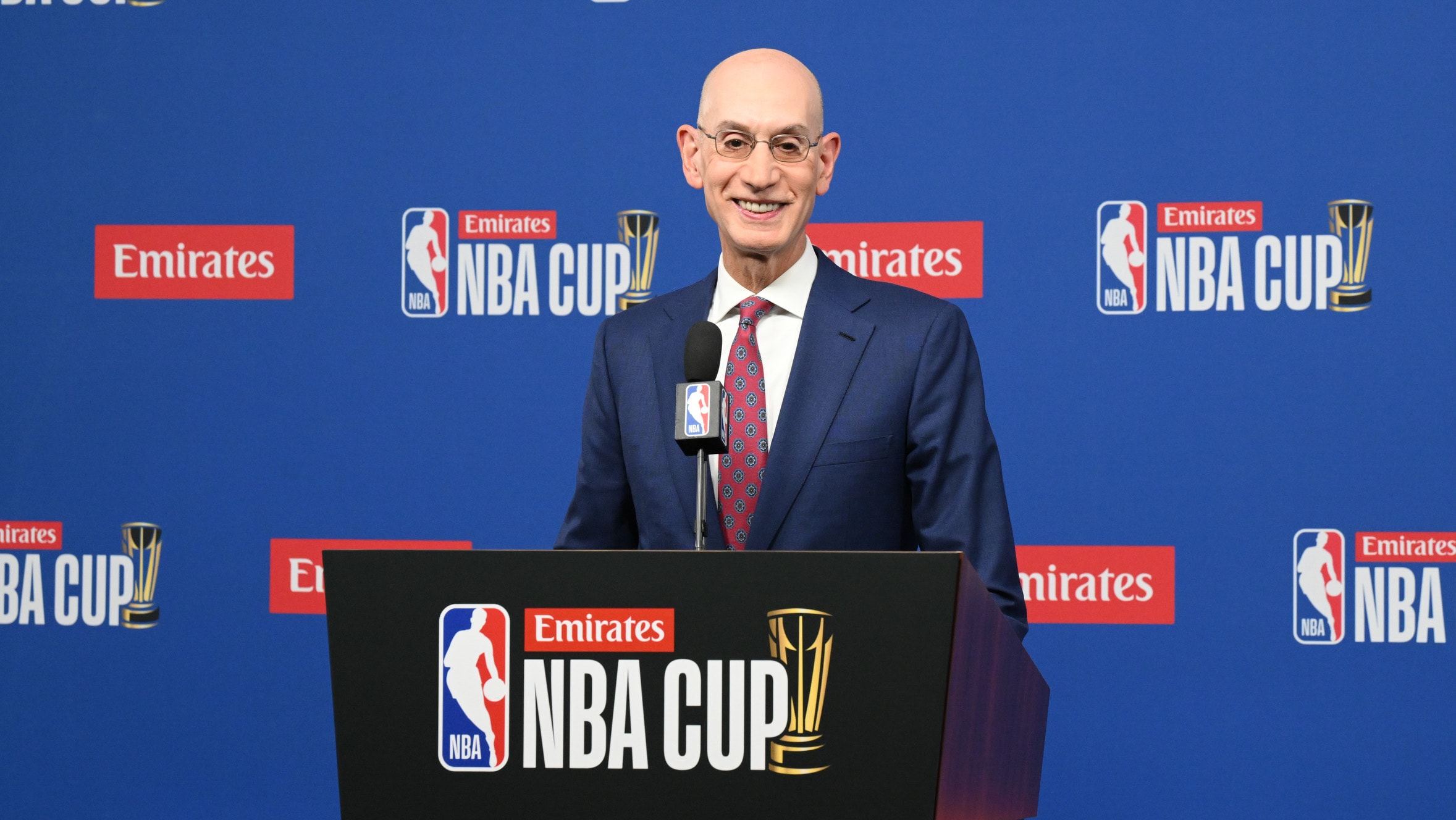
Adam Silver’s leadership is defined by transparent communication, data-driven innovation, and a commitment to social responsibility. By prioritizing empathy alongside strategic growth, Silver demonstrates that modern leadership requires balancing the needs of diverse stakeholders—players, owners, and fans—while maintaining firm moral and ethical standards during times of institutional and global crisis.
As of 2026, Adam Silver’s tenure as the Commissioner of the National Basketball Association (NBA) remains a primary case study for executive leadership and educational management. His approach, often described as a departure from the "strongman" commissioner archetype of the 20th century, emphasizes a "partner-based" model. This model is particularly relevant for educational leaders and corporate executives who must navigate complex ecosystems where talent (students or employees) holds significant social capital.
The Foundation of "Professor" Leadership: Academic and Legal Roots
To understand Adam Silver’s leadership, one must first look at his educational background. A graduate of Duke University and the University of Chicago Law School, Silver’s approach is fundamentally intellectual. Unlike predecessors who might lead through unilateral decree, Silver operates like a lead researcher or a university dean. He gathers data, listens to departmental heads (the team owners), and considers the welfare of the student body (the players).
In an educational leadership context, this translates to collaborative governance. Silver does not view the 30 NBA owners as subordinates, nor the players as mere labor. Instead, he treats them as stakeholders in a shared intellectual and commercial property. For school administrators, this serves as a reminder that the most effective decisions are those made after exhaustive consultation with faculty, parents, and students. Silver’s ability to remain calm and analytical, even in the heat of a scandal or a financial negotiation, stems from this disciplined, academic-style preparation.
Lesson 1: Moral Clarity and Crisis Management
Perhaps the most cited "lesson" from Silver’s career occurred early in his tenure in 2014, regarding the lifetime ban of then-Clippers owner Donald Sterling. Silver’s swift action was a masterclass in institutional ethics. He demonstrated that a leader’s primary responsibility is to protect the values of the organization, even if it means alienating a powerful "shareholder."
For educational leaders, the Sterling case illustrates the importance of decisive ethical boundaries. Schools and universities are often faced with internal conflicts involving high-profile donors or tenured staff. Silver’s lesson is that "waiting for more information" is sometimes a mask for cowardice. When the facts are clear and the organization’s core values—such as inclusivity and respect—are violated, the leader must act as the moral compass. By acting decisively, Silver did not just solve a PR crisis; he educated the entire league on what would be tolerated under his watch.
Lesson 2: Iterative Innovation and the "Growth Mindset"
In the realm of educational psychology, Carol Dweck’s "growth mindset" is a cornerstone. Adam Silver has applied this concept to the business of basketball. He is famously unafraid of "failing fast." From the introduction of the Play-In Tournament to the In-Season Tournament (the NBA Cup), Silver treats the league as a living laboratory.
He often speaks about the league as a "media company" rather than just a sports league. This pivot requires constant learning. In 2026, we see the fruits of his early investments in streaming technology and legalized sports betting integrations. He didn't wait for the industry to change; he studied the trends and educated his board on why the change was necessary.
Leadership through Experimentation
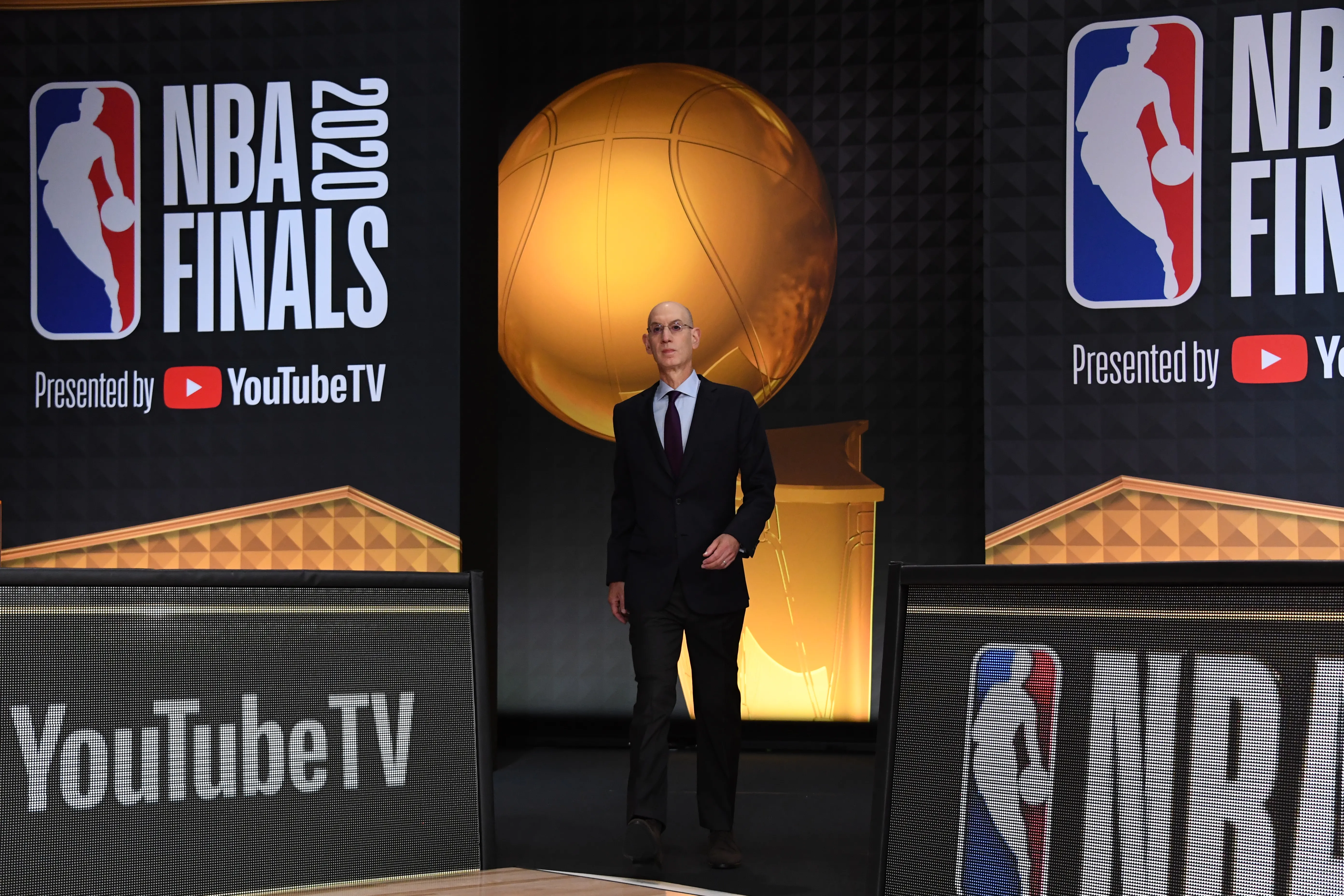
- The 2020 NBA Bubble: This was more than a health feat; it was a pedagogical victory. Silver coordinated with scientists at Yale and the CDC to create a "closed loop" environment. He showed that leadership is about deferred gratification—sacrificing short-term comfort for the long-term safety and viability of the institution.
- Data Literacy: Silver has mandated an increase in data transparency within the league. Whether it is officiating reports (the "Last Two Minute Report") or player tracking data, he believes that an educated audience is a more engaged audience.
Lesson 3: Servant Leadership and Player Empowerment
Silver is frequently called a "Player's Commissioner." In the context of 2026, where the "Creator Economy" dominates, this is a vital lesson in managing high-value talent. Silver recognized early on that the NBA’s greatest assets are the voices of its players. Rather than stifling their social activism or personal branding, he encouraged it, provided it aligned with the league’s broader goals of global expansion and community service.
In educational leadership, this mirrors the shift toward student-centered learning. Just as Silver empowers players to have a seat at the table, modern educators are finding that students achieve more when they have agency over their environment. Silver’s "open door" policy with the Players Association has prevented the labor strikes that have plagued other professional sports, proving that empathy is a more effective retention tool than strict contractual enforcement.
Comparative Leadership Models: Silver vs. Traditional Executives
The following table highlights the shift from traditional, top-down management to the educational and collaborative model championed by Adam Silver.
| Feature | Traditional Management (Pre-2014) | Silver’s Educational Leadership Model |
|---|---|---|
| Decision-Making | Unilateral/Top-Down | Consensual/Collaborative |
| Communication | Closed-door/Strict PR | Transparent/Direct to Public |
| Conflict Resolution | Legalistic/Adversarial | Negotiated/Win-Win |
| View of Talent | Employees/Labor | Partners/Influencers |
| Stance on Innovation | Risk-Averse/Tradition-Bound | Experimental/Data-Driven |
| Crisis Response | Defensive/Minimalist | Proactive/Values-Based |
Lesson 4: Global Educational Outreach and the NBA Academies
Under Silver’s direction, the NBA has moved beyond being a North American sports league and has become an international educational entity. The establishment of NBA Academies in Africa, India, Mexico, and Australia serves as a direct example of education leadership. These academies are not just basketball camps; they are holistic schools that provide high-school education, character development, and vocational training.
This global strategy teaches leaders that an organization’s "footprint" should be measured by its social contribution, not just its revenue. By investing in the education of young athletes worldwide, Silver is securing the future talent pipeline of his league while simultaneously providing social mobility to underprivileged regions. This is a "blue ocean" strategy that combines corporate social responsibility (CSR) with long-term strategic growth.
Lesson 5: Communication as a Pedagogical Tool
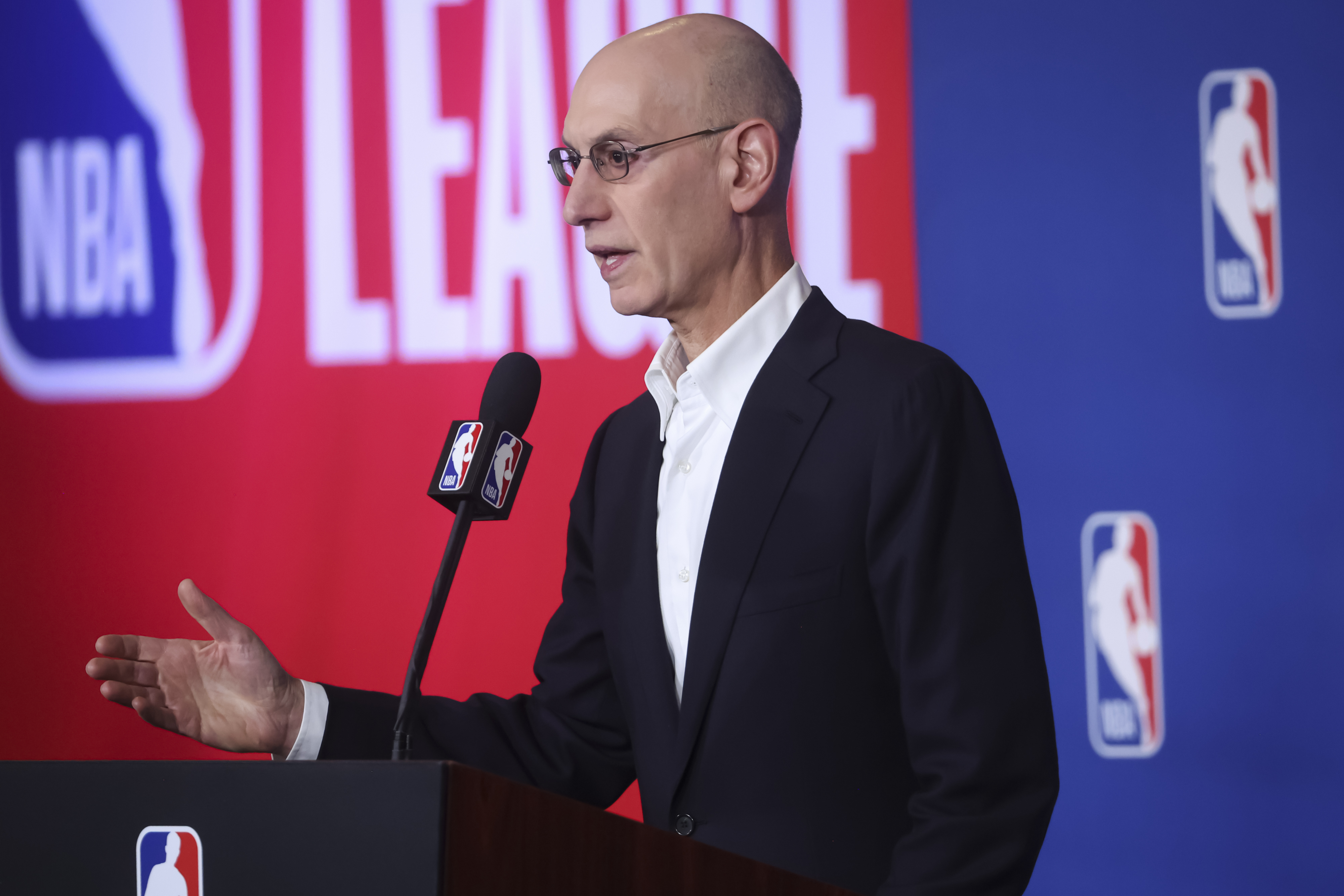
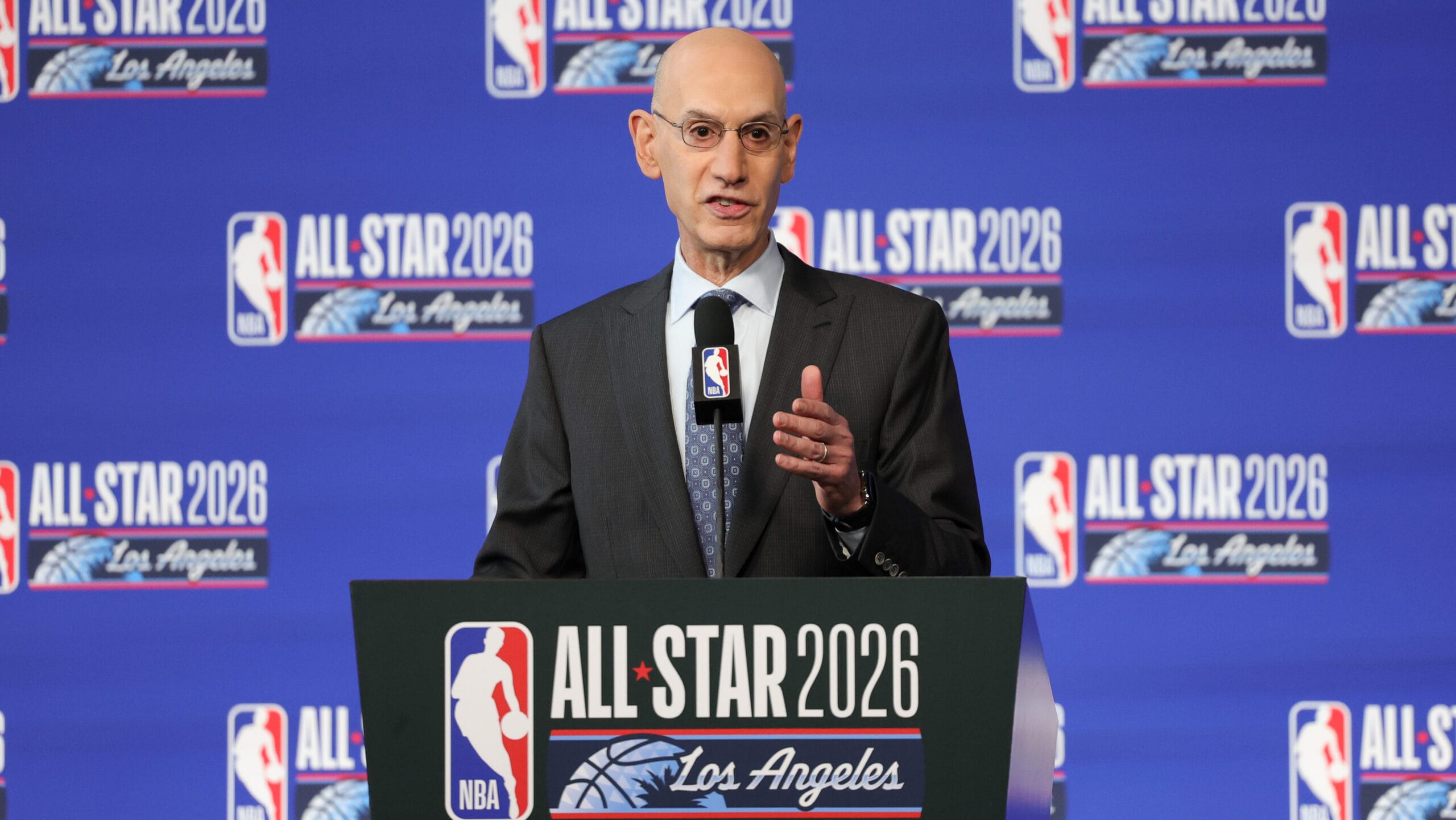
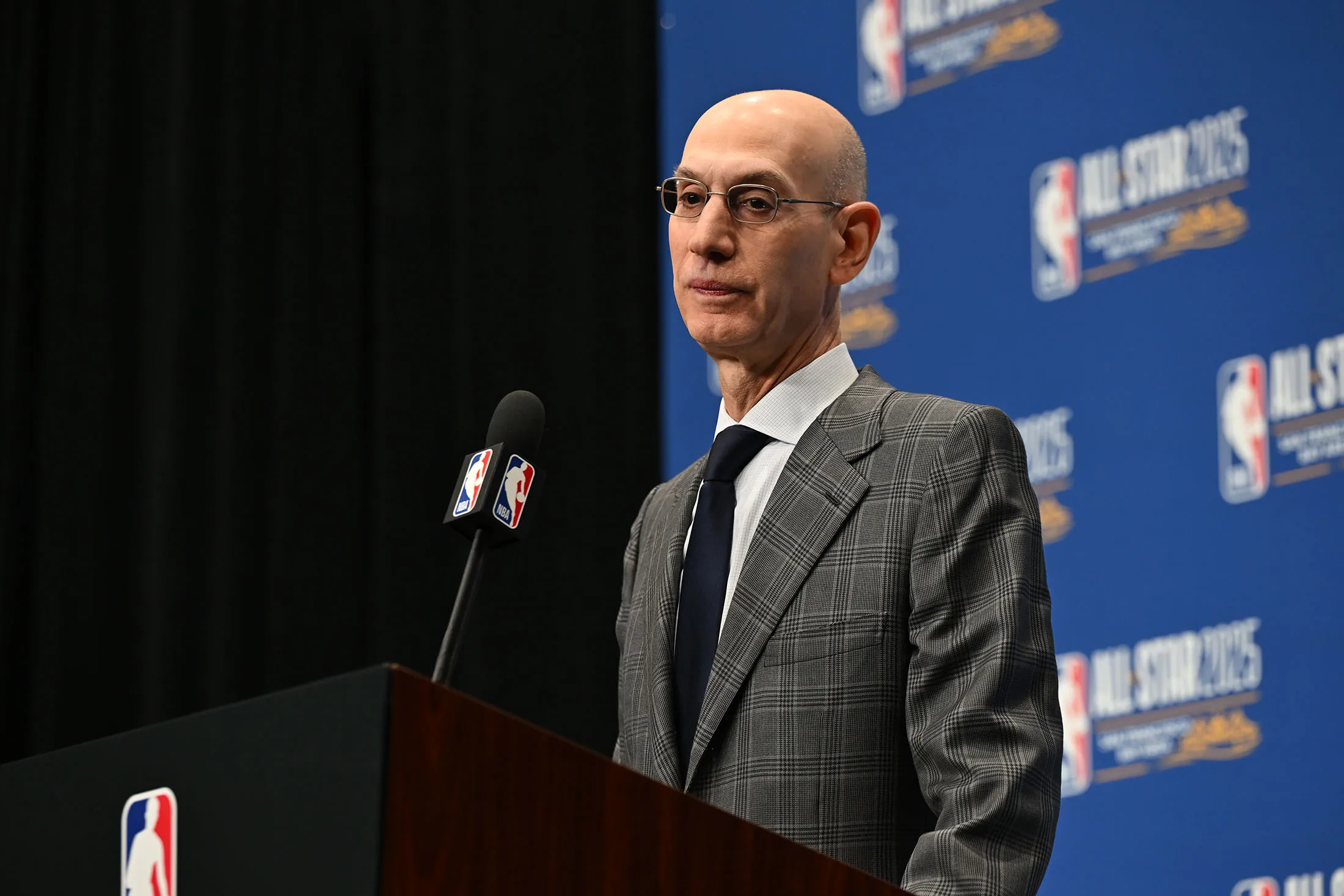
A hallmark of Silver's style is his press conferences. Unlike many executives who use "corporate speak" to obscure facts, Silver speaks with the clarity of a lecturer. He explains the "why" behind every rule change or disciplinary action. In 2026, where misinformation is rampant, this commitment to clarity and transparency is a vital leadership trait.
Educational leaders can learn from Silver's use of the "town hall" format. He often engages in long-form Q&A sessions where he doesn't shy away from difficult topics like international relations (e.g., the NBA’s relationship with China) or domestic social issues. By being the primary "educator-in-chief" for the league, he ensures that the narrative is driven by facts rather than rumors.
Key Pillars of Silver’s Communication Strategy:
- Acknowledging Complexity: He rarely offers "black and white" answers to nuanced problems, showing respect for the intelligence of his audience.
- Accountability: When the league makes a mistake—such as a refereeing error or a failed scheduling experiment—Silver is the first to admit it publicly.
- Future-Focus: He consistently frames current challenges in the context of where the league wants to be in five to ten years.
How do Adam Silver’s lessons apply to classroom management?
While Silver operates at a macro level, his emphasis on "player empowerment" is directly applicable to classroom management. Teachers who treat students as partners in their own education, rather than passive recipients of information, tend to see higher engagement. Silver’s model suggests that setting clear "league rules" (classroom expectations) while allowing for individual "player expression" (student creativity) leads to a more harmonious and productive environment.
What can school principals learn from the NBA Bubble?
The NBA Bubble was a lesson in logistical excellence and stakeholder buy-in. For a school principal, the lesson is that during a crisis, transparency is the only currency that matters. Silver succeeded because he shared the data and the risks with the players before they entered the Bubble. Principals should similarly ensure that teachers and parents are fully informed of the "how" and "why" behind school policies to ensure collective cooperation.
How does Adam Silver handle "difficult" stakeholders or owners?
Silver utilizes a "legalistic empathy" approach. He understands the contractual rights of the owners but appeals to their shared interest in the league's brand value. When an owner is acting against the league's interests, Silver uses peer pressure from other owners and data-driven arguments to bring them back into alignment. This is a crucial lesson for leaders who must manage powerful boards or vocal community groups.
Is Adam Silver's leadership style too soft for high-stakes business?
On the contrary, Silver’s tenure has seen the NBA’s valuation skyrocket to record heights in 2026. His "soft" skills—empathy, listening, and collaboration—have led to hard financial results. This proves that in the modern economy, leadership that prioritizes human capital and organizational culture is often more profitable than old-school, aggressive management tactics.
How does Silver balance social justice with business interests?
Silver views social justice not as a distraction, but as a core component of the NBA's brand identity. He recognizes that the league's primary demographic (young, diverse, global) values authenticity. By allowing players to advocate for social causes, he strengthens the bond between the fans and the league. The lesson for leaders is to align your organization's external actions with the values of your primary "customer" or "student" base.
Implementing the "Silver Model" in Your Organization
To adopt the leadership lessons of Adam Silver in 2026, start by auditing your organization's transparency. Ask yourself: "Do my stakeholders know the 'why' behind my last three major decisions?" If the answer is no, you are leading through authority rather than education.
The next step is to embrace a "long-term talent" perspective. Whether you are running a school, a non-profit, or a corporation, look at your employees or students as future partners. Invest in their holistic growth—much like the NBA Academies—and you will find that loyalty and performance follow. Adam Silver has shown that the commissioner’s chair can be a teacher’s podium, and in doing so, he has redefined what it means to lead a global institution in the 21st century.