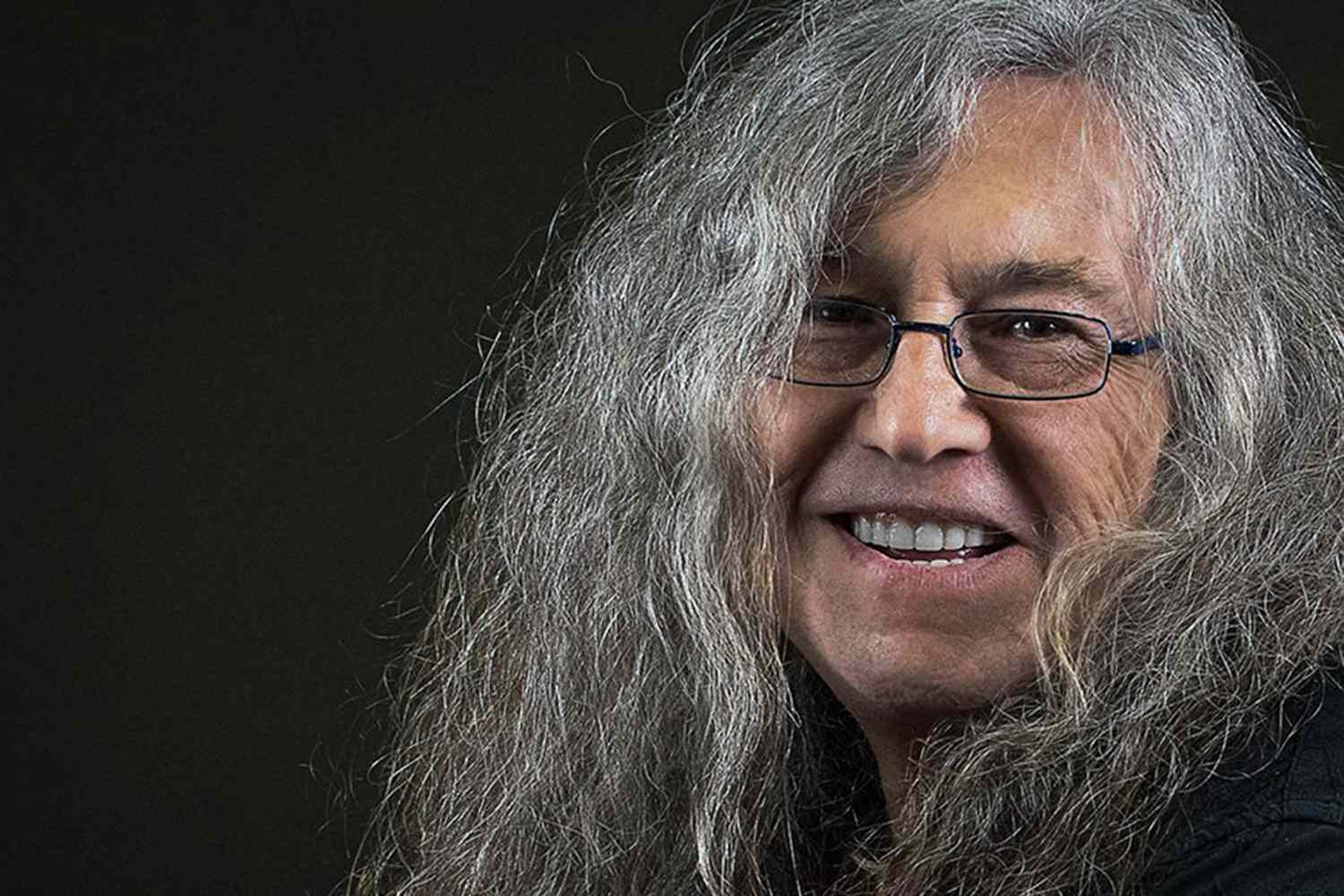
Adam Sigler, a renowned Assistant Professor and Extension Water Quality Specialist at Montana State University (MSU), passed away on January 10, 2021, following a sudden cardiac event during a workout. As of 2026, his legacy continues to shape Montana’s environmental policies and community-based water monitoring programs through the endowed scholarship and academic frameworks he established.
The Life and Academic Career of Adam Sigler
To understand the weight of Adam Sigler’s passing, one must first look at the depth of his contribution to the field of Land Resources and Environmental Sciences (LRES). Sigler was not merely an academic; he was a bridge between the rigorous, often insulated world of scientific research and the practical needs of Montana’s rural residents, farmers, and ranchers.
Born with a natural affinity for the outdoors, Sigler’s professional journey was defined by a commitment to the preservation of natural resources. He earned his bachelor’s degree from Utah State University before moving to Montana State University for his graduate studies. He eventually earned his Ph.D. from MSU, focusing on the intricate dynamics of water quality and land use. His transition from a student to a faculty member at MSU was seamless, driven by his evident expertise and a unique ability to communicate complex hydrological data to non-scientists.
As an Assistant Professor, Sigler led the MSU Extension Water Quality program. In this role, he was responsible for statewide education and outreach regarding one of Montana’s most precious resources: its water. His work took him to every corner of the state, from the headwaters of the Missouri River to the smallest agricultural communities on the eastern plains. He was widely respected for his hands-on approach, often found in the field assisting with water sampling rather than remaining behind a desk in Bozeman.
What Happened: The Events of January 2021
The news of Adam Sigler’s death on January 10, 2021, sent shockwaves through the academic and environmental communities. At only 43 years old, Sigler was in the prime of his career and was known for maintaining an active, healthy lifestyle. He suffered a sudden cardiac event while exercising, a tragedy that highlighted the unpredictable nature of such medical emergencies even in individuals who appear to be in peak physical condition.
The immediate aftermath of his death saw an outpouring of grief from colleagues, students, and the many community members he had assisted through Extension services. For the MSU community, it was the loss of a mentor who was known for his patience and his genuine interest in the success of others. For the state of Montana, it was the loss of a vital advocate for public health and environmental safety.
In the years following 2021, the MSU Extension and the Department of Land Resources and Environmental Sciences have worked tirelessly to ensure that the momentum Sigler built did not stall. His passing catalyzed a renewed focus on heart health awareness within the university community, but more importantly, it solidified the commitment to the programs he pioneered.
A Legacy of "Citizen Science" and Community Impact
Adam Sigler’s most significant professional legacy is arguably his advancement of "citizen science." He believed that the people who lived on the land were its best stewards, provided they had the right tools and information. He revolutionized how private well owners in Montana understood their water supply.
The "Well Educated" Program
One of his hallmark achievements was the revitalization of the "Well Educated" program. In Montana, thousands of residents rely on private wells for their drinking water. Unlike public water systems, these private wells are not regulated by the EPA, meaning the responsibility for testing falls entirely on the homeowner. Sigler recognized that many residents were unaware of the risks posed by naturally occurring arsenic, nitrates from agricultural runoff, or lead from old plumbing.
He didn't just tell people to test their water; he made it accessible. He developed simplified testing kits and clear, actionable educational materials that explained what the results meant. By 2026, the framework he built for this program remains the gold standard for extension services across the Western United States.
Watershed Coordination and Monitoring
Sigler also played a pivotal role in supporting local watershed groups. He understood that water quality issues do not stop at property lines. By helping local groups establish consistent monitoring protocols, he ensured that the data collected by volunteers was scientifically valid and could be used by state agencies to make informed decisions about water management. This work was essential in addressing long-term issues like nutrient loading and sediment management in Montana’s rivers.
The Adam Sigler Memorial Scholarship
Following his death, his family and MSU colleagues established the Adam Sigler Memorial Scholarship. The goal was to support students who shared his passion for water quality and land resource management. This scholarship is not just a financial award; it is a recognition of students who demonstrate the same blend of academic excellence and community service that Sigler personified.
By 2026, the scholarship has helped dozens of graduate and undergraduate students complete their research and pursue careers in environmental science. Many of these recipients have gone on to work for state agencies like the Montana Department of Environmental Quality (DEQ) or non-profit conservation groups, effectively multiplying Sigler’s impact on the state's natural resources.
Comparing Professional Impact in Extension Science
The table below outlines the core areas where Sigler’s work diverged from traditional academic research, illustrating why his legacy is so deeply felt in the community.
| Program Area | Traditional Academic Approach | Adam Sigler’s Approach | Long-Term Impact (as of 2026) |
|---|---|---|---|
| Data Collection | Focused on high-level peer-reviewed publication. | Emphasized "Citizen Science" and volunteer monitoring. | Increased statewide data coverage in remote areas. |
| Private Well Safety | Passive information availability. | Active outreach and simplified testing pathways. | Significant reduction in undiagnosed arsenic exposure. |
| Policy Influence | Indirect influence through journals. | Direct consultation with watershed groups and local leaders. | Localized water management plans based on real-time data. |
| Mentorship | Focus on laboratory skills and theory. | Focus on field-readiness and community communication. | A new generation of extension-focused scientists. |
Lessons from His Career: Science for the Public Good
Adam Sigler’s career serves as a blueprint for how technical expertise can be applied to solve real-world problems. He avoided the "ivory tower" mentality, choosing instead to be a visible and accessible resource for the public. He was known for his ability to walk into a room of skeptical landowners and, through his humility and clear data, earn their trust.
His work underscored the importance of transparency in science. In an era where environmental data can often be politicized, Sigler remained a steadfast purveyor of facts. He didn't tell people what to do; he gave them the data they needed to decide what was best for their families and their land. This approach not only improved water quality but also strengthened the relationship between the university and the people of Montana.
Frequently Asked Questions
What was the official cause of Adam Sigler’s death?
Adam Sigler passed away following a sudden cardiac event on January 10, 2021. Despite his young age and active lifestyle, the event occurred unexpectedly during a workout. This tragedy underscored the importance of cardiovascular health screening even for fit individuals.
What was Adam Sigler’s role at Montana State University?
He served as an Assistant Professor in the Department of Land Resources and Environmental Sciences and was the MSU Extension Water Quality Associate Specialist. His role combined high-level academic research with statewide public education and outreach regarding water health and safety.
How does the Adam Sigler Memorial Scholarship help students?
The scholarship provides financial assistance to students at MSU who are pursuing degrees in Land Resources and Environmental Sciences. It prioritizes students who show a commitment to applied science, community outreach, and the stewardship of Montana's water resources.
What is the "Well Educated" program that Adam Sigler led?
The "Well Educated" program is a collaborative effort between MSU Extension and local health departments. It provides private well owners with the resources and knowledge to test their water for contaminants like nitrates, bacteria, and heavy metals, ensuring safe drinking water for rural families.
How is his work being continued in 2026?
His work is continued through the MSU Extension Water Quality program, which still utilizes the volunteer monitoring and private well testing frameworks he established. The scholarship program continues to fund new researchers who are actively working on Montana’s most pressing water quality issues.
Supporting the Ongoing Mission
For those looking to honor Adam Sigler’s legacy, the most practical action is to support the causes he spent his life championing. This includes staying informed about local water quality issues and participating in community-led conservation efforts.
- Water Testing: If you rely on a private well, engage with the MSU Extension "Well Educated" program to test your water annually. This is the most direct way to honor Sigler’s commitment to public health.
- Volunteer Monitoring: Join a local watershed group. These organizations often rely on volunteers to collect data that helps protect local streams and rivers.
- Contributions: Donations to the Adam Sigler Memorial Scholarship through the MSU Foundation help ensure that the next generation of water scientists has the support they need to continue this vital work.
Adam Sigler’s life was cut short, but his influence on Montana’s environment and its people is permanent. Through the programs he built and the students he mentored, his legacy remains a vital part of the state's natural resource landscape in 2026 and beyond.