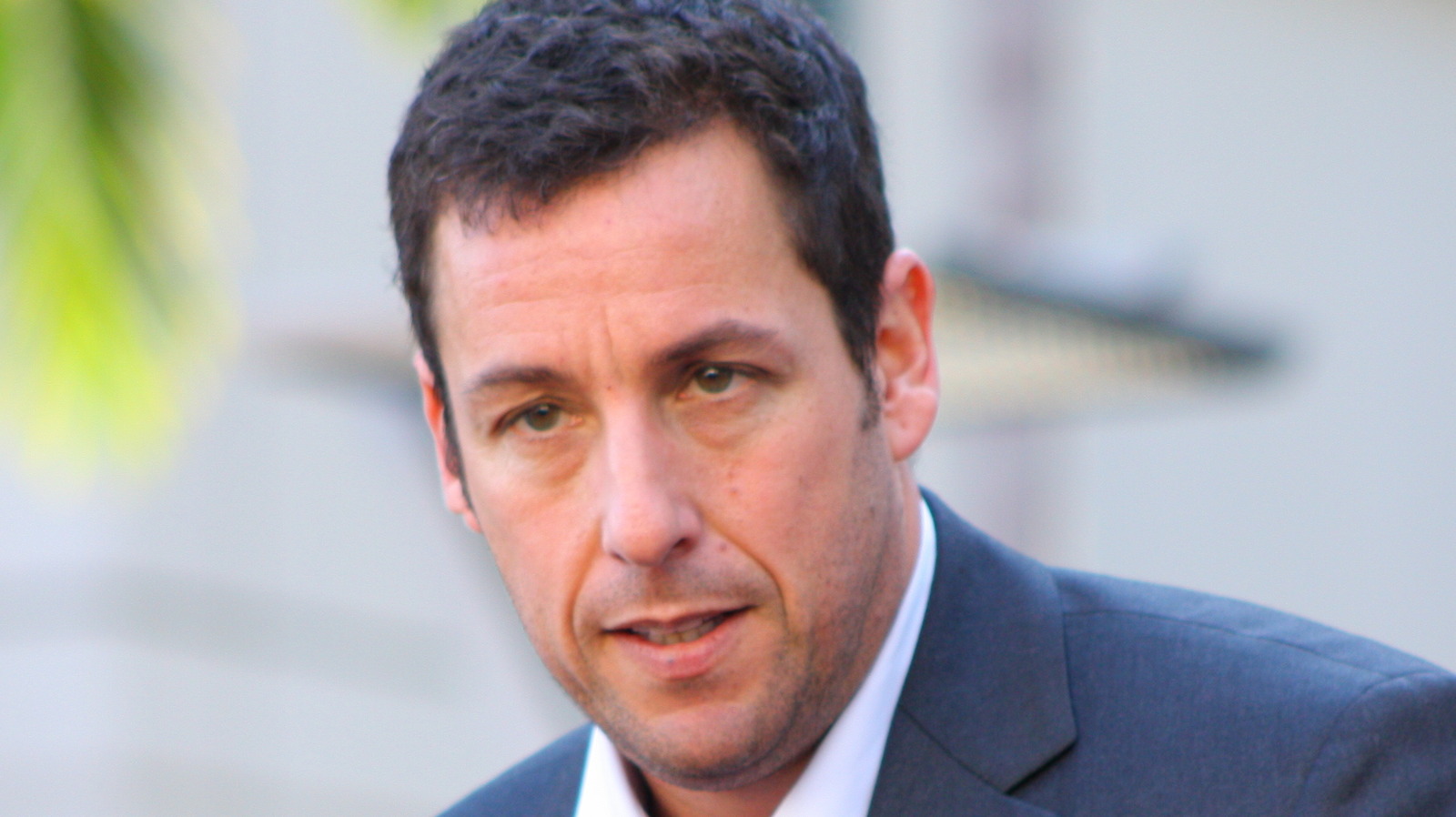
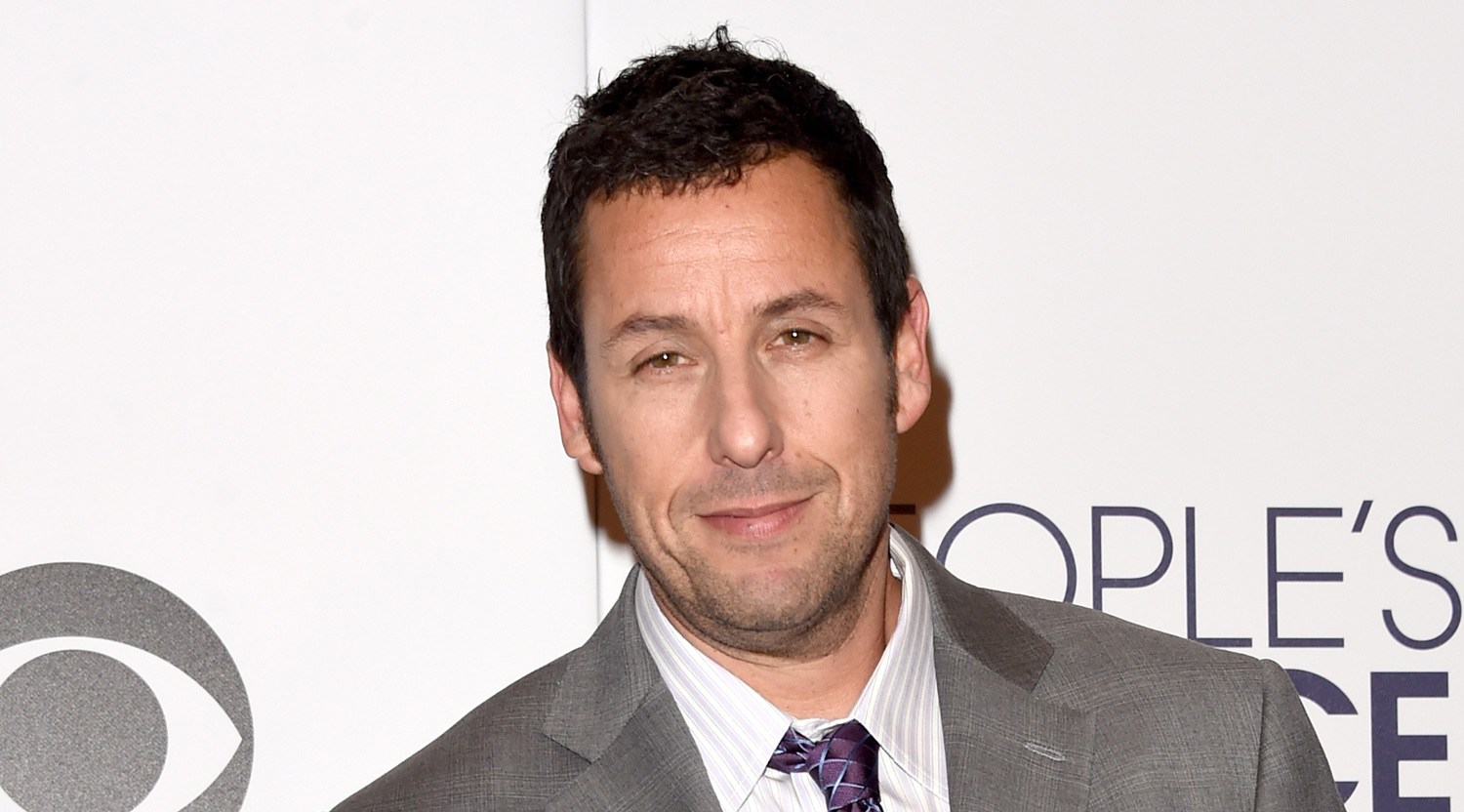
Adam Sandler fundamentally redefined Hanukkah's place in mainstream pop culture through his iconic "Hanukkah Song" on Saturday Night Live and the 2002 animated film Eight Crazy Nights. By blending specific Jewish cultural references with his signature brand of irreverent, high-energy humor, Sandler created a lasting holiday legacy that remains relevant in 2026.
The SNL Catalyst: The Genesis of the Hanukkah Song
In 1994, the landscape of holiday media was overwhelmingly dominated by Christmas-themed specials, movies, and music. Adam Sandler, then a breakout star on Saturday Night Live, changed this dynamic during a "Weekend Update" segment. Standing with a guitar and his characteristic unassuming grin, he introduced "The Hanukkah Song," a comedic anthem designed to give Jewish children "someone to feel good about" during the holiday season.
The brilliance of the song lay in its simplicity and its focus on celebrity culture. Sandler listed famous individuals who were either fully or partially Jewish, ranging from Kirk Douglas to Dinah Shore. This format served two purposes: it provided representation in a medium that often overlooked Jewish identity, and it utilized Sandler’s unique ability to make "list-style" comedy feel like an intimate, shared joke. The line, "Put on your yarmulke, here comes Hanukkah," became an instant cultural touchstone.
The success of the original performance led to three subsequent versions (Part 2 in 1999, Part 3 in 2002, and Part 4 in 2015). Each iteration updated the celebrity roster to include modern icons like Drake, Seth Rogen, and Scarlett Johansson. By 2026, these songs are not merely comedy sketches; they are historical records of Jewish presence in Hollywood, delivered with the self-deprecating wit that defined the Happy Madison era of comedy.
Eight Crazy Nights: An Unconventional Animated Classic
Released in 2002, Eight Crazy Nights represents Sandler’s most ambitious attempt to create a Hanukkah-centric holiday film. Unlike the "warm and fuzzy" tropes of traditional animation, this film brought the abrasive, "Sandleresque" humor of the late 90s to the world of hand-drawn musical comedy. The film follows Davey Stone, a 33-year-old alcoholic with a criminal record who is forced into community service as an assistant basketball referee during the holiday season.
The movie is a polarizing but essential piece of the Hanukkah media canon. It uses the holiday as a backdrop for a story of redemption, albeit one filled with bodily humor and surreal characters like Whitey and Eleanoruvitz. One of the funniest and most enduring moments is the "Technical Foul" song, where the character of Whitey (voiced by Sandler) explains the rules of his house and life through a series of increasingly absurd musical warnings.
Technically, Eight Crazy Nights was a departure for Happy Madison Productions. The animation was high-quality and traditional, contrasting sharply with the crude jokes and cynical tone. This juxtaposition is precisely why it remains a cult classic in 2026. It didn't try to be a "Jewish version" of a Disney movie; it was an Adam Sandler movie that happened to be about Hanukkah, which gave it an authenticity that resonated with fans who felt excluded by the sentimentality of typical holiday fare.
The Evolution of Jewish Identity in Sandler’s Later Work
While "The Hanukkah Song" and Eight Crazy Nights are the primary pillars of Sandler’s holiday contributions, his broader filmography often revisits Jewish themes with a comedic lens that adds to his holiday legacy. Movies like You Don't Mess with the Zohan and The Meyerowitz Stories (New and Selected) showcase different facets of Jewish life, though they aren't strictly holiday films.
However, the 2023 release You Are So Not Invited to My Bat Mitzvah marked a significant shift. In this film, Sandler plays the father of a girl preparing for her rite of passage. The humor transitioned from the "angry young man" energy of the 90s to the "exhausted but loving father" archetype. This film provided a modern, relatable look at Jewish traditions that felt like a spiritual successor to his earlier Hanukkah work. It emphasized the community and family aspects of the culture, moving beyond just listing celebrities to exploring the lived experience of modern Jewish families.
In the context of "holiday moments," these films contribute to a larger body of work where the "funny" comes from the specificity of the culture. Whether it’s the intense competitive nature of a Bat Mitzvah or the specific dietary jokes found in The Meyerowitz Stories, Sandler has consistently proven that the more specific a joke is to a culture, the more universal its appeal often becomes.
Analyzing the Impact of the "Hanukkah Song" Versions
To understand the longevity of Sandler's Hanukkah moments, it is helpful to look at how his most famous musical contribution evolved over twenty years. Each version reflects the era in which it was produced, both in terms of the celebrities mentioned and the production value of the performance.
| Version | Debut Year | Key Celebrity Mentions | Unique Cultural Context |
|---|---|---|---|
| Part 1 | 1994 | Kirk Douglas, James Caan, Dinah Shore | Established the "representation" theme for Jewish kids. |
| Part 2 | 1999 | Winona Ryder, Dustin Hoffman, Courtney Love | Released at the peak of Sandler's movie stardom (Big Daddy era). |
| Part 3 | 2002 | Gwyneth Paltrow, Ben Stiller, The Osbournes | Promoted Eight Crazy Nights and featured a kids' choir. |
| Part 4 | 2015 | Drake, Seth Rogen, Scarlett Johansson, Google founders | A modern retrospective performed during a live stand-up special. |
The transition from Part 1 to Part 4 shows a move from "classic Hollywood" names to modern tech giants and global superstars, reflecting the growing visibility of Jewish figures in every sector of public life. This evolution kept the song relevant for new generations, ensuring that Hanukkah comedy remained a recurring part of the zeitgeist rather than a one-time gimmick.
Why These Moments Resonate: The "Mensch" Persona
A major factor in why Adam Sandler’s Hanukkah moments are so enduring is the persona he brings to them. In Jewish culture, a "mensch" is a person of integrity and honor. While Sandler’s characters are often buffoonish or crude, Sandler himself has cultivated a reputation as one of Hollywood's most loyal and down-to-earth figures.
This "mensch" quality shines through his holiday moments. When he sings about Hanukkah, there is no sense of irony or mockery of the religion itself. Instead, the humor is directed at the "outsider" status of the holiday in a Christmas-centric world. He invites everyone—Jewish or not—to join in the celebration. This inclusivity is the secret sauce of his comedy.
Furthermore, Sandler’s Hanukkah moments often highlight the "un-glamorous" side of the holidays. He talks about eating latkes, the smell of oil, and the "boring" gifts compared to the high-tech toys associated with Christmas. By leaning into these mundane details, he creates a sense of relatability that resonates more deeply than a polished, high-budget holiday special ever could.
Technical Execution of Sandler’s Holiday Comedy
The "funny" in Sandler’s holiday moments isn't just about the lyrics; it’s about the delivery. Sandler utilizes several specific comedic techniques that have become his hallmarks:
- The "Slow Build": His songs often start quietly and build into a shouting crescendo, a technique that heightens the absurdity of the lyrics.
- Deliberate Mispronunciation: He often twists words to force a rhyme (e.g., rhyming "Hanukkah" with "yarmulke" or "Monica"), which adds a layer of "bad dad joke" charm to the performance.
- The "Angry Breakout": In Eight Crazy Nights, his characters often transition from calm to explosive anger in seconds. This volatility is a staple of his 90s and early 2000s comedy and provides a sharp contrast to the usually "peaceful" holiday atmosphere.
- Self-Deprecation: Sandler frequently mocks his own career or his "low-brow" reputation within the songs themselves, which endears him to the audience and prevents the material from feeling self-important.
By 2026, these techniques are widely studied by comedy writers as the "Happy Madison style." They represent a specific era of American comedy that prioritized gut-level laughs and emotional sincerity over complex satire.
Frequently Asked Questions
Is "Eight Crazy Nights" appropriate for all ages?
While Eight Crazy Nights is an animated film, it is rated PG-13. It contains significant amounts of crude humor, adult language, and themes related to alcoholism and grief. It is generally better suited for teenagers and adults rather than young children, despite its "cartoon" appearance.
Why did Adam Sandler write the Hanukkah Song?
Sandler has stated in interviews that he wrote the song because he felt there was a lack of Hanukkah music for Jewish children to enjoy during the holiday season. He wanted to create something that allowed them to feel "cool" and proud of their heritage while having a laugh.
Are all the people mentioned in the Hanukkah Song actually Jewish?
For the most part, yes. Sandler and his writing team (including Ian Maxtone-Graham and Lewis Morton) did considerable research for the lyrics. However, he often includes "half-Jewish" celebrities or people who are "Jewish by association" for comedic effect, usually clarifying their status within the lyrics (e.g., "O.J. Simpson—not a Jew!").
Where can I watch Adam Sandler's Hanukkah moments in 2026?
Most of Sandler's holiday content is available on major streaming platforms. Eight Crazy Nights is frequently found on services like Hulu or Max during the winter months. "The Hanukkah Song" segments are officially hosted on the Saturday Night Live YouTube channel and Peacock, while his Part 4 performance is part of his Netflix stand-up specials.
Has Adam Sandler released any new Hanukkah material recently?
As of 2026, Sandler has not released a "Part 5" of the Hanukkah Song, but he continues to integrate Jewish themes into his Netflix-exclusive films. His recent work often focuses on family dynamics and Jewish rites of passage, which many fans consider to be the modern evolution of his earlier holiday-themed comedy.
Recommendations for a Sandler-Themed Holiday Marathon
For those looking to celebrate the season with a dose of Sandler’s unique humor, a curated viewing path is recommended to see the full arc of his career. Start with the original 1994 SNL performance to understand the roots of his holiday influence. Follow this with Eight Crazy Nights for a deep dive into his early-2000s comedic style.
To see how his perspective has matured, watch You Are So Not Invited to My Bat Mitzvah, which provides a heartwarming but still hilarious look at Jewish family life. Finally, finish with the Part 4 rendition of "The Hanukkah Song" from his stand-up special to see him come full circle, acknowledging his legacy with the same guitar and the same infectious energy that started it all over thirty years ago.