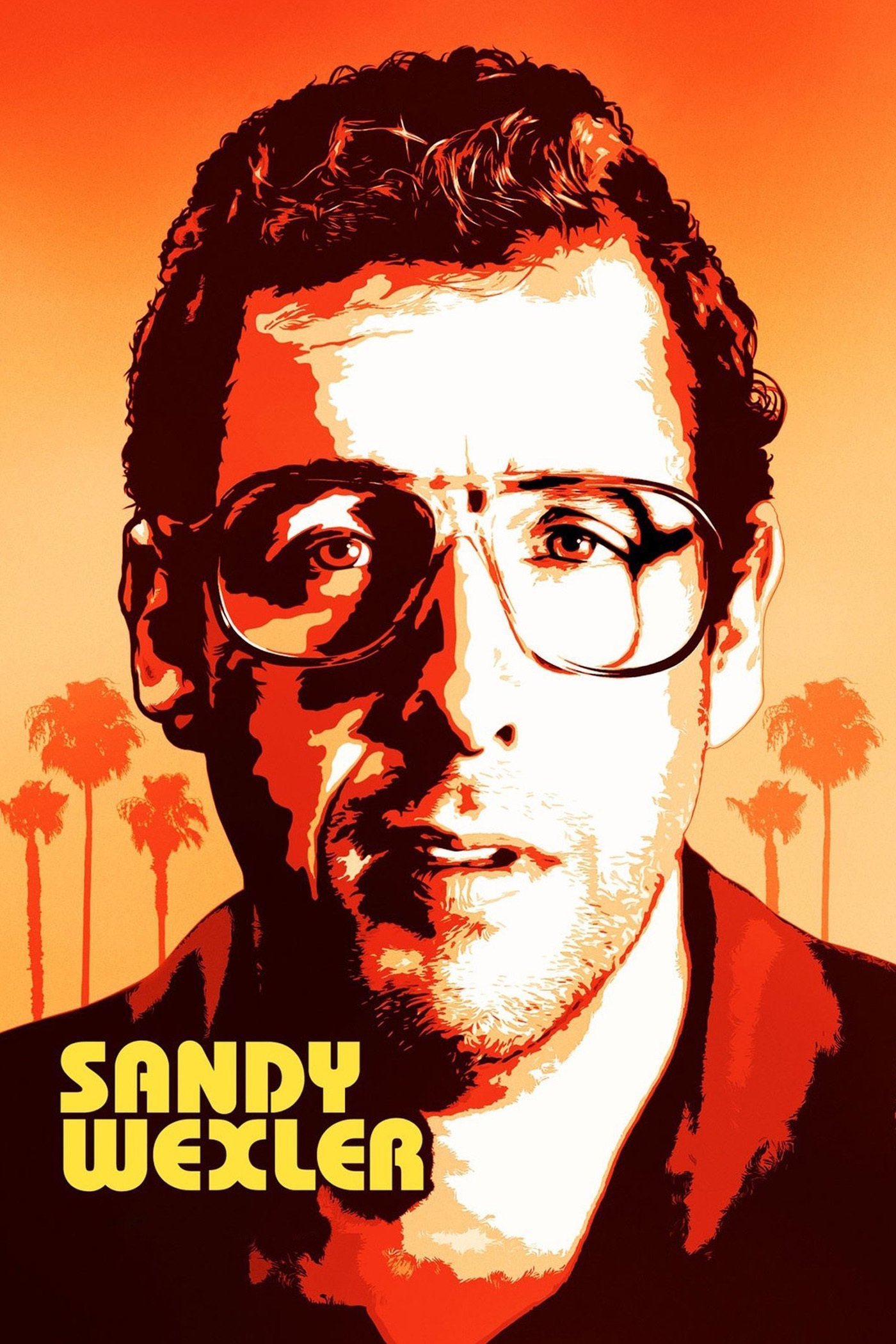
In 2008, Adam Sandler released two major feature films that defined his transition into high-concept and family-oriented comedy: You Don't Mess with the Zohan and Bedtime Stories. Together, these projects grossed over $400 million globally, showcasing Sandler’s unique ability to balance R-rated satire with PG-rated fantasy while solidifying his dominance at the international box office.
The Cultural Impact of You Don’t Mess with the Zohan
Released in June 2008, You Don't Mess with the Zohan stands as one of Adam Sandler’s most ambitious and polarizing comedies. Directed by long-time collaborator Dennis Dugan and co-written by Sandler, Robert Smigel, and Judd Apatow, the film tells the story of Zohan Dvir, an Israeli Counter-Terrorist commando who fakes his own death to pursue his dream of becoming a hairstylist in New York City.
The film's humor is rooted in a blend of absurd physicality and social satire. Sandler’s portrayal of Zohan—a character with superhuman strength and an obsession with silky-smooth hair—allowed for a level of slapstick comedy that harkened back to his early 1990s work. However, the underlying theme of the film was surprisingly deep: a satirical look at the Israeli-Palestinian conflict. By placing Middle Eastern characters in the melting pot of New York, the film explored the idea that historical animosities could be set aside in favor of a shared "American Dream."
Critically, the movie received mixed reviews but was praised for its bold attempt to address sensitive geopolitical issues through the lens of a "Happy Madison" production. From a 2026 perspective, Zohan is often cited as the peak of Sandler's "high-concept" era, where the premise itself was as much a draw as the leading man. The film's use of "Fizzy Bubblech" and the recurring "Scrappy Coco" pseudonym became cult references that have endured for nearly two decades.
Bedtime Stories: Sandler’s Foray into Family Fantasy
In December 2008, Sandler pivoted toward a younger demographic with Bedtime Stories, his first film under the Walt Disney Pictures banner. Directed by Adam Shankman, the movie follows Skeeter Bronson, a hotel handyman whose life begins to change when the elaborate bedtime stories he tells his niece and nephew start coming true in real life.
This film was a significant departure for Sandler, who had built his career on PG-13 and R-rated humor. Bedtime Stories required a more restrained, charming performance. The technical execution of the film was its strongest suit, featuring high-end CGI to bring the fantasy sequences—ranging from the Old West to outer space—to life. The inclusion of "Bugsy," a wide-eyed guinea pig, served as a brilliant marketing tool that appealed to children and boosted merchandise potential.
While Bedtime Stories did not offer the edgy satire found in Zohan, it was a massive commercial success. It proved that Sandler’s brand of the "everyman hero" was portable across different genres and ratings. For many fans in 2026, this film remains a staple of holiday-season viewing, representing a moment when Sandler successfully modernized the classic family fable for the late 2000s audience.
Comparing the Two 2008 Releases
The duality of Sandler’s 2008 output provides a fascinating look at the "Happy Madison" business model. On one hand, You Don't Mess with the Zohan catered to the core Sandler fan base: young adults looking for irreverent, boundary-pushing comedy. On the other hand, Bedtime Stories expanded his reach to families, ensuring a broader legacy.
- Tone and Direction: Zohan utilized Dennis Dugan’s fast-paced, often chaotic directing style, whereas Bedtime Stories benefited from Adam Shankman’s background in musicals and choreography, giving the fantasy sequences a polished, rhythmic feel.
- Supporting Casts: Both films featured impressive ensembles. Zohan included John Turturro as "The Phantom" and Emmanuelle Chriqui, while Bedtime Stories boasted Keri Russell, Guy Pearce, and a scene-stealing Russell Brand. The ability to attract high-caliber talent to comedic roles became a hallmark of Sandler's 2008 era.
- Production Value: 2008 marked an increase in the visual scale of Sandler’s films. Whether it was the elaborate action choreography in Zohan or the multi-genre sets in Bedtime Stories, these weren't just "talky" comedies; they were visual spectacles.
| Feature | You Don't Mess with the Zohan | Bedtime Stories |
|---|---|---|
| Release Date | June 6, 2008 | December 25, 2008 |
| Rating | PG-13 | PG |
| Director | Dennis Dugan | Adam Shankman |
| Production Company | Happy Madison / Sony | Happy Madison / Disney |
| Budget | ~$90 Million | ~$80 Million |
| Worldwide Box Office | ~$204 Million | ~$212 Million |
| Primary Theme | Satire / Action | Family / Fantasy |
The Role of Happy Madison Productions in 2008
By 2008, Sandler’s production company, Happy Madison, had become a powerhouse in Hollywood. The success of his 2008 films was not accidental; it was the result of a refined formula that combined Sandler’s creative control with major studio distribution.
In the case of Zohan, the partnership with Columbia Pictures (Sony) allowed Sandler to explore more adult-oriented themes while maintaining high production values. Conversely, the partnership with Disney for Bedtime Stories showed a strategic move to diversify the Happy Madison brand. This year served as a blueprint for how a comedy star could manage a "dual-track" career—alternating between niche-pleasing projects and broad, commercial blockbusters.
Furthermore, 2008 saw Sandler utilizing his frequent "acting troupe," including Rob Schneider and Nick Swardson. This sense of familiarity for the audience helped maintain a loyal fan base even as he experimented with different genres. In the context of 2026, we see this as the period where Sandler transitioned from a "Saturday Night Live" alum to a global media mogul.
Critical Reception vs. Longevity
While neither film was an "Oscar contender," their longevity in the streaming era (and physical media before it) is undeniable. You Don't Mess with the Zohan is frequently analyzed in modern film studies for its portrayal of Middle Eastern stereotypes—some critics view it as a dated caricature, while others see it as a pioneering attempt to humanize both sides of a conflict through humor.
Bedtime Stories, meanwhile, has aged into a "comfort movie" for a generation of Gen Z and Alpha viewers who grew up watching it on repeat. The "gumdrop rain" scene and the various historical parodies (like the Roman gladiator segment) remain memorable visual cues.
The 2008 films also highlighted Sandler’s physical comedy skills. In Zohan, his training for the role was evident in the stunt sequences, while in Bedtime Stories, his ability to perform against green screens and imaginary characters (like the giant guinea pig) showed a technical adaptability that many of his peers lacked at the time.
Viewing Recommendations for the Modern Era
For those revisiting Adam Sandler’s 2008 filmography in 2026, it is best to view these films as a "double feature" of contrast. Start with You Don't Mess with the Zohan to appreciate the satiric risks Sandler was willing to take during the height of his fame. Pay close attention to the writing—there are layers of wordplay and cultural references that are easy to miss on a first viewing.
Follow it up with Bedtime Stories to see the softer side of the Happy Madison formula. It serves as a reminder that Sandler’s greatest strength is his relatability. Even when he is fighting a Roman gladiator or dodging gumdrops, he remains a grounded, likable protagonist.
FAQ
Was You Don't Mess with the Zohan based on a real person?
While the character of Zohan Dvir is a fictional creation, he was partially inspired by Nezi Arbib, a former Israeli soldier who became a hairstylist in San Diego. Sandler reportedly spent time with Arbib to learn the basics of hair cutting and to observe his mannerisms, though the "superhuman" elements of the character were entirely invented for the film’s comedic tone.
Is Bedtime Stories Adam Sandler's only Disney movie?
As of 2026, Bedtime Stories remains Adam Sandler’s most prominent live-action collaboration with Walt Disney Pictures. While he has worked with various other studios and transitioned into a massive multi-year deal with Netflix, Bedtime Stories stands out as a unique moment where the "Happy Madison" brand aligned perfectly with the "Disney" family-friendly aesthetic.
Who wrote the script for You Don't Mess with the Zohan?
The screenplay was a collaborative effort between Adam Sandler, Robert Smigel (famed for "Triumph the Insult Comic Dog"), and Judd Apatow. This "comedy dream team" contributed to the film’s unique mix of SNL-style sketches and the character-driven humor typical of Apatow’s mid-2000s work.
How much did Adam Sandler's 2008 movies make at the box office?
Both films were significant financial successes. You Don't Mess with the Zohan earned approximately $204 million worldwide, while Bedtime Stories surpassed it slightly with over $212 million. Combined, Sandler generated over $416 million in ticket sales in a single calendar year, confirming his status as one of the most bankable stars of the era. Box Office Mojo provides detailed historical breakdowns of these figures.
What is the most famous scene from Bedtime Stories?
The "gumdrop rain" scene is widely considered the most iconic moment of the film. It occurs when Skeeter Bronson’s story about a raining sky actually manifests in the real world as gumdrops falling from a truck on a highway overpass. This scene was a centerpiece of the film's marketing and showcased the high-quality visual effects for a 2008 comedy.
Why did Sandler choose to do a PG-rated movie like Bedtime Stories?
At the time, Sandler had recently become a father, which many industry analysts believe influenced his decision to produce more family-oriented content. He wanted to create films that his own children could watch, leading to a decade of projects like Bedtime Stories and the Hotel Transylvania franchise.
Strategic Viewing and Next Actions
To fully grasp the evolution of Adam Sandler’s career, viewers should compare his 2008 films with his earlier work from the late 90s (like The Wedding Singer) and his later dramatic turns in the 2020s. The 2008 era is the "missing link" that shows how he mastered the business of comedy, proving he could navigate different ratings, studios, and genres without losing his core identity. For those interested in the technical side of film, reviewing the special features on the Sony Pictures and Disney official sites can provide deeper insight into the CGI and stunt work that defined this prolific year.