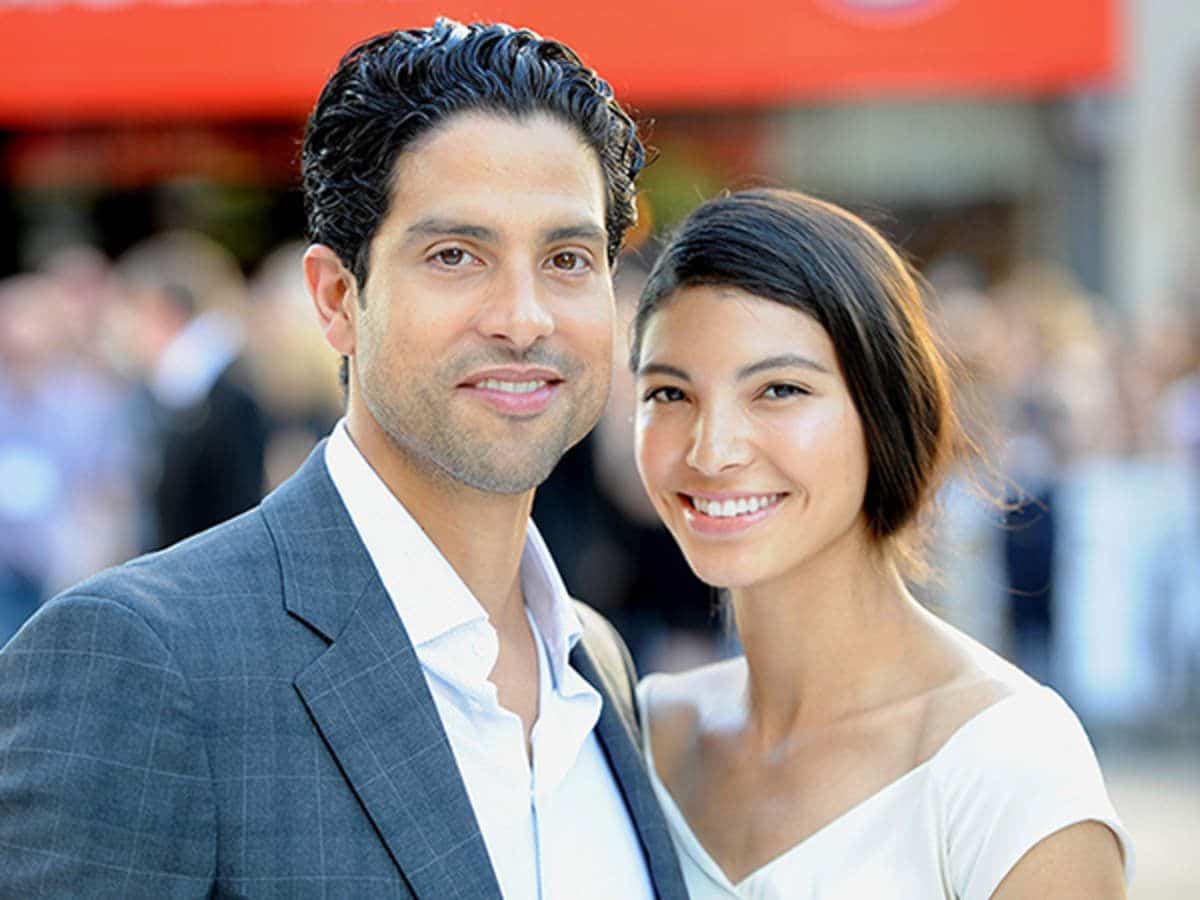
Adam Rodriguez is a multiracial American actor of Puerto Rican and Cuban descent. Born in Yonkers, New York, he identifies strongly as Latino, reflecting the specific Caribbean heritage of his parents. His background is a blend of Spanish, Indigenous, and African influences characteristic of the demographic histories of Puerto Rico and Cuba.
The Foundations of Adam Rodriguez’s Multi-Ethnic Identity
To understand Adam Rodriguez’s ethnicity is to understand the broader tapestry of the Caribbean-Latino experience in the United States. Born Adam Michael Rodriguez on April 2, 1975, he grew up in a household where his heritage was not just a label but a lived reality. As of 2026, Rodriguez has spent over two decades as a visible representative of the Hispanic community in Hollywood, often using his platform to discuss the nuances of his background.
His father, Ramon Rodriguez, is of Puerto Rican descent, while his mother, Janet, is of Cuban descent. This specific combination—Puerto Rican and Cuban—places Rodriguez at the intersection of two of the most influential Caribbean cultures in New York City. Growing up in Yonkers and later Clarkstown, New York, he was immersed in a region known for its vibrant Puerto Rican and Cuban-American enclaves.
The "Boricua" (Puerto Rican) and "Cubano" identities share many historical parallels, including a shared Spanish colonial history and a linguistic bond, yet they maintain distinct cultural markers. For Rodriguez, navigating these two worlds provided a rich foundation for his later work in the arts, allowing him to portray characters with a depth that felt authentic to the immigrant and first-generation American experience.
Paternal Heritage: The Puerto Rican Connection
The paternal side of Adam Rodriguez’s family hails from Puerto Rico, an archipelago that is an unincorporated territory of the United States. Because of the Jones-Shafroth Act of 1917, Puerto Ricans are U.S. citizens by birth, which facilitated a massive migration to New York City throughout the mid-20th century. Rodriguez’s father, Ramon, was part of this cultural lineage.
Puerto Rican ethnicity is famously described as a "gran mulatez" or a great blending. The roots of Rodriguez’s paternal line likely include:
- Spanish Ancestry: The primary European influence resulting from centuries of colonial rule.
- Taino Origins: The indigenous people of the island. Many Puerto Ricans carry Taino mitochondrial DNA, preserving a link to the pre-Columbian Caribbean.
- African Heritage: Enslaved Africans brought to the island for sugar and coffee production contributed significantly to the island's music, food, and genetic makeup.
In interviews, Rodriguez has often credited his father’s work ethic—Ramon served as an executive with the United States Hispanic Chamber of Commerce—as a major influence. This paternal connection linked Adam to the professional and civic aspects of the Latino community, ensuring he understood the importance of representation not just in entertainment, but in business and leadership.
Maternal Heritage: The Cuban Influence
Adam’s mother, Janet Rodriguez, provided the Cuban half of his heritage. The Cuban-American experience is distinct from the Puerto Rican one, often shaped by different waves of migration, particularly the exodus following the 1959 Revolution. While Puerto Ricans moved to the U.S. as citizens, Cuban families often arrived as political refugees, bringing a unique set of stories regarding exile, resilience, and the preservation of culture.
Cuban heritage, like Puerto Rican heritage, is a "melting pot." The Spanish influence in Cuba was historically very strong, particularly from the regions of Andalusia and the Canary Islands. Additionally, Cuba has a profound West African influence, particularly from the Yoruba and Igbo peoples, which is evident in the island’s Santería traditions and complex rhythmic music.
By being half-Cuban, Rodriguez inherited a connection to an island known for its intellectualism, diverse musical genres like Son and Bolero, and a fierce pride in national identity. This "Cubanidad" added a specific layer to his persona—one that he would eventually bring to his most famous role on CSI: Miami.
Cultural Identity and the "Hollywood Latino" Experience
For much of his career, Adam Rodriguez has had to navigate the complexities of being a Latino actor in an industry that often relied on stereotypes. However, his specific look and heritage allowed him to bridge gaps. He did not fit a singular "Latino" mold, which allowed him to play a variety of roles while still remaining an anchor for Hispanic viewers.
His breakthrough role as Eric Delko on CSI: Miami is perhaps the best example of his heritage intersecting with his craft. The character of Delko was originally written as a different ethnicity, but once Rodriguez was cast, the writers integrated his actual background into the character. Delko was portrayed as having a Cuban mother and a Russian father, a creative choice that acknowledged the diverse migration patterns found in Florida.
Rodriguez has frequently spoken about the importance of "normalized" representation—playing characters who are Latino but whose entire personality isn't defined solely by their ethnicity. By playing forensic scientists, FBI agents (Criminal Minds), and business owners, he has contributed to a more modern, nuanced portrayal of the 21st-century Latino man.
Summary of Adam Rodriguez’s Heritage
| Category | Details |
|---|---|
| Primary Ethnicity | Latino / Hispanic |
| National Origins | Puerto Rico (Paternal), Cuba (Maternal) |
| Birthplace | Yonkers, New York, USA |
| Ancestral Mix | Spanish (European), Taino (Indigenous), West African |
| Languages | English (Native), Spanish (Fluent) |
| Father's Influence | Business leadership and community advocacy |
| Mother's Influence | Cultural preservation and family values |
Family Roots and Passing Down Traditions
As of 2026, Adam Rodriguez is not only a son of the Caribbean diaspora but also a father himself. He married Grace Gail in 2016, and together they have three children. Grace Gail is the daughter of actor Max Gail, adding another layer of artistic lineage to the family.
Rodriguez has expressed in various profiles that raising children in a multicultural environment requires intentionality. He aims to pass down the "best of both worlds"—the American opportunities he was afforded and the rich cultural traditions of his Puerto Rican and Cuban ancestors. This often involves:
- Language: Ensuring the younger generation understands Spanish to maintain a direct link to their grandparents.
- Cuisine: The blending of Puerto Rican staples like mofongo or arroz con gandules with Cuban classics like ropa vieja.
- Values: A focus on the extended family unit, a hallmark of both Cuban and Puerto Rican social structures.
His marriage to Grace, who is of a different background, reflects the modern American "melting pot" where heritage is celebrated and integrated rather than assimilated and lost.
The Impact of Geography: From New York to Miami
Geography played a massive role in how Rodriguez experienced his ethnicity. Growing up in the New York metropolitan area, he was exposed to the "Nuyorican" movement—a cultural and intellectual movement involving Puerto Ricans in New York. This environment was politically charged and artistically vibrant.
When his career took him to Miami for CSI, he experienced the epicenter of Cuban-American life. Miami’s cultural landscape is dominated by the Cuban exile experience, which is different from the New York Latino experience. This transition allowed Rodriguez to reconnect with his maternal roots in a visceral way, surrounded by the food, music, and dialects of his mother’s heritage.
In 2026, looking back at his body of work, it is clear that Rodriguez’s ability to move between these different "Latino" spaces is what made him such a versatile and enduring figure in the media. He is not just "Hispanic"; he is a representative of the specific Caribbean-American synthesis that defines a large portion of the East Coast Latino population.
Frequently Asked Questions
What is Adam Rodriguez's exact ethnicity?
Adam Rodriguez is of mixed Latino heritage. He is half-Puerto Rican on his father's side and half-Cuban on his mother's side. This makes him of Hispanic/Latino descent with ancestral roots that likely include Spanish, African, and Indigenous Taino lineages common to those islands.
Does Adam Rodriguez speak Spanish?
Yes, Adam Rodriguez is fluent in Spanish. Growing up in a household with a Puerto Rican father and a Cuban mother in New York, he was raised in a bilingual environment. He has frequently used his Spanish-speaking skills in interviews and for specific acting roles throughout his career.
Who are Adam Rodriguez's parents?
His parents are Ramon Rodriguez and Janet Rodriguez. His father, Ramon, was a prominent figure in the Hispanic business community, serving as an executive with the U.S. Hispanic Chamber of Commerce. His mother, Janet, is of Cuban descent and has been a private but supportive figure in his life and career.
Is Adam Rodriguez related to Rico Rodriguez?
No, Adam Rodriguez is not related to actor Rico Rodriguez (known for Modern Family). While they share a common Hispanic surname and both work in the entertainment industry, they come from different family backgrounds and geographic origins.
How has his heritage influenced his acting roles?
His heritage has been central to several of his roles. Most notably, in CSI: Miami, his character Eric Delko's backstory was adjusted to reflect Adam’s own Cuban roots. He has consistently sought roles that provide a balanced and multifaceted view of Latino men, avoiding narrow stereotypes in favor of professional and complex characters.
Practical Guidance for Researching Celebrity Genealogy
If you are interested in exploring the family roots of figures like Adam Rodriguez or tracing your own Caribbean-Latino heritage, there are several specific avenues to consider.
First, focus on migration records. For Puerto Rican roots, the 1910–1950 U.S. Federal Censuses are invaluable, as they began documenting the island's residents in detail after it became a territory. For Cuban roots, passenger lists from Havana to Key West or New Orleans, and later the "Freedom Flights" records, are essential for tracking when and how families arrived in the United States.
Second, understand the naming conventions. In many Latino cultures, individuals carry two surnames (paternal and maternal). While Adam uses "Rodriguez" professionally, historical records for his ancestors will likely follow the Paternal Surname + Maternal Surname format, which is a vital clue when searching through archives in San Juan or Havana.
Finally, utilize DNA services that specialize in the Caribbean. Because of the heavy history of colonization and the transatlantic slave trade, Caribbean DNA results are often highly diverse. Services that provide "Genetic Communities" can often pinpoint specific regions in Puerto Rico (like Ponce or San Juan) or Cuba (like Vedado or Santiago de Cuba), providing a clearer picture of the specific family roots that stars like Adam Rodriguez represent.