To master the "chewy secrets" championed by Adam Richman across his Food Network and Travel Channel appearances, you must focus on high-protein flour, precise hydration levels, and specific moisture-retention techniques. Achieving that "unbeatable" texture requires manipulating gluten development through extended fermentation or boiling processes, as seen in legendary New York bagels and Neapolitan pizzas.
As a staple of culinary television for over two decades, Adam Richman has transitioned from the high-stakes challenges of Man v. Food to a more nuanced exploration of culinary craft in shows like Adam Richman's Best Eats and Secret Eats. While many viewers recognize him for the sheer volume of food he once consumed, his more recent work focuses on the "unbeaten eats"—those specific dishes that stand the test of time due to superior technique. A recurring theme in his favorite discoveries is the "perfect chew," a textural holy grail that separates amateur cooking from world-class cuisine.
By 2026, the science behind these textures has become more accessible to home cooks, yet the foundational secrets Richman uncovered during his travels remain the gold standard. Whether it is the tug of a sourdough crust or the dense, fudgy center of a massive cookie, "chewy" is a profile defined by structural integrity and moisture.
The Culinary Legacy of Adam Richman and the Food Network
Adam Richman’s relationship with the Food Network and its sister stations has long been built on the search for the "best" version of any given dish. In his "unbeaten eats" segments, Richman often deconstructs the sensory experience of eating, moving beyond flavor to highlight "mouthfeel." The term "chewy" is frequently used not to describe something tough, but something with elasticity and resistance.
Richman’s background as a trained actor and a self-taught food expert allows him to articulate why certain textures evoke nostalgia or satisfaction. He often points out that the most "unbeatable" foods are those that require effort to eat—not because they are difficult, but because the physical act of chewing releases more aromatic compounds and extends the flavor profile. From the street food of Brooklyn to high-end bakeries in Tokyo, his "chewy secrets" revolve around three core pillars: ingredient quality, thermal shock, and time.
Decoding the "Chewy" Secret: The Science of Texture
To understand why some eats are "unbeaten," we must look at the biochemistry of the "chew." When Richman visits a legendary bakery or pizza parlor, he is essentially documenting the successful management of gluten and hydration.
The Role of Protein and Gluten
Chewiness is primarily a function of gluten development. Gluten is a network of proteins (glutenin and gliadin) that form when flour is mixed with water and agitated. For a dish to be "unbeatably chewy," it generally requires high-protein flour, often labeled as "Bread Flour" or "Type 00," which contains 12% to 15% protein. This higher protein content allows for a stronger, more elastic network that traps CO2 during fermentation, resulting in a dense yet airy structure.
Hydration and Steam
The "secret" often lies in the ratio of water to flour. High-hydration doughs (70% or higher) are notoriously difficult to handle but result in a more open crumb and a distinctively chewy crust. During the baking process, the water turns to steam, which expands the gluten network. If the exterior is set correctly, that moisture remains trapped, keeping the interior soft and elastic.
Unbeaten Eats: The New York Bagel Masterclass
One of Adam Richman’s most frequent subjects is the New York bagel. In his exploration of "unbeaten eats," he identifies the "chewy secret" of the bagel as the parboiling process. Unlike bread, which is simply baked, a true bagel is boiled in alkaline water before it enters the oven.
- The Boil: Boiling the dough for 30 to 60 seconds per side gelatinizes the starch on the exterior of the bagel. This creates a barrier that prevents the bagel from rising too much in the oven, leading to the dense, chewy interior that Richman praises.
- The pH Balance: Many top-tier shops add malt syrup or baking soda to the water. This increases the pH, which accelerates the Maillard reaction during baking, providing a dark, flavorful, and slightly "tough" crust that contrasts with the chewy center.
- Cold Fermentation: Richman often highlights shops that "retard" their dough in a refrigerator for 24 to 48 hours. This slow fermentation allows enzymes to break down starches into simpler sugars, deepening the flavor and strengthening the gluten for an even better chew.
The Secret to the Perfect Pizza Crust "Chew"
When discussing "Unbeaten Eats" in the realm of pizza, Richman often references the Neapolitan and New York styles. Both rely on "chewy secrets" that involve high-heat environments and specific dough-handling techniques.
In his travels for the Food Network, Richman has demonstrated that the "unbeatable" chew of a pizza crust comes from the "leopard spotting" or charring. When a high-hydration dough hits a 900-degree Fahrenheit oven, the exterior chars instantly, creating a crisp shell. However, because the pizza only stays in the oven for 60 to 90 seconds, the interior protein structure does not dry out, leaving it remarkably soft and chewy.
Furthermore, the use of "00 flour" is a technical requirement. This flour is ground more finely than standard all-purpose flour, allowing for a more refined gluten structure that can stretch extremely thin without tearing—a prerequisite for the light but chewy "unbeaten" crust.
Cookie Secrets: Mastering the Soft and Chewy Center
In the world of sweets, Richman has visited numerous bakeries known for "unbeatably" chewy cookies. The "secret" here is a departure from the bread-making process, focusing instead on moisture retention and fat management.
To achieve a chewy cookie, the recipe must favor brown sugar over white sugar. Brown sugar contains molasses, which is hygroscopic, meaning it attracts and holds onto moisture. Richman has noted that the most successful bakeries often underbake their cookies slightly and use a higher ratio of egg yolks, which provide fat and lecithin to keep the cookie soft and elastic long after it has cooled.
Another "chewy secret" often mentioned in culinary circles influenced by Richman's reports is the "pan-banging" method or using cold butter. By keeping the fat in a solid state until it hits the oven, the cookie develops distinct layers of flavor and a "fudgy" chew rather than a cake-like crumb.
Comparison of Chewy Texture Techniques
The following table summarizes the technical "secrets" Adam Richman has highlighted for different "unbeaten" categories:
| Food Category | Primary "Chewy Secret" | Technical Element | Desired Result |
|---|---|---|---|
| New York Bagels | Parboiling | Starch Gelatinization | Dense interior, glossy crust |
| Neapolitan Pizza | High Heat (900°F+) | Short Bake Time | Soft, elastic "00" crust |
| Artisan Cookies | Hygroscopic Sugars | Molasses/Brown Sugar | Fudgy, moist center |
| Sourdough Bread | Autolyse | Long-term Hydration | Rubbery, "holey" crumb |
| BBQ Burnt Ends | Collagen Breakdown | Low and Slow Smoking | Tender but resilient "bark" |
Savory "Chew": How Adam Richman Identifies Superior BBQ and Noodles
Chewiness isn't limited to baked goods. In his shows, Richman frequently explores the "chew" of savory dishes like hand-pulled noodles and BBQ burnt ends.
For noodles, the secret is alkaline salts (Kansui). These salts interact with the wheat protein to make the noodles yellower and significantly more "springy" or chewy. This is the hallmark of "unbeatable" ramen or Biang Biang noodles. Richman often showcases the physical labor involved in pulling these noodles, as the repeated stretching further aligns the gluten strands for maximum elasticity.
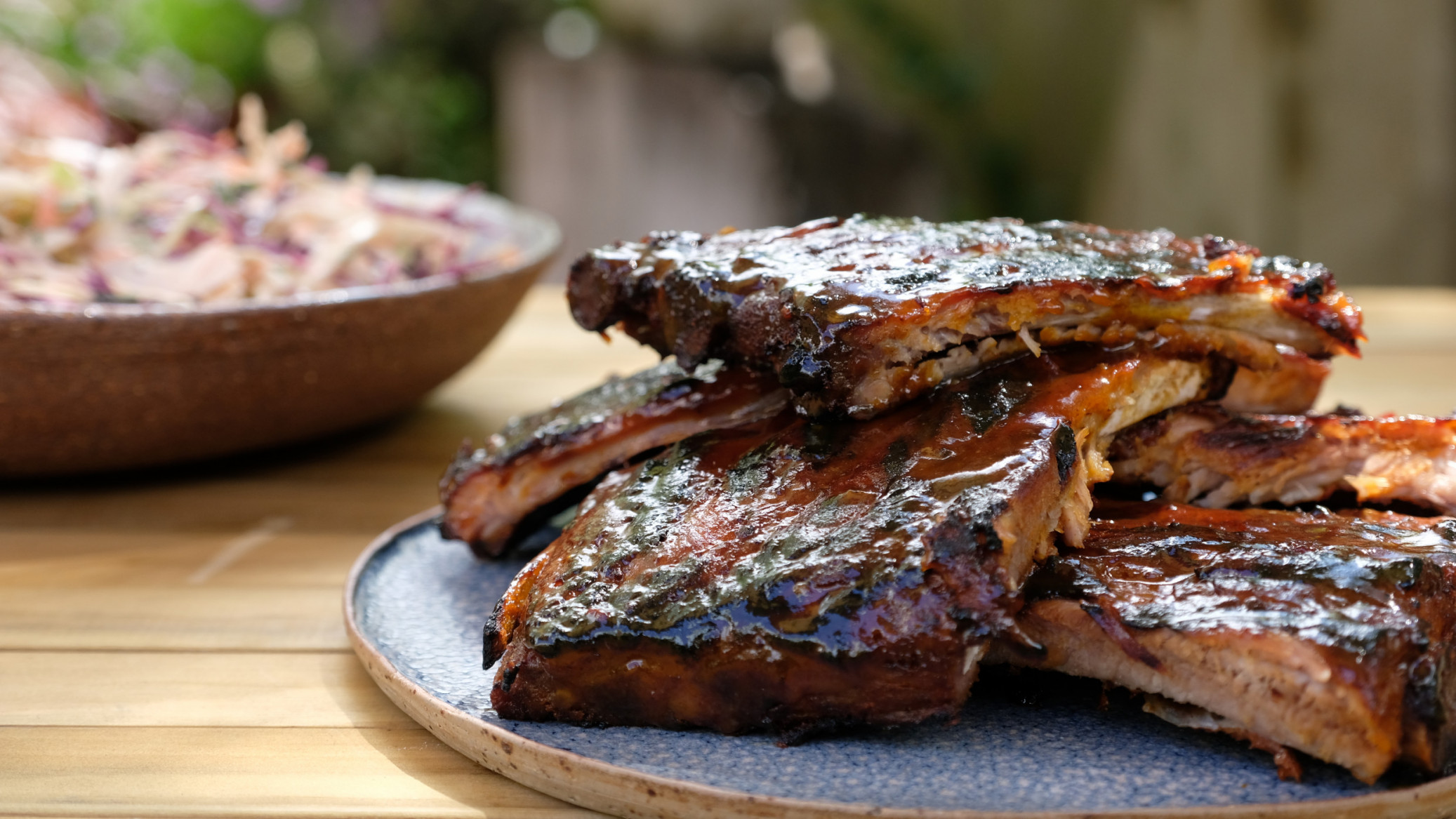
In BBQ, the "chewy secret" is the transformation of collagen into gelatin. During a long smoke, the tough connective tissues in brisket or pork shoulder melt. If cooked too quickly, the meat is tough; if cooked too long, it becomes mushy. The "unbeaten" sweet spot is a texture that is tender enough to pull apart but retains a satisfying, chewy resistance—often found in the "bark" or the exterior crust of the meat.
Common Mistakes When Seeking the Perfect "Chew"
While pursuing these "chewy secrets," many home cooks fall into common traps that Adam Richman has cautioned against in various interviews and segments:
- Overworking the Dough (in Sweets): While bread needs gluten, cookies do not. Overmixing cookie dough after adding flour results in a tough, bread-like texture rather than a soft chew.
- Using the Wrong Flour: All-purpose flour lacks the protein necessary for a chewy bagel or pizza. You cannot achieve an "unbeaten" result without the structural support of high-protein bread flour.
- Inaccurate Temperature: For pizzas and breads, "chew" is often a product of the temperature differential. If your oven is too cool, the dough dries out before it sets, leading to a crunchy or hard texture instead of a chewy one.
- Skipping the Rest: Professional bakers always allow dough to rest. This "autolyse" phase allows the flour to fully hydrate and the gluten to relax, making it easier to shape and resulting in a more consistent chew.
Frequently Asked Questions
What does Adam Richman mean by "mouthfeel"?
Mouthfeel refers to the physical sensations produced by a particular food in the mouth. For Richman, "unbeaten eats" often have a complex mouthfeel where multiple textures—such as a crunchy crust and a chewy interior—exist simultaneously, providing a more engaging eating experience.
Why does New York water matter for chewy bagels?
It is often cited that the low mineral content (soft water) in New York City allows the gluten in bagel dough to remain more elastic. While some debate the scientific impact, Richman and many New York bakers insist it is a "secret" ingredient that makes the city's bagels unbeatable.
Can I make "unbeaten" chewy pizza in a standard home oven?
A standard oven usually caps at 500-550°F, which is lower than professional pizza ovens. To replicate the "chewy secret" at home, you should use a pizza steel or stone and preheat it for at least an hour to maximize thermal mass and mimic the quick-set of a commercial oven.
Is "chewy" the same as "tough"?
No. In the culinary world, "chewy" refers to a pleasant elasticity and moisture level. "Tough" usually implies that the food is dry, overcooked, or has poorly managed connective tissue/gluten.
What is the most "unbeatable" chewy food Adam Richman has ever featured?
While subjective, Richman often returns to the New York Bagel and Texas BBQ Burnt Ends as the pinnacle of chewy textures. Both require highly specialized, time-intensive processes to master.
Implement the High-Hydration Technique
To truly apply Adam Richman's "chewy secrets," start by experimenting with high-hydration doughs in your own kitchen. Begin with a simple focaccia or pizza dough at 75% hydration (75g of water for every 100g of flour). Focus on long, cold fermentations in the refrigerator for at least 24 hours. This practice will allow you to see firsthand how time and moisture transform basic ingredients into the "unbeatable" textures seen on the Food Network. By mastering the balance between gluten strength and moisture retention, you can elevate your cooking from standard fare to the "unbeaten" category.