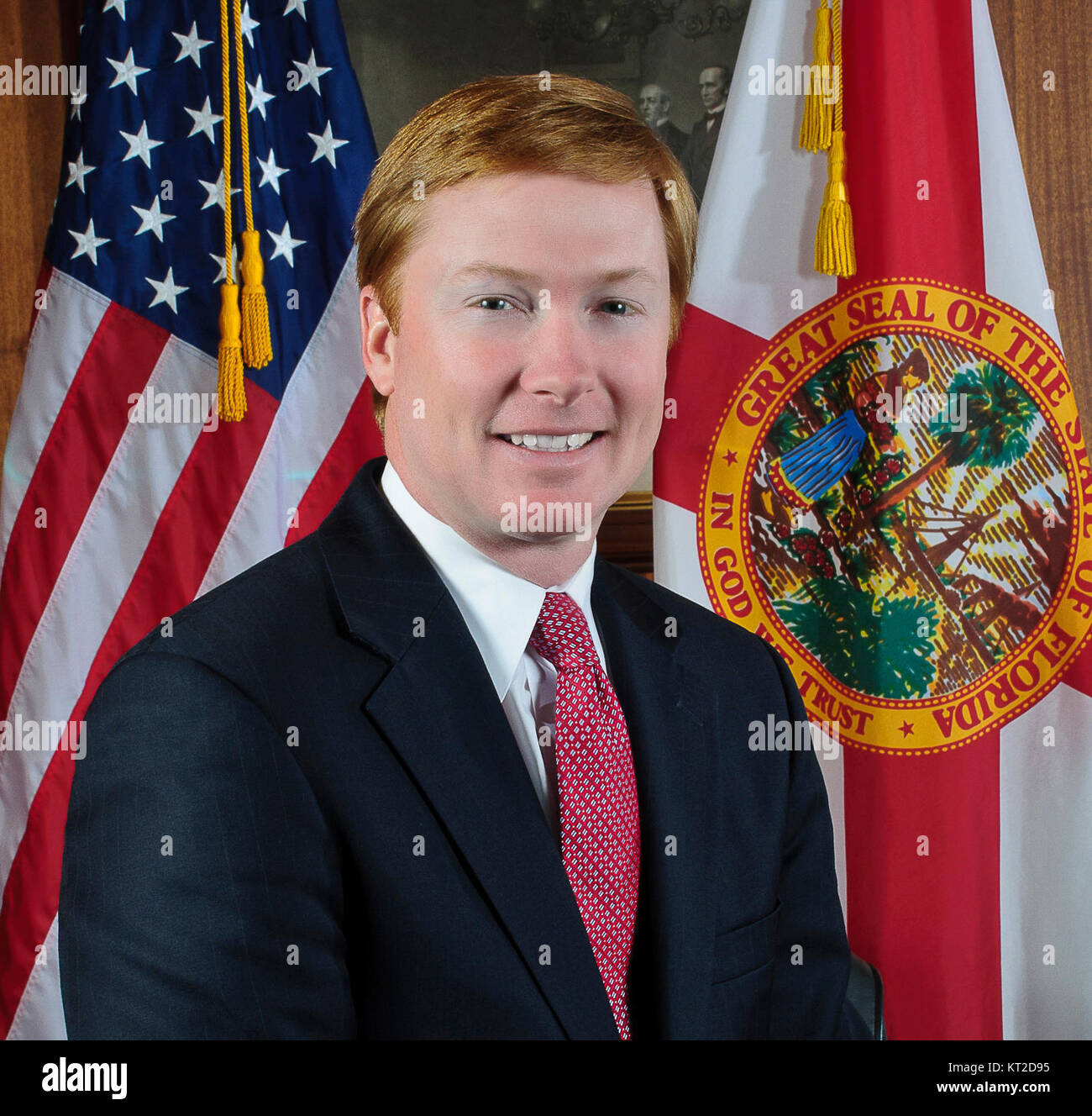
Adam Putnam is a prominent American politician and conservationist currently serving as the CEO of Ducks Unlimited. His career spans over two decades in public service, including tenures as a U.S. Congressman and Florida’s Commissioner of Agriculture. Today, he focuses on large-scale wetland restoration and environmental stewardship across North America.
Early Life and the Ascent in Florida Politics
Adam Hughes Putnam was born on July 31, 1974, in Bartow, Florida. Growing up in a fifth-generation cattle and citrus farming family, Putnam’s roots in the Florida landscape significantly influenced his later policy focuses. He attended the University of Florida, where he earned a Bachelor of Science in Food and Resource Economics. This academic background provided a technical foundation for his understanding of the complex relationship between commercial agriculture and environmental sustainability.
Putnam’s political rise was remarkably rapid. In 1996, at the age of 22, he was elected to the Florida House of Representatives. At the time, he was the youngest person ever elected to the state legislature. During his two terms in the Florida House (1996–2001), he chaired the Agriculture Committee, where he focused on property rights, water management, and the protection of Florida’s unique ecosystems. His ability to navigate the intricacies of Florida's rural-urban divide established him as a rising star within the Republican Party.
His early legislative work was characterized by a focus on the "Right to Farm" Act and efforts to balance the growing developmental pressures in Central Florida with the needs of the agricultural industry. This period of his career was essential in refining his approach to consensus-building among disparate stakeholders, a skill that would define his future roles in Washington and as a statewide executive.
Congressional Tenure and National Leadership Roles
In 2000, Putnam successfully ran for the U.S. House of Representatives, representing Florida’s 12th congressional district. When he took office in January 2001, he was the youngest member of the 107th Congress. His ten-year tenure in Washington (2001–2011) was marked by a steady climb through the Republican leadership ranks.
Putnam served on several influential committees, most notably the House Committee on Agriculture and the House Committee on Financial Services. His work on the 2002 and 2008 Farm Bills was particularly significant, as he advocated for specialty crop producers—such as those in the citrus and vegetable industries—who had historically received less federal support than "program" crops like corn or wheat.
By 2006, Putnam’s colleagues elected him as the Chairman of the House Republican Conference, the third-highest-ranking position in the House GOP leadership. In this role, he was responsible for the party's communication strategy and policy messaging. However, following the 2008 elections, Putnam chose to step down from leadership to focus more on his home state, eventually deciding to return to Florida to run for the Commissioner of Agriculture. This move was seen by many political analysts as a strategic "pivot" back to executive governance, where he could exert more direct influence over the issues most critical to his background.
Florida Commissioner of Agriculture and Consumer Services
Elected in 2010 and re-elected in 2014, Adam Putnam served as Florida’s Commissioner of Agriculture from 2011 to 2019. This role in Florida is unique; the Commissioner of Agriculture is a member of the Florida Cabinet, sharing executive power with the Governor, Attorney General, and Chief Financial Officer. The Florida Department of Agriculture and Consumer Services (FDACS) oversees a vast array of responsibilities, ranging from food safety and consumer protection to the management of state forests and the regulation of the firearms licensing process.
Under Putnam’s leadership, FDACS launched the "Fresh from Florida" marketing campaign, which successfully increased the domestic and international visibility of Florida-grown products. More technically, he had to manage the devastating impact of Citrus Greening (Huanglongbing or HLB), a bacterial disease that threatened to collapse the state's multi-billion dollar citrus industry. Putnam championed increased funding for research into disease-resistant rootstock and helped coordinate a unified response between federal agencies and state growers.
His tenure also focused heavily on water policy. He advocated for the implementation of "Best Management Practices" (BMPs) for farmers to reduce nutrient runoff into the Everglades and other sensitive watersheds. By 2026, many of these BMPs remain the standard for how agricultural entities interact with state environmental regulations.
Key Milestones and Responsibilities
| Role | Tenure | Primary Focus Area | Major Achievement/Impact |
|---|---|---|---|
| State Representative | 1996–2001 | Local Ag & Property Rights | Youngest person elected to FL House |
| U.S. Congressman | 2001–2011 | Federal Ag Policy & Leadership | Chairman of the House Republican Conference |
| Commissioner of Agriculture | 2011–2019 | Executive Governance & Water | Modernized "Fresh from Florida" branding |
| CEO, Ducks Unlimited | 2019–Present | Wetland Conservation | Launched "Rescue Our Wetlands" initiatives |
The 2018 Gubernatorial Campaign and Transition
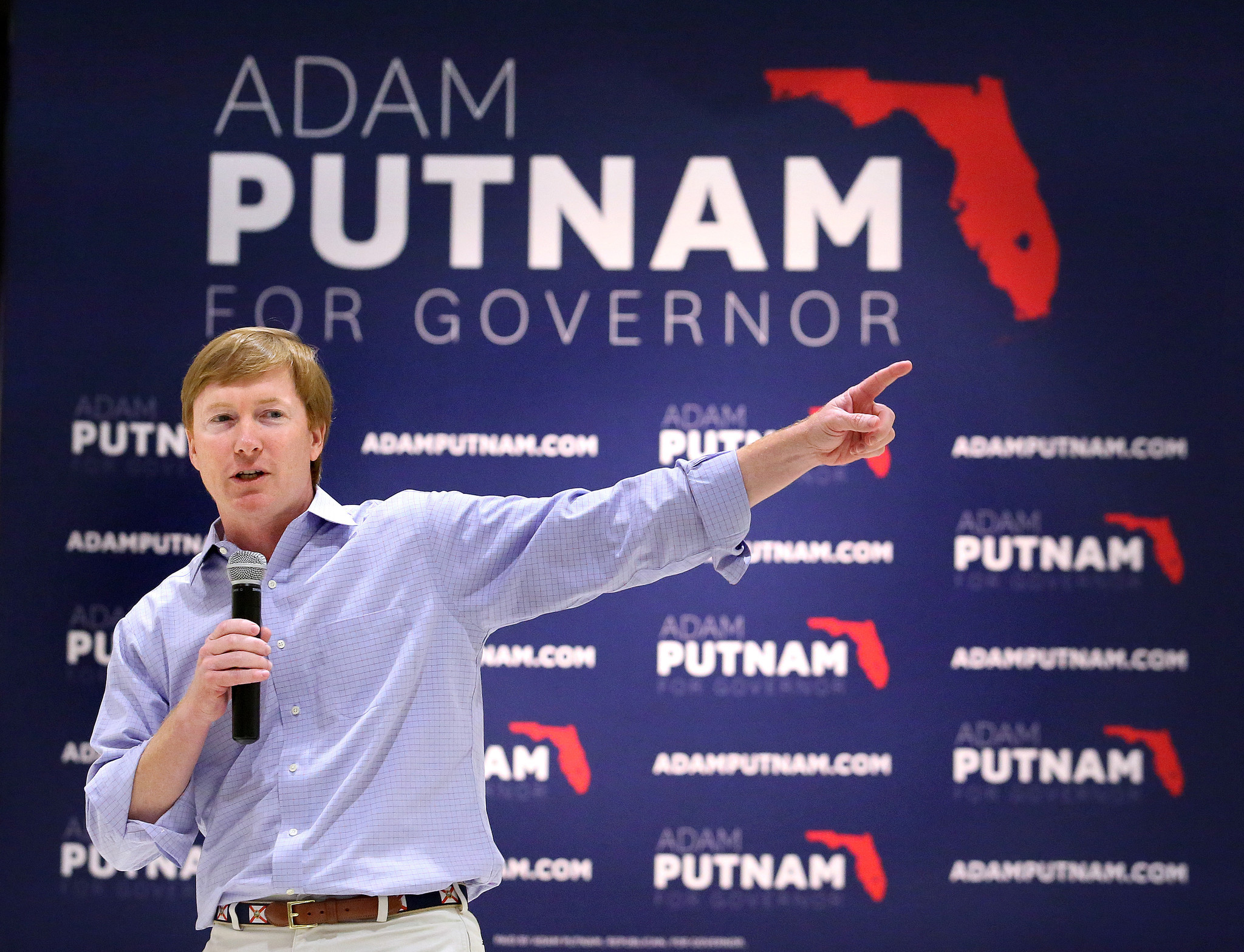
In 2018, Putnam entered the race for Governor of Florida. For much of the early primary season, he was considered the frontrunner, boasting a significant fundraising advantage and endorsements from the majority of Florida’s established political and agricultural organizations. However, the political landscape shifted dramatically when President Donald Trump endorsed then-Congressman Ron DeSantis.
The ensuing primary was a study in the changing dynamics of the Republican Party. Despite Putnam's deep state-level experience and policy expertise, the momentum shifted toward DeSantis. Putnam lost the Republican primary in August 2018. While this marked the end of his career in elected office to date, it facilitated his transition into a different kind of leadership.
The loss allowed Putnam to distance himself from the increasingly polarized world of partisan politics and return to his primary passion: the intersection of land management and conservation. This transition was finalized in April 2019, when he was named the CEO of Ducks Unlimited.
CEO of Ducks Unlimited: A New Chapter in Conservation
Ducks Unlimited (DU) is the world's largest non-profit organization dedicated to conserving North America's continually disappearing waterfowl habitats. Since taking the helm in 2019, Putnam has oversaw a massive expansion of the organization's conservation footprint. By 2026, his leadership has been characterized by a pragmatic approach to environmentalism—one that views farmers, ranchers, and private landowners as essential partners rather than adversaries.
Under Putnam, DU has significantly increased its focus on "working lands." This involves collaborating with agricultural producers to implement conservation easements and restoration projects that allow land to remain productive while providing critical habitat for migratory birds and improving water quality.
His background in government has also been an asset in securing funding through the North American Wetlands Conservation Act (NAWCA) and various Farm Bill conservation titles. Putnam has often argued that "wetlands are nature’s kidneys," emphasizing their role in carbon sequestration and flood mitigation, which has broadened the organization's appeal to include climate-conscious donors and corporations.
Policy Stances and Lasting Influence on Florida Agriculture
Adam Putnam’s influence on policy remains evident in Florida’s current legislative framework regarding natural resources. He was an early proponent of the "Florida Forever" program, which uses state funds to purchase and protect environmentally sensitive lands.
His philosophy on water management—often referred to as the "middle way"—rejected the notion that economic growth and environmental protection are mutually exclusive. He pushed for "sector-based" water allocations, ensuring that both the burgeoning urban populations of Florida and the essential agricultural sectors had predictable access to water resources. This technical approach to water law helped mitigate the "water wars" between Florida, Georgia, and Alabama.
In the realm of consumer services, Putnam modernized the state's response to telemarketing fraud and credit card "skimmers" at gas pumps. While often overshadowed by his agricultural and environmental work, these efforts significantly increased the consumer protection capabilities of FDACS, creating a blueprint for other states to follow.
Challenges and Administrative Scrutiny
No career in high-level public service is without controversy. During his final years as Commissioner of Agriculture, Putnam faced significant scrutiny regarding the oversight of Florida’s concealed weapon permit program. In 2018, it was revealed that an employee had failed to conduct certain background checks for a period of several months.
Putnam's administration took corrective action, including the firing of the responsible employee and the implementation of new auditing protocols. However, the incident became a major talking point during the 2018 gubernatorial race, with critics questioning the administrative oversight of the department. Putnam defended the department’s overall record, noting that millions of permits were processed correctly and that the failure was an isolated administrative error that was caught and fixed by internal safeguards.
This period underscored the difficulties of managing a state agency with such a diverse and high-stakes set of responsibilities. It remains a point of reference for those analyzing his executive record, serving as a reminder of the complexities inherent in large-scale government administration.
Frequently Asked Questions
What is Adam Putnam’s current role in 2026?
Adam Putnam is the Chief Executive Officer (CEO) of Ducks Unlimited. He has held this position since April 2019. In this role, he oversees the organization's strategic vision, fundraising, and conservation efforts across the United States, Canada, and Mexico.
Did Adam Putnam serve in the U.S. military?
No, Adam Putnam did not serve in the military. His career has been dedicated to public service through elected legislative and executive offices, as well as leadership in non-profit conservation organizations.
What happened to the Putnam family farm?
The Putnam family continues to be involved in the citrus and cattle industries in Florida. While Adam Putnam transitioned into full-time leadership at Ducks Unlimited, the family business, Putnam Groves, remains a staple of the Central Florida agricultural community, though it has faced the same challenges as other Florida growers regarding citrus greening and land development.
What were Adam Putnam’s major contributions to the Farm Bill?
During his time in Congress, Putnam was a vocal advocate for the "Specialty Crop" industry. He worked to ensure that the 2002 and 2008 Farm Bills included provisions for research, marketing, and pest-management funding for fruits, vegetables, and nuts, which had previously been secondary to major commodities like corn, soy, and wheat.
Does Adam Putnam plan to run for political office again?
As of 2026, Putnam has not announced any plans to return to elective politics. He has expressed deep satisfaction with his work at Ducks Unlimited, often stating that he is able to achieve more tangible conservation results in the private non-profit sector than in the current polarized political environment.
Strategic Directions for Conservation and Leadership
For individuals looking to understand the intersection of policy and land management, Adam Putnam’s career offers a comprehensive case study. His path suggests that the most effective conservation strategies are those that integrate economic realities with ecological needs.
If you are a landowner or a conservation enthusiast, the "Working Lands" model promoted by Putnam at Ducks Unlimited is a primary avenue for impact. Engaging with local conservation districts and exploring federal easements through the USDA can provide both financial and environmental benefits. Putnam’s legacy reinforces the idea that stewardship is a shared responsibility, requiring a deep technical understanding of the land and a willingness to work across the aisle—whether that aisle is in a state capitol or between a farm and a wetland.