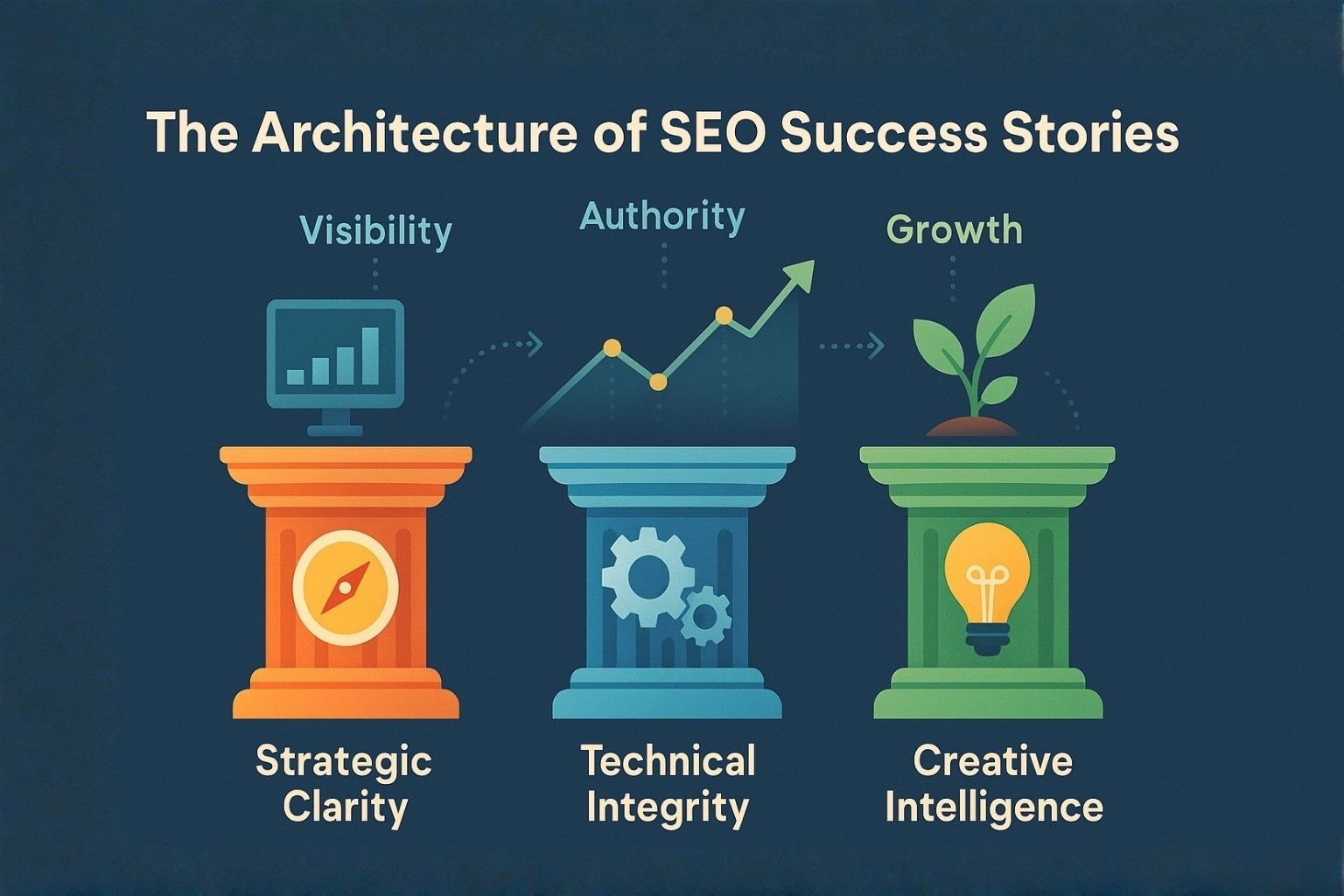
The SEO success of Adam and Patrick Perkins is rooted in a strategic fusion of technical infrastructure and content-driven authority. By leveraging specialized knowledge in site architecture, internal linking structures, and high-relevancy keyword mapping, the brothers established a repeatable framework for scaling organic search performance that prioritizes long-term sustainable growth over ephemeral algorithm hacks.
The Foundation of Technical SEO Architecture
For the Perkins brothers, success in search engine optimization has never been about arbitrary ranking factors, but rather the systematic optimization of how search engine crawlers interact with a website. At the core of their methodology is the rigorous management of crawl budget and site hierarchy.
A website’s structure acts as the skeleton for its search performance. Adam and Patrick focus on the "crawl path," ensuring that the most critical pages—those driving high-intent traffic—are within the fewest number of clicks from the homepage. By flattening the architecture, they reduce the technical friction search engine spiders encounter, ensuring that link equity, or "PageRank," flows efficiently to high-value landing pages rather than being diluted by bloated, low-utility directory structures.
Their approach involves meticulous auditing of XML sitemaps, canonical tags, and robots.txt files. By eliminating duplicate content issues through standardizing URL parameters and implementing strict canonicalization, they prevent the dissipation of indexability. This technical rigor ensures that when they deploy content, it is indexed and ranked with minimal latency, providing a stable baseline for all subsequent content marketing efforts.
Strategic Keyword Mapping and Intent Analysis
Beyond the technical plumbing of a site, the Perkins methodology emphasizes the alignment of content with specific search intents. They operate under the premise that understanding the "why" behind a user's search is more predictive of success than targeting search volume alone.
Their process involves a distinct categorization of intent:
- Informational Intent: Solving a specific question or defining a concept to build top-of-funnel authority.
- Transactional Intent: Targeting users ready to perform an action, such as signing up for a service or making a purchase.
- Navigational Intent: Directing users who are specifically searching for the brand or a known entity.
By mapping content clusters to these intents, they create an ecosystem where informational pieces support transactional pages through strategic internal linking. This "topic cluster" model enables a site to build topical authority across a domain. When a user lands on an informational guide written by the brothers, they are seamlessly guided toward the relevant service or product page, effectively shortening the conversion cycle.
Balancing Content Velocity with Quality Control
A frequent pitfall in SEO is the reliance on content volume without regard for utility. The brothers focus on high-utility assets—content that serves a functional purpose for the reader rather than simply satisfying a word count requirement.
In their execution, every piece of content must undergo a vetting process to ensure it provides original value or addresses a specific gap in the current search results. By analyzing the "SERP landscape"—the combination of snippets, maps, and organic results for a given query—they determine what type of content is required to win. If the top results are listicles, they produce comprehensive, data-backed guides. If the top results are superficial, they focus on long-form, evergreen tutorials.
Comparative Analysis of SEO Approaches
| Strategy Element | Traditional SEO Approach | The Perkins Methodology |
|---|---|---|
| Site Structure | Deep, hierarchical categories | Flattened for optimal crawl path |
| Keyword Focus | Volume-driven, short-tail | Intent-driven, long-tail clusters |
| Content Goal | High volume, frequent updates | High utility, evergreen assets |
| Backlink Strategy | Arbitrary link building | Authority-based, earned mentions |
The Role of Authority and Trust Signals
While technical and content foundations are critical, the Perkins model places significant weight on "E-E-A-T" (Experience, Expertise, Authoritativeness, and Trustworthiness). In 2026, search algorithms have become increasingly adept at identifying high-quality signals that distinguish authoritative sources from spam.
The brothers prioritize the development of clear, transparent author profiles and the acquisition of contextually relevant mentions across the web. This does not always manifest as traditional link-building. Instead, it involves ensuring that the brand is cited within reputable, industry-specific publications. By focusing on quality over quantity in backlink acquisition, they insulate their projects from algorithmic volatility. When a site is cited by authoritative entities within its niche, it earns a "trust badge" in the eyes of search crawlers, which serves as a defensive moat against competitors attempting to rank with lower-quality content.
Managing Ongoing Site Maintenance and Troubleshooting
An SEO project is never truly finished; it is a cycle of deployment, monitoring, and optimization. Adam and Patrick emphasize the use of diagnostic tools to identify performance dips before they impact rankings.
Key areas they monitor include:
- Core Web Vitals: Ensuring that page loading, visual stability, and interactivity scores remain within the "Good" threshold.
- Search Console Anomalies: Regularly checking for indexing errors, security issues, or sudden drops in impressions that indicate manual or algorithmic penalties.
- Internal Link Health: Removing broken links and re-optimizing anchor text to keep the internal link graph fresh and relevant.
When a drop in performance occurs, their troubleshooting process is linear and data-driven. Rather than guessing, they analyze log files and search patterns to isolate whether the issue stems from a technical change, a competitor's movement, or an external update from search engines.
Frequently Asked Questions
How does site architecture affect long-term SEO success?
Site architecture dictates how search engine crawlers discover and index your content. A well-organized structure ensures that high-value pages receive the most internal authority, which is essential for ranking highly competitive keywords. A disorganized or bloated architecture causes search engines to waste their "crawl budget" on low-quality pages, negatively impacting the site's overall visibility.
Why is intent-based keyword mapping more effective than volume?
Focusing on search intent ensures you capture users who are actually looking for what you offer, rather than users who are merely browsing. High-volume keywords are often broad and lack specificity, leading to high bounce rates and low conversion. Intent-driven mapping allows you to provide the right solution at the right moment, significantly increasing the probability of conversion.
What is the most critical factor for maintaining rankings in 2026?
Topical authority remains the most significant factor. By consistently producing high-quality content that thoroughly covers a specific subject area, you signal to search engines that your site is an expert source. This authority acts as a buffer, making your rankings more resilient to minor algorithm updates that might negatively affect competitors with thinner or less focused content.
How do the Perkins brothers handle negative SEO?
The brothers focus on building a robust, high-quality backlink profile and ensuring technical security. While "negative SEO"—the attempt by competitors to sabotage rankings—is often overstated, the best defense is a site that consistently demonstrates high E-E-A-T. By strictly adhering to best practices and monitoring their backlink profile, they effectively mitigate the risk of harmful incoming links.
Are manual links still necessary for competitive rankings?
Direct, manual link building is less effective than it was in previous years and carries significant risks. The current standard is to focus on creating "linkable assets"—content so useful that other industry authorities naturally want to cite it. This strategy creates sustainable, organic growth that aligns with modern search engine guidelines.
Next Steps for Implementing This Strategy
To replicate the success observed in the Perkins approach, start by performing a comprehensive audit of your current site architecture. Identify the top 20% of your pages that drive 80% of your traffic and ensure they are accessible within three clicks of your homepage. Once the technical foundation is secure, pivot your focus to identifying content gaps within your niche. Use a gap analysis to find questions your audience is asking that your current content does not answer, then create high-utility assets that address those specific needs. Consistency in technical maintenance and content quality will, over time, establish the authority necessary for sustainable search engine performance.