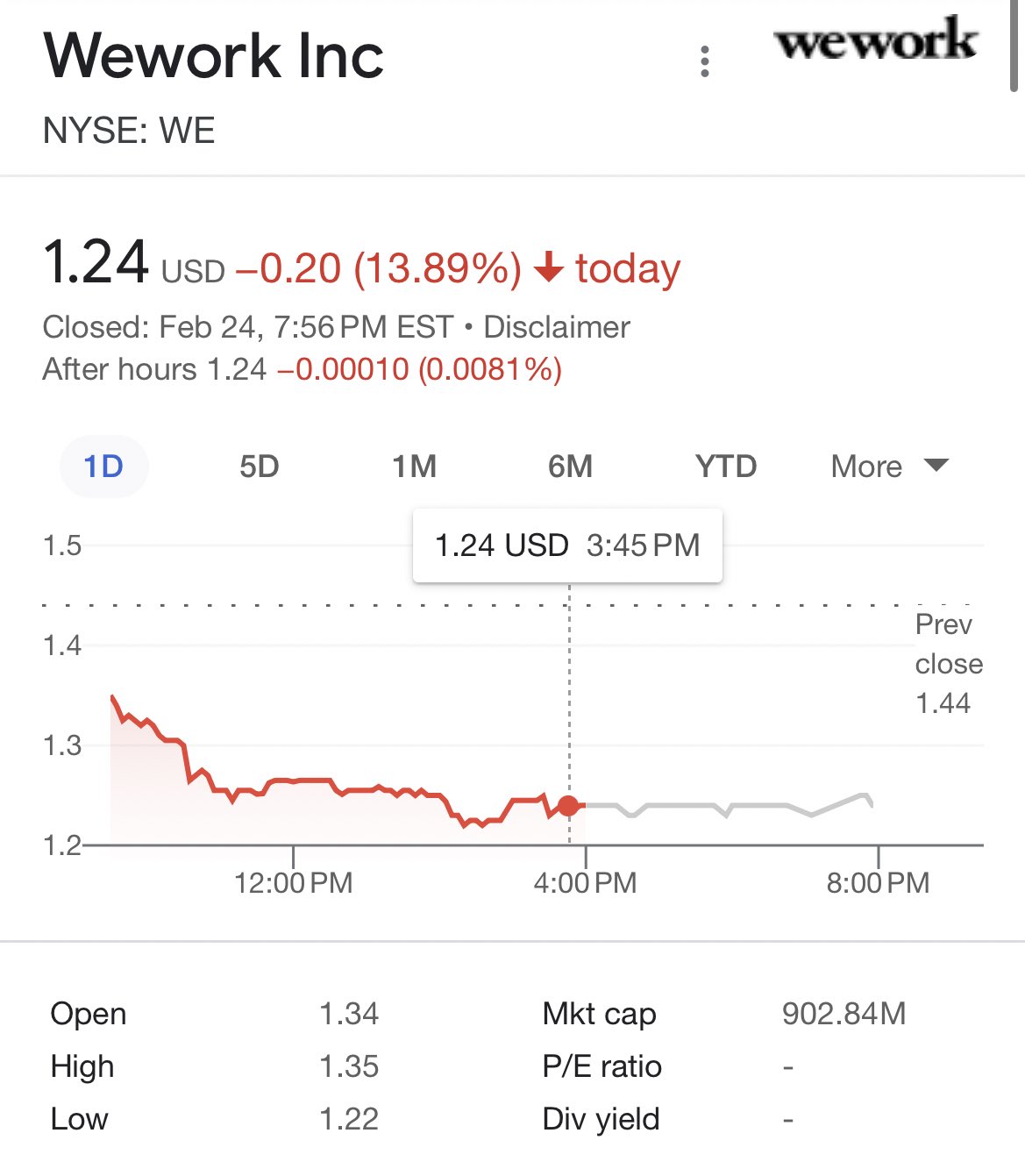
As of 2026, Adam Neumann’s net worth is estimated to be approximately $2.3 billion. This valuation is primarily derived from his significant liquidity following his departure from WeWork and his majority ownership in Flow, a residential real estate startup. While much of his current wealth remains "paper money" tied to private equity valuations, his substantial cash reserves provide a level of financial stability that eludes many startup founders.
The Evolution of Adam Neumann’s Financial Portfolio
To understand Adam Neumann's financial standing in 2026, one must look back at the unprecedented trajectory of his career. Neumann, the co-founder and former CEO of WeWork, became a symbol of the "blitzscaling" era of the 2010s. At its peak, WeWork was valued at $47 billion on paper, making Neumann a multi-billionaire before the company ever turned a profit.
Following the disastrous attempted IPO in 2019, Neumann’s net worth took a highly publicized hit. However, his exit package became legendary in the world of corporate finance. Through a series of settlements with SoftBank, Neumann managed to liquidate a significant portion of his holdings. This transition from "paper wealth" to "hard cash" is a critical distinction in his financial biography. While his reputation suffered, his bank account remained robust, allowing him to pivot to his next venture, Flow, with a massive capital advantage.
By 2026, Neumann has successfully moved beyond the shadow of WeWork. His new venture, Flow, focuses on the residential rental market, aiming to bring the "community" aspect of WeWork to the places people live. Backed by a historic $350 million investment from Andreessen Horowitz (a16z) that valued the company at $1 billion before it even launched, Flow represents the bulk of Neumann's current "paper" assets.
Understanding "Paper Money" vs. Liquid Assets in 2026
The phrase "is paper money still king" carries a double meaning in the context of Adam Neumann. In one sense, it refers to the physical fiat currency that has faced challenges from digital assets and inflation. In another, more relevant sense, it refers to "paper wealth"—the estimated value of unrealized stock options and private equity stakes.
In the startup ecosystem of 2026, the definition of "king" has shifted. For much of the last decade, paper valuations were the ultimate metric of success. Founders and VCs chased astronomical valuations (Unicorn status) because those numbers drove further investment and talent acquisition. However, the market correction of the early 2020s and the higher interest rate environment of 2026 have changed the hierarchy.
Today, liquidity and cash flow have reclaimed the throne. Adam Neumann’s wealth is a hybrid of both. He possesses the "paper" billions tied to Flow’s 2026 valuation, but he also holds hundreds of millions in diversified liquid assets—real estate holdings, family office investments, and cash from the SoftBank buyout. For Neumann, paper money is the vehicle for growth, but his liquid "king" is what provides his actual staying power.
Flow: The Foundation of Neumann’s Current Valuation
The centerpiece of Neumann’s 2026 net worth is Flow. Launched with the goal of revolutionizing the multi-family residential housing market, Flow operates thousands of apartment units across the United States. Unlike WeWork, which relied on long-term leases and short-term sub-leases (a risky mismatch), Flow owns or co-owns its physical assets.
This shift to tangible real estate is significant. In 2026, investors are more skeptical of purely digital or service-based platforms. By anchoring his net worth in physical property, Neumann has insulated his wealth against some of the volatility inherent in the tech sector. The valuation of Flow is calculated based on:
- Asset Value: The current market price of the residential buildings under the Flow umbrella.
- Brand Equity: The premium investors are willing to pay for Neumann’s ability to scale community-driven models.
- Revenue Multiples: The projected income from rent, amenities, and managed services.
While Flow is still a private entity in 2026, secondary market trades of its shares suggest a valuation that has grown steadily since its 2022 inception. Neumann’s majority stake in this multibillion-dollar entity is the primary driver of his billionaire status.
Comparative Analysis: WeWork vs. Flow (2026 Status)
The following table compares the two major pillars of Neumann’s career to illustrate how his wealth has transformed from speculative "paper" to asset-backed valuation.
| Feature | WeWork (Peak 2019) | Flow (Current 2026) |
|---|---|---|
| Primary Asset Type | Commercial Leaseholds | Residential Real Estate Ownership |
| Peak Paper Valuation | $47 Billion | $4.2 Billion (Est.) |
| Neumann's Stake | ~13% (with high voting rights) | ~65-70% |
| Revenue Model | Desk Subscriptions | Residential Rent & Services |
| Investor Sentiment | Speculative/Hyper-growth | Stability/Community-centric |
| Actual Liquidity | Low (pre-settlement) | High (post-SoftBank exit) |
The SoftBank Settlement: The Bedrock of His Liquidity
One cannot discuss Adam Neumann’s net worth without detailing the massive cash infusion he received during his departure from WeWork. Despite the company's valuation plummeting, Neumann negotiated a settlement that secured his financial future.
This package included:
- Stock Buyback: SoftBank purchased approximately $480 million worth of Neumann’s shares.
- Settlement Fee: A $50 million cash payment as part of a legal settlement.
- Consulting Fee: While controversial and later reduced, a portion of this fee contributed to his initial post-WeWork capital.
- Credit Line: A $500 million credit facility (though this is debt, it provided massive liquidity for new investments).
In 2026, this "hard cash" has likely been reinvested through his family office, 166 2nd Financial Services. This office manages his investments in various startups and real estate projects, ensuring that even if Flow were to fail, Neumann’s net worth would remain in the billionaire range. This illustrates the "Paper vs. King" debate: his paper wealth makes the headlines, but his cash settlements made him untouchable.
Is Paper Wealth Still the Dominant Metric in 2026?
As we navigate the financial landscape of 2026, the "Paper Money" question is more relevant than ever. In the venture capital world, a "paper" valuation is often seen as a vanity metric. Many founders who were billionaires on paper in 2021 found themselves with nothing when their companies failed to reach profitability or an IPO.
Neumann is an outlier because he managed to convert his paper wealth into real assets before the window closed. In 2026, the market rewards sustainable EBITDA (Earnings Before Interest, Taxes, Depreciation, and Amortization) over "growth at all costs." Consequently, the paper valuation of companies like Flow is scrutinized more heavily than WeWork's ever was.
If "Paper Money" is defined as speculative valuation, it is no longer king. The new "king" is Realized Value. Investors now demand a clear path to liquidity. Neumann’s ability to maintain a $2.3 billion net worth in this environment suggests that Flow is either performing well or that his personal diversification strategy was exceptionally well-executed.
The Impact of Interest Rates and Inflation on Neumann’s Wealth
Because a large portion of Neumann’s 2026 wealth is tied to real estate (via Flow), he is highly sensitive to macroeconomic shifts. The interest rate environment of 2026 has a dual impact:
- Cap Rates: Higher interest rates generally lead to higher capitalization rates, which can lower the paper value of real estate assets.
- Debt Servicing: If Flow’s property acquisitions were financed with floating-rate debt, the cost of capital could eat into profits.
However, inflation often benefits real estate owners. As rents rise across major urban centers, the value of the income stream from Flow’s properties increases. Neumann has strategically positioned Flow in "sunbelt" cities and high-growth hubs where housing demand remains inelastic. This suggests that his "paper" real estate wealth is more resilient than the "paper" tech wealth of the previous decade.
FAQ
How did Adam Neumann get so much money from WeWork?
Neumann's wealth from WeWork came through a combination of early secondary share sales and a massive exit package negotiated with SoftBank. When SoftBank needed to take full control of WeWork to save it from bankruptcy, Neumann used his majority voting control as leverage to secure a buyout of his shares and a lucrative settlement agreement.
What is Adam Neumann’s current project, Flow?
Flow is a residential real estate company launched by Neumann in 2022. It aims to transform the rental housing market by creating community-centric living spaces where tenants feel a sense of ownership and connection. In 2026, it is one of the largest private owners of apartments in the United States, backed by significant venture capital from Andreessen Horowitz.
Is Adam Neumann still a billionaire in 2026?
Yes, as of 2026, Adam Neumann remains a billionaire. His net worth is estimated at $2.3 billion, supported by the valuation of his company Flow and the significant cash reserves he retained after leaving WeWork.
What happened to the $47 billion valuation of WeWork?
The $47 billion valuation was a "paper" valuation set by SoftBank in early 2019. It was based on private investment rounds, not public market demand. When WeWork attempted to go public, investors rejected the valuation due to the company’s massive losses and governance issues. WeWork eventually went through bankruptcy and restructuring, wiping out that original paper valuation.
Does Adam Neumann own physical real estate outside of Flow?
Yes, Neumann has a significant personal portfolio of luxury real estate, including estates in New York, California, and Florida. These personal assets are part of his diversified net worth and are separate from the commercial properties managed by Flow.
Navigating the Shift from Valuation to Liquidity
For investors and entrepreneurs looking at the Adam Neumann story in 2026, the primary lesson is the importance of liquidity over leverage. While "paper money" (valuation) can be used to build empires, it is the conversion of that value into "hard money" (cash and assets) that ensures long-term survival.
If you are evaluating your own net worth or investment strategy in 2026, prioritize assets with inherent value and cash-flow potential. Avoid over-weighting your portfolio with speculative "paper" gains that depend on the next round of funding. In the current economic climate, the true "king" is not the number on a fundraising slide, but the ability to weather market volatility with liquid reserves.