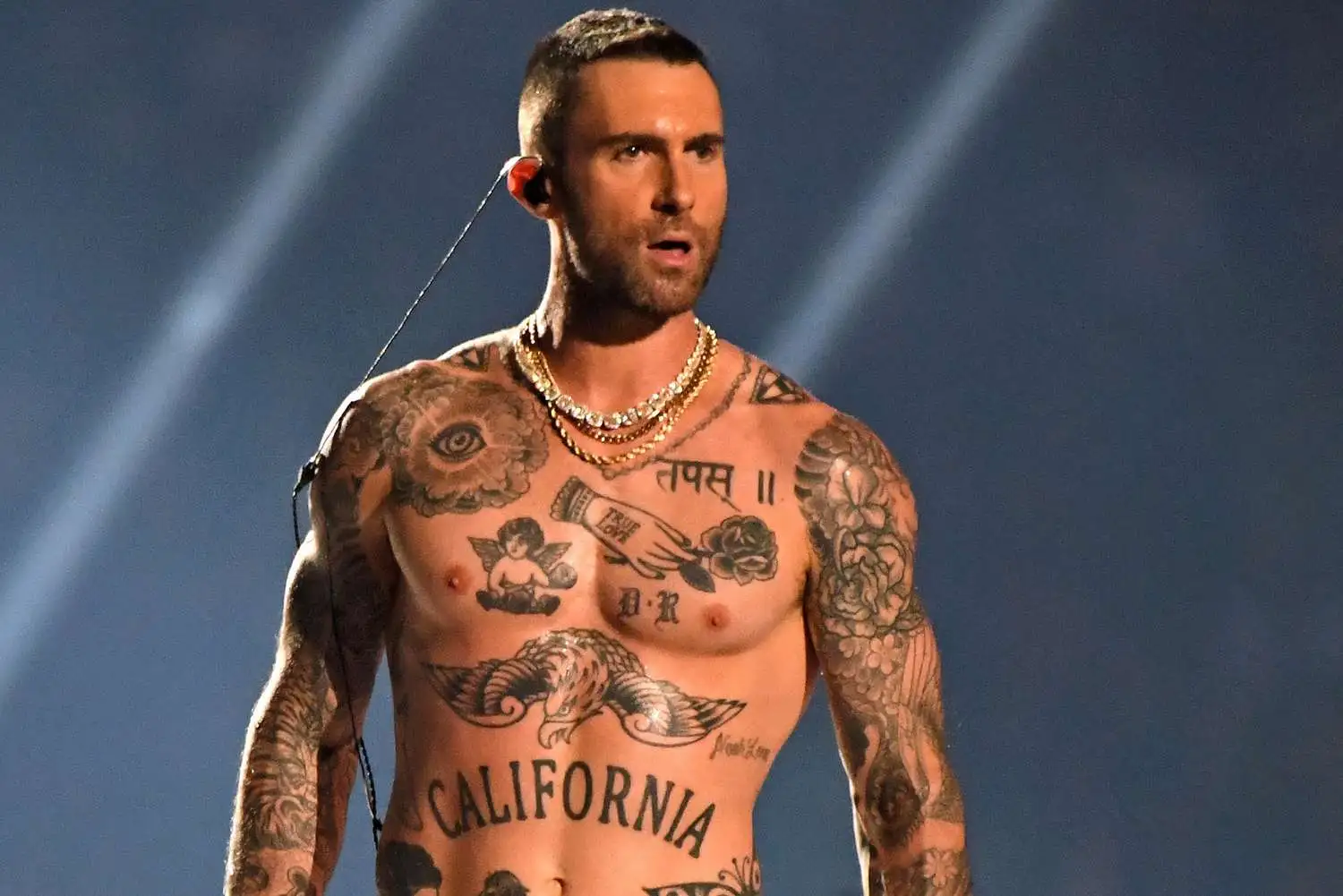
Adam Levine’s financial standing as of 2024 reflects his transition from a prolific touring rock musician to a diversified media mogul. While Forbes does not maintain a real-time, public-facing ledger of his personal net worth, financial analysis of his long-term tenure on The Voice, recurring global tours with Maroon 5, and high-value real estate investments places his estimated net worth in the range of $160 million to $180 million.
The Foundation of Wealth: Maroon 5 and Global Touring
The primary engine of Adam Levine’s wealth is the sustained, multi-decade success of his band, Maroon 5. Unlike artists who experience fleeting commercial peaks, Levine secured longevity through a blend of pop-rock songwriting and strategic collaborations. Since the release of Songs About Jane in 2002, the band has consistently remained one of the highest-grossing touring acts in the world.
Touring revenue is structured through ticket sales, merchandise, and premium VIP packages. Historically, Maroon 5 performances have consistently ranked among Pollstar’s top-grossing tours annually. As the principal songwriter, lead vocalist, and owner of the band’s touring company, Levine commands a significant share of the gross revenue, which is further supplemented by lucrative publishing royalties from a catalog that includes multiple Diamond-certified singles.
Television Revenue and the 'The Voice' Effect
From 2011 to 2019, Levine served as a coach on NBC’s The Voice. This role fundamentally altered his earning capacity and public profile. According to industry reports from the period, Levine’s salary escalated from approximately $6 million per season in his early years to a reported $30 million per season during his final contracts.
This career shift provided a consistent, high-eight-figure annual income that allowed him to diversify his portfolio outside of the volatile music industry. Even following his departure from the show, the residual value of his brand—built over 16 seasons of primetime television—enhanced his ability to secure high-value endorsement deals with global luxury and consumer brands, such as his long-standing partnership with L’Oreal and various automotive sponsorships.
Strategic Real Estate Portfolio Management
A significant portion of Adam Levine’s wealth is tied to high-end real estate. His strategy involves acquiring architecturally significant properties, renovating them, and selling them for substantial profit. This "fix-and-flip" approach in the ultra-luxury market—primarily in Southern California—has yielded tens of millions in capital gains.
Major transactions often involve properties in exclusive neighborhoods like Beverly Hills, Pacific Palisades, and Montecito. These assets serve as a hedge against inflation and a method for capital appreciation. By leveraging debt against high-value assets, Levine maintains liquidity to reinvest in new music ventures and business acquisitions while his property portfolio grows in value.
Estimated Earnings Breakdown
The following table provides a breakdown of the primary pillars contributing to Adam Levine’s total wealth accumulation as of the 2024 fiscal period.
| Revenue Stream | Primary Mechanism | Financial Contribution Level |
|---|---|---|
| Music Royalties | Streaming, Licensing, Publishing | High |
| Global Touring | Live Performance Gross Revenue | Very High |
| Television Salary | NBC's The Voice (Historical) | Significant (Basis for capital) |
| Real Estate | Luxury Property Flipping | High (Capital Gains) |
| Brand Endorsements | Partnerships and Advertising | Moderate |
Intellectual Property and Business Ventures
Beyond performance and real estate, Levine has expanded into product development and venture capital. He launched 222 Records, a label that allows him to participate in the artist development side of the music industry. Furthermore, he has invested in various consumer-facing lifestyle brands, including a premium tequila brand and fitness-related technology companies. These ventures represent a shift toward passive income streams, moving away from labor-intensive touring schedules.
Managing Financial Risk in Entertainment
The entertainment industry is notoriously cyclical, and Levine’s financial strategy has been to mitigate this risk through extreme diversification. By not relying solely on touring income—which was halted industry-wide during global health crises—he ensured that his capital remained protected through real estate and long-term publishing rights.
Investors and those tracking public figure wealth should note that "Net Worth" is not a measure of cash on hand. It is an estimate of total assets (real estate, intellectual property, bank accounts, business equity) minus total liabilities (mortgages, loans, and business operating expenses). For an artist at Levine's level, liabilities are often substantial, utilized as a financial tool to maintain high-value assets while keeping personal capital available for new investments.
Common Questions Regarding Celebrity Net Worth
How does the Forbes net worth estimate compare to other sources?
Financial outlets often use different valuation methodologies. While Forbes relies on documented revenue, property tax records, and public filings, other sources may include projections of unearned future royalties. For artists like Levine, the variance in estimates usually stems from how current market values for private real estate holdings are calculated.
Are publishing royalties a significant part of his income?
Yes. As the lead songwriter for one of the most-streamed bands in history, Levine earns substantial mechanical and performance royalties. These streams are perpetual, meaning they continue to pay out long after a song is released, providing a stable financial floor that protects him from the unpredictability of new chart success.
Did leaving 'The Voice' impact his annual income?
Leaving the show removed a guaranteed, high-salary contract, but it freed up significant time for touring and other business ventures. From a financial perspective, the loss of a fixed salary is typically offset by the increased flexibility to focus on projects with higher potential profit margins, such as private equity investments or expanding his own business entities.
How much does real estate contribute to his total wealth?
Real estate acts as a capital growth engine. By purchasing homes for $20–$40 million and performing high-end renovations, Levine captures the appreciation of the Southern California luxury market. When these properties are sold, the profit is significantly higher than the income generated by a single touring cycle, often totaling millions of dollars in a single transaction.
Practical Steps for Wealth Tracking
For those interested in understanding the financial mechanics of public figures, focusing on asset classes rather than "salary" is key. A high-net-worth individual’s wealth is usually a composition of business equity, real estate appreciation, and long-term intellectual property rights. If you are assessing the financial viability of a creative career, the most critical lesson is the importance of reinvesting performance income into appreciating assets—such as real estate or business ventures—rather than relying solely on active, labor-intensive income streams.