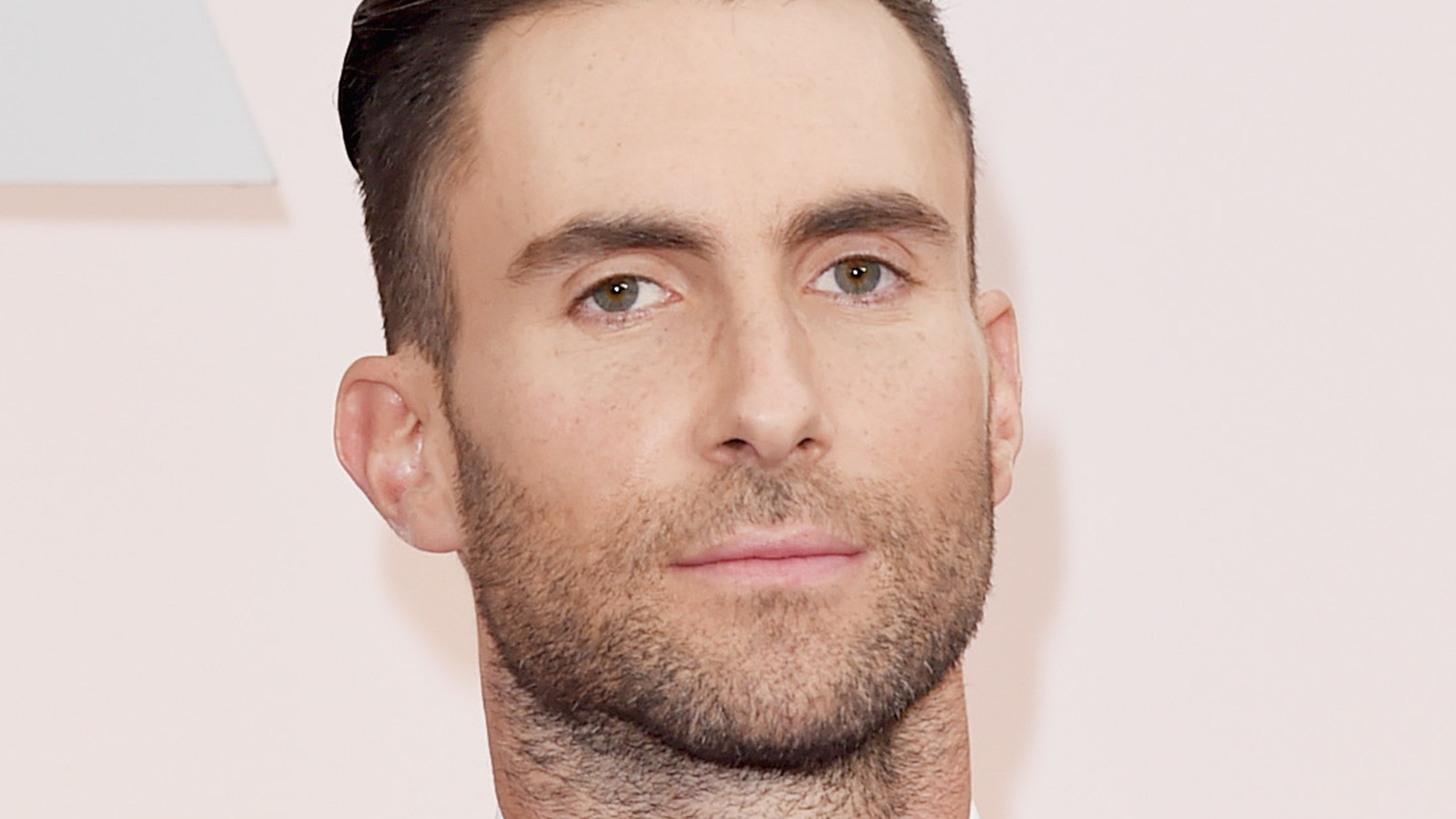
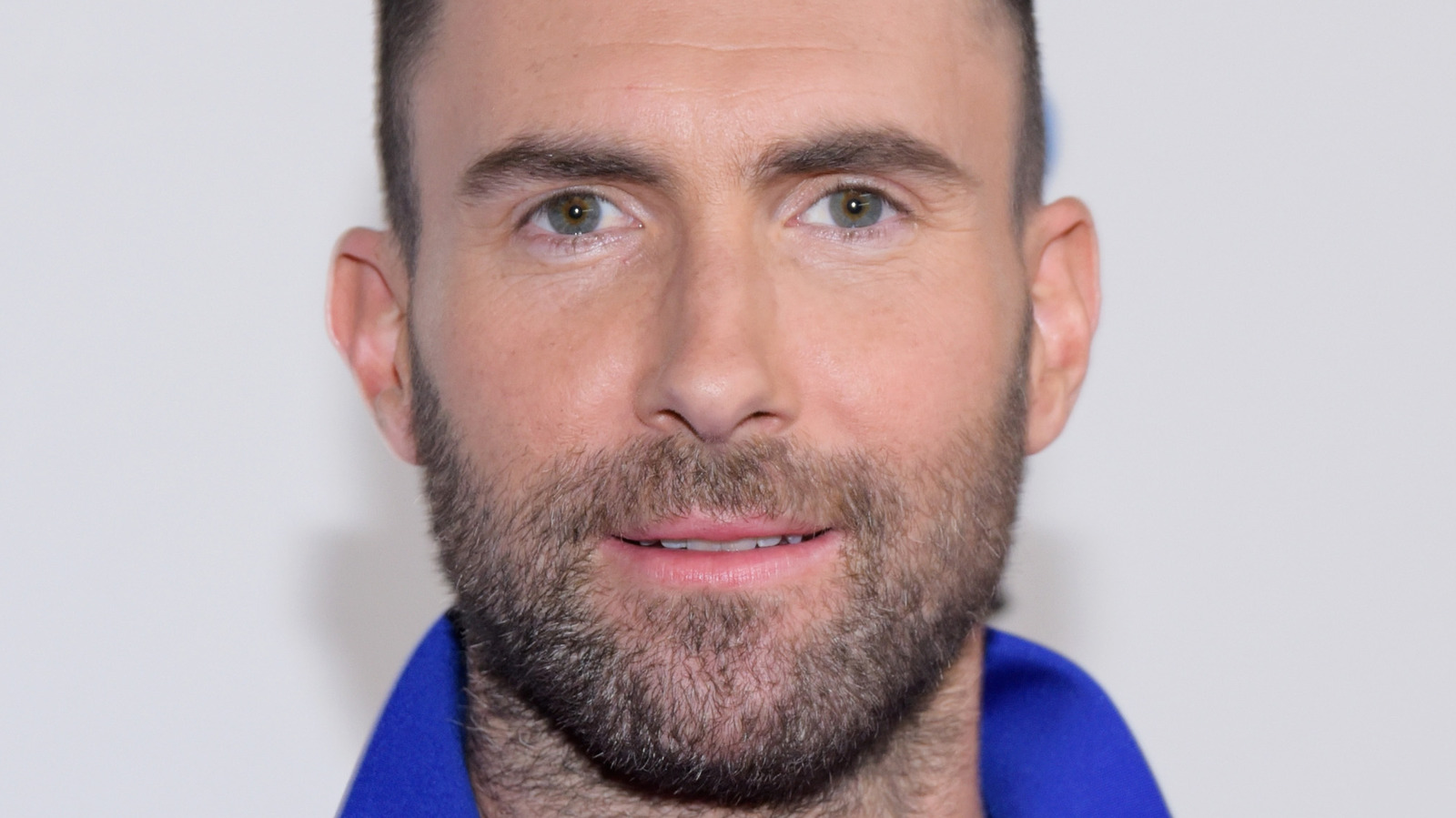
Before becoming the heavily inked global icon recognized for his sprawling chest and sleeve art, Adam Levine established his presence in the music industry with a stark, clean-cut aesthetic. During his formative years in the late 1990s and early 2000s, Levine’s image was defined by a natural, unadorned appearance that prioritized traditional rock-pop sensibilities over the highly curated, stylized presentation that characterizes his modern brand. This period serves as the essential baseline for his career, providing a window into the evolution of his public persona, stage presence, and the early artistic identity of his band, Maroon 5.
The Emergence of the Kara’s Flowers Era
Adam Levine’s initial foray into the professional music scene began under the moniker Kara’s Flowers. Formed in Los Angeles, the group signed with Reprise Records and released the album The Fourth World in 1997. At this stage of his career, Levine’s style was heavily influenced by the prevailing mid-90s alternative rock trends. His appearance was characterized by a youthful, somewhat unrefined look: longer, often unkempt hair, casual clothing such as oversized t-shirts, worn denim, and a deliberate avoidance of the polished celebrity grooming that would define his later work on The Voice.
During this era, Levine’s lack of tattoos was not a stylistic statement against body art, but rather a reflection of his developmental stage as a performer. He was focused on the technical aspects of songwriting, guitar playing, and establishing a rapport with his bandmates. The "clean" look acted as a blank slate, allowing his vocal ability and the group's garage-rock aesthetic to take center stage. There was no emphasis on physical presentation; instead, the focus remained exclusively on the raw, unfiltered energy of live performance.
Transition to the Maroon 5 Baseline
Following the commercial disappointment of The Fourth World, the band underwent a significant pivot, eventually rebranding as Maroon 5. This transition marked a crucial shift in both sound and image. As they worked on the songs that would eventually constitute their breakout album, Songs About Jane (2002), the band refined their aesthetic to match a more polished, blue-eyed soul and pop-rock sound.
In the early promotional materials for Maroon 5, Levine maintained a relatively minimalist appearance. His style became more structured, featuring slim-fit clothing and shorter, more intentional haircuts. This was the "career baseline"—a period where he was recognizable primarily by his voice and the radio-friendly hooks of his songwriting rather than his physical form. Without the distraction of tattoos, audiences focused on his charisma and the emotional vulnerability of his lyrics. This phase established the fundamental pillars of his brand: relatable, accessible, and grounded in classic pop tradition.
Evolution of Physical Presence and Brand Identity
As Maroon 5 achieved massive international success throughout the mid-2000s, the evolution of Levine’s personal image began to accelerate. The absence of tattoos during his early career allowed the eventual introduction of body art to serve as a visual narrative of his personal growth. When he did begin tattooing, the process was gradual, adding a layer of ruggedness that contrasted with his pop-star image.
The following table summarizes the key transition periods in Levine's career, highlighting the shift from his early, unadorned state to his current status.
| Career Phase | Approximate Timeframe | Primary Image Characteristic | Musical Focus |
|---|---|---|---|
| Kara’s Flowers | 1997–1999 | Grunge-adjacent, natural, long hair | Alternative Rock |
| Early Maroon 5 | 2002–2005 | Clean-cut, slim-fit, unadorned | Pop-Rock / Soul |
| Mid-Career Peak | 2007–2012 | Initial tattoos, refined grooming | Pop / Electronic Fusion |
| Modern Icon | 2013–2026 | Full sleeve art, highly stylized | Global Pop / Media Personality |
The Impact of Image on Career Longevity
Levine’s shift from an unadorned youth to a heavily tattooed celebrity is often discussed in the context of personal expression, but it serves a strategic function in his long-term career. By maintaining a clean image during his "baseline" years, he established a high level of vocal and musical credibility. When he began incorporating tattoos and a more rugged aesthetic, it did not alienate his existing fan base; instead, it signaled a maturation of his brand.
The tattoos became a form of external branding that helped him transition from a band-focused artist to a multifaceted media personality. His role as a coach on The Voice, beginning in 2011, accelerated this shift. Producers and marketers leveraged his evolving look to appeal to a wider demographic, effectively blending the "bad boy" rock aesthetic with his established reputation as a polished, professional songwriter.
Why the Early Baseline Still Matters
Understanding Levine's early image is vital for analyzing the trajectory of modern pop stars. It provides evidence that sustained success often begins with a period of aesthetic simplicity. For fans and researchers alike, the early, tattoo-free years provide a benchmark for his vocal development and songwriting philosophy before the commercial machinery of global superstardom influenced his physical brand.
It is important to note that Levine’s career did not depend on his tattoos for its initial momentum. The success of Songs About Jane was driven by organic radio play, critical acclaim, and the relatability of his early persona. The tattoos came as an additive layer, reflecting a transition toward a more individualistic and confident stage presence. For those studying the mechanics of celebrity branding, the progression from a "blank canvas" to a "decorated icon" provides a clear example of how image can evolve alongside personal success.
Common Questions Regarding Adam Levine’s Early Years
Did Adam Levine always plan to have tattoos?
There is no evidence suggesting a predetermined plan for his body art. In his early career, his focus was entirely on musical composition and establishing his band within the competitive Los Angeles club scene. The decision to begin tattooing was a personal evolution that occurred well after he had already solidified his position as a recording artist.
How did his early style influence the band's marketing?
In the late 90s and early 2000s, the band’s marketing was focused on the "authenticity" of their songwriting. By appearing in everyday clothing without flashy accessories or body art, Levine and his bandmates projected an image of accessibility. This helped them differentiate themselves from the more manufactured, hyper-stylized boy bands of the era, positioning them instead as "musician’s musicians."
What was the specific musical style of the pre-tattoo era?
During the Kara’s Flowers era, the style was rooted in 90s Britpop and alternative rock, heavily influenced by bands like Oasis and The Beatles. As he transitioned into the early years of Maroon 5, he moved toward a more refined blend of funk, R&B, and pop, a sound that prioritized vocal clarity and melodic composition over raw guitar grit.
How does his current look compare to his initial image?
His current look is far more intentional and curated, utilizing tattoos and high-fashion grooming to maintain a specific visual brand. His early look was reactive and natural, lacking the grooming rituals and stylistic choices that are now standard parts of his public profile as a high-profile celebrity and media figure.
Can his career baseline be replicated by new artists?
While the "clean" image is a standard starting point for many, the landscape of 2026 differs significantly from 1997. Today, social media presence often mandates a strong visual brand from the outset. However, the core principle remains: initial success is rarely dependent on aesthetic "extras" like tattoos; rather, it remains anchored in the consistency and quality of the musical product itself.
Recommendation for Further Research
Those interested in the specific evolution of pop music aesthetics during the early 2000s should consult the archival interviews from the Songs About Jane era, specifically his interactions with music press from 2002–2003. These resources provide the most accurate evidence of his initial career baseline, his artistic intentions, and his lack of focus on the body modification that would eventually define his visual identity in the 2010s and beyond.