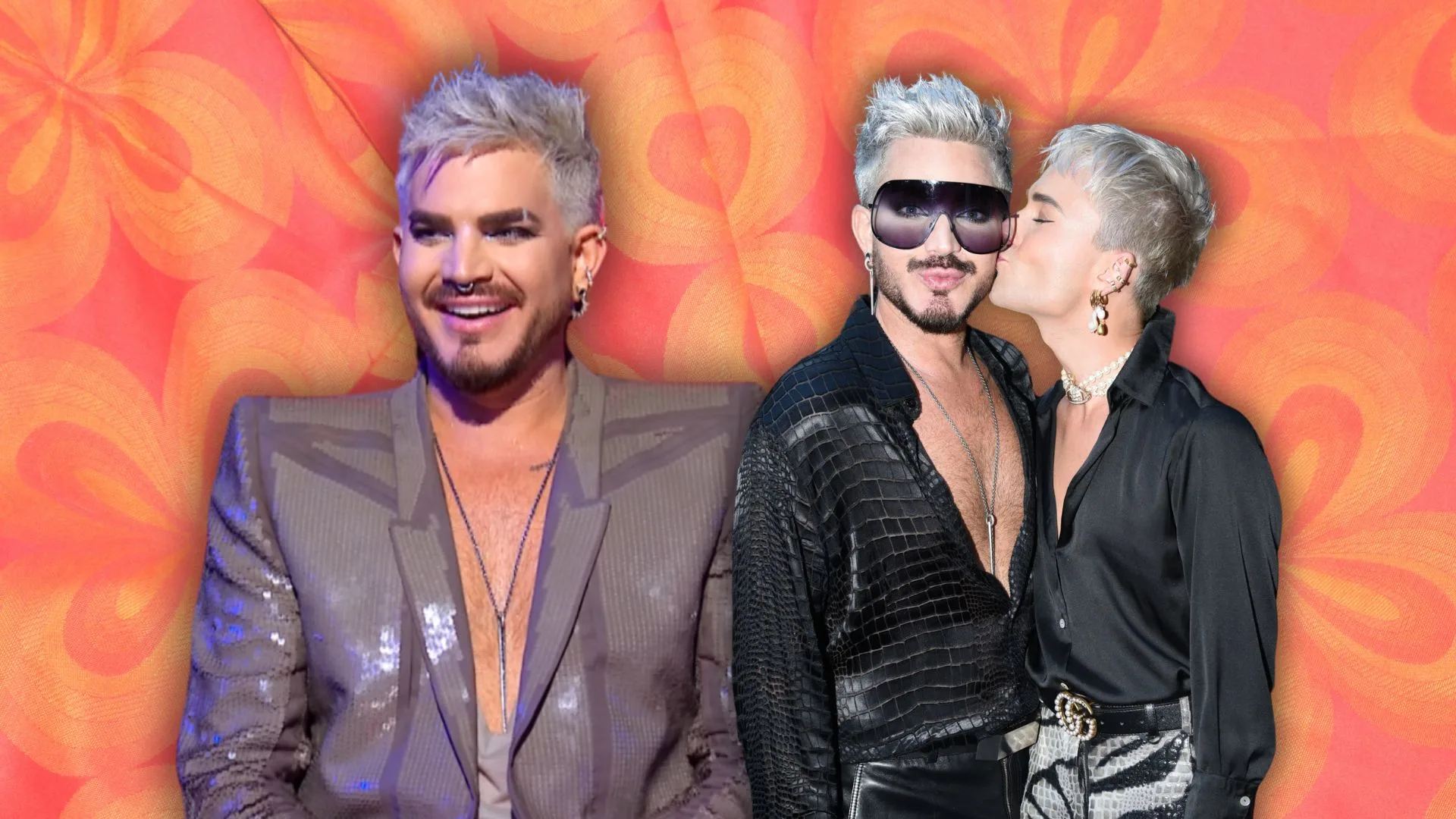
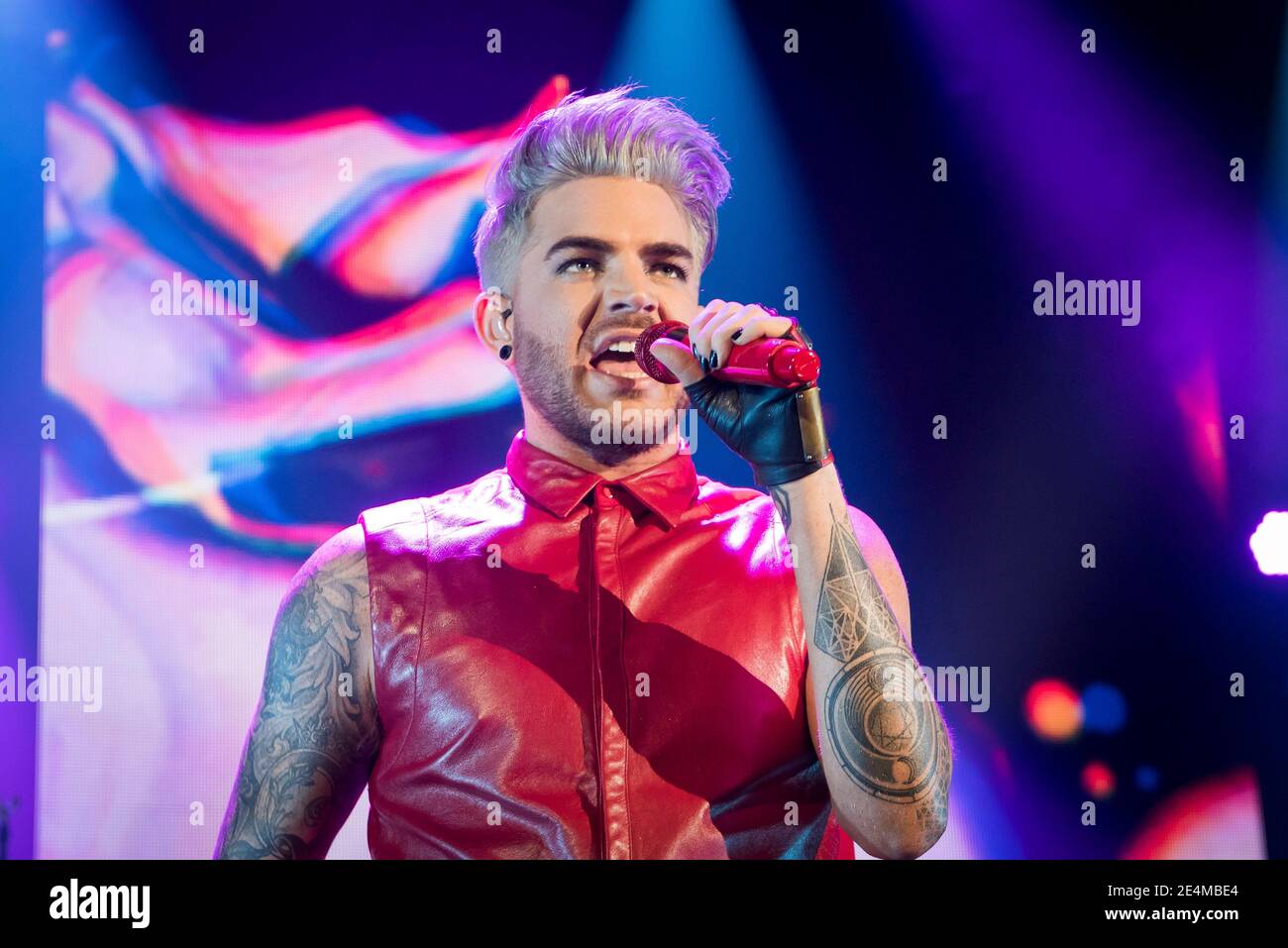
Adam Lambert earns a multi-million-dollar income through his solo music career, theatrical ventures, television appearances, and his high-profile role as the frontman for Queen + Adam Lambert. While specific per-show touring salaries are rarely publicized, financial disclosures and industry estimates place his net worth between $25 million and $35 million, driven largely by global stadium tours.
Evaluating the financial footprint of a modern rock front-man requires looking beyond a standard corporate salary. Unlike traditional employment, artists like Adam Lambert generate wealth through a complex matrix of touring revenue shares, merchandise licensing, songwriting royalties, television production fees, and independent album releases. Understanding how much the Queen star earns demands an examination of the economics behind modern arena rock, the business structure of legacy band partnerships, and the broader diversification strategies that sustain high-earning entertainers in the twenty-first century.
The Economics of Touring with Queen + Adam Lambert
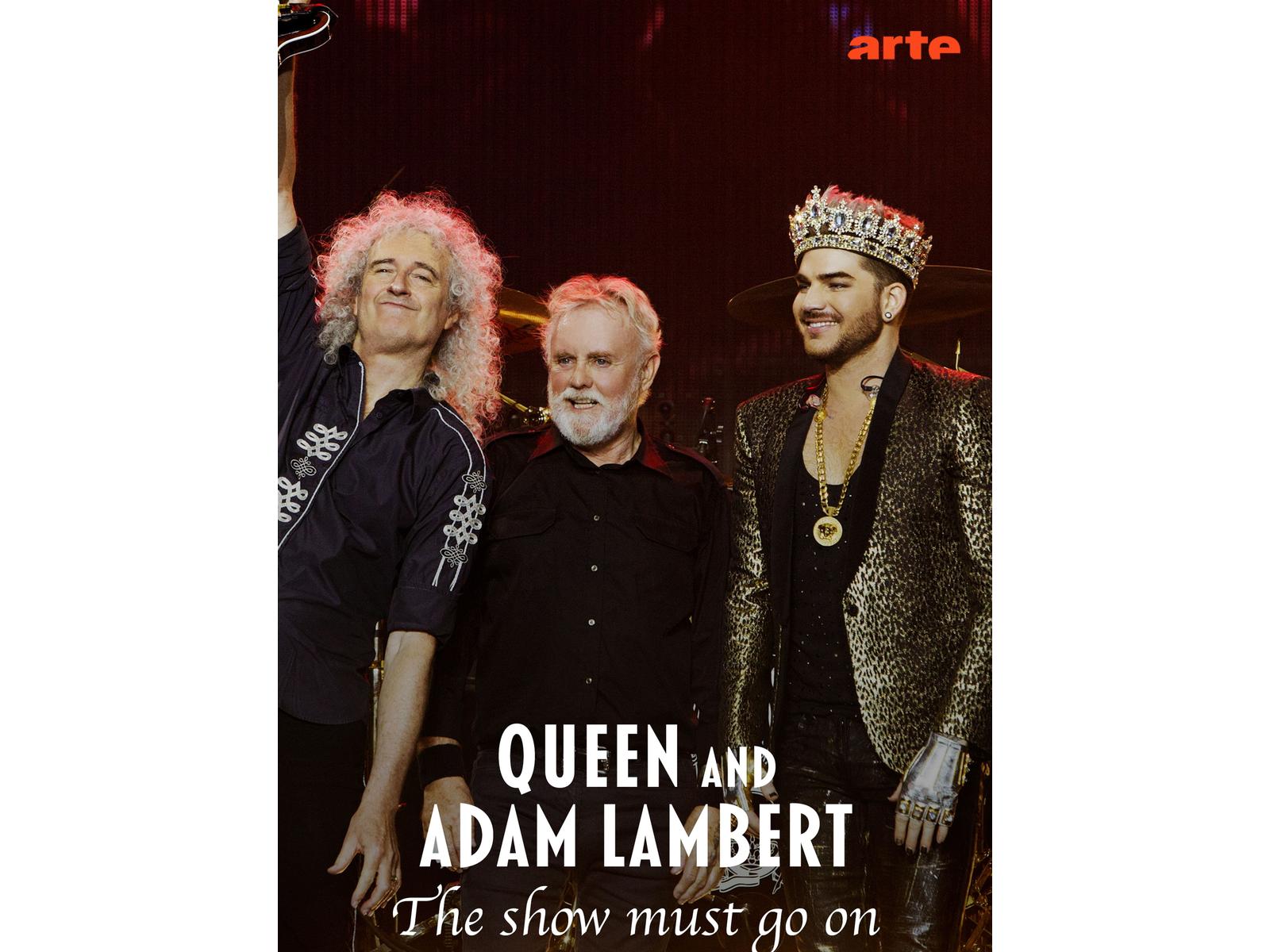
The most significant driver of Adam Lambert’s current earnings stems from his partnership with legendary rock band Queen, consisting of founding members Brian May and Roger Taylor. Since their initial collaboration on the finale of American Idol in 2009 and their subsequent official touring iterations beginning in 2012, Queen + Adam Lambert have completed numerous massive international tours, playing to sold-out arenas and stadiums across North America, Europe, Asia, and Oceania.
In the touring industry, high-profile vocalists performing with heritage legacy acts typically operate under a profit-sharing model or a lucrative guaranteed per-show fee supplemented by performance bonuses. Gross revenues for Queen + Adam Lambert tours routinely reach tens of millions of dollars per leg. For instance, trade publications like Pollstar frequently rank their global outings among the highest-grossing concert tours worldwide. While Brian May and Roger Taylor retain ownership of the Queen corporate entity, trademark, and primary catalog assets, Lambert commands a premier front-man salary and equity-adjacent touring compensation package commensurate with filling the shoes of the late Freddie Mercury.
Beyond base touring fees, live performance revenue encompasses VIP ticket sales, exclusive VIP merchandise packages, and secondary market ticketing dynamics. Lambert’s ability to draw multi-generational audiences—appealing both to die-hard Queen purists and his own dedicated fanbase, known as "Glamberts"—sustains high ticket pricing power. This market demand ensures that tour promoters can offer top-tier compensation structures that elevate Lambert's annual earnings significantly during active touring cycles.
Solo Career, Recording Royalties, and Independent Ventures
While his work with Queen dominates public visibility, Adam Lambert maintains an active solo career that contributes substantially to his overall portfolio. Following his runner-up finish on the eighth season of American Idol in 2009, Lambert released commercially successful solo albums, including For Your Entertainment, Trespassing (which debuted at number one on the US Billboard 200 chart), The Original High, and his ambitious covers project High Drama.
Solo artists earn income from several distinct streams within the recorded music industry:
- Master Recording Royalties: Revenue generated from digital streaming platforms like Spotify and Apple Music, physical compact disc sales, and vinyl record distribution.
- Publishing and Songwriting Royalties: Income collected whenever co-written tracks are broadcast on terrestrial radio, streamed, performed live, or licensed for television and film sync deals.
- Independent Distribution: In recent years, Lambert transitioned to independent recording models, allowing him to capture a higher percentage of gross revenues per stream and sale compared to traditional major-label contracts where recoupable advances heavily deplete initial artist profits.
Sync licensing represents another lucrative vertical. Lambert’s dynamic vocal delivery and theatrical pop-rock style make his solo tracks attractive for movie trailers, television soundtracks, and commercial advertising campaigns, generating steady passive income streams that buffer his finances during periods when he is not actively on the road.
Television, Film, and West End Theater Earnings
Diversification into television production, judging panels, and theatrical performance provides Adam Lambert with diversified revenue streams outside the recording studio and concert stage. Television work typically commands high fixed appearance fees or seasonal contracts. Lambert served as a judge and coach on The X Factor Australia and made numerous high-profile appearances as a guest mentor and performer on American Idol and various global talent competitions.
Furthermore, Lambert expanded into acting and musical theater. He secured notable television acting credits, such as his appearance in the musical television series Glee, and voice-acting roles in animated features. His theatrical background—honed in regional theater productions prior to his breakthrough on American Idol—paved the way for high-profile stage performances, including theatrical engagements that command specialized union performance scales and production profit-sharing clauses.
| Income Stream | Primary Revenue Source | Financial Impact |
|---|---|---|
| Touring & Live Events | Queen + Adam Lambert stadium and arena tours | Highest volume revenue generator; millions per tour leg |
| Solo Discography | Streaming royalties, vinyl sales, and sync licensing | Steady passive income and independent profit margins |
| Television & Media | Judging panels, guest mentorships, and acting roles | High-yield short-term contracts and production fees |
| Endorsements & Licensing | Brand partnerships, fashion lines, and merchandise | Supplementary capital and global brand monetization |
Asset Management, Real Estate, and Net Worth Estimates
With cumulative earnings spanning over a decade and a half in the entertainment industry, financial analysts estimate Adam Lambert’s net worth to be approximately $25 million to $35 million. High-net-worth individuals in the music industry typically preserve and grow their capital through conservative asset management, real estate holdings, and private corporate investments.
Real estate investments form a cornerstone of Lambert’s personal wealth strategy. Over the years, luxury real estate transactions in prime entertainment hubs such as Los Angeles have represented significant capital deployments. High-end residential properties in Southern California historically appreciate, serving both as personal residences and long-term tangible assets that safeguard against the volatility of the entertainment industry.
Additionally, brand endorsements, fashion collaborations, and beauty partnerships contribute to his overall financial health. Lambert’s distinctive, avant-garde personal style has made him a sought-after figure in the fashion world, leading to lucrative partnerships with cosmetic brands and high-end fashion houses that pay premium fees for licensing and promotional appearances.
Financial Comparison: Queen Members vs. Adam Lambert
Understanding Adam Lambert’s financial standing requires contextualizing his earnings relative to the principal members of Queen. Brian May and Roger Taylor possess multi-decade catalogs, publishing rights, and corporate equity accrued since the 1970s, positioning their individual net worths in the $150 million to $200 million range.
| Artist / Entity | Primary Wealth Source | Estimated Net Worth |
|---|---|---|
| Brian May | Queen songwriting catalog, master royalties, guitar ventures | $200 Million |
| Roger Taylor | Queen publishing assets, drumming royalties, solo catalog | $170 Million |
| Adam Lambert | Touring performance contracts, solo music, media appearances | $25 Million – $35 Million |
While Lambert does not own a stake in the foundational Queen publishing catalog, his collaboration secures him top-tier session and touring compensation that far exceeds standard touring musician wages, placing him securely among the upper echelon of contemporary vocal performers.
Frequently Asked Questions
Does Adam Lambert own a stake in the Queen catalog?
No, Adam Lambert does not own a financial stake in Queen’s master recordings or original songwriting catalog. Those assets remain primarily controlled by founding members Brian May and Roger Taylor, alongside corporate legacy entities. Lambert is compensated through lucrative touring fees, performance contracts, and profit-sharing arrangements tied to live concert operations.
How much does Adam Lambert make per tour with Queen?
Exact contractual figures for Queen + Adam Lambert tours are private, but industry analysts estimate that top-tier frontmen for legacy stadium acts command six-figure weekly guarantees or substantial percentage cuts of gross ticket sales. Given that their global tours routinely gross tens of millions of dollars, Lambert's earnings per tour leg easily reach into the millions.
What is Adam Lambert’s primary source of income?
Live performance touring represents Adam Lambert’s single largest income generator. The extensive global arena and stadium tours undertaken with Queen, combined with his own solo concert dates, account for the vast majority of his multi-million-dollar annual earnings.
How did Adam Lambert build his initial wealth?
Lambert first achieved mainstream commercial prominence and financial viability through his placement on the eighth season of American Idol in 2009. This exposure led to major record deals, immediate chart-topping album releases, and early solo headlining tours that established his baseline industry earnings and brand value.
What contributes to Adam Lambert’s estimated net worth?
Financial analysts estimate Lambert’s net worth to be between $25 million and $35 million. This total is compiled from cumulative touring revenues, recorded music royalties, television appearances as a judge and mentor, high-end real estate investments, and fashion and brand endorsement partnerships.
Maximizing Entertainment Industry Longevity
For musicians and performers evaluating career trajectory, Adam Lambert’s financial model demonstrates the importance of diversification. Relying solely on recorded music sales is no longer viable for most artists due to streaming-era payout structures. Artists seeking sustainable long-term wealth must cultivate multiple revenue streams, combining high-earning live touring partnerships with independent publishing control, television media ventures, and strategic asset management. Aspiring vocalists should examine how establishing unique brand equity—much like Lambert did by bridging contemporary pop sensibilities with classic rock heritage—creates high-value commercial opportunities in a competitive global market.