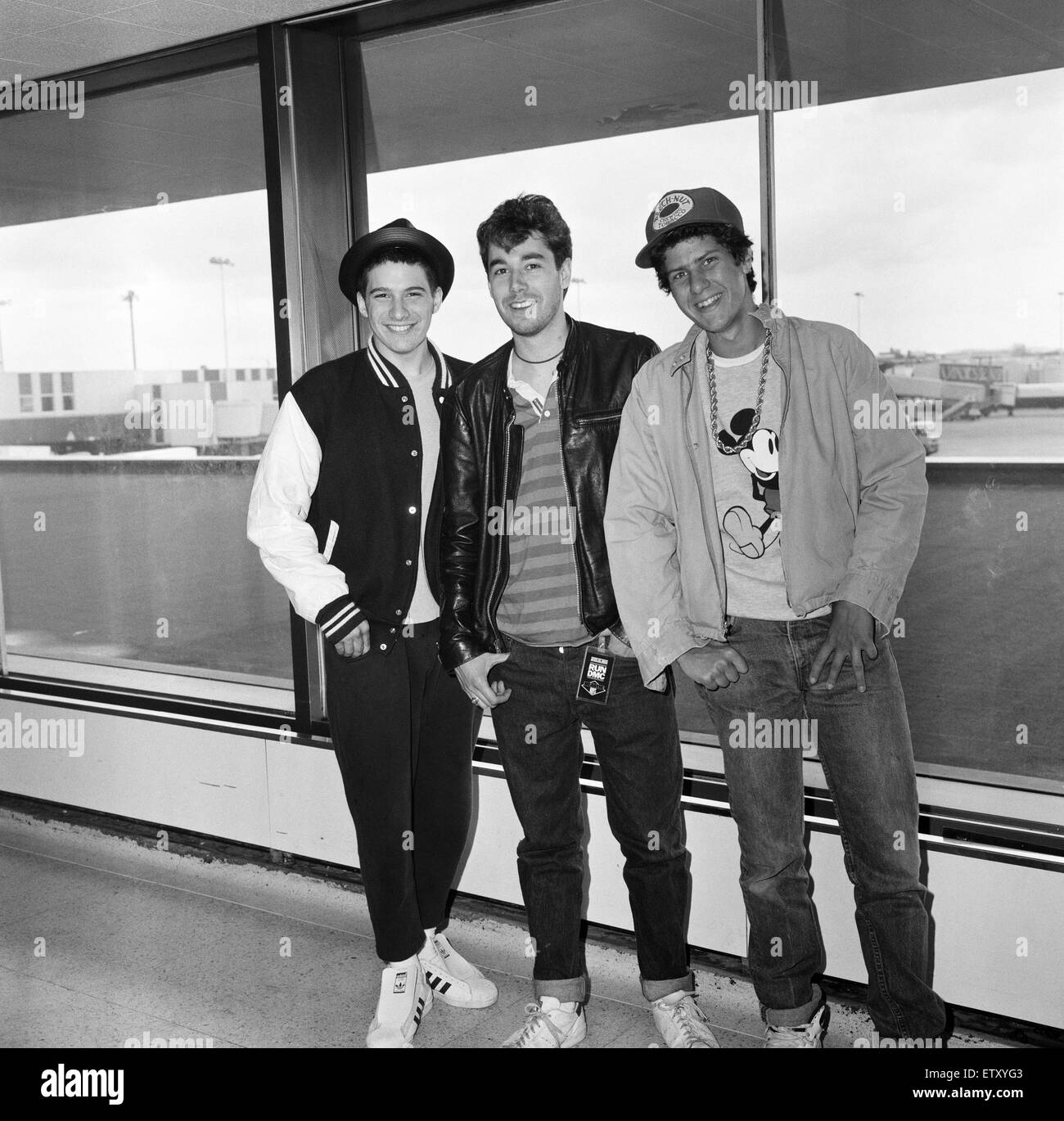
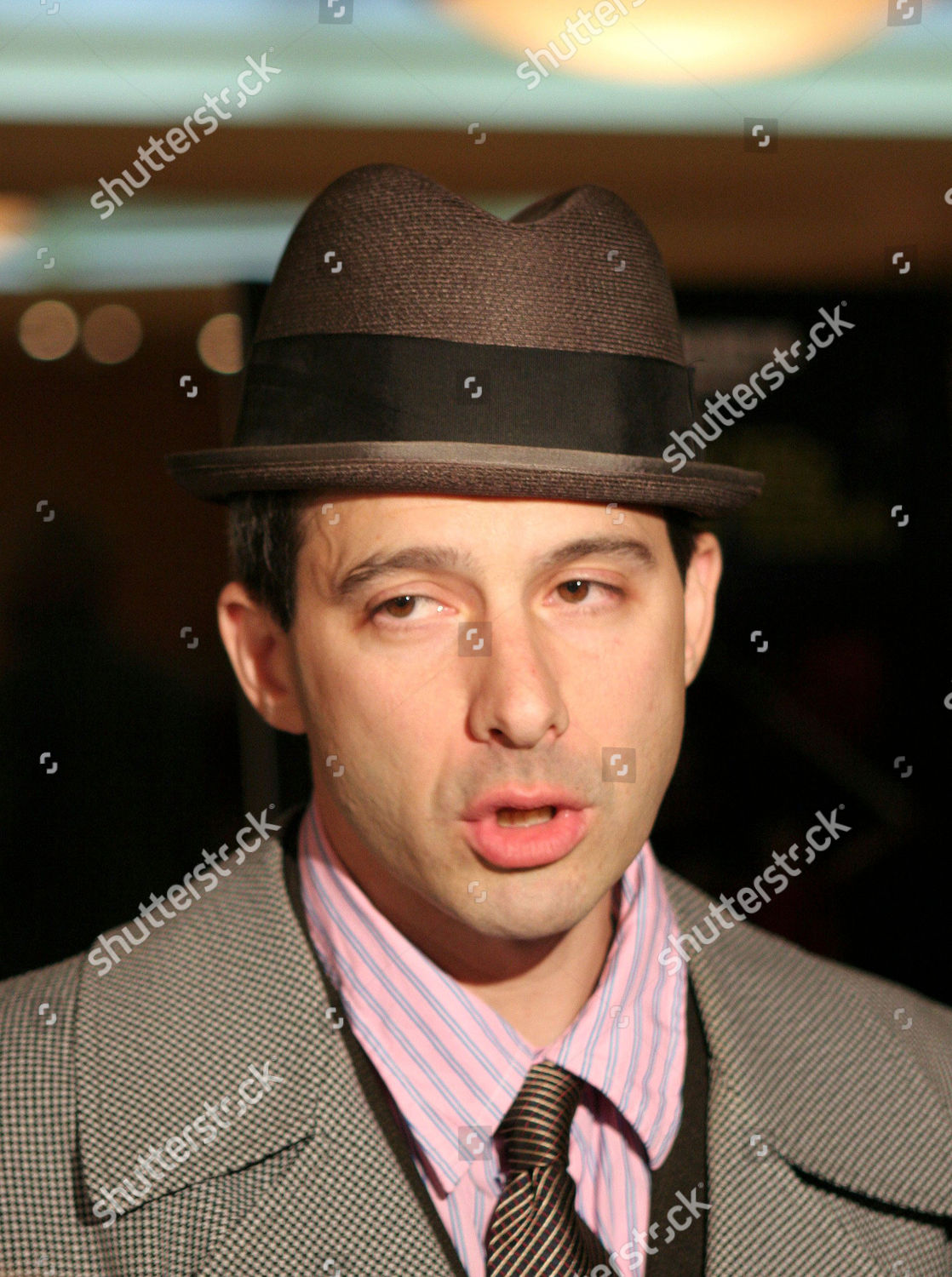
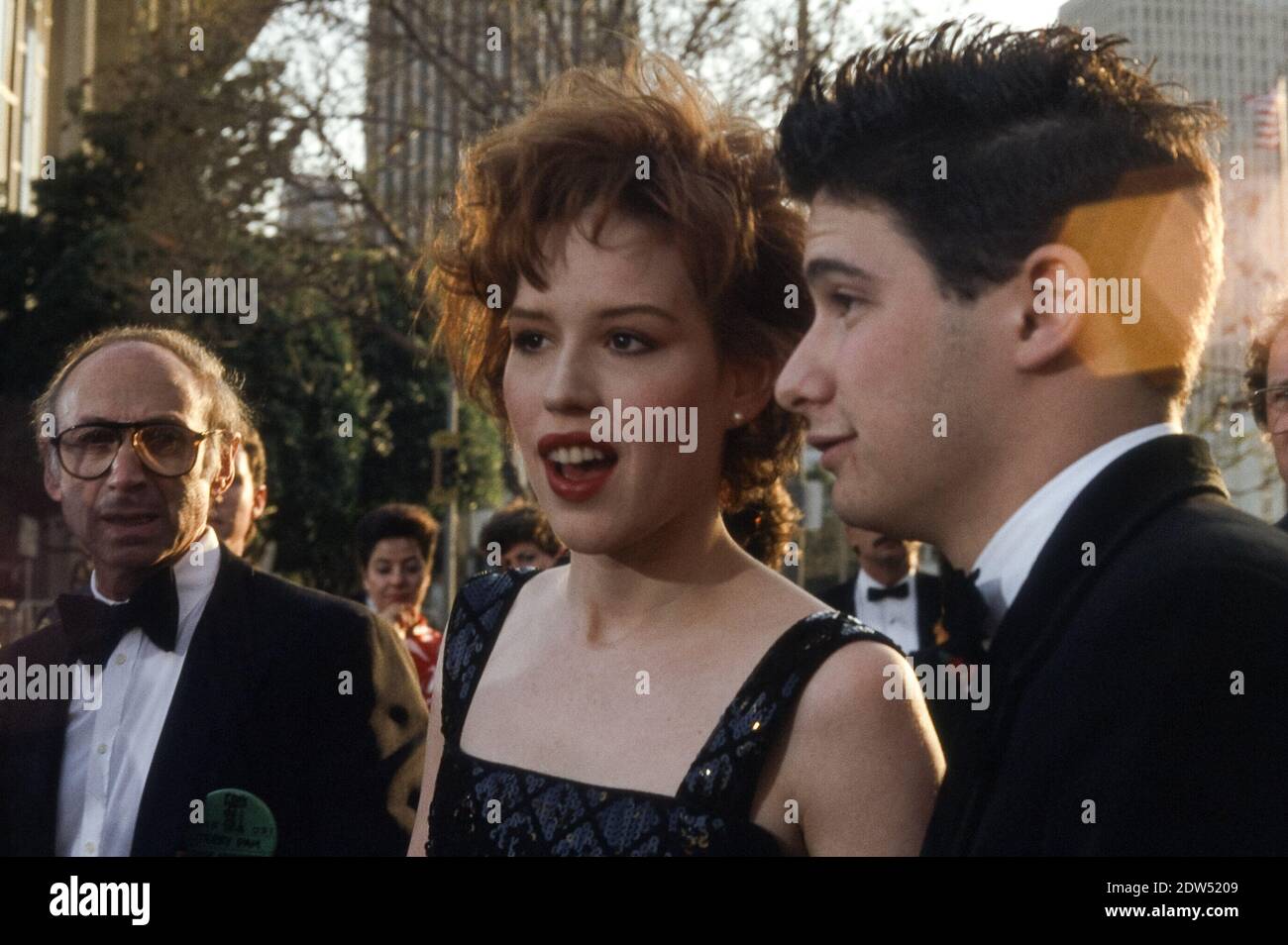
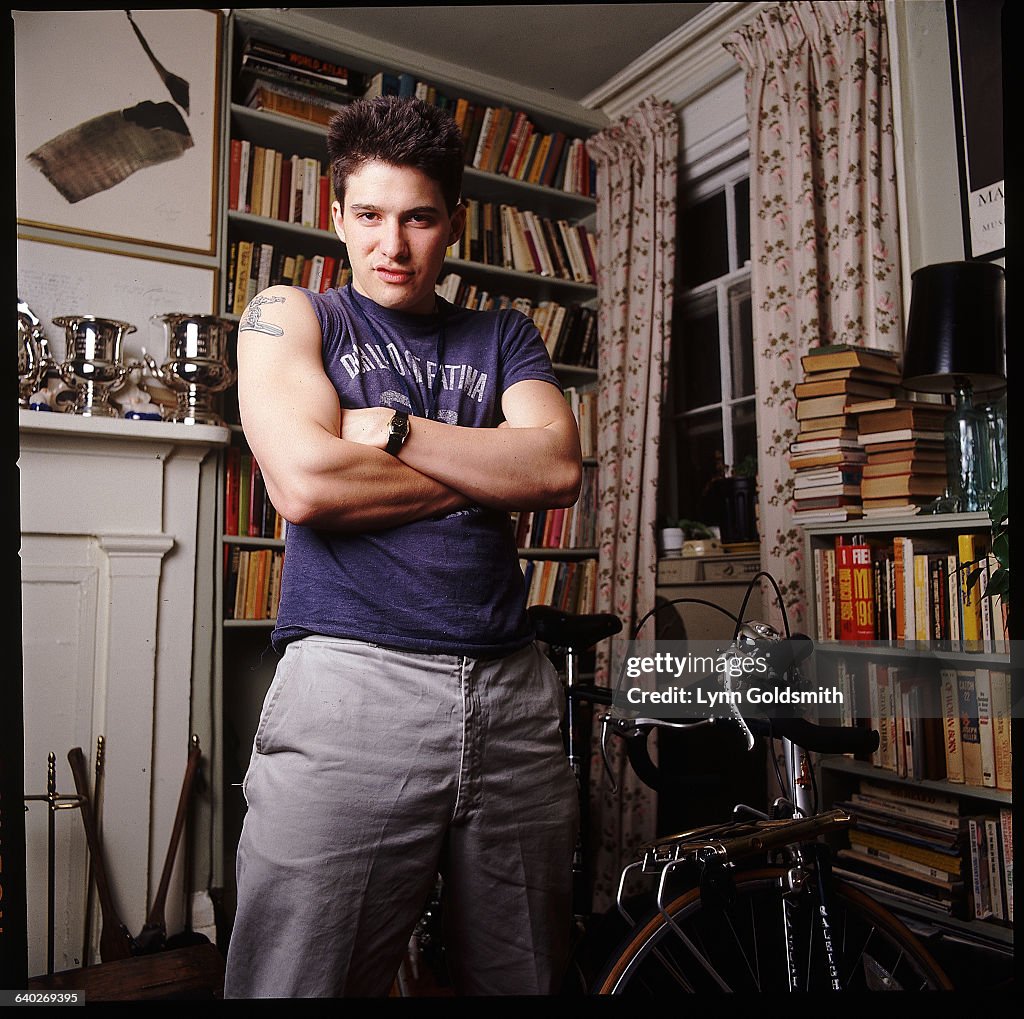
Adam Horovitz, better known as Ad-Rock, is a foundational figure in modern music history. As a core member of the Beastie Boys, he bridged the gap between hardcore punk and hip-hop, creating a cross-genre legacy that remains influential in 2026. His work as a guitarist, producer, and lyricist redefined the boundaries of alternative rock.
From Hardcore Punk to Hip-Hop Pioneer
The narrative of Adam Horovitz is inextricably linked to the evolution of New York City’s underground music scene in the early 1980s. While the world primarily recognizes him as a hip-hop icon, his roots are firmly planted in the soil of hardcore punk. Before joining the Beastie Boys in 1982 to replace original guitarist John Berry, Horovitz was a member of The Young and the Useless. This early exposure to the DIY ethic of the punk scene would become the skeletal structure upon which the Beastie Boys built their multi-platinum career.
When Horovitz joined Michael "Mike D" Diamond and Adam "MCA" Yauch, the group was still largely a punk outfit. However, the burgeoning hip-hop scene in the Bronx and Brooklyn began to seep into their creative process. This transition was not a rejection of rock but rather an expansion of it. Ad-Rock’s signature high-pitched, bratty delivery became the perfect sonic foil to Yauch’s gravelly tone and Diamond’s rhythmic flow. By the time they released Licensed to Ill in 1986, Horovitz had helped create a blueprint for rap-rock that used heavy metal riffs—most notably the Kerry King guitar solo on "No Sleep till Brooklyn"—to introduce hip-hop to a suburban rock audience.
The Instrumentation Evolution: Ad-Rock’s Role as a Musician
One of the most significant shifts in Horovitz’s career, and the legacy of the Beastie Boys, occurred during the recording of Check Your Head (1992). After the sample-heavy masterpiece Paul’s Boutique (1989), the band made a conscious decision to return to their live instruments. This period solidified Ad-Rock’s status as a formidable rock musician rather than just a rapper.
At their G-Son Studios in Atwater Village, Horovitz picked up the guitar again, experimenting with fuzz boxes, wah-wah pedals, and lo-fi distortion. This was not the polished rock of the 1980s; it was a gritty, jazz-infused, funk-heavy style of rock that defied easy categorization. Horovitz's guitar work on tracks like "Gratitude" showcased a mastery of the "power chord" aesthetic blended with a rhythmic sensibility borrowed from hip-hop. This era proved that a band could be both a legitimate hip-hop crew and a credible garage rock band simultaneously—a feat few have replicated with the same level of authenticity.
Technical Contributions to the Beastie Boys Sound
Horovitz was often the primary driver of the band’s aesthetic "attitude." Technically, his contributions extended into production and sampling. He was known for finding obscure breaks and combining them with live instrumentation to create a wall of sound that felt both nostalgic and futuristic. His ability to synchronize a live drum fill with a programmed loop became a hallmark of the 1990s alternative rock sound, influencing bands from Beck to The Red Hot Chili Peppers.
Key Milestones in the Ad-Rock Rock Legacy
The following table outlines the pivotal moments and albums where Adam Horovitz’s rock sensibilities were most prominent, shaping the trajectory of the genre.
| Year | Album / Milestone | Ad-Rock’s Primary Role | Genre Impact |
|---|---|---|---|
| 1982 | Joined Beastie Boys | Guitarist / Vocalist | Transitioned group from hardcore punk to crossover act. |
| 1986 | Licensed to Ill | Vocalist / Songwriter | Established the rap-rock archetype for a global audience. |
| 1992 | Check Your Head | Guitarist / Producer | Reintroduced live instrumentation into alternative hip-hop. |
| 1994 | Ill Communication | Guitarist / Vocalist | Fused hardcore punk ("Tough Guy") with jazz-funk and rap. |
| 2011 | Hot Sauce Committee Pt. 2 | Musician / Producer | Final studio album, blending electronic rock and hip-hop. |
| 2018 | Beastie Boys Book | Author / Historian | Cemented the band's narrative in the rock and roll canon. |
| 2023 | Beastie Boys Square | Cultural Icon | Dedicated intersection in NYC, honoring their lasting legacy. |
The Beastie Boys Book and the Preservation of a Cultural Icon
Following the passing of Adam Yauch in 2012, Horovitz and Mike D made the difficult decision to cease performing as the Beastie Boys. This move, rooted in respect for their late friend, shifted Horovitz’s focus toward the preservation of the band’s history. In 2018, they released the Beastie Boys Book, a sprawling, 600-page memoir that functions as a technical and cultural manual of the 80s and 90s music scenes.
In 2026, this book is regarded as a definitive text for music historians. Horovitz’s contributions to the memoir are deeply personal, often highlighting the "happy accidents" in the studio that led to their most iconic rock-infused tracks. His narrative voice—honest, self-deprecating, and fiercely protective of the band's integrity—has helped a new generation understand that the Beastie Boys were not a manufactured boy band, but a DIY collective that prioritized creative freedom over commercial viability. This commitment to authenticity is perhaps the most enduring part of his rock legacy.
Collaborative Ventures and Acting Career
Beyond the Beastie Boys, Adam Horovitz has maintained a steady presence in both film and music production. His acting career, which began in the 1980s with films like Lost Angels (1989), saw a resurgence in the 2010s and early 2020s. His performance in Noah Baumbach’s While We're Young (2014) earned critical acclaim, showcasing his transition from a "rebellious youth" icon to a nuanced character actor.
Musically, Horovitz has remained active through remixes and collaborations. He has worked with artists ranging from Yoko Ono to Jon Spencer Blues Explosion, often bringing a distinct "New York rock" flavor to every project. In 2026, his influence is seen in the "remix culture" where the lines between a producer, a rock musician, and a digital artist are permanently blurred. He remains a go-to consultant for archival projects, ensuring that the transition of analog rock history into the digital future is handled with technical precision and soul.
The "Ad-Rock" Aesthetic: Influence on Alternative Culture
The "Ad-Rock" aesthetic is more than just music; it is a visual and cultural language. In the 1990s, Horovitz’s style—consisting of vintage sneakers, workwear jackets, and a penchant for mid-century kitsch—became the uniform for the "Alternative Nation." This aesthetic was a visual representation of his musical philosophy: take something old, something discarded, and repurpose it into something undeniably cool.
His influence on skate culture is also significant. The Beastie Boys were among the first mainstream artists to champion the burgeoning skate scene, featuring professional skaters in their videos and tour films. This intersection of punk rock, hip-hop, and skateboarding created a lifestyle that still dominates the streetwear and music industries in 2026. Horovitz’s ability to move seamlessly between these worlds without losing his "rock" edge is a testament to his versatility as a cultural figurehead.
FAQ: Understanding Adam Horovitz’s Career
What instrument did Adam Horovitz play in the Beastie Boys?
Adam Horovitz primarily played the guitar. While he was world-famous for his vocals, his return to the guitar during the Check Your Head and Ill Communication eras was pivotal in defining the band’s "live" sound. He also contributed to bass lines, drum programming, and keyboard arrangements across their discography.
Is Adam Horovitz still active in the music industry in 2026?
Yes, but not as a member of the Beastie Boys. Horovitz focuses on production, archival projects, and occasional guest appearances. He remains dedicated to preserving the band's legacy through documentaries, museum exhibitions, and literary contributions, ensuring their influence continues to reach new audiences.
How did Ad-Rock contribute to the "Rap-Rock" genre?
Ad-Rock was a pioneer of the genre by incorporating genuine rock instrumentation into hip-hop structures. Unlike many rap-rock acts that followed, Horovitz’s approach was rooted in his actual experience as a punk rock guitarist, leading to a more organic and respected fusion of the two styles.
What is Adam Horovitz’s most significant solo contribution?
While he is best known for his work with the Beastie Boys, his solo production work and his role in the band BS 2000 showcased his interest in experimental electronic and pop music. Additionally, his acting career has provided a separate venue for his creative expression outside of the music world.
Explore the Beastie Boys Archive
For those looking to understand the technical depth of Adam Horovitz’s legacy, the most practical next step is to explore the Beastie Boys Story documentary directed by Spike Jonze. This film, along with the Beastie Boys Book, provides a comprehensive look at the gear, the studios, and the creative friction that fueled their rock legacy. Listening to the instrumental albums, such as The In Sound from Way Out!, offers a direct window into Horovitz's capabilities as a musician and his deep appreciation for the "groove" that sits at the heart of both rock and hip-hop.