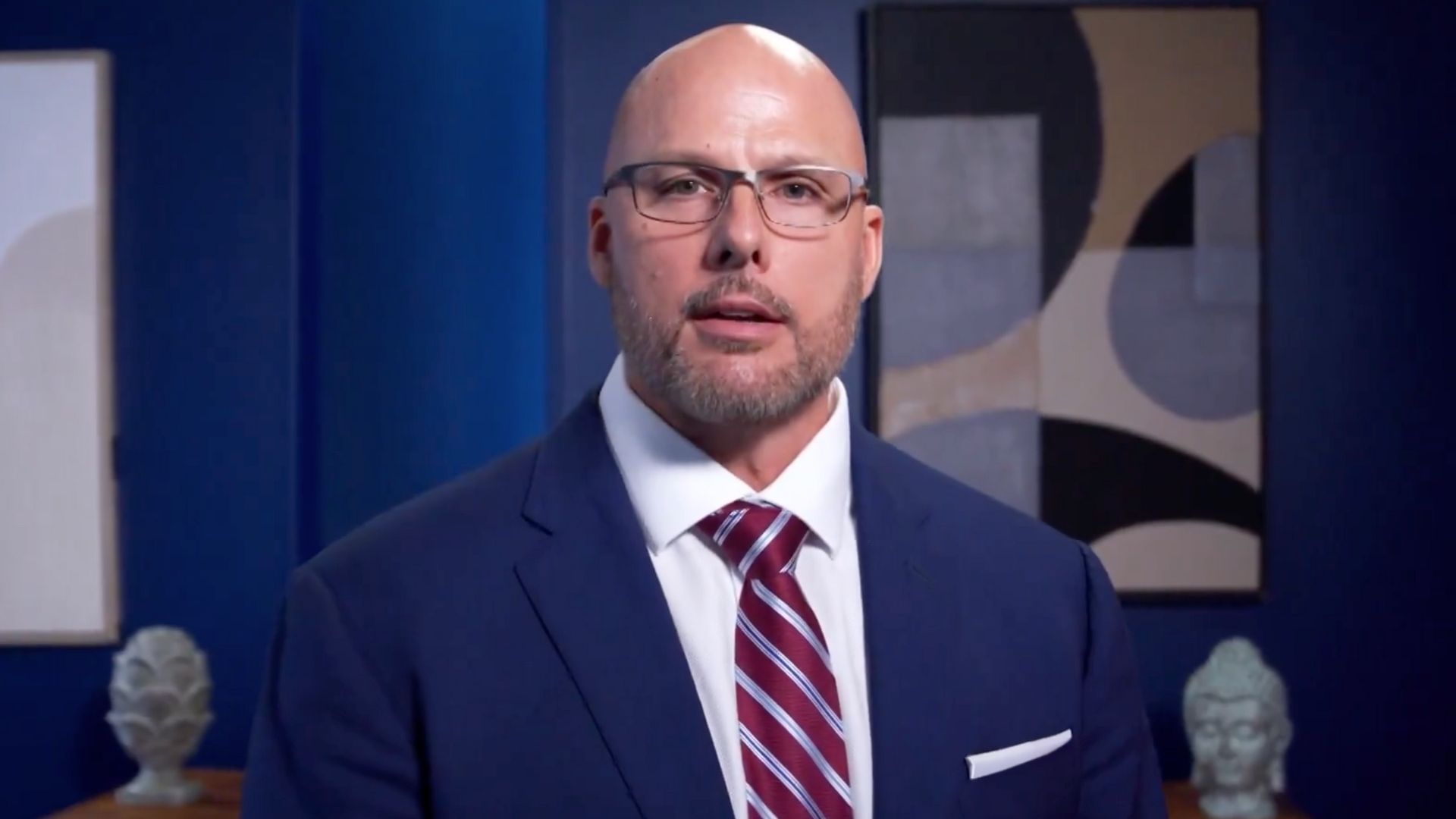
Adam Ferrara’s career is defined by a unique fusion of improvisational "raw talent" and a lifelong obsession with "hilarious rides." As a stand-up comedian and the comedic engine of Top Gear US, Ferrara transformed technical automotive reviews into high-octane entertainment, proving that a driver’s personality is as important as the horsepower under the hood.
The Foundation of Raw Talent: Long Island and the Comedy Circuit
Before he was known for destroying luxury SUVs on national television, Adam Ferrara was honing a very specific type of raw talent on the comedy stages of New York. Growing up in a working-class Italian-American family on Long Island, Ferrara’s comedic sensibilities were forged in an environment where storytelling was a survival skill. His "raw talent" is characterized by an uncanny ability to find the absurdity in everyday frustrations—particularly those involving family, Catholic guilt, and the inherent unreliability of the American automobile.
Ferrara’s early stand-up specials, such as Funny as Hell, showcased a performer who didn't rely on gimmicks. His talent was "raw" because it felt unpolished and authentic, a stark contrast to the highly produced, observational humor prevalent in the late 90s and early 2000s. He spoke to the "everyman," but with the timing of a veteran technician. This background provided him with the improvisational chops necessary for unscripted television, where the ability to react to a breakdown or a failed stunt is more valuable than a prepared script.
In the world of stand-up, Ferrara is often cited for his high energy and physical comedy. He doesn't just tell a joke about his father's eccentricities; he inhabits the character. This transition from stand-up to acting—notably his role as "Needles" Nelson on FX’s Rescue Me—demonstrated that his talent could be channeled into dramatic contexts while maintaining his signature comedic edge. It was this versatility that eventually caught the eye of producers looking to adapt the British phenomenon Top Gear for American audiences.
Defining the "Hilarious Rides" Era: The Top Gear US Impact
When History Channel launched Top Gear US in 2010, the biggest challenge was finding a trio that could replicate the chemistry of the original UK hosts. Adam Ferrara was cast as the "entertainment" factor, sitting alongside professional racing driver Tanner Foust and automotive analyst Rutledge Wood. While Foust brought the precision and Wood brought the encyclopedic knowledge, Ferrara brought the "hilarious rides."
Ferrara’s approach to cars was never about 0-60 times or lateral G-forces. For him, a car was a character. He became famous for his irrational love of "land yachts"—massive, impractical American cruisers from the 1970s and 80s. Whether he was attempting to drive a Cadillac Coupe de Ville through a narrow European village or trying to prove that a mid-90s Buick could survive a desert crossing, Ferrara’s segments were consistently the funniest parts of the show.
His "raw talent" manifested in his ability to narrate disaster. On Top Gear US, the "hilarious rides" weren't just funny because the cars were bad; they were funny because Ferrara treated them with a mix of genuine affection and manic frustration. He personified the struggle of the average driver who loves a car that clearly hates them back. This relatability made him the heart of the show, bridging the gap between hardcore "petrolheads" and casual viewers who just wanted to see a comedian jump a Lincoln Town Car over a row of school buses.
The Chemistry of Chaos: Foust, Wood, and Ferrara
The success of Ferrara’s "hilarious rides" was amplified by his interactions with his co-hosts. In the world of automotive media, chemistry cannot be manufactured; it is a result of raw talent clashing and coalescing in real-time. Ferrara often played the foil to Tanner Foust’s technical perfection. While Foust would execute a perfect drift in a supercar, Ferrara would often be seen spinning out in a vehicle that had no business being on a track.
This dynamic created a "hero vs. anti-hero" narrative that resonated with audiences. Rutledge Wood often acted as the bridge between the two, but it was Ferrara’s willingness to look ridiculous that grounded the show. His talent for self-deprecation allowed the show to lean into the comedy of failure. In many "challenges," Ferrara would intentionally choose the most absurd vehicle possible—a stretch limo for a mountain trail, or a mail truck for a drag race—ensuring that the segment lived up to the promise of a "hilarious ride."
| Category | Adam Ferrara's Role/Contribution | Why it Worked |
|---|---|---|
| Technical Style | "The Wrecker" / Improvisational Humor | Provided the "everyman" perspective; focused on humor over lap times. |
| Vehicle Preference | Large American Classics (Cadillacs, Lincolns) | Contrasted with modern supercars; created visual and situational comedy. |
| Key Strength | Raw Narrative Talent | Ability to turn a mechanical failure into a 5-minute comedic bit. |
| Show Dynamic | The Comedic Foil | Balanced the professional racing expertise of Tanner Foust. |
| Legacy Project | Top Gear US (History Channel) | Redefined how American audiences viewed "car shows" as entertainment. |
Why "Raw Talent" is Essential in Automotive Media
As we look at the landscape of automotive media in 2026, the influence of Adam Ferrara’s "raw talent" is more evident than ever. Before the explosion of YouTube car influencers who use humor to drive views, Ferrara was proving that the "personality" of the host is the primary product. Technical specifications can be looked up on a smartphone in seconds, but the visceral reaction to a car—the laughter, the fear, the genuine joy—requires a performer who can tap into something authentic.
Ferrara’s talent is "raw" because it is unshielded. He never pretended to be a better driver than he was. In fact, his "hilarious rides" were often predicated on his lack of technical skill behind the wheel. This vulnerability is a rare trait in a genre often dominated by bravado and "alpha" posturing. By embracing the role of the underdog, Ferrara made the world of high-performance vehicles accessible. He taught viewers that you don't need to be a professional racer to have a relationship with a machine; you just need a sense of humor and a willingness to get your hands dirty.
Furthermore, his career demonstrates that raw talent in one field (comedy) can be successfully transplanted into another (automotive journalism) if the underlying passion is real. Ferrara didn't just take the Top Gear job for a paycheck; he is a genuine car enthusiast whose personal collection reflects his onscreen persona. This authenticity is what separates a host from a "personality."
Beyond the Screen: The Adam Ferrara Podcast and 2026 Presence
In 2026, Adam Ferrara continues to leverage his raw talent through various digital platforms, most notably The Adam Ferrara Podcast. The podcast serves as a spiritual successor to his "hilarious rides" era, frequently featuring guests from the automotive world, fellow comedians, and actors. It is here that his improvisational skills truly shine, as he navigates long-form conversations with the same unpredictable energy he brought to the Top Gear test track.
The podcast format allows Ferrara to explore the "why" behind people's passions. He often discusses the emotional connection between men and their machines, a theme that has been a constant in his stand-up for decades. By 2026, he has successfully transitioned from a television host to a multi-platform brand, proving that "raw talent" isn't tied to a specific medium. Whether he is performing a set at a comedy club in Vegas or interviewing a legendary car designer, the "hilarious" element remains central to his identity.
His work in 2026 also includes voiceover work and occasional guest appearances on automotive reality shows, where he is often brought in specifically to inject humor into stale formats. Producers recognize that Ferrara’s name is synonymous with a certain type of entertaining chaos—a "hilarious ride" that audiences are always willing to take.
Frequently Asked Questions
What made Adam Ferrara's "hilarious rides" different from other car shows?
Most car shows focus on the technical capabilities of the vehicle—horsepower, torque, and track times. Ferrara focused on the experience and the absurdity of the vehicle. His "rides" were hilarious because he chose cars that were fundamentally ill-suited for the tasks at hand, using his raw comedic talent to narrate the inevitable disaster that followed.
Is Adam Ferrara actually a "car guy" in real life?
Yes. Unlike some hosts who are cast simply for their acting ability, Ferrara has a deep-seated passion for cars, particularly American muscle and classic luxury vehicles. His personal history with cars often makes its way into his stand-up comedy, where he discusses his father's influence on his automotive tastes.
How did Adam Ferrara’s stand-up background help him on Top Gear?
Television production, especially in the automotive "challenge" genre, is highly unpredictable. Ferrara’s "raw talent" for improvisation, developed over years of stand-up comedy, allowed him to react in real-time to engine failures, crashes, and unscripted interactions with his co-hosts. This made the show feel more authentic and significantly funnier.
What is Adam Ferrara doing in 2026?
In 2026, Adam Ferrara is active in the comedy circuit, hosts the popular Adam Ferrara Podcast, and remains a consultant and guest personality for automotive media. He continues to blend his love for cars with his career as an actor and comedian, maintaining a loyal following across both the comedy and automotive communities.
Where can I see the best examples of his "hilarious rides"?
The best examples are found in the middle seasons of Top Gear US (History Channel), particularly the episodes involving "cheap car challenges." His segments featuring the Cadillac Coupe de Ville and various "beater" cars are widely considered the highlights of his automotive television career.
Next Steps for Fans of Adam Ferrara
To truly appreciate the evolution of Adam Ferrara’s raw talent, fans should explore his work chronologically. Start with his stand-up special Funny as Hell to see his comedic foundation. Then, move to his "hilarious rides" on Top Gear US, focusing on the episodes where the hosts are forced to buy used cars for under $1,000. Finally, tune into The Adam Ferrara Podcast for a 2026 perspective on his life, his career, and his ongoing obsession with the automotive world.
For those interested in the technical side of his favorite "hilarious rides," researching the history of the 1970s Cadillac Fleetwood or the Lincoln Continental will provide context for his onscreen choices. Ferrara didn't just pick these cars because they were big; he picked them because they represented a specific era of American ambition that he finds inherently comedic.