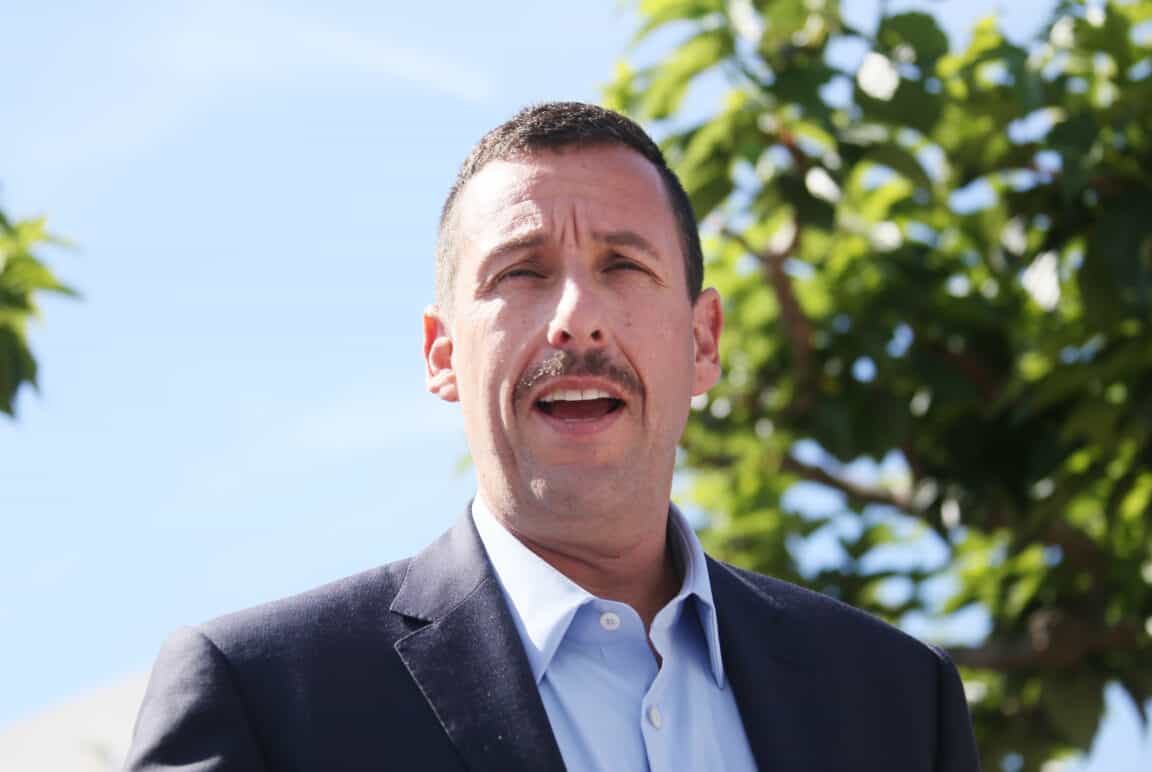
As of 2026, Adam Falk’s estimated net worth is valued between $8 million and $12 million. This fortune was primarily constructed through a strategic transition from low-margin e-commerce to high-ticket dropshipping, supplemented by a high-revenue digital agency and a robust personal brand that leverages intent-based advertising strategies.
The journey of Adam Falk is often cited by business analysts as a case study in market adaptation. Unlike many digital entrepreneurs who cycle through short-lived trends, Falk focused on building a sustainable infrastructure around high-average order value (AOV) products. His financial ascent is not the result of a single viral moment but rather a methodical accumulation of assets across three primary pillars: e-commerce operations, service-based consulting, and strategic reinvestment.
The Foundations of the Falk Fortune
The genesis of Adam Falk's wealth began in the late 2010s, a period characterized by the "dropshipping boom." Initially, like many of his peers, Falk experimented with low-ticket items sourced from overseas marketplaces. However, he quickly identified the inherent flaws in this model: razor-thin margins, high customer service overhead, and unreliable shipping times.
To build a true fortune, Falk recognized that he needed to move away from impulsive, low-cost purchases toward considered, high-investment purchases. By 2021, he had pivoted entirely to "High-Ticket Dropshipping." This model involves selling items that typically cost between $1,000 and $10,000—such as specialized kitchen equipment, outdoor furniture, or luxury home goods.
The financial logic behind this shift was transformative for his net worth. While a traditional dropshipper might need to sell 1,000 units of a $20 item to make a significant profit, Falk could achieve the same net result by selling just five units of a $4,000 product. This reduction in transaction volume drastically lowered his operational costs and allowed him to focus on higher-quality customer acquisition.
The High-Ticket E-commerce Model
The core of Falk’s wealth resides in his portfolio of e-commerce stores. These businesses operate on a retail-partner model rather than a traditional "reseller" model. By securing authorized dealership agreements with established brands, Falk ensured a level of price stability and product quality that is rare in the generic e-commerce space.
Strategic Supplier Relationships
Falk’s ability to build a fortune depended heavily on his "supplier-first" approach. By positioning his businesses as professional sales channels for high-end manufacturers, he gained access to exclusive product lines. These manufacturers often enforce Minimum Advertised Pricing (MAP), which protects profit margins for retailers like Falk, preventing a "race to the bottom" on pricing that often destroys smaller e-commerce ventures.
Logistics and Lean Operations
Another factor contributing to his net worth is the lean nature of his operations. Because his high-ticket model relies on domestic suppliers who handle the storage and shipping of heavy goods, Falk avoided the capital-intensive requirements of warehousing and inventory management. This allowed him to maintain high liquidity, reinvesting profits directly into advertising and new acquisitions.
The Ecom Agency and Consulting Revenue
As Falk’s personal success became public knowledge through social media and industry forums, he identified a secondary revenue stream: the "Ecom Agency." This pivot from "doing" to "teaching and managing" added a significant layer of stability to his income.
While e-commerce profits can fluctuate based on seasonality and ad costs, a service-based agency provides consistent Monthly Recurring Revenue (MRR). His agency focuses on managing Google Ads and store optimization for other high-ticket retailers. By charging both a retainer and a percentage of the increased revenue he generates for clients, Falk created a wealth-generation engine that scales alongside the success of his students and partners.
This agency model is particularly lucrative because it carries very low overhead. The intellectual property—Falk's specific "blueprint" for scaling stores—became a product in itself. In 2026, consulting and agency fees are estimated to constitute roughly 35% of his total annual income, providing a hedge against the volatility of the retail market.
The Technical Edge: Intent-Based Advertising
A significant portion of Falk’s fortune can be attributed to his mastery of Google Ads. While many entrepreneurs in the 2020s focused on social media interruption marketing (Facebook and TikTok), Falk leaned into search-engine intent.
When a consumer searches for a specific $3,000 espresso machine, they are demonstrating high purchase intent. By optimizing his stores for these specific search queries, Falk achieved a Return on Ad Spend (ROAS) that significantly outperformed industry averages. His technical proficiency in managing Google Merchant Center, Shopping Ads, and Search Campaigns allowed him to scale his businesses with surgical precision.
This technical advantage meant he could spend more on customer acquisition while remaining profitable, effectively outbidding competitors who lacked his data-driven approach. Over time, the compounding effect of high ROAS across multiple stores built the multi-million dollar valuation of his business portfolio.
Comparative Analysis: High-Ticket vs. Low-Ticket Wealth Building
To understand how Falk built his fortune more effectively than others in his niche, it is helpful to compare the two dominant e-commerce strategies.
| Feature | Low-Ticket (Traditional) | High-Ticket (Falk Model) |
|---|---|---|
| Product Cost | $10 – $50 | $1,000 – $5,000+ |
| Profit Margin (Per Sale) | $5 – $15 | $200 – $1,500+ |
| Customer Intent | Impulsive (Social Media) | Search-Based (Google Search) |
| Shipping Origin | Often Overseas (China) | Domestic (USA/Europe) |
| Customer Support | High volume, low complexity | Low volume, high complexity |
| Ad Strategy | Creative-heavy (Video) | Data-heavy (Google Shopping) |
| Sustainability | Low (Trends die quickly) | High (Established brands) |
This table illustrates why Falk’s net worth has remained resilient. By choosing the right-hand column, he prioritized business equity over "quick wins," allowing him to build a brand that could eventually be sold or transitioned into a passive investment.
Asset Diversification and 2026 Status
In 2026, Adam Falk is no longer just an "e-commerce guy." Like many successful entrepreneurs, he has moved into the "wealth preservation" phase. His fortune is diversified across several asset classes:
- Business Equity: The valuation of his existing e-commerce stores and his agency.
- Digital Real Estate: Ownership of high-traffic domains and established SEO assets.
- Equities and Fixed Income: A portion of his e-commerce profits is routinely funneled into the broader stock market to provide a safety net.
- Intellectual Property: The ongoing royalties and sales from his training programs and proprietary software tools used by other e-commerce sellers.
His 2026 status reflects a shift toward high-level strategy. Rather than managing daily ad bids, he now focuses on acquisitions—buying underperforming high-ticket stores, applying his systems, and flipping them for a profit. This "e-commerce private equity" approach is the most recent catalyst for his net worth growth.
Common Obstacles Overcome
No fortune is built without setbacks. Falk has been vocal about the challenges he faced, which add context to his financial achievements:
- Ad Account Bans: Navigating the strict policies of Google and Meta required a robust legal and technical infrastructure.
- Supplier Relations: Early in his career, securing top-tier suppliers was difficult. He built his fortune by perfecting the "pitch" to these brands, proving that he could represent them better than traditional brick-and-mortar stores.
- Market Saturation: As high-ticket dropshipping became more popular, Falk stayed ahead by increasing the technical complexity of his stores, such as custom API integrations for live inventory tracking, which smaller competitors could not replicate.
How Adam Falk Scaled His Operations
Scaling a business to a multi-million dollar net worth requires moving from a solopreneur mindset to an organizational one. Falk built a decentralized team of specialists:
- Media Buyers: Dedicated to maintaining high ROAS on Google.
- Sales Representatives: High-ticket items often require a phone call or live chat to close. Falk invested in professional sales training for his staff, which increased his conversion rates by an estimated 20-30%.
- Operations Managers: Handling supplier relations and order fulfillment issues.
By removing himself from the day-to-day "grind," Falk was able to focus on high-leverage activities, such as starting new stores or expanding into international markets.
FAQ
How did Adam Falk start his business?
Adam Falk began by exploring various digital marketing avenues before specializing in e-commerce. He initially focused on the common dropshipping model but quickly realized that long-term wealth required a shift to high-ticket items with domestic suppliers. He spent significant time researching authorized dealer models to ensure his businesses were legally and financially sound.
What is high-ticket dropshipping?
High-ticket dropshipping is a business model where the retailer sells expensive, premium products (usually $1,000+) without holding inventory. When a customer makes a purchase, the retailer buys the item from a domestic manufacturer who then ships it directly to the customer. The "fortune" is made in the large gap between the wholesale price and the retail price, often hundreds or thousands of dollars per sale.
Is Adam Falk’s net worth verified?
As a private entrepreneur, Falk does not publish his tax returns. However, his net worth is estimated based on his public business disclosures, the documented revenue of his agency, and standard industry valuations for e-commerce businesses (which typically sell for 3x to 5x their annual profit). In 2026, his diversified portfolio and agency success support a valuation in the $8M-$12M range.
Which ad platform does Adam Falk recommend?
Falk is a strong proponent of Google Ads, specifically Google Shopping. He argues that search-based advertising is superior for high-ticket items because it captures users who are already in the "buying phase" of their journey. This focus on intent-based marketing is a cornerstone of his financial success and is a key topic in his consulting work.
Does Adam Falk still run his own stores?
Yes, Falk maintains an active portfolio of "alpha" stores. These serve as the testing ground for the strategies he teaches. By remaining an active practitioner rather than just a theorist, he ensures his methods remain effective in the evolving 2026 digital landscape, which in turn protects the value of his personal brand and consulting business.
Building a Fortune: Recommended Next Actions
For those looking to emulate the financial trajectory of Adam Falk, the path involves a transition from generalist to specialist. His success suggests that the most efficient way to build a fortune in the current era is not to find a "secret" product, but to build a professional bridge between established manufacturers and high-intent digital consumers.
To begin this journey, focus on the following:
- Identify a Niche with High AOV: Look for products that are heavy, complex, or require specialized knowledge, as these have higher barriers to entry.
- Master Search-Based Traffic: Invest time in learning Google Ads and SEO, as these platforms reward precision over virality.
- Focus on Equity: Build your business with the intent to sell. This means keeping clean financial records, building a recognizable brand, and creating "SOPs" (Standard Operating Procedures) that allow the business to run without you.
By following these principles, Falk transformed from a digital marketer into a high-net-worth entrepreneur, proving that in the world of e-commerce, quality and ticket price often outweigh quantity and volume.