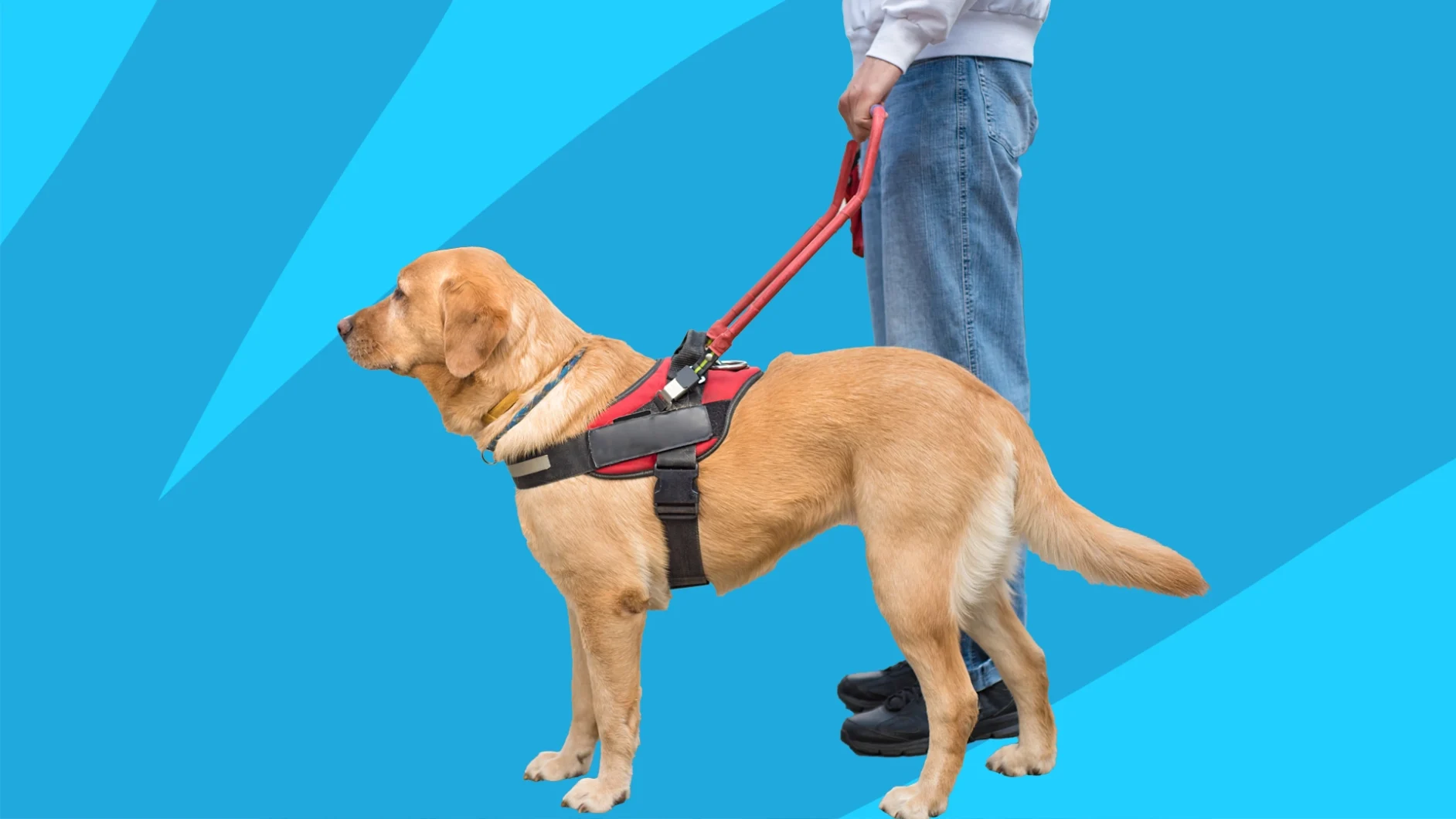
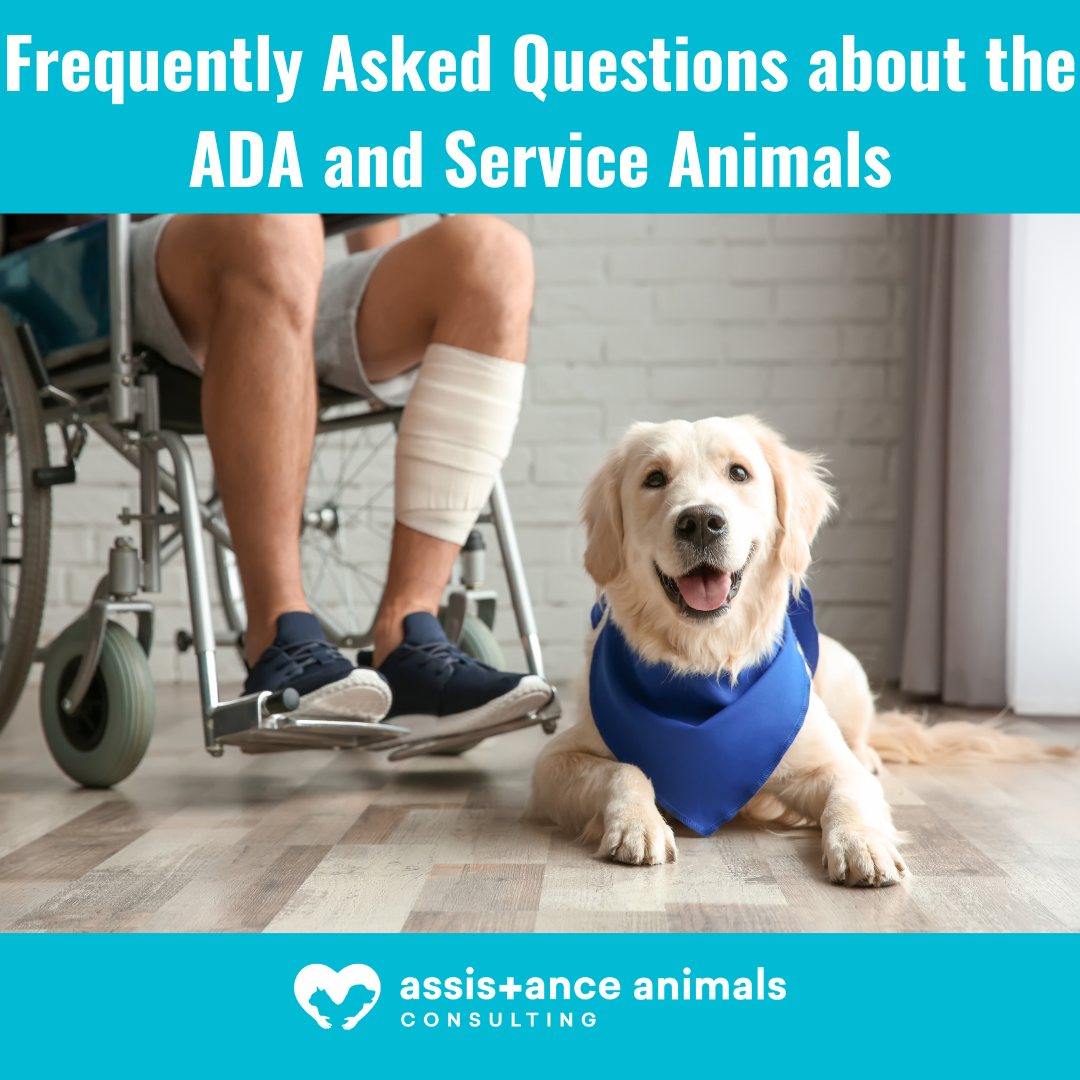
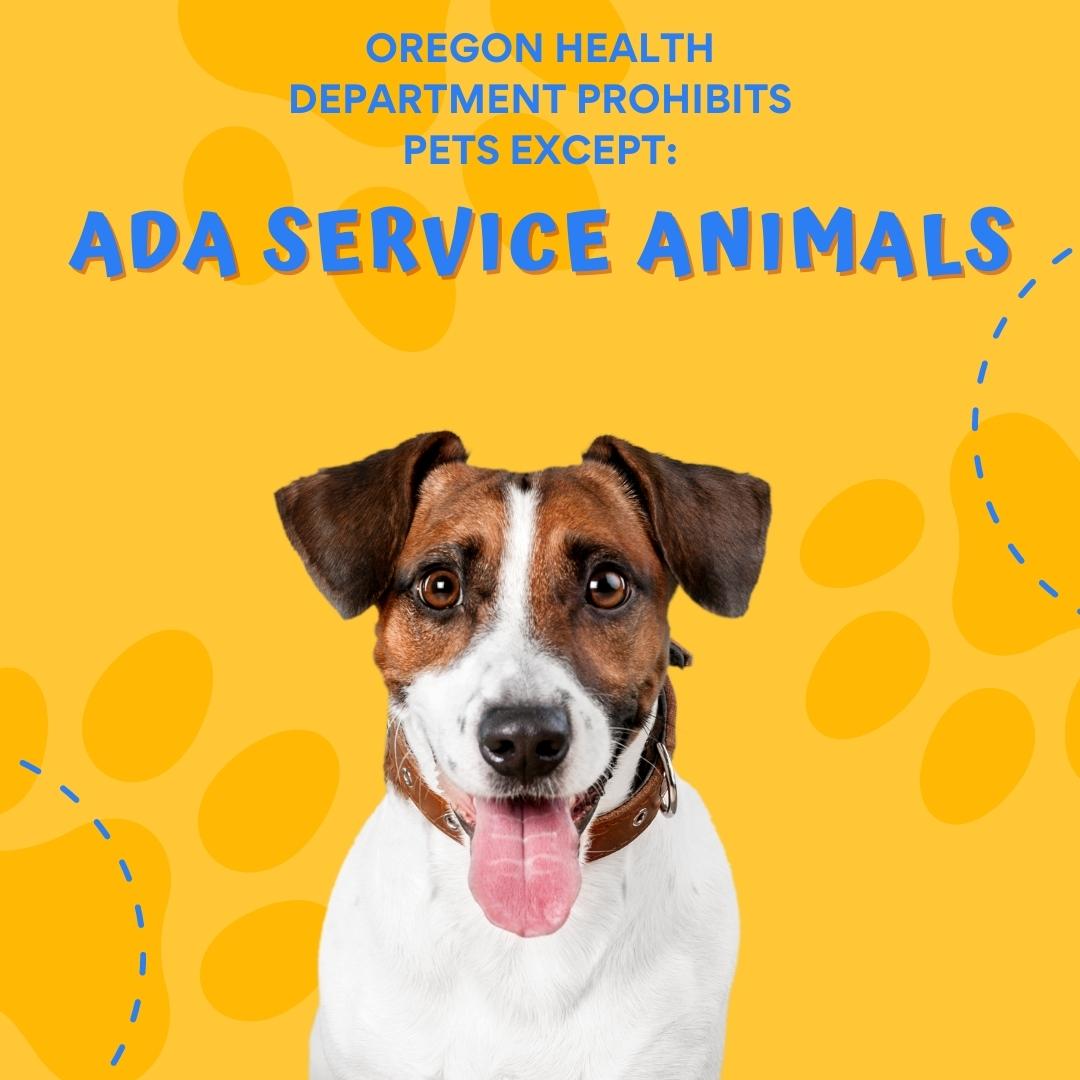
An ADA service animal is defined by the Americans with Disabilities Act as a dog (or in specific limited cases, a miniature horse) that has been individually trained to perform work or tasks for the benefit of an individual with a disability. Under federal law, these animals are not considered pets and are permitted to accompany their handlers into almost all areas where the public is allowed to go.
Defining Service Animals Under the ADA
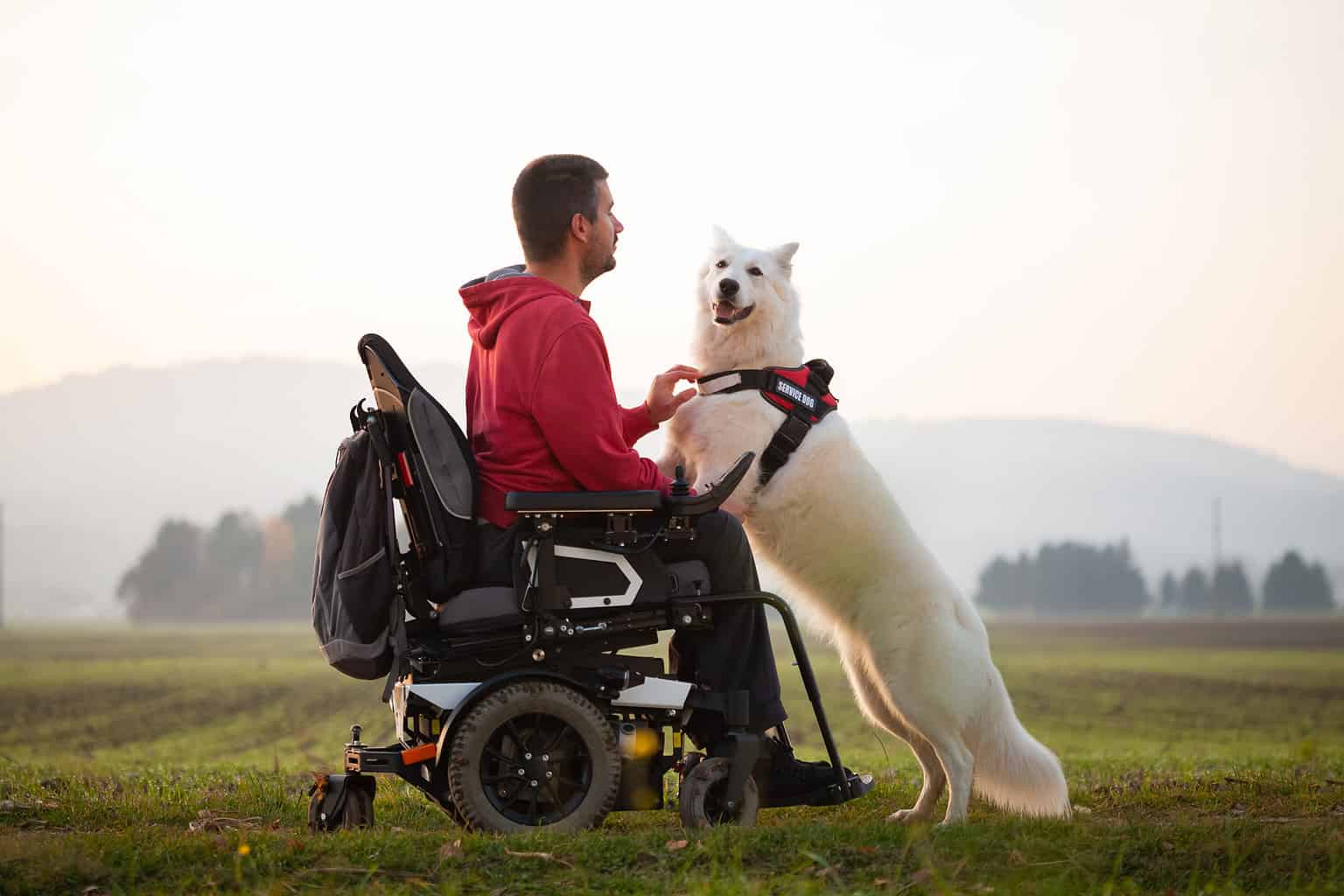
The Americans with Disabilities Act (ADA) provides a specific, narrow definition of what constitutes a service animal. According to the United States Department of Justice, a service animal must be a dog that is individually trained to do work or perform tasks for a person with a disability. The task performed must be directly related to the individual’s disability. These tasks range from guiding individuals with impaired vision and alerting those who are deaf to sounds, to pulling a wheelchair, assisting during a seizure, or reminding a person with mental health disabilities to take prescribed medication.
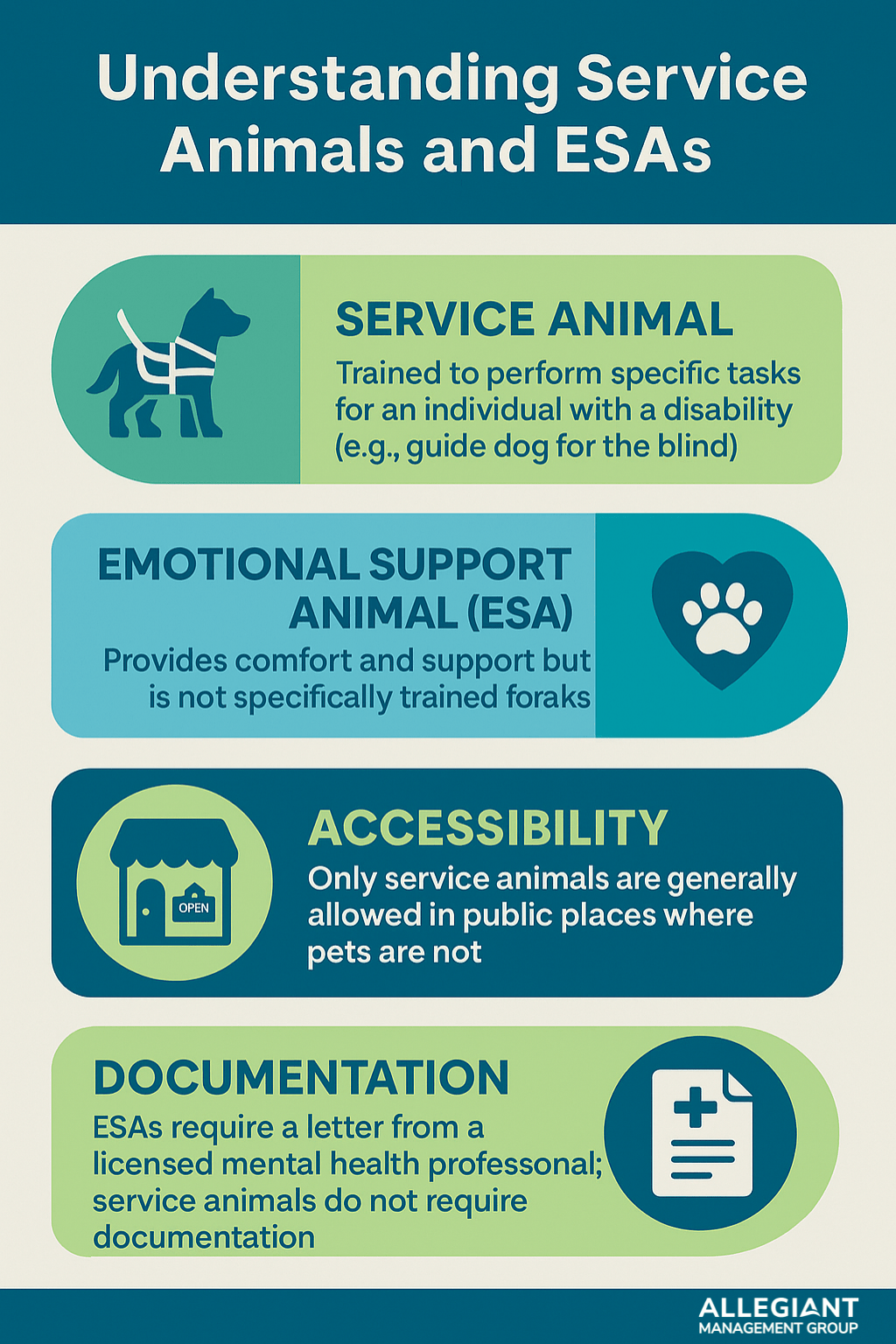
It is critical to distinguish service animals from emotional support animals (ESAs), therapy animals, and comfort animals. While other animals may provide therapeutic benefits or emotional support, they do not meet the legal definition of a service animal under the ADA. Because they are not trained to perform specific tasks related to a disability, ESAs and other companion animals do not have the same public access rights as ADA-protected service animals.
Understanding Public Access Rights
When an individual with a disability is accompanied by a service animal, businesses and public entities must modify their standard policies to allow the animal access. This includes places like restaurants, hotels, retail stores, hospitals, libraries, and movie theaters. In many cases, these entities are required to allow the service animal to accompany the handler even if they have a "no pets" policy.
The right of access is broad, but it is not absolute. A service animal may be excluded if it is out of control and the handler does not take effective action to control it, or if the animal is not housebroken. Additionally, if the animal poses a direct threat to the health or safety of others that cannot be eliminated by reasonable modifications, a business may request that the animal be removed. The determination of a "direct threat" must be based on the individual animal’s behavior, not on assumptions regarding its breed or type.
Permissible Inquiries by Business Owners
Business owners and employees often feel uncertain about how to verify if an animal is a legitimate service animal. Under the ADA, there are only two questions that staff are permitted to ask if the need for the service animal is not obvious:
- Is the dog a service animal required because of a disability?
- What work or task has the dog been trained to perform?
Staff are strictly prohibited from asking about the person’s specific disability, requiring medical documentation, requesting a special identification card or training documentation for the animal, or asking that the dog demonstrate its ability to perform the task. Because there is no federally recognized registration or "certification" for service animals in the United States, any documentation presented by an owner is often considered unofficial and carries no legal weight under the ADA.
Responsibilities of the Handler
While the ADA grants broad access rights, these rights come with significant responsibilities for the handler. The handler is responsible for the care, supervision, and behavior of their service animal at all times. This includes ensuring the animal is harnessed, leashed, or tethered unless such devices interfere with the animal's work or the individual's disability prevents such use. In those specific instances, the handler must maintain control of the animal through voice commands, signals, or other effective means.
Furthermore, the handler is responsible for the animal’s hygiene. If a service animal causes damage to a facility, the owner may be charged for the repairs; however, the business cannot charge a "pet fee" or require a deposit for a service animal, as these animals are not legally classified as pets.
Comparative Overview of Animal Classifications
The following table summarizes the key distinctions between service animals and other types of animals often found in public spaces as of 2026.
| Category | Defined by ADA | Primary Purpose | Public Access Rights |
|---|---|---|---|
| Service Animal | Yes | Performs specific tasks for a disability | Full access to public areas |
| Emotional Support Animal | No | Provides comfort or emotional stability | No federal public access rights |
| Therapy Animal | No | Provides comfort to others (e.g., in hospitals) | Only with permission/invitation |
| Pet | No | Companionship | Subject to facility "no pet" policies |
Addressing Miniature Horses
The ADA includes a specific provision for miniature horses that have been individually trained to do work or perform tasks for people with disabilities. While they are not dogs, the Department of Justice has determined that it is a "reasonable modification" to allow miniature horses in many cases. When determining whether to allow a miniature horse, a facility must consider:
- The type, size, and weight of the miniature horse and whether the facility can accommodate these features.
- Whether the handler has sufficient control of the miniature horse.
- Whether the miniature horse is housebroken.
- Whether the horse's presence in a specific facility compromises legitimate safety requirements necessary for safe operation.
Common Misconceptions and Troubleshooting
A common point of friction occurs in housing situations. It is vital to understand that the Fair Housing Act (FHA) and the ADA are distinct legal frameworks. While the ADA covers public access, the FHA covers housing. Under the FHA, the definition of an assistance animal is broader than the ADA’s definition of a service animal, potentially including emotional support animals. Individuals seeking accommodations in housing should consult the specific guidelines provided by the Department of Housing and Urban Development (HUD), as these differ from the ADA standards applied in retail or public spaces.
If a business denies access to a legitimate service animal, the incident should be documented. The individual can file a complaint with the Department of Justice or seek assistance from a local disability rights advocacy organization. Maintaining awareness of one's legal rights is the most effective way to navigate challenges in public accommodations.
Frequently Asked Questions
Is there an official government registration for ADA service animals?
No. There is no official, federally recognized registration or certification program for service animals under the ADA. Any entity claiming to "register" a service animal is doing so privately; such registrations hold no legal status and are not required by law to gain access to public facilities.
Can a business force me to show a certificate for my service dog?
No. Staff are prohibited from requiring documentation, such as medical records, training certificates, or identification tags, as a condition for entry. They may only ask the two standard questions regarding whether the dog is a service animal and what task it is trained to perform.
What should I do if a business asks me to leave because of my service dog?
Politely explain that the animal is a service animal trained to perform a specific task for a disability and that the ADA grants you access. If the staff persists, you may request to speak with a manager. If access is still denied, document the names of the individuals involved, the date, and the location to support a formal complaint later.
Does the ADA apply to service animals in training?
The ADA does not provide federal rights of access to service animals in training. Access for animals in training is determined by state or local laws, which vary significantly across the country. You should check your state's specific statutes regarding the rights of trainers and dogs in training.
Can a hotel charge a cleaning fee for my service animal?
No. A hotel cannot charge a pet fee or a cleaning fee for a service animal. However, if the service animal causes damage to a room, the hotel may charge the handler for the cost of repairs, provided that this is a policy the hotel applies to all guests for property damage.
Taking Next Actions
If you are a handler, prioritize keeping your dog under your direct control and ensuring it is trained to perform a specific task that mitigates your disability. If you encounter issues with access, rely on the Department of Justice’s official guidance as your primary reference point. For business owners, focus on training your staff to recognize the distinction between pets and service animals and to limit their inquiries to the two permitted questions to ensure compliance with federal law.