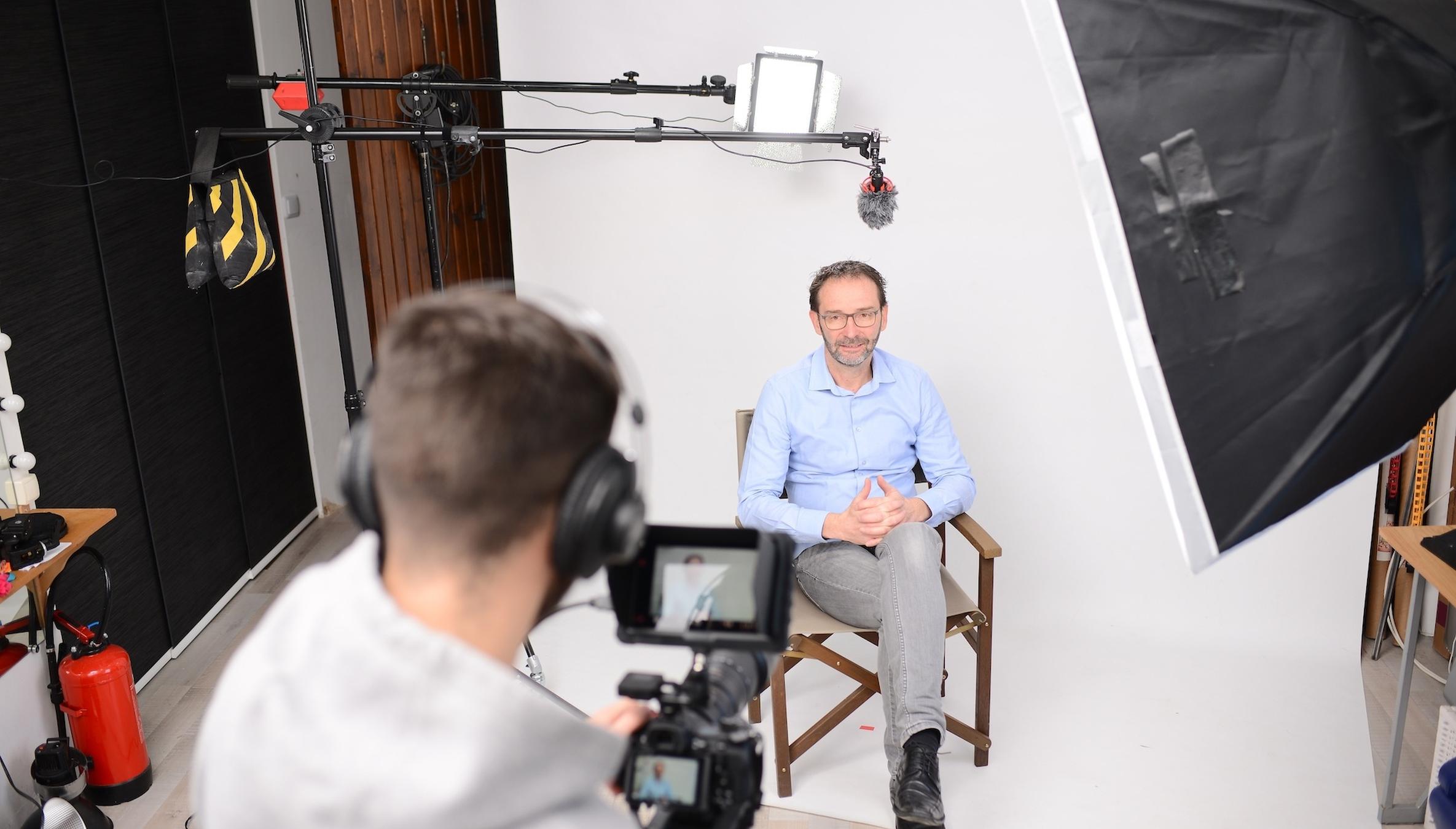
An ad actor is a professional performer hired to represent a brand, product, or service within a commercial advertisement. These performers utilize their acting skills to build audience trust, convey brand messaging, and simulate relatable scenarios that encourage consumer engagement. Success in this field requires a balance of audition preparation, technical on-camera training, and professional branding.
The Professional Scope of Commercial Acting
Commercial acting is a distinct discipline within the broader performing arts industry. Unlike theatre or long-form film acting, which often requires building character arcs over extended periods, commercial acting demands the ability to communicate a clear, persuasive message in as little as 15 to 30 seconds. An ad actor must possess the versatility to adopt various personas—ranging from the authoritative expert to the relatable "everyperson"—to fit the specific needs of a campaign.
For many professionals, commercial work serves as a primary source of income. Because advertisements are frequently produced at a higher volume than feature films or television series, the demand for diverse, authentic-looking talent remains consistent. Producers are typically looking for actors who can take direction quickly and provide multiple "takes" that offer subtle variations in tone, pacing, and emotional delivery.
Key Requirements for Aspiring Ad Actors
Entering the field of commercial acting involves more than just talent; it requires a structured approach to business and technical proficiency. Most professional opportunities are mediated through talent agencies, which require a standard set of marketing materials to represent an actor effectively.
- Professional Headshots: High-quality, industry-standard photos are the actor’s primary calling card. These should reflect the "types" the actor is most likely to be cast as, such as the professional, the parent, or the student.
- The Demo Reel: A compilation of previous on-camera work, or "spec" commercials if no professional footage exists, is essential. This allows casting directors to see how the actor translates their energy to the screen.
- Resume: While theatrical experience is valuable, a commercial resume should highlight on-camera training, improvisational skills, and any specific technical abilities (e.g., operating machinery, sports, or languages).
- Industry Representation: Joining a reputable talent agency provides access to casting calls (or "breakdowns") that are not available to the public. Agencies verify that the actor is prepared and professional before sending them to high-stakes auditions.
Auditioning and the Casting Process
The audition process is the most frequent activity for an ad actor. In 2026, the industry continues to utilize a hybrid approach, combining digital self-tapes with in-person call-backs. Mastering the self-tape is now a foundational requirement, as it allows casting directors to screen hundreds of candidates efficiently before inviting a shortlist to a physical studio.
During an audition, actors are often asked to perform "copy," which is the script provided for the commercial. The goal is rarely to memorize the lines perfectly, as actors are encouraged to hold the script while performing; rather, the focus is on the actor's natural delivery, facial expressions, and ability to "sell" the product through tone and subtext.
Table: Comparison of Commercial Acting Platforms and Resources
| Feature | Talent Agencies | Casting Platforms | Independent Networking |
|---|---|---|---|
| Accessibility | Restricted/Vetted | Public/Subscription | High Effort |
| Project Quality | National Campaigns | Mixed/Local/Digital | Often Experimental |
| Legal Protection | High | Variable | Low |
| Cost | Percentage of Income | Subscription Fees | Usually Free |
The Role of Unions and Industry Standards
In many regions, professional actors work under the umbrella of unions, such as SAG-AFTRA in the United States. These organizations negotiate collective bargaining agreements that establish minimum pay rates, safety regulations, and residuals. Residuals are payments made to actors for the ongoing use of a commercial after its initial run, which can provide a significant portion of an actor's long-term income.
Actors must familiarize themselves with the current "Commercial Contract" guidelines, which dictate the terms of usage—such as whether the commercial will appear on television, social media, or billboard displays. Understanding these contracts is vital because an actor's compensation is often directly tied to the scope of the ad's distribution.
Technical Considerations for On-Camera Performance
Successful ad actors understand the nuances of the camera lens. Unlike a live stage performance, where projection is key, acting for advertisements requires internalizing the emotion. If an actor overacts, the performance can come across as disingenuous or "cheesy" to the viewer.
Key technical skills include:
- Eye Contact: Learning how to look directly into the lens or just beside it to create an intimate connection with the viewer at home.
- Blocking: Working within the physical space provided by the set, ensuring that movements are fluid and match the rhythm of the product demonstration.
- Continuity: Maintaining consistent physical actions (such as taking a sip of a beverage or handling a prop) across multiple takes to ensure the editor can seamlessly cut the footage together.
Common Mistakes and How to Avoid Them
Even seasoned actors can fall into traps when pivoting to commercial work. One of the most common errors is failing to research the brand before the audition. An actor who understands the brand's voice—whether it is humorous, serious, or high-energy—can tailor their performance to meet the client's expectations immediately.
Another pitfall is ignoring the "product focus." In a commercial, the actor is secondary to the product. If the actor is performing a scene where they are holding a new smartphone, they must treat the prop as a central character. The audience should be focused on the benefit of the item, not the actor’s performance style. Professionalism during the waiting period—arriving on time, being prepared to take notes, and maintaining a positive attitude—is just as important as the performance itself.
Frequently Asked Questions
What should an ad actor include in their demo reel if they have no experience?
If you lack professional footage, create "spec" commercials. These are short, 15-30 second clips where you film yourself performing a commercial for an existing product. Ensure the lighting and sound quality are professional, as these clips demonstrate your ability to handle the camera and perform in a commercial style.
Do ad actors need to be members of a union?
While you can work non-union jobs, joining a professional union like SAG-AFTRA provides standardized contracts, safety protections, and access to residuals. Most high-budget national campaigns are "union-covered," meaning only union members or those eligible to join can participate.
How are ad actors compensated?
Compensation typically includes a "session fee" for the time spent on set and "usage fees" or residuals based on where the ad is aired. A local social media ad will have a different payment structure than a national television spot airing during major sporting events.
How do I find legitimate casting calls?
Use established industry platforms or secure representation through a reputable talent agency. Avoid any "casting agency" that guarantees work in exchange for large upfront fees or requires you to use their exclusive, high-priced photographers, as these are often signs of predatory practices.
Is commercial acting a stable career?
Commercial acting is inherently freelance and often unpredictable. Most actors treat it as a portfolio career, balancing commercial work with other creative projects, voice-over work, or related industry roles to maintain financial stability.
What is a "callback"?
A callback is a second round of auditions. If a casting director likes your first performance, they will invite you back to read for the director or client. This stage is usually focused on determining your chemistry with other actors or your ability to implement specific director feedback.
Next Steps for Building Your Career
If you intend to pursue professional work as an ad actor, your immediate next step is to curate your marketing materials. Start by investing in professional, high-quality headshots that clearly define your "look." Once you have these, research reputable talent agencies in your local market by reviewing their client lists and submission requirements.
Concurrently, focus on refining your self-tape setup. A consistent, professional space—with soft, even lighting, a clean background, and clear audio—will allow you to submit high-quality auditions quickly, significantly increasing your chances of being noticed in an increasingly digital casting environment. Focus on training that specifically addresses the nuances of "commercial realism" to ensure you stand out as a polished, prepared professional.