Acute lymphoblastic leukemia (ALL) is a malignant condition characterized by the rapid, uncontrolled proliferation of immature white blood cells known as lymphoblasts in the bone marrow. These abnormal cells crowd out healthy blood-forming cells, leading to anemia, infection risk, and bleeding complications. Effective management typically involves multi-phase chemotherapy, targeted therapies, and, in high-risk cases, hematopoietic stem cell transplantation.
Pathophysiology and Hematological Impact
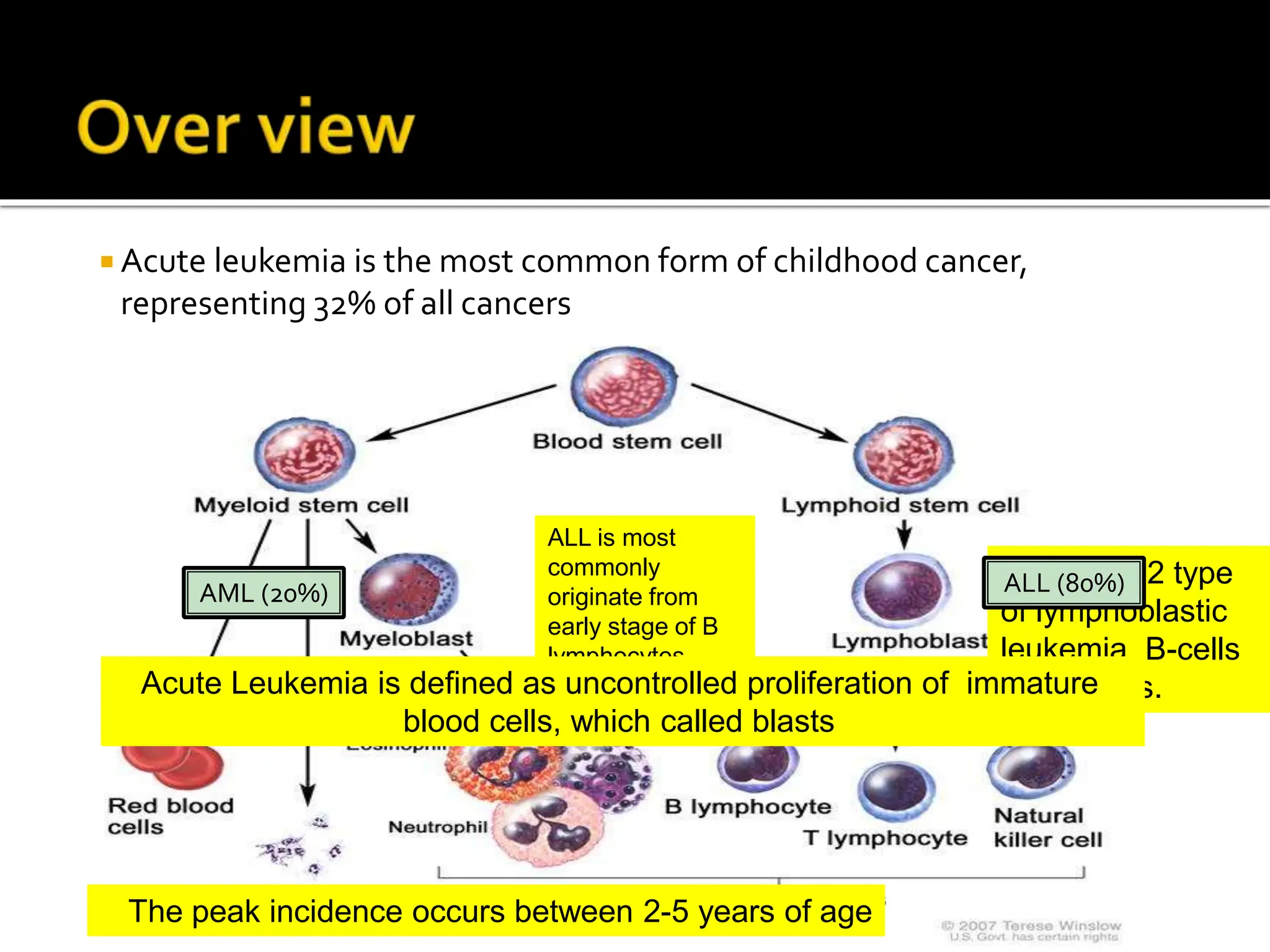
Acute lymphoblastic leukemia originates in the bone marrow, the soft tissue inside bones where blood cells are produced. In a healthy state, hematopoietic stem cells differentiate into mature blood components, including red blood cells, platelets, and various types of white blood cells. In patients with ALL, a genetic mutation occurs in an early lymphoid precursor cell, causing it to become a "leukemic blast." These blasts fail to mature into functional lymphocytes and instead divide aggressively.
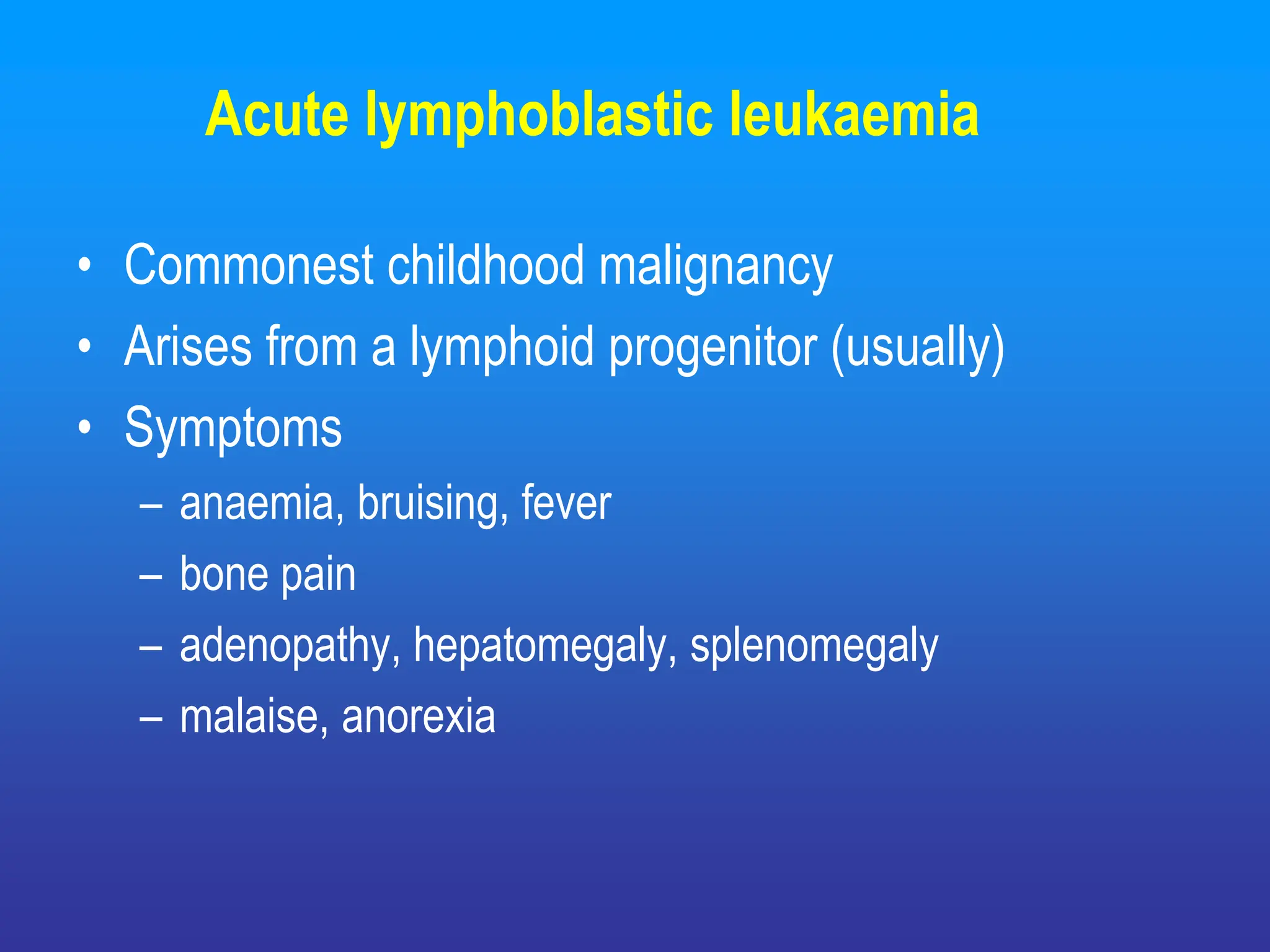
Because the bone marrow has limited space, the proliferation of these blasts suppresses normal hematopoiesis. The clinical manifestation of this overcrowding is threefold. First, the reduction in red blood cell production leads to anemia, causing fatigue, pallor, and dyspnea. Second, the depletion of megakaryocytes results in thrombocytopenia, manifesting as easy bruising, petechiae, or prolonged bleeding. Finally, the displacement of normal white blood cells, coupled with the functional incompetence of the blasts, leaves the immune system severely compromised, significantly increasing the risk of opportunistic infections.
Diagnostic Procedures and Risk Stratification
The diagnostic pathway for ALL begins with a comprehensive physical examination and blood work, specifically a complete blood count (CBC) with differential. While a CBC may show abnormal leukocyte counts—either extremely high or, less commonly, low—the definitive diagnosis requires an examination of the bone marrow.
Bone marrow aspiration and biopsy are performed to collect samples for specialized testing. These samples undergo several layers of analysis:
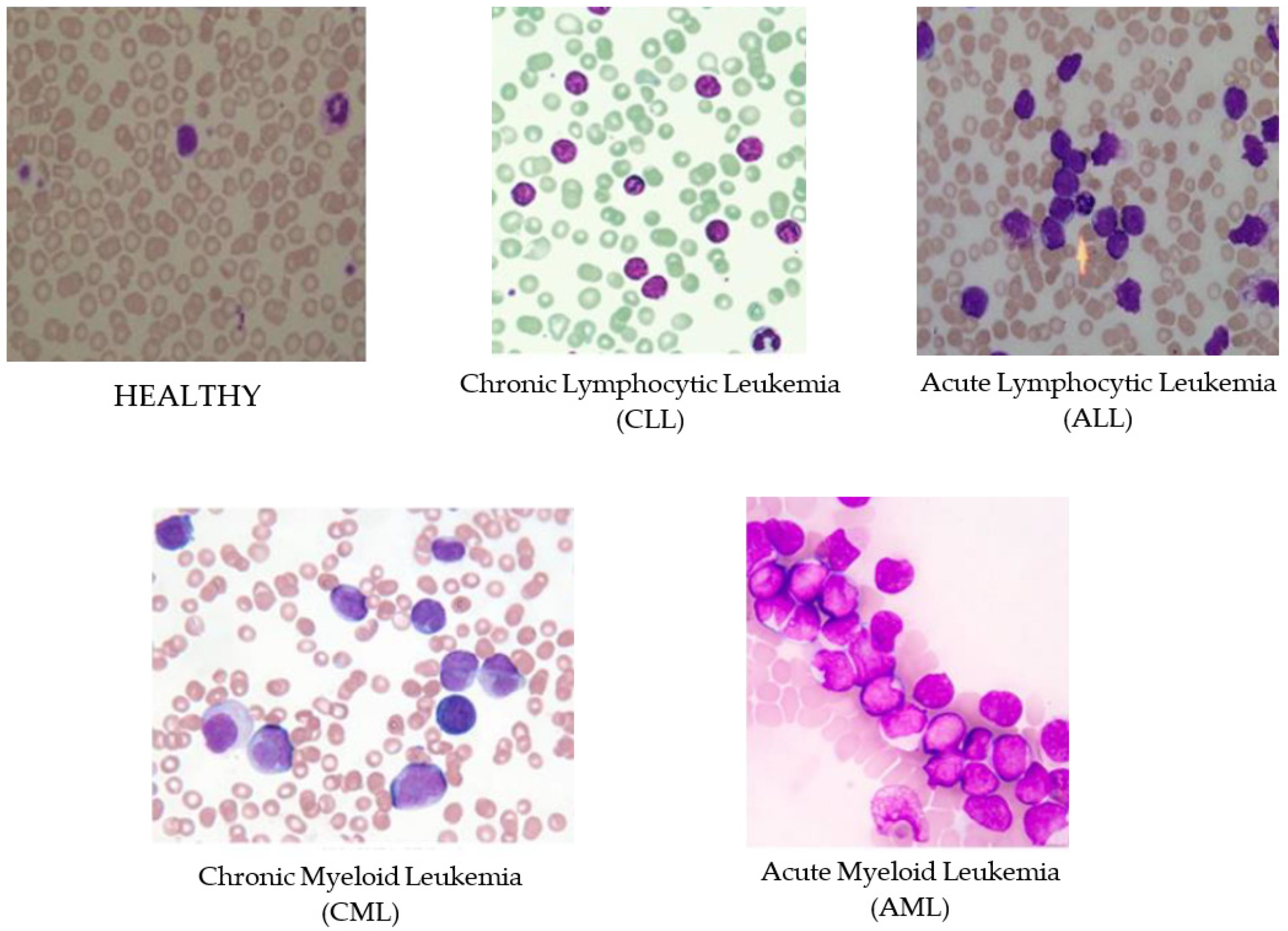
- Morphology: Pathologists examine cells under a microscope to identify the characteristic appearance of lymphoblasts.
- Flow Cytometry: This process identifies specific antigens on the surface of the cells, allowing clinicians to distinguish between B-cell ALL and T-cell ALL, which have different clinical behaviors and treatment requirements.
- Cytogenetic and Molecular Analysis: Testing for specific chromosomal abnormalities, such as the Philadelphia chromosome (BCR-ABL1 fusion), is critical. These findings directly influence the prognosis and the selection of targeted therapy agents.
Once a diagnosis is confirmed, clinicians perform risk stratification. Factors such as the patient's age at diagnosis, initial white blood cell count, and specific genetic markers categorize the disease as standard-risk or high-risk. This classification determines the intensity and duration of the chemotherapy protocols.
Phases of Therapeutic Intervention
Treatment for ALL is typically categorized into distinct phases, each with a specific objective aimed at eliminating leukemic cells and maintaining long-term remission.
Induction Therapy
The primary goal of induction is to achieve complete remission, defined as the disappearance of detectable leukemic blasts from the bone marrow and the return of normal blood counts. This phase is intensive and usually lasts four to six weeks. It involves a combination of chemotherapeutic agents, often including corticosteroids, vincristine, and anthracyclines.
Consolidation (Intensification) Therapy
Even after remission is achieved, microscopic amounts of "minimal residual disease" (MRD) may remain. Consolidation therapy uses high-dose chemotherapy to eradicate any remaining leukemic cells. This phase is crucial for preventing early relapse and may involve different drug combinations than those used during induction.
Central Nervous System (CNS) Prophylaxis
Leukemic cells often have the ability to penetrate the blood-brain barrier, making the central nervous system a potential sanctuary site for recurrence. To mitigate this risk, patients receive prophylactic therapy, which involves the administration of intrathecal chemotherapy (delivered directly into the spinal fluid) and sometimes cranial radiation, depending on the risk profile.
Maintenance Therapy
The final phase, maintenance, is designed to keep the patient in remission and typically lasts for two to three years. It utilizes lower doses of chemotherapy, often involving daily oral medications and periodic intravenous infusions. This prolonged approach ensures that any residual leukemic cells are kept under control while allowing the patient to maintain a degree of normalcy in their daily life.
Comparison of Treatment Modalities
The management of ALL has evolved from strictly cytotoxic chemotherapy to include precision medicine. The following table summarizes common treatment approaches and their primary clinical focus.
| Treatment Type | Mechanism of Action | Primary Objective |
|---|---|---|
| Multi-agent Chemotherapy | Inhibits DNA synthesis/cell division | Systemic destruction of blasts |
| Targeted Therapy | Blocks specific proteins (e.g., BCR-ABL) | Inhibits survival signals in mutant cells |
| Immunotherapy | Enhances immune response to blasts | Redirects T-cells to identify antigens |
| Stem Cell Transplant | Replaces diseased bone marrow | Resets the hematopoietic system |
Long-term Follow-up and Survivorship
For patients who complete the full course of treatment, long-term monitoring is essential. Modern clinical guidelines for 2026 emphasize the importance of monitoring for potential "late effects" of treatment. These effects may include cardiovascular issues, cognitive changes, or the risk of secondary malignancies. Survivors require a structured care plan that includes regular hematological screenings, metabolic monitoring, and, if necessary, endocrine evaluations. The transition from active treatment to surveillance is a critical milestone, requiring collaboration between oncologists, primary care providers, and specialized survivorship clinics.
Frequently Asked Questions
What is the difference between B-cell and T-cell ALL?
B-cell ALL and T-cell ALL are categorized based on the lineage of the lymphoid cell that underwent malignant transformation. B-cell ALL is more common, particularly in children, and generally carries a better prognosis when treated with modern protocols. T-cell ALL often presents with higher white blood cell counts at diagnosis and may require more aggressive or specific therapeutic approaches.
How is minimal residual disease (MRD) monitored?
MRD is monitored using highly sensitive techniques such as flow cytometry or polymerase chain reaction (PCR) to detect leukemic cells that are invisible to standard microscope examinations. Monitoring MRD provides clinicians with a precise measurement of the effectiveness of treatment, allowing for adjustments in intensity before a clinical relapse occurs.
Can targeted therapy be used for all ALL patients?
Targeted therapy is currently effective primarily for patients whose leukemia cells possess specific genetic mutations. For instance, patients with Philadelphia chromosome-positive (Ph+) ALL benefit from tyrosine kinase inhibitors (TKIs). It is not a universal treatment, as it requires the presence of a specific molecular target to be effective.
What are the main signs of relapse after treatment?
Signs of relapse often mirror initial symptoms, including unexplained bruising, persistent fatigue, recurrent fevers, or bone pain. Because these symptoms can also indicate other minor health issues, patients in remission are instructed to report any persistent clinical changes to their hematology team immediately for blood analysis and, if necessary, marrow evaluation.
Is stem cell transplantation necessary for everyone?
Stem cell transplantation is not a first-line treatment for all patients. It is primarily reserved for those at high risk of relapse, those who fail to reach remission through initial chemotherapy, or those who experience a relapse. The decision to transplant is based on a complex weighing of the risk of disease recurrence against the risks associated with the transplant procedure, such as graft-versus-host disease.
Next Actions for Patients and Caregivers
If you or a loved one has received a diagnosis of acute lymphoblastic leukemia, the most immediate step is to ensure that care is being managed by a multidisciplinary team at a specialized cancer center. Verify that the clinical team has performed comprehensive molecular and cytogenetic testing, as these results dictate the treatment strategy. Keep a detailed record of all medications, treatment dates, and side effects. For those nearing the end of active treatment, request a formal "survivorship care plan" from your oncologist to guide your long-term health maintenance and ensure all necessary screening tests are scheduled for the coming years.