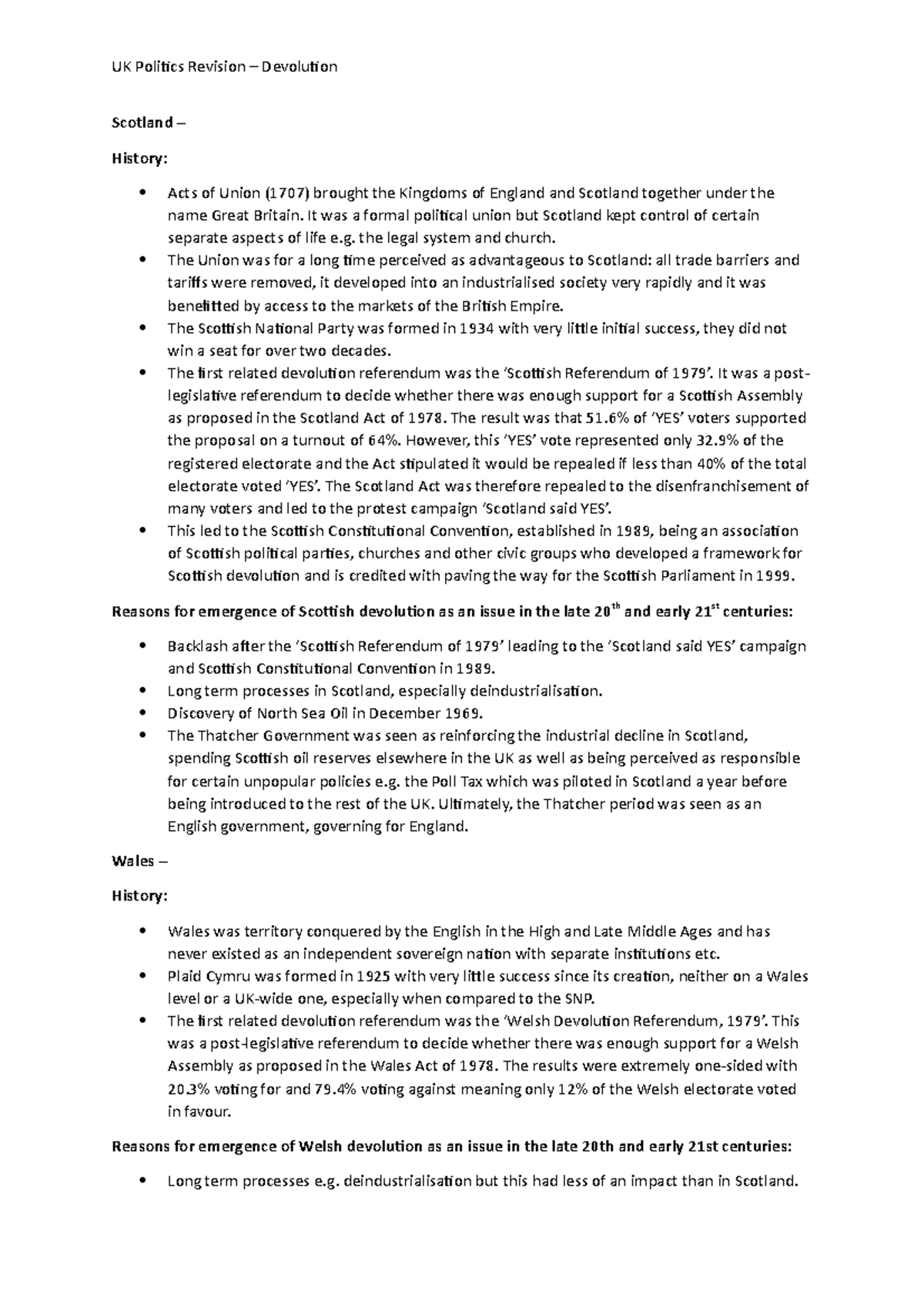
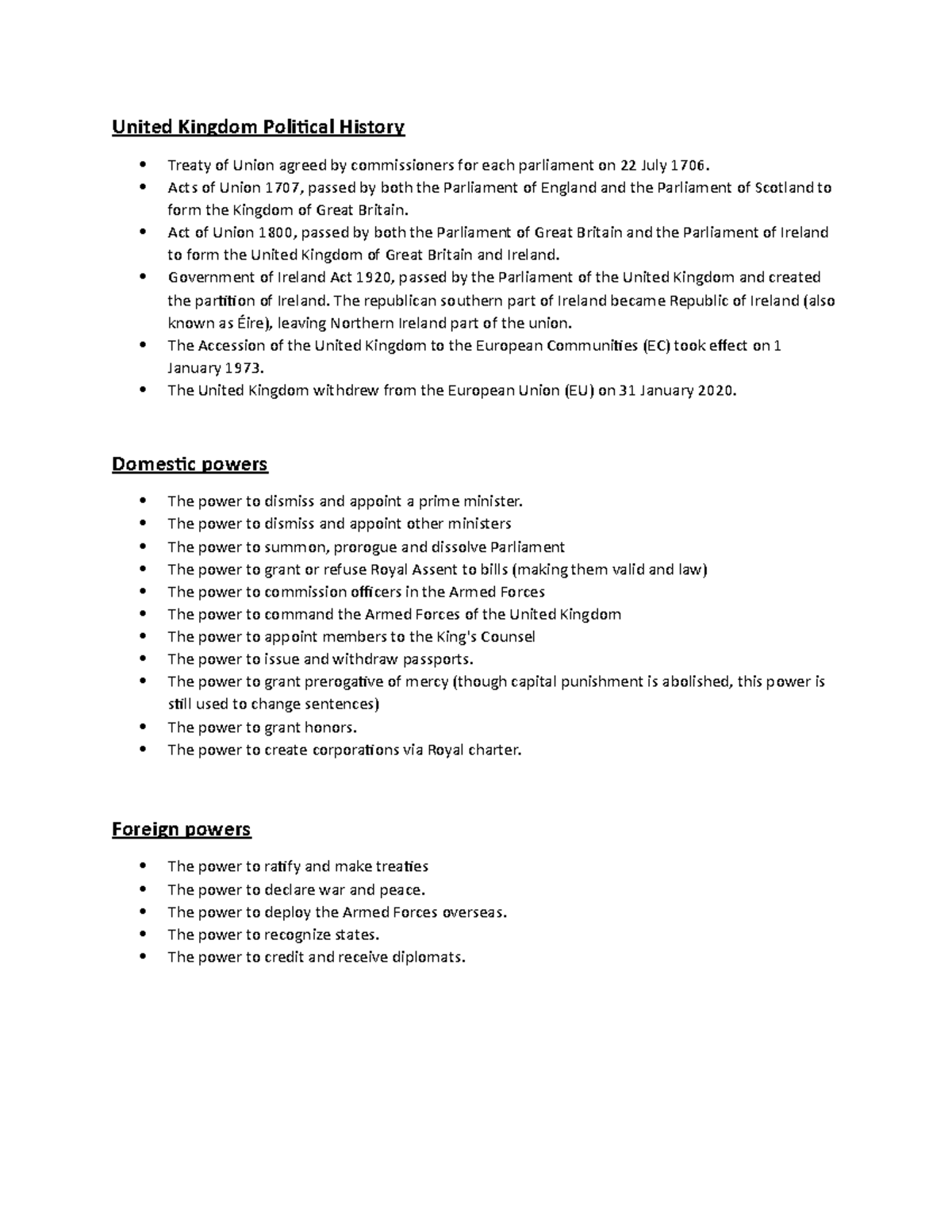
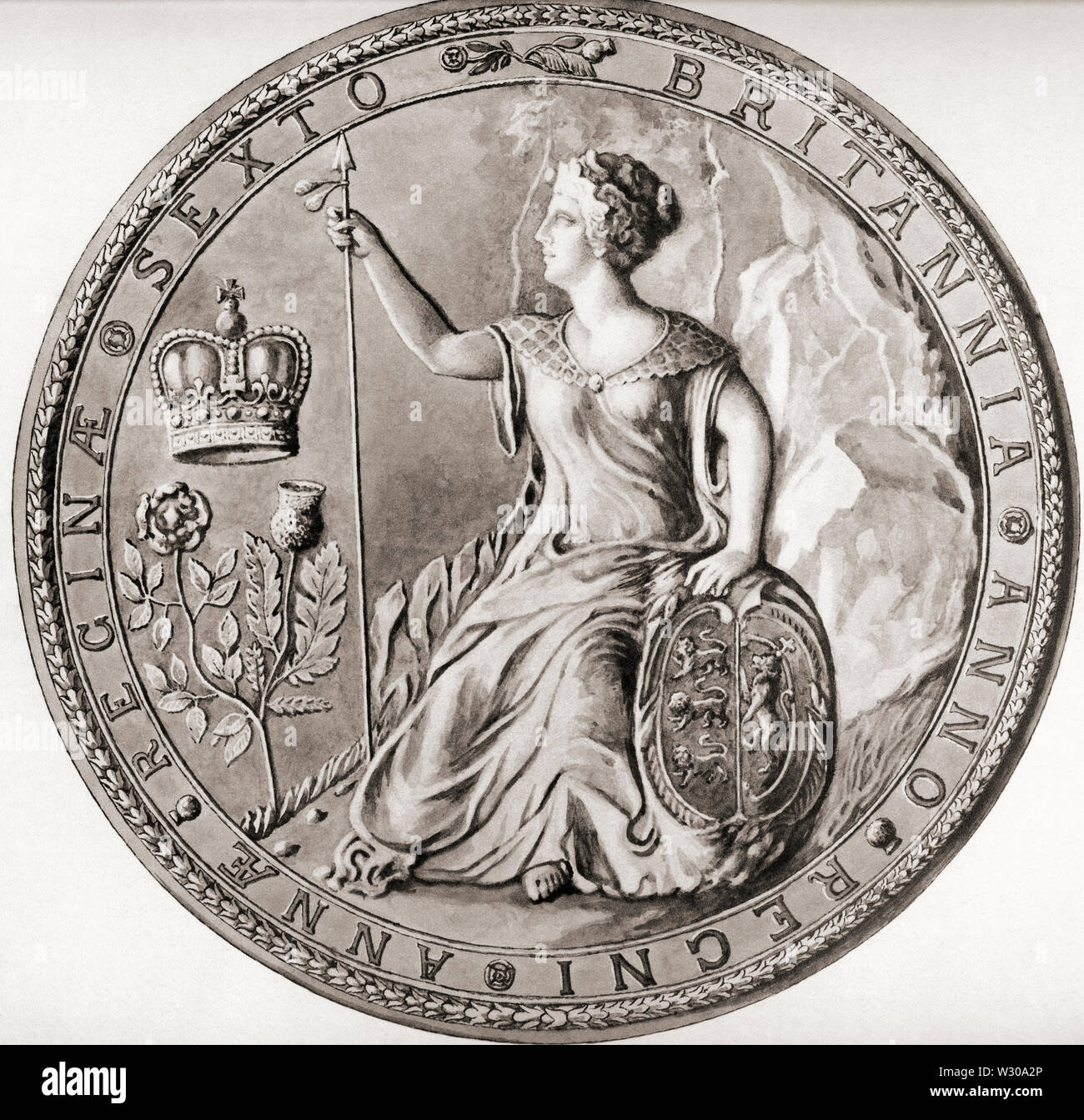
The Acts of Union 1707 were a pair of parliamentary statutes, the Union with Scotland Act 1706 and the Union with England Act 1707, that dissolved the independent parliaments of England and Scotland. These acts united the two nations into a single sovereign state called Great Britain, establishing a unified legislative, economic, and political structure while preserving distinct legal and religious traditions.
Historical Context and Political Drivers
The political unification of England and Scotland in 1707 did not occur in a vacuum; it was the culmination of over a century of uneasy union under the Crown. Since the Union of the Crowns in 1603, when James VI of Scotland ascended the English throne as James I, the two nations shared a monarch but remained separate sovereign entities. By the early 18th century, both the English and Scottish political classes recognized that this arrangement was increasingly untenable.
For England, the primary motivation was geopolitical security and the succession. The Act of Settlement 1701 ensured a Protestant succession to the English throne, but the Scottish Parliament had passed the Act of Security 1704, which allowed the Scots to choose a different successor. England feared that Scotland might restore the Catholic Stuart line, creating a hostile neighbor aligned with France. For Scotland, the drivers were primarily economic. The disastrous failure of the Darien Scheme—a Scottish colonial venture in Panama that bankrupted a significant portion of the nation’s liquid capital—left the economy desperate. The English government leveraged this financial crisis, offering the "Equivalent," a financial payment to compensate for Scotland assuming a portion of England's national debt, as an incentive for union.
Legislative Mechanics of the Union
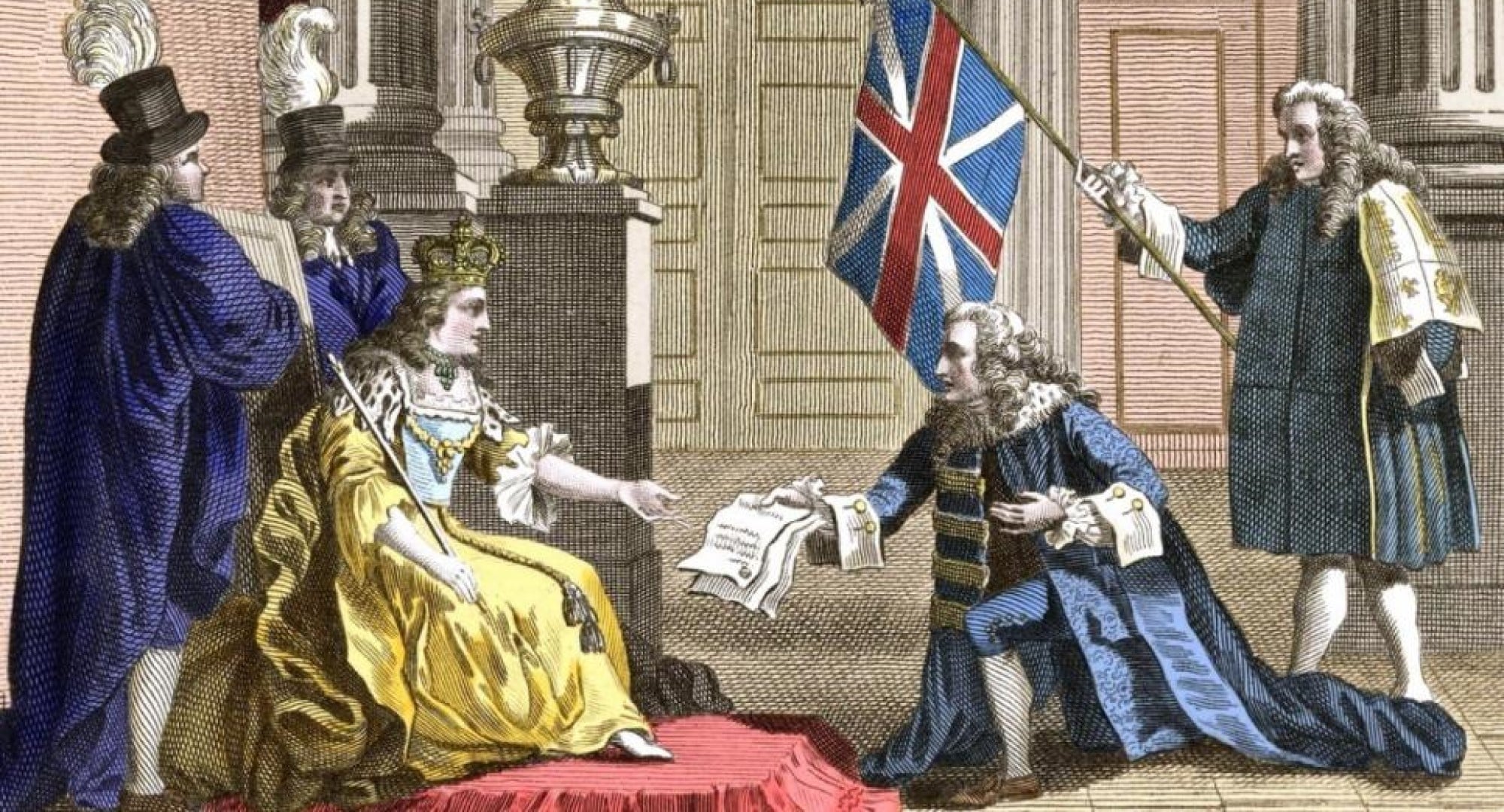
The process of unification was orchestrated through "Treaty Commissioners" appointed by Queen Anne. These negotiators met in London in 1706 to draft the Articles of Union. The document was highly controversial in Scotland, sparking widespread protests and riots. The Scottish Parliament, however, ultimately ratified the treaty after heated debate, largely due to the influence of the "Squadrone Volante," a faction of peers who sought to stabilize the nation’s volatile political landscape.
The statutes mandated several fundamental changes:
- A Single Parliament: The Parliament of Great Britain replaced both existing bodies, with Scotland sending 16 representative peers to the House of Lords and 45 members to the House of Commons.
- Free Trade: The act granted Scotland equal access to English colonial markets, effectively ending the trade restrictions imposed by the English Navigation Acts.
- Economic Integration: The currencies, weights, and measures of the two nations were standardized to align with English systems.
- Institutional Preservation: Scotland successfully negotiated the retention of its distinct legal system (Scots Law) and its national church (the Church of Scotland).
Economic Impacts and the "Equivalent"
The financial cornerstone of the 1707 settlement was the promise of the "Equivalent." This was a sum of £398,085 and 10 shillings, intended to offset the debts Scotland had incurred in the late 17th century. This money served two purposes: it acted as an inducement for the Scottish landed elite to support the union, and it provided a base for the transition to a unified monetary system.
While the integration eventually facilitated the Scottish Enlightenment and a massive surge in industrial trade, the short-term impact was characterized by fiscal friction. The introduction of English-style excise taxes—particularly on goods like salt and ale—met with significant resistance from the Scottish populace. Despite these early tensions, the union provided the stable economic framework necessary for Glasgow to become a global hub for the tobacco and sugar trades, transforming the Scottish economy from a marginal European peripheral into a central player in the British Empire's commercial network.
Comparison of Governance Structures Before and After 1707
The transition from a union of crowns to a union of parliaments necessitated a fundamental reconfiguration of legislative authority.
| Feature | Pre-1707 (Dual Sovereignty) | Post-1707 (United Kingdom) |
|---|---|---|
| Monarch | Shared (Union of Crowns) | Shared (Monarch of Great Britain) |
| Parliament | Two independent legislatures | One Parliament of Great Britain |
| Trade | Restricted/Protective barriers | Unified free trade zone |
| Legal System | Separate and distinct | Separate (Scotland retained own) |
| Church | Church of England / Church of Scotland | Church of England / Church of Scotland |
| Representation | Sovereign national delegations | Integrated Parliamentary seats |
Institutional Continuity: The Preserved Systems
One of the most remarkable aspects of the Acts of Union was the strategic decision to protect specific Scottish institutions. The treaty recognized that the Church of Scotland was a core component of national identity. Consequently, the act explicitly protected the Presbyterian form of church government from being dismantled by the Anglican-dominated Parliament in London.
Similarly, the preservation of the Scottish legal system—which is based on Roman civil law rather than the English common law tradition—ensured that Scotland maintained a unique judicial identity. This dual-system arrangement allowed for the administrative efficiency of a single state while maintaining the sociological distinctiveness of the Scottish nation. These protections remain, in varying forms, a cornerstone of the constitutional arrangement in 2026.
Constitutional Legacy and Modern Interpretations
In 2026, the Acts of Union continue to be a primary reference point for constitutional law and political discourse within the United Kingdom. While the original 1707 acts established the supremacy of the Parliament of Great Britain, subsequent legislative acts, such as the Scotland Act 1998, have devolved significant powers back to the Scottish Parliament in Holyrood.
The interpretation of the 1707 Acts often shifts between two perspectives: those who view them as a "settled" constitutional foundation that defined the British state, and those who argue that the union was a partnership between two sovereign nations whose terms can be renegotiated. Legal historians emphasize that the 1707 statutes were not merely acts of annexation but a negotiated treaty between two sovereign bodies, a fact that remains central to ongoing constitutional debates regarding the limits of parliamentary sovereignty.
Frequently Asked Questions
Did the Acts of Union 1707 abolish the Scottish legal system?
No. Article XIX of the Treaty of Union expressly provided for the continuation of the Court of Session and the High Court of Justiciary. Scotland maintained its distinct civil law tradition, separate from the English common law, a distinction that persists to the present day.
What was the purpose of the "Equivalent"?
The Equivalent was a financial payment of nearly £400,000 paid to Scotland. It served to compensate the nation for the loss of colonial trading rights and to ensure that Scotland assumed a share of the national debt incurred by England prior to 1707.
Why was there so much opposition to the Union in Scotland?
Opposition was widespread due to fears of increased taxation, the loss of national sovereignty, and the suspicion that the Scottish political elite had been bribed. The integration of church and state was also a major point of contention among the Presbyterian clergy.
Is the 1707 Act still the primary law of the land?
The Acts of Union 1707 remain a foundational constitutional document. While later legislation, such as the acts creating the devolved Scottish Parliament, has altered the implementation of governance, the core principles established in 1707 regarding the union of the two kingdoms remain the bedrock of the British state.
How did the 1707 union affect Scotland's global trade?
The union provided Scotland with legal access to English colonies, which had previously been restricted. This facilitated the growth of major merchant firms in cities like Glasgow, allowing Scottish capital and goods to enter the lucrative transatlantic trade routes.
Next Actions and Further Research
For those interested in studying the legal texts, the original parchment copies of the Acts of Union 1707 are held by the Parliamentary Archives. Researchers and students of history are encouraged to review the "Articles of Union" as a singular document to understand the nuances of the negotiations. For a deeper understanding of the political climate of 1706-1707, examining the contemporary pamphlets and correspondence of figures such as the Earl of Mar and Daniel Defoe provides essential context regarding the lobbying efforts that secured the passage of the bills.