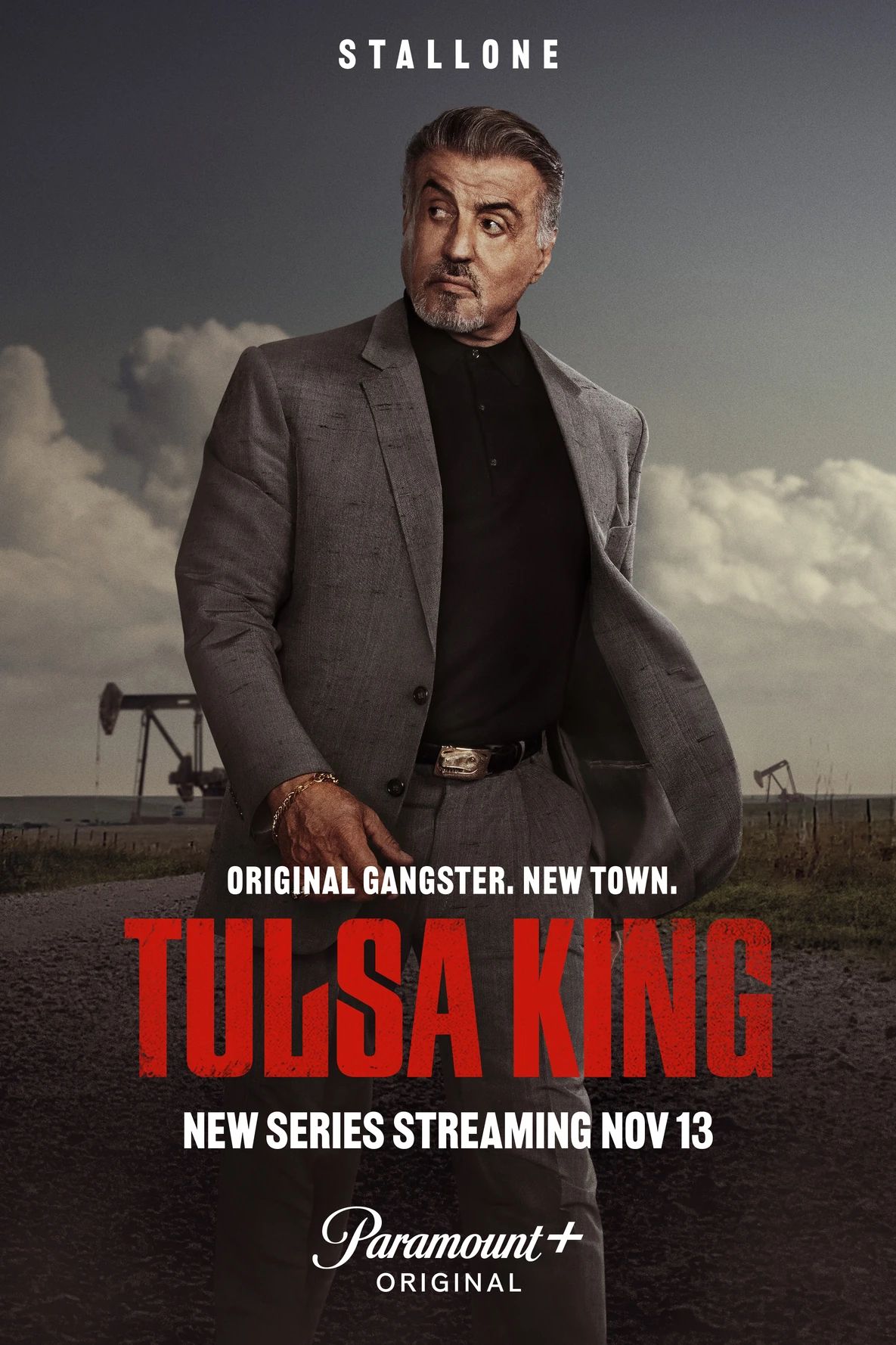
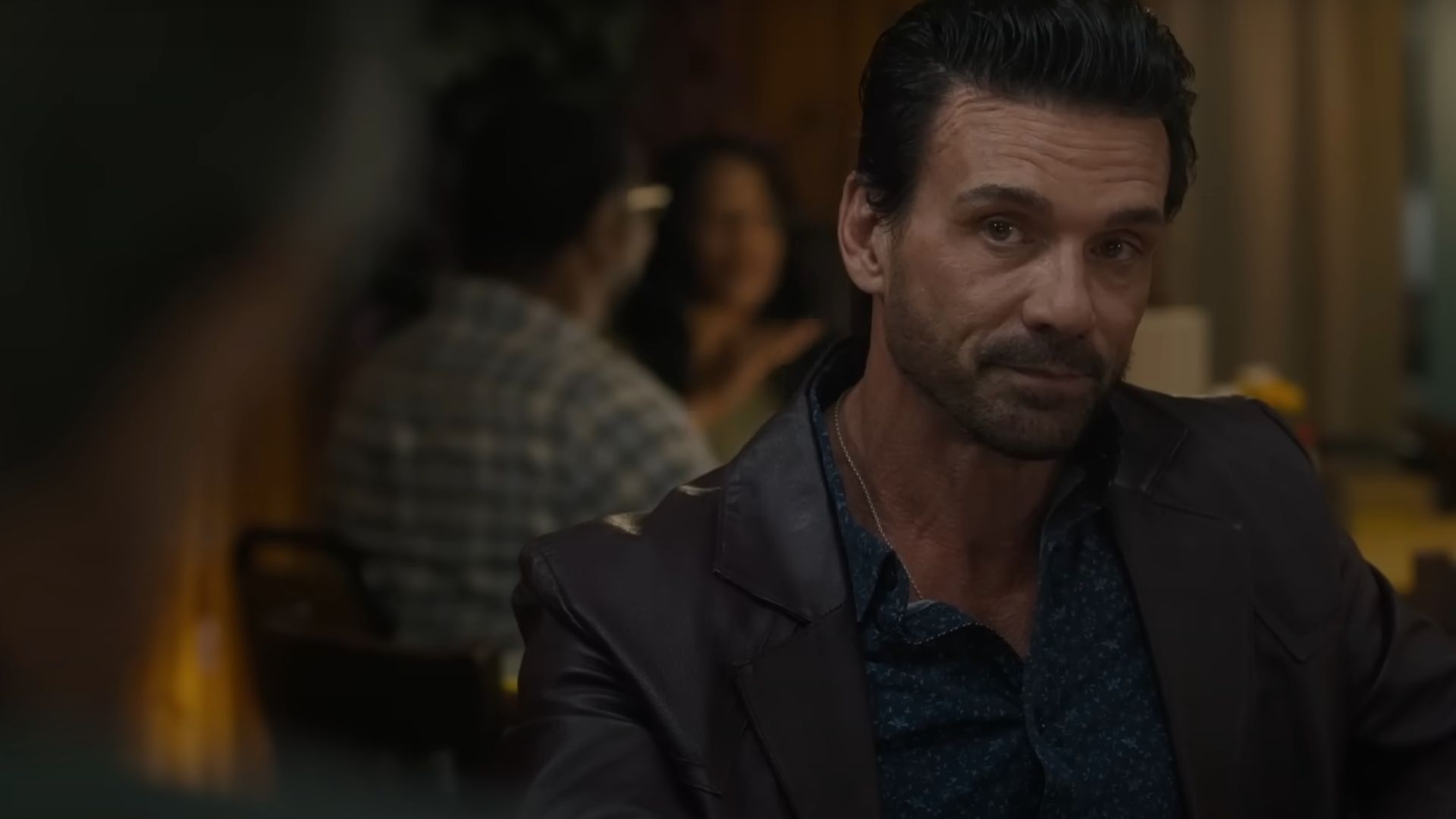
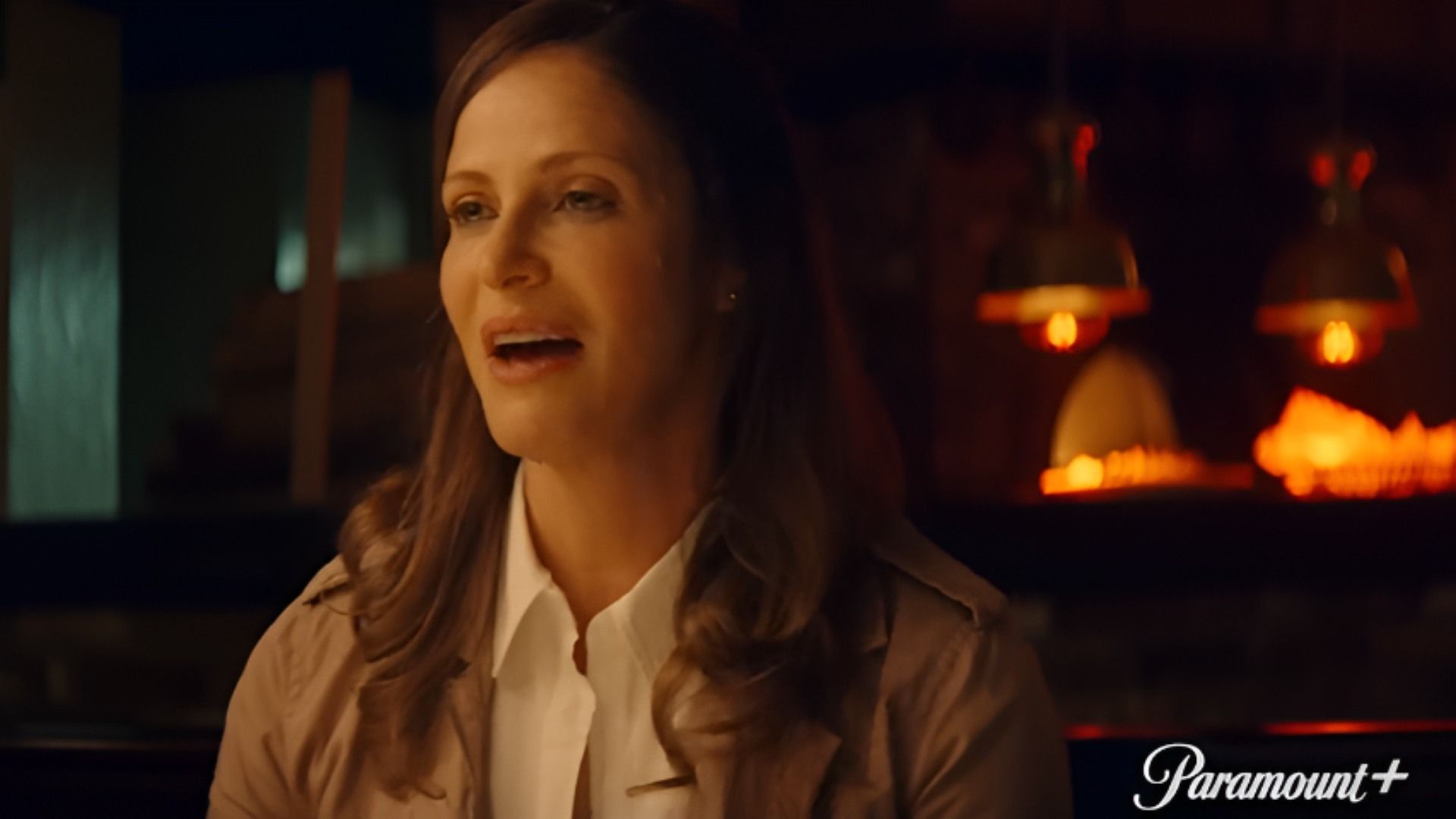
The star power of the female ensemble in Tulsa King plays a pivotal role in grounding the series' high-stakes narrative. Anchored by performances from Andrea Savage, Annabella Sciorra, and Dana Delany, the show utilizes these actresses to provide essential narrative tension, emotional weight, and character growth for Dwight Manfredi, the protagonist played by Sylvester Stallone.
In the landscape of modern prestige television, ensemble casting often determines the longevity and critical reception of a series. Tulsa King, created by Taylor Sheridan, distinguishes itself by balancing its hyper-masculine mafia tropes with nuanced, high-caliber female performances. Rather than existing as mere window dressing or peripheral love interests, the actresses in this cast serve as active catalysts for the protagonist’s evolution, challenging his outdated criminal code and pushing him to navigate a world that has significantly changed during his decades of incarceration.
Understanding the Role of Female Leads in Mafia Dramas
Historically, the genre of mafia drama has relied on rigid archetypes for female characters: the long-suffering spouse, the femme fatale, or the neglected family member. Tulsa King breaks from this tradition by casting actresses who bring a sense of autonomy and professional gravitas to their roles. This shift is not merely a stylistic choice but a fundamental requirement for the show’s premise, which hinges on an "old-school" mobster attempting to integrate into a modern, mid-sized American city.
By populating the show with characters who hold their own, the writers ensure that Dwight Manfredi is constantly forced to adapt. Each interaction—whether it is a professional negotiation, a romantic entanglement, or a clash of moral philosophies—requires a degree of intellectual engagement that transcends the typical violence-driven plot points of the genre.
Key Actresses and Character Dynamics
The cast features several prominent actresses who provide the backbone of the series' social and professional friction. Understanding their roles is crucial for grasping how the show subverts expectations regarding the mobster’s social environment.
- Andrea Savage as Stacy Beale: As an ATF agent, Savage brings a sharp, pragmatic energy to the show. Her character represents the ultimate challenge to Dwight’s lifestyle: she is the law, but she is also a flawed individual capable of forming a complicated personal bond with him. This relationship serves as a primary source of conflict, as both characters struggle to balance their professional mandates with their personal attraction.
- Annabella Sciorra as Joanne Manfredi: Playing Dwight’s younger sister, Sciorra portrays a character with deep-seated resentment and a history of familial dysfunction. Her performance adds a necessary layer of emotional realism, reminding the audience that Dwight’s criminal life has had lasting, often devastating consequences on his immediate family.
- Dana Delany as Margaret Devereaux: As the owner of the Fennario Ranch, Delany introduces an element of high-society influence that contrasts sharply with the gritty underworld. Her character provides a space for Dwight to operate outside of his traditional criminal comfort zone, offering him both a physical haven and an intellectual equal.
Comparative Overview of Character Impact
The following table summarizes the primary roles and their specific narrative functions within the Tulsa King universe.
| Actress | Role | Narrative Function | Primary Conflict |
|---|---|---|---|
| Andrea Savage | Stacy Beale | Law Enforcement/Romantic Foil | Professional Duty vs. Attraction |
| Annabella Sciorra | Joanne Manfredi | Familial Connection | Historical Resentment/Family Trauma |
| Dana Delany | Margaret Devereaux | Social Elite/Ranch Owner | Worlds Colliding/Personal Autonomy |
| Tatiana Zappardino | Tina Manfredi | Estranged Daughter | Abandonment/Forgiveness |
The Evolution of the Supporting Ensemble
Beyond the primary female leads, the series employs a robust supporting cast of recurring actresses who ground the Oklahoma setting. These characters are vital for building the "world" of the show. They represent the local population, the bureaucratic hurdles of city life, and the various stakeholders in Tulsa’s economy.
The casting choice for these roles is deliberate. By selecting experienced actors who have a history in both television drama and film, the production ensures that even minor scenes possess a level of intensity that keeps the audience anchored. In Tulsa King, the supporting female characters often act as the "moral compass" or the "reality check" for the protagonist, pointing out the absurdity or the danger of his criminal enterprises.
Challenges of Playing Roles Within a High-Stakes Environment
Actors working in a Taylor Sheridan production face unique challenges. The dialogue is often lean, and there is an emphasis on subtext—what is left unsaid is frequently more important than what is spoken. For the actresses in this series, the challenge is to convey complex internal motivations through subtle facial cues and pacing.
For instance, the tension in a scene between Dwight and Stacy is rarely about the dialogue itself; it is about the power dynamic between two people who know they are playing a dangerous game. The cast must maintain a high level of intensity to match the presence of a screen icon like Sylvester Stallone. This synergy is what gives Tulsa King its specific "star power" signature. It is not just about the fame of the lead, but the caliber of the performers who push him to deliver a more layered, vulnerable performance.
FAQ: Understanding Cast Dynamics in Tulsa King
How does the casting of female leads impact the show's overall tone?
The casting of experienced dramatic actresses provides a necessary grounding effect. By populating the world with strong female characters who are not merely victims or sidekicks, the show effectively shifts from a one-dimensional mob drama to a complex exploration of identity, loyalty, and the friction between past and present.
Do the female characters in Tulsa King influence the protagonist's decisions?
Yes, they act as primary motivators for his growth. Dwight’s interactions with characters like Stacy and Margaret often force him to reconsider his approach to leadership and problem-solving, moving him away from purely violent resolutions toward more strategic, albeit still criminal, maneuvers.
Why is the relationship between Dwight and Stacy Beale considered a central pillar?
This relationship represents the central paradox of the show: the criminal versus the protector. It is a high-stakes entanglement that keeps the audience guessing, as the audience is never quite sure if the attraction or the professional duty will triumph. This tension is sustained through the high-quality performances of both leads.
How does the show differentiate between the domestic and criminal lives of its characters?
The show uses specific locations—the home (Joanne/Tina) versus the professional arena (Margaret/Stacy)—to segment Dwight's life. The actresses in each environment pull different sides of his personality to the forefront, allowing the audience to see his vulnerability in private and his ruthlessness in public.
How to Evaluate Casting Quality in Modern Dramas
To fully appreciate the star power within a production like Tulsa King, one must analyze how the performers elevate the script beyond its foundational genre requirements. When observing the cast, consider the chemistry between the leads and the secondary characters, the consistency of the character development, and the ability of the supporting actors to hold their own during intense sequences. A high-quality cast will not just react to the lead character, but will actively shape the world in which the lead operates, creating a reciprocal relationship that drives the narrative forward. If you are tracking the development of the series, pay close attention to how these relationships change over time, as they serve as the barometer for the show's overall trajectory and thematic focus.