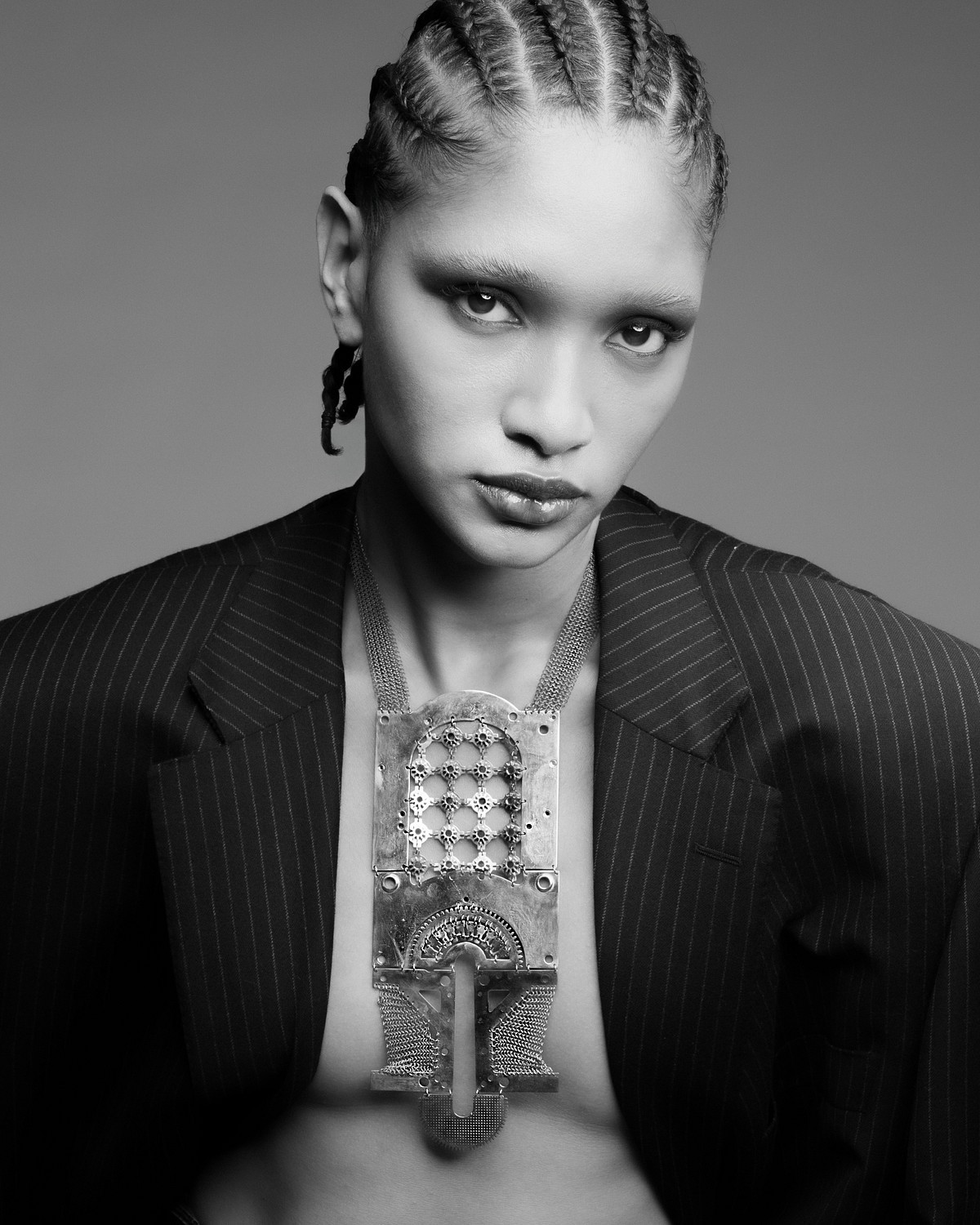
The dual-threat trajectory of actress and model Ali has positioned her as one of the most compelling crossover talents in contemporary entertainment, bridging high-fashion editorial campaigns with nuanced cinematic performances. This rise reflects a broader industry shift where contemporary performers seamlessly transition between global luxury runways and independent or studio film sets. Understanding her career trajectory requires examining the rigorous intersection of modern modeling standards, cinematic training, and strategic brand building that defines modern celebrity status in 2026.
Navigating the Dual Worlds of Modeling and Acting
The transition from editorial modeling to narrative filmmaking is fraught with professional challenges, yet it remains a well-traveled path for versatile talent. Editorial modeling demands an acute physical awareness, spatial intelligence, and the ability to convey complex emotional narratives entirely through posture, gaze, and styling. These non-verbal storytelling mechanics translate directly to the screen, particularly in visual mediums where directors rely heavily on physical presence and micro-expressions.
However, the operational demands of both industries diverge significantly. While modeling requires constant travel, rapid physical transformations, and high-stakes visual conformity, acting demands psychological endurance, text analysis, and sustained collaborative consistency across prolonged shooting schedules. Navigating these concurrent career paths requires rigorous time management, selective contract negotiation, and a clear artistic vision. Talent who successfully conquer both spheres usually establish distinct brand identities that reinforce one another, allowing high-fashion visibility to drive cinematic casting interest while prestigious film roles elevate a model's commercial marketability.
The Evolution of the Modern Crossover Talent
The archetype of the multi-hyphenate entertainer has evolved from the traditional celebrity endorsement model into a deeply integrated professional enterprise. Historically, models crossed over into acting primarily as passive muses or through token casting choices. Today, rising figures like Ali approach the craft through intensive dramatic training, script analysis, and active collaboration with auteur directors. This shift redefines how casting directors and fashion houses evaluate talent, prioritizing artistic range and authentic cultural resonance over superficial social media metrics.
In the contemporary media landscape, audiences and casting directors alike demand authenticity and depth. Consequently, successful crossover artists must demonstrate competence across multiple distinct creative disciplines. This includes participating in pre-production workshops, managing demanding international press tours, and maintaining a cohesive personal aesthetic that satisfies both luxury fashion conglomerates and independent film financiers.
Critical Milestones in Film and Editorial Work
Analyzing the professional trajectory of a rising talent involves looking closely at the specific milestones that validate their market position. For an actress and model, these milestones are typically marked by three distinct categories of achievement: high-profile runway appearances, covers for major fashion publications, and critically recognized screen credits.
| Category | Typical Milestone | Industry Impact |
|---|---|---|
| High Fashion | Exclusive runway walks for Paris or Milan Fashion Weeks | Establishes elite designer relationships and global aesthetic authority. |
| Editorial Print | International Vogue, Harper's Bazaar, or ID covers | Validates photographic versatility and drives luxury endorsement value. |
| Cinematic Projects | Lead or supporting roles in festival-selected or studio films | Proves dramatic range, text interpretation, and box-office or critical viability. |
| Brand Partnerships | Global ambassadorships with luxury houses | Secures long-term financial stability and cross-industry market saturation. |
These professional markers do not happen in isolation. Securing a major cinematic role often triggers increased demand from fashion editors seeking to capitalize on the actor's rising cultural footprint. Conversely, fronting a major global campaign provides the widespread visual saturation needed to capture the attention of casting directors searching for bankable new faces.
The Preparation and Training Behind the Screenplay
Behind every successful crossover performance lies a rigorous process of artistic preparation that often goes unnoticed by casual observers. When transitioning from the structured silence of a photo studio to the dynamic dialogue of a film set, performers must master vocal projection, script annotation, and emotional availability on demand.
Preparation typically begins months before principal photography commences. Actors engage dialect coaches to master specific regional accents, work with movement coordinators to adapt their physical posture to a character's socioeconomic background, and collaborate closely with directors to build a cohesive internal life for the role. This level of dedication separates transient fashion phenomena from enduring cinematic artists. Furthermore, maintaining physical conditioning for demanding physical scenes while simultaneously studying dense dramatic texts requires an exceptional level of discipline and lifestyle management.
Strategic Brand Management and Public Perception
In an era defined by digital saturation and instantaneous media consumption, the management of public perception is just as critical as raw artistic talent. For a rising actress and model, personal branding extends far beyond traditional public relations. It encompasses carefully curated social media presence, strategic philanthropic involvement, and deliberate choices regarding which independent or commercial projects to pursue.
Industry professionals emphasize that longevity in both film and fashion depends on maintaining an aura of exclusivity while remaining culturally accessible. This delicate balance is achieved through:
- Selective Collaborations: Partnering exclusively with brands and directors that align with long-term artistic goals rather than short-term financial gains.
- Narrative Control: Using interviews and public appearances to steer the public narrative toward professional achievements rather than tabloid speculation.
- Cross-Platform Synergy: Leveraging digital fashion platforms to promote upcoming film projects, thereby uniting two distinct audience bases.
What Lies Ahead for Emerging Crossover Icons
The future of entertainment and fashion belongs to those who refuse to be confined by traditional industry silos. As streaming platforms and global luxury markets continue to merge, the demand for multifaceted performers who can anchor a major fashion house campaign one week and carry an emotionally complex indie drama the next will only accelerate. For talent navigating this demanding landscape, the key to sustained success lies in continuous artistic reinvention, unwavering professional discipline, and a clear understanding of the shifting dynamics within both global entertainment and haute couture.
Frequently Asked Questions
How do actresses and models manage their time between film sets and fashion weeks?
Managing concurrent careers in film and fashion requires meticulous scheduling coordinated by specialized management teams months in advance. Because fashion weeks occur during strict bi-annual windows, actors often reserve these periods specifically for runway commitments, while scheduling film pre-production, principal photography, and press junkets around these immovable dates.
What qualifications are required to transition from modeling to acting?
While formal qualifications are not legally required, a successful transition typically demands rigorous professional acting classes, dialect coaching, and extensive audition experience. Casting directors look for emotional range, the ability to memorize and deliver dialogue naturally, and the technical stamina required for long hours on a film set.
How do luxury brand ambassadorships impact an actress's career?
Luxury brand ambassadorships provide significant financial support, global exposure, and prestige, which can enhance an actress's marketability. These partnerships often grant performers increased visibility at high-profile international events, indirectly influencing casting directors and producers looking for globally recognized faces.
What is the primary difference between editorial modeling and film acting?
Editorial modeling focuses on capturing static, highly stylized visual moments that convey a specific mood or showcase clothing through posture and expression. Film acting, by contrast, is a dynamic, time-based art form that requires sustained emotional continuity, vocal delivery, and psychological interaction with other performers across changing narrative scenes.
How do casting directors view models attempting to cross over into acting?
Casting directors approach models with varying degrees of skepticism, often requiring them to audition rigorously to prove their dramatic capabilities. However, when a model demonstrates genuine acting talent and rigorous preparation, their pre-existing camera comfort and professional work ethic are viewed as major assets.
Cultivating Long-Term Artistic Longevity
To ensure enduring relevance in both competitive industries, rising talents must prioritize continuous artistic growth over fleeting commercial trends. Aspiring performers and industry observers should monitor how artists balance high-visibility commercial commitments with risk-taking independent cinematic projects, as this duality serves as the ultimate test of career sustainability and creative depth.