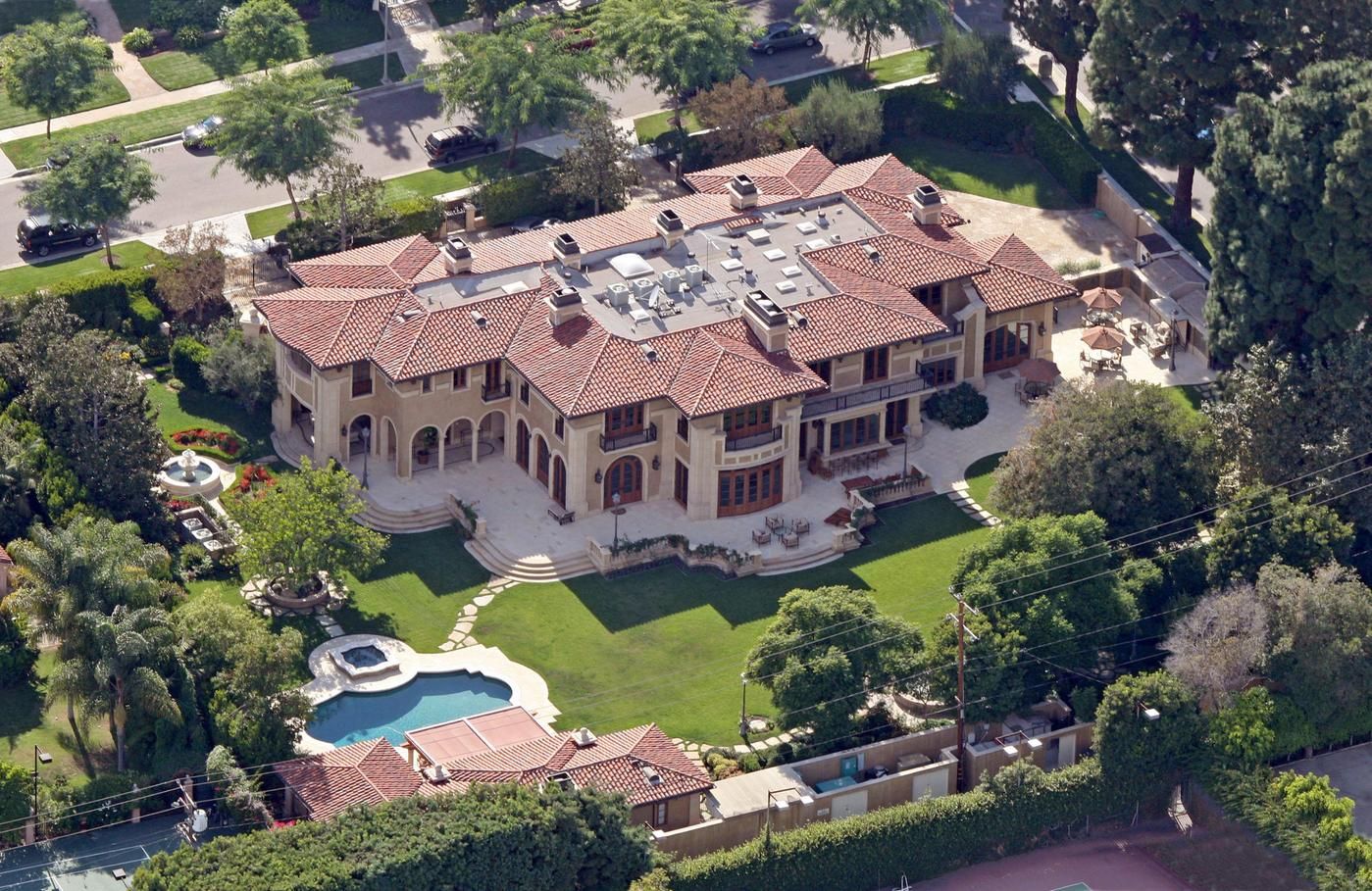
The acquisition of high-end real estate functions as both a tactical wealth management strategy and a vital branding tool for prominent actresses. By leveraging luxury properties as equity-building assets and backdrops for public personas, stars secure long-term financial stability while signaling professional status to industry power brokers, studios, and global audiences.
Real Estate as an Institutional Asset Class
For many actresses, the path to sustained wealth involves diversifying beyond the volatility of performance contracts and endorsement deals. Real estate represents a tangible, appreciating asset that serves as a cornerstone of a diversified portfolio. High-net-worth individuals in the entertainment sector frequently utilize tax-advantaged structures—such as 1031 exchanges in the United States—to defer capital gains taxes when selling one property to purchase another of equal or greater value.
Beyond simple appreciation, celebrity residences often undergo significant value-add renovations. An actress may purchase a property with "good bones," invest in high-end design, and subsequently sell the asset at a premium. This process is not merely about finding a place to live; it is about capital allocation. When an actress manages her estate as a professional portfolio, she transforms a living space into an income-generating or wealth-preserving instrument that mitigates the inherent risks of a career defined by cyclical employment and shifting public tastes.
Branding and the Aesthetics of Success
The "celebrity house" serves as a critical node in the intersection of personal branding and public relations. In the digital age, a residence is often the primary set for social media content, press junkets, and lifestyle journalism. A meticulously curated home reinforces an actress’s narrative—whether that is one of minimalist elegance, sustainable living, or traditional glamour.
By controlling the environment in which they are photographed, actresses exert influence over how their personal brand is perceived. A well-chosen estate in a prestigious zip code, such as Beverly Hills, Montecito, or the Upper East Side, acts as an unspoken validation of their tier in the entertainment hierarchy. This signaling reaches potential collaborators, including directors, fashion houses, and major production companies, by reinforcing the perception of the actress as an established, successful, and stable figure. The home is an extension of the professional product, effectively acting as a permanent, high-value asset that supports the actress's broader marketing goals.
Strategic Location and Professional Access
Geography dictates professional accessibility, and the choice of residence is often a career-driven decision. Actresses frequently maintain a "hub-and-spoke" model, with primary residences located in entertainment capitals—Los Angeles, New York, or London—where they remain in proximity to casting directors, agency executives, and studio lots.
Proximity reduces the friction of audition cycles and last-minute production calls. Furthermore, living in specific, high-status residential enclaves facilitates networking. The social dynamics of exclusive neighborhoods allow for organic, off-the-clock interactions with peers and power brokers, which can lead to professional opportunities in a way that formal meetings cannot. This is not purely coincidental; the intentional selection of a home within a specific geographic cluster is an investment in professional proximity and, by extension, career longevity.
Financial Risk and Market Vulnerability
While real estate is generally viewed as a hedge against inflation, it carries significant risks for the public figure. The visibility of a celebrity house can lead to privacy concerns and security requirements, which necessitate ongoing investment in surveillance and personnel. These "hidden" costs of celebrity real estate can significantly impact the net return on an asset.
Furthermore, celebrities are often subject to "market branding" where the previous ownership of a property can either inflate or suppress its market value. A house owned by a legendary star may appreciate simply due to its provenance, whereas one associated with a specific, fleeting trend might lose value once the actress moves on. Understanding the liquidity of a luxury asset is crucial; high-end properties take longer to sell, and actresses must balance their real estate holdings with their short-term cash flow needs to avoid being "house-rich and cash-poor."
| Feature | Strategic Impact | Wealth Consideration |
|---|---|---|
| Prime Zip Code | Signals market status and influence | Potential for long-term appreciation |
| Renovations | Enhances brand alignment/aesthetics | Forces equity growth through value-add |
| 1031 Exchanges | Enables growth without tax drag | Legal tax-deferral strategy |
| Security Systems | Protects occupant and brand privacy | Adds significant annual maintenance cost |
| Proximity Hubs | Ensures access to casting/deals | Minimizes travel and operational friction |
Establishing and Maintaining a Portfolio
Successful management of actress houses requires a team of professionals including real estate brokers, tax attorneys, and interior designers who specialize in high-net-worth holdings. When acquiring property, the standard process involves thorough due diligence, including property inspections, title searches, and local zoning analysis to ensure that future improvements or business uses (such as home offices or production spaces) are compliant with municipal regulations.
Once acquired, the actress must maintain the property in a way that upholds its valuation. This often involves working with professional property managers who handle the logistics of the estate while the actress is on location filming. Failure to maintain the property can result in a loss of equity and a decline in the asset's utility as a branding tool.
Frequently Asked Questions
Why do celebrities often sell homes shortly after buying them?
Celebrities may engage in "flipping" or strategic divestment to capitalize on rapid market appreciation or to optimize their portfolio. In many cases, the home was purchased as a temporary residence during a production cycle and is sold once the project concludes to minimize holding costs.
How does the location of a house affect an actress's career?
Location influences access to industry infrastructure. Residing near major production hubs reduces the logistical hurdles of daily work, while living in high-profile social enclaves can provide networking opportunities that are essential for career advancement and securing high-value contracts.
Are celebrity real estate investments always profitable?
No. While real estate is generally a stable asset, celebrity residences often incur high maintenance, insurance, and security costs. If a property is purchased at the peak of a market cycle or requires expensive, niche renovations, the net profit may be lower than expected upon resale.
Do tax laws treat celebrity homes differently than regular homes?
In most jurisdictions, tax laws for residential property are consistent regardless of the owner's fame. However, high-net-worth individuals are more likely to utilize complex structures like LLCs, trusts, or 1031 exchanges to manage these assets, which requires specialized tax planning not typical for the average homeowner.
What is the most important factor in choosing a celebrity property?
The most important factor is the intended use of the asset: is it a primary residence for living, or is it a secondary investment property? Balancing the desire for a curated lifestyle brand with the practical necessity of a liquid, appreciating financial asset is the core challenge.
Next Steps for Asset Management
To optimize the relationship between property and wealth, an actress should perform an annual audit of her real estate holdings. Review the current market valuation of each property compared to the original purchase price and renovation costs. Consult with a specialized financial advisor to determine if any properties are underperforming or if the current portfolio is over-concentrated in a single geographic market. If you are planning an acquisition in 2026, prioritize properties that offer both high historical appreciation and built-in flexibility for modern production and digital content creation.